Hosseini Seyed Mostafa, Farmany Abbas, Alikhani Mohammad Yousef, Taheri Mohammad, Asl Sara Soleimani, Alamian Saeed, Arabestani Mohammad Reza
Department of Microbiology, Faculty of Medicine, Hamadan University of Medical Sciences, Hamadan, Iran.
Dental Research Center, School of Dentistry, Hamadan University of Medical Sciences, Hamadan, Iran.
Front Chem. 2022 May 11;10:890252. doi: 10.3389/fchem.2022.890252. eCollection 2022.
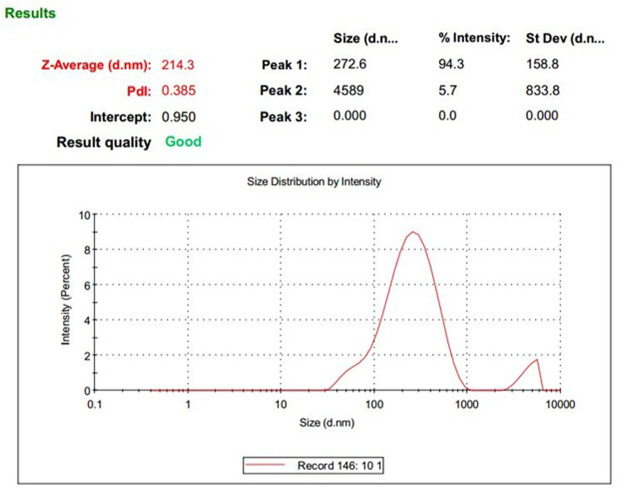
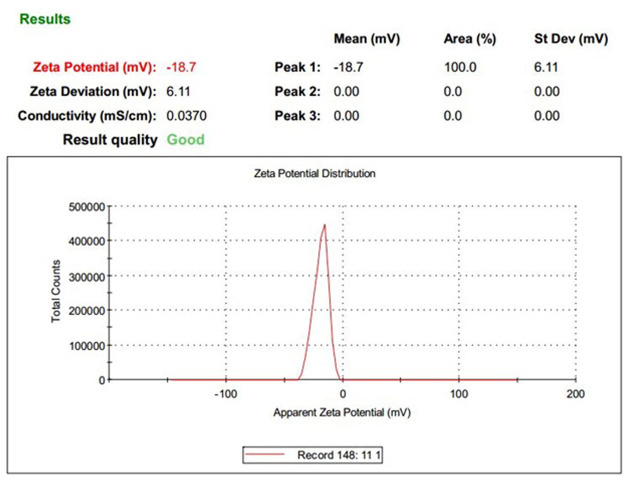
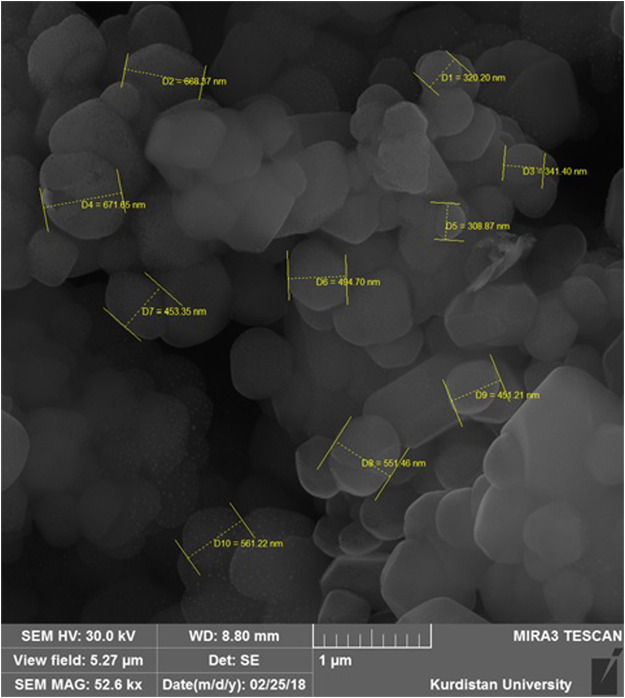
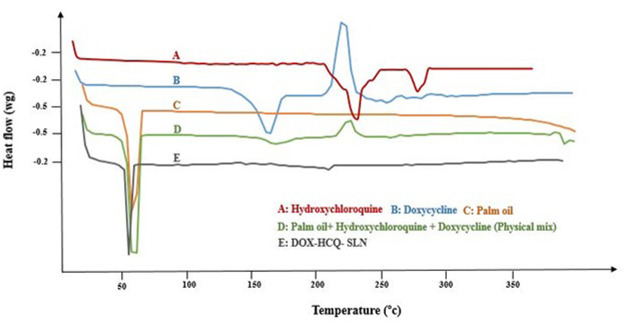
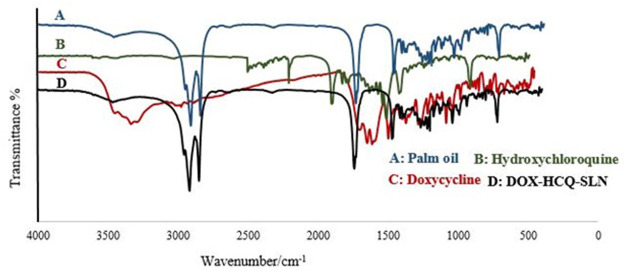
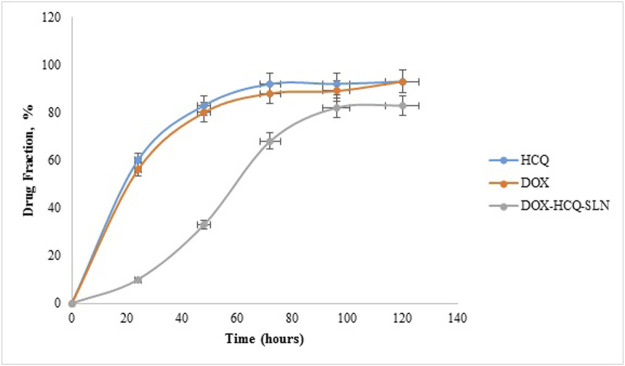
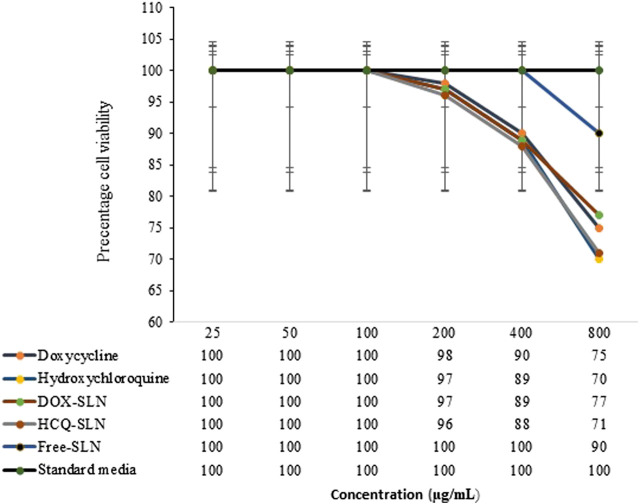
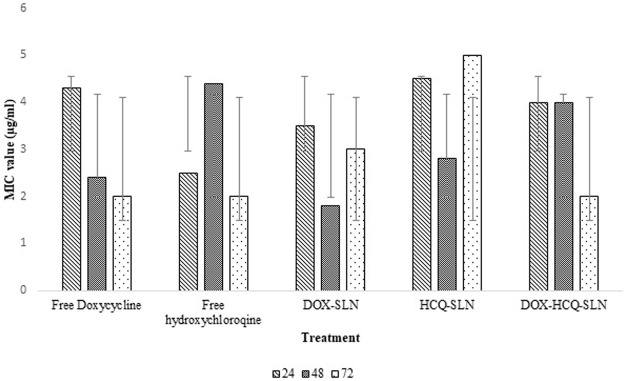
Brucellosis is a systemic disease in both acute and chronic forms which can affect any organ or tissue in the body. One of the biggest issues in treating this disease is its relapse. In this study, a complete treatment of brucellosis was evaluated using enhanced performance of doxycycline and hydroxychloroquine drugs by using solid lipid nanoparticles (SLN) conjugated cadmium-telluride quantum dots. The double emulsion method was used to prepare SLN and cadmium-telluride quantum dots. The physicochemical properties of NPs were determined. The effect of nanoparticle-loaded antibiotics against was determined by well diffusion, minimum inhibitory concentration (MIC), cell culture, and animal studies. The means of particle size, PDI, zeta potential, drugs loading, and encapsulation efficiency were 214 ± 25 nm, 0.385 ± 0.022, -18.7 ± 2.3 mV, 17.7 ± 1.5%, and 94.15 ± 2.6%, respectively. The results of FTIR and DSC showed that no chemical reaction occurred between the components of the NPs. The effect of free drug and NPs on bacteria was the same by well diffusion and MIC method. Drug-loaded NPs significantly reduced the number of CFUs in the cell line and acute and chronic brucellosis compared to the free drug. In conclusion, the synthesized nanoparticles were safe and green. With the slow release of the drug (100 h), the accumulation of the drug at the bacterial site increases and causes a greater effect on the and improves the disease of brucellosis. The use of synthesized nanodrugs in this study had promising therapeutic results.
布鲁氏菌病是一种具有急性和慢性形式的全身性疾病,可影响身体的任何器官或组织。治疗这种疾病的最大问题之一是其复发。在本研究中,通过使用固体脂质纳米颗粒(SLN)偶联碲化镉量子点来增强强力霉素和羟氯喹药物的性能,从而评估对布鲁氏菌病的完整治疗效果。采用双乳化法制备SLN和碲化镉量子点。测定了纳米颗粒的物理化学性质。通过平板扩散法、最低抑菌浓度(MIC)、细胞培养和动物研究来确定载有抗生素的纳米颗粒对(相关细菌)的作用。颗粒大小、多分散指数(PDI)、zeta电位、药物负载量和包封率的平均值分别为214±25nm、0.385±0.022、-18.7±2.3mV、17.7±1.5%和94.15±2.6%。傅里叶变换红外光谱(FTIR)和差示扫描量热法(DSC)的结果表明,纳米颗粒的各组分之间未发生化学反应。通过平板扩散法和MIC法,游离药物和纳米颗粒对细菌的作用相同。与游离药物相比,载药纳米颗粒显著降低了细胞系以及急性和慢性布鲁氏菌病中的菌落形成单位(CFU)数量。总之,合成的纳米颗粒是安全且环保的。随着药物的缓慢释放(100小时),药物在细菌部位的积累增加,并对(相关细菌)产生更大的作用,改善了布鲁氏菌病。本研究中使用合成纳米药物取得了有前景的治疗效果。