Wu Jiao L, Mai Kai J, Li Di, Wu Rui T, Wu Zi X, Tang Xiao Y, Li Qian N, Sun Yuan, Lan Tian, Zhang Xiang B, Ma Jing Y
College of Animal Science, South China Agricultural University, Tianhe District, Wushan Road 483, Guangzhou, 510642, China.
Key Laboratory of Animal Health Aquaculture and Environmental Control, Guangzhou, Guangdong, China.
BMC Vet Res. 2019 Apr 16;15(1):117. doi: 10.1186/s12917-019-1848-2.
Porcine deltacoronavirus (PDCoV) is a novel coronavirus that can cause diarrhea in nursing piglets. This study was aimed to investigate the roles of host differentially expressed genes on metabolic pathways in PDCoV infections.
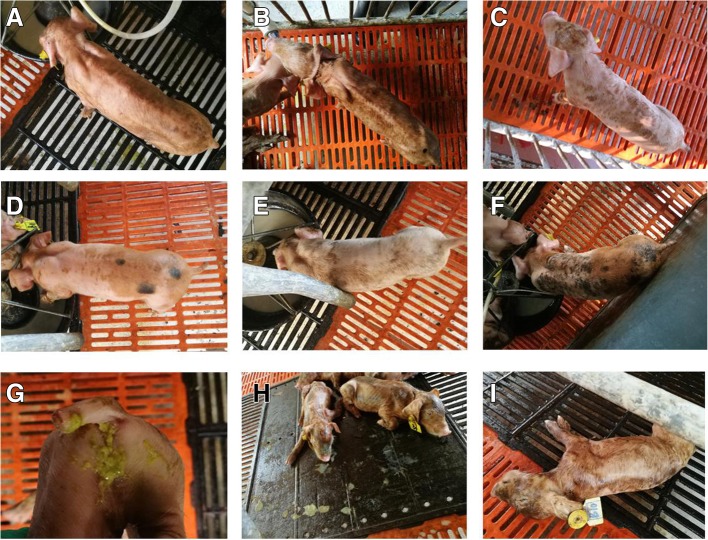
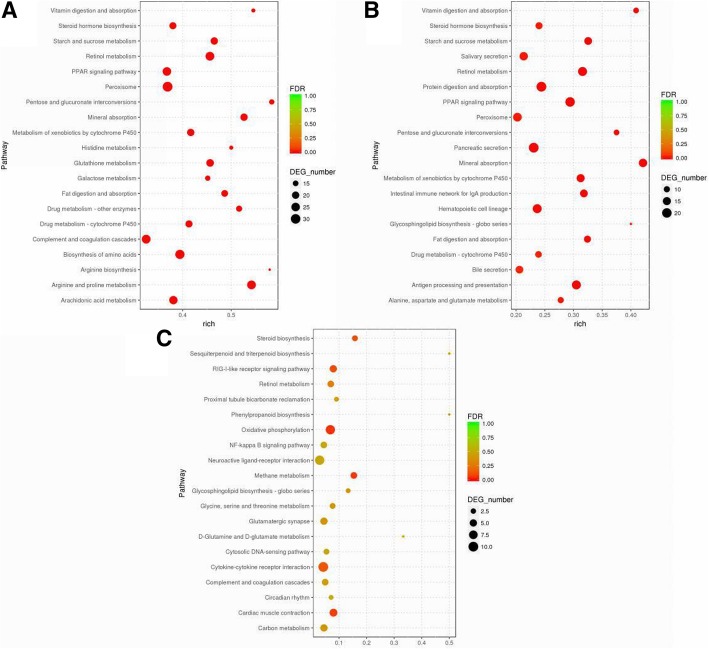
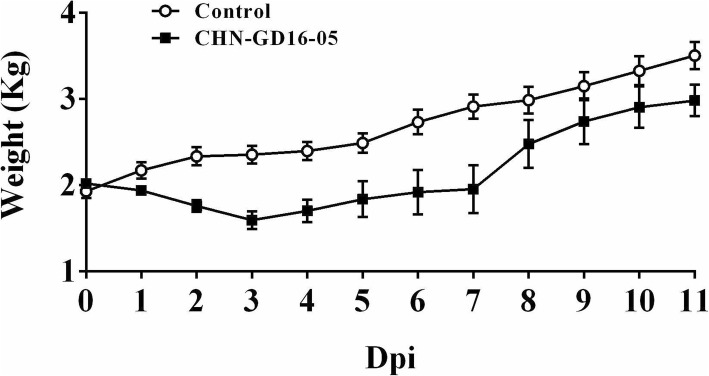
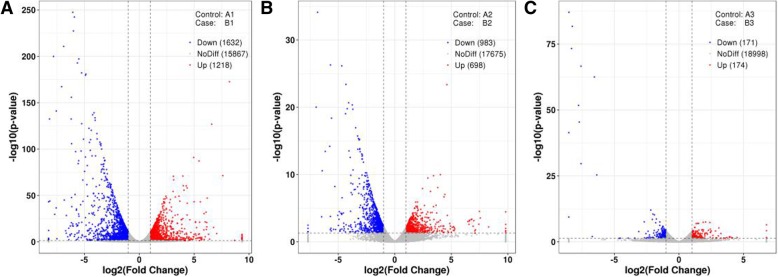
Twenty thousand six hundred seventy-four differentially expressed mRNAs were identified in 5-day-old piglets responded to PDCoV experimental infections. Many of these genes were correlated to the basic metabolism, such as the peroxisome proliferator-activated receptor (PPAR) signaling pathway which plays a critical role in digestion. At the same time, in the PPAR pathway genes of fatty acid-binding protein (FABP) family members were observed with remarkably differential expressions. The differential expressed genes were associated with appetite decrease and weight loss of PDCoV- affected piglets.
Fatty acid-binding protein 1 (FABP1) and fatty acid-binding protein 3 (FABP3) were found to be regulated by PDCoV. These two genes not only mediate fatty acid transportation to different cell organelles such as mitochondria, peroxisome, endoplasmic reticulum and nucleus, but also modulate fatty acid metabolism and storage as a signaling molecule outside the cell. Therefore, it can be preliminarily concluded that PPAR differential expression caused by PDCoV was mostly associated with weight loss and death from emaciation.
The host differentially expressed genes were associated with infection response, metabolism signaling and organismal systems signaling pathways. The genes of FABP family members in the PPAR signaling pathway were the most highly altered and played important roles in metabolism. Alteration of these genes were most likely the reason of weight loss and other clinical symptoms. Our results provided new insights into the metabolic mechanisms and pathogenesis of PDCoV infection.
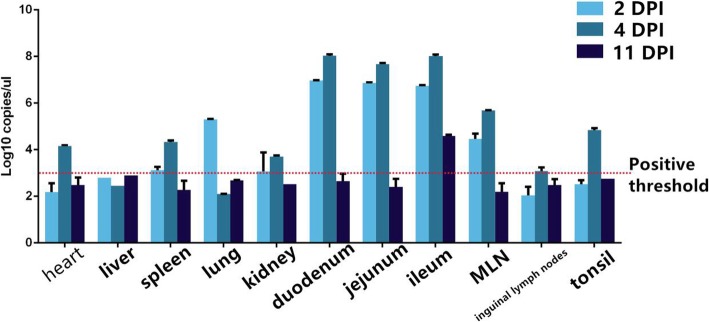
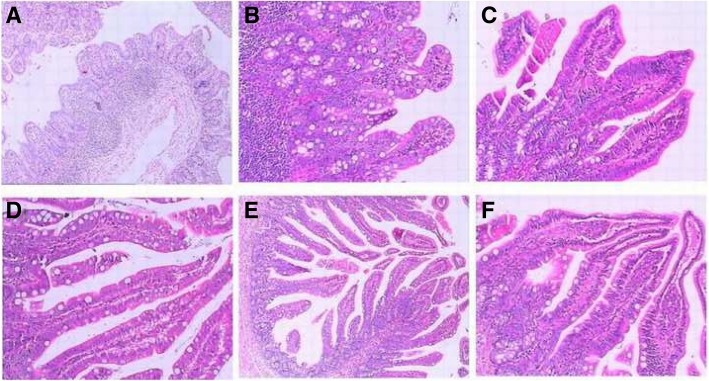
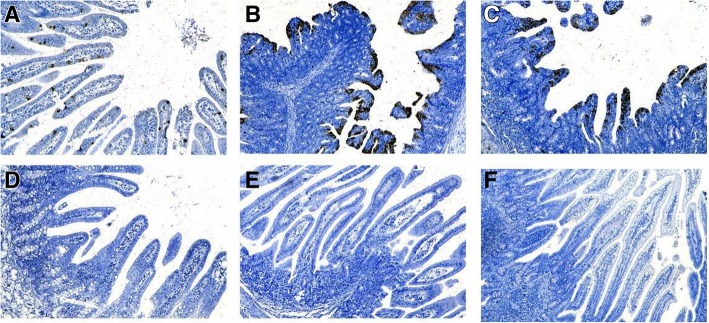
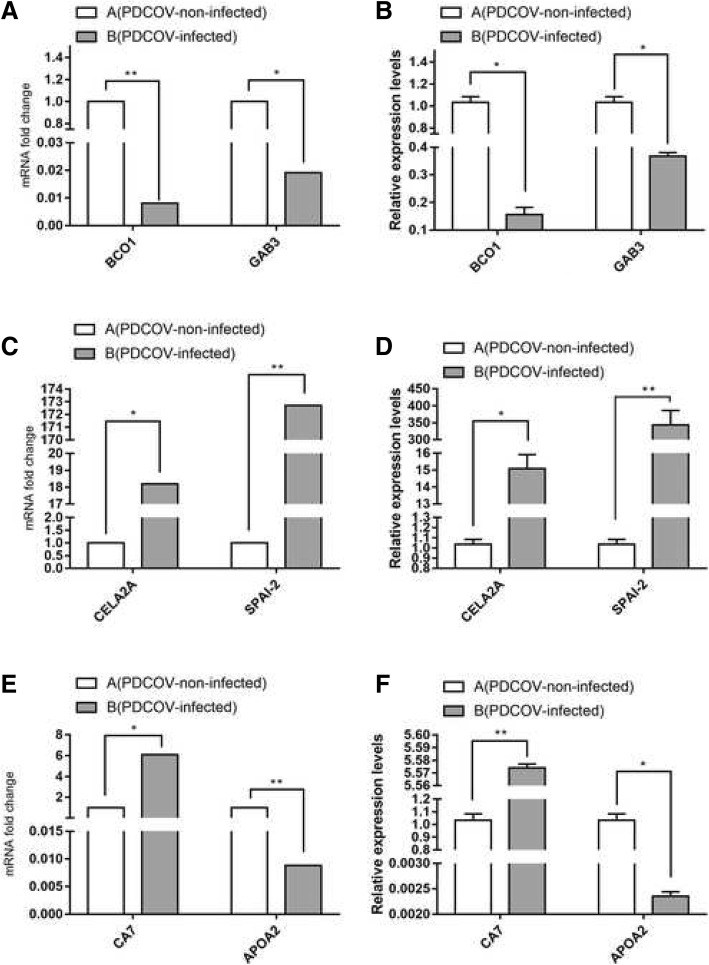
Animal experiment, Determination of viral growth by real-time RT-PCR, Histopathology, Immunohistochemical staining, Microarray analysis.
猪德尔塔冠状病毒(PDCoV)是一种可导致哺乳仔猪腹泻的新型冠状病毒。本研究旨在探讨宿主差异表达基因在PDCoV感染代谢途径中的作用。
在5日龄仔猪对PDCoV实验性感染的反应中,鉴定出26744个差异表达的mRNA。其中许多基因与基础代谢相关,如在消化中起关键作用的过氧化物酶体增殖物激活受体(PPAR)信号通路。同时,在PPAR通路中观察到脂肪酸结合蛋白(FABP)家族成员的基因有明显差异表达。这些差异表达基因与受PDCoV感染仔猪的食欲下降和体重减轻有关。
发现脂肪酸结合蛋白1(FABP1)和脂肪酸结合蛋白3(FABP3)受PDCoV调控。这两个基因不仅介导脂肪酸运输到不同细胞器,如线粒体、过氧化物酶体、内质网和细胞核,还作为细胞外信号分子调节脂肪酸代谢和储存。因此,可以初步得出结论,PDCoV引起的PPAR差异表达主要与体重减轻和消瘦死亡有关。
宿主差异表达基因与感染反应、代谢信号和机体系统信号通路相关。PPAR信号通路中FABP家族成员的基因变化最为显著,在代谢中起重要作用。这些基因的改变很可能是体重减轻和其他临床症状的原因。我们的研究结果为PDCoV感染的代谢机制和发病机制提供了新的见解。
动物实验、实时RT-PCR测定病毒生长、组织病理学、免疫组织化学染色、微阵列分析。