Department of Bioengineering, Imperial College London, London, UK.
J Anat. 2019 Jul;235(1):67-79. doi: 10.1111/joa.12994. Epub 2019 Apr 17.
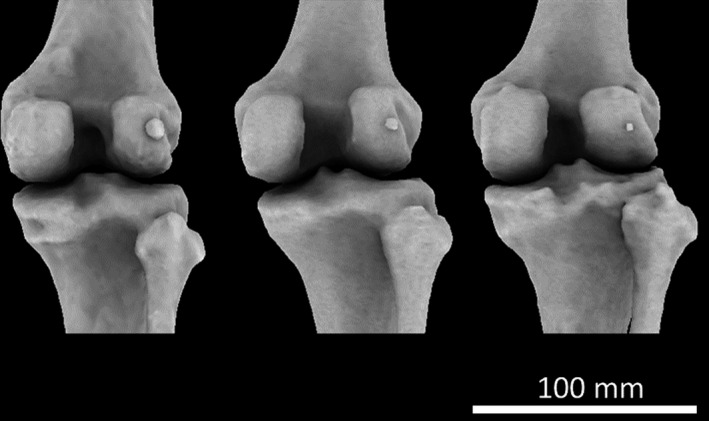
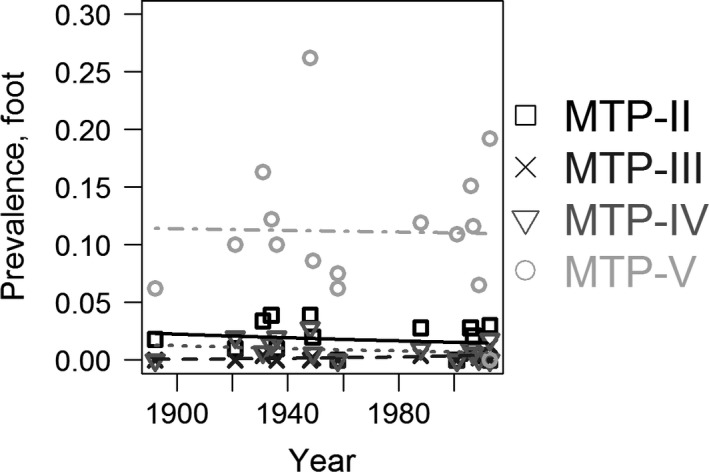
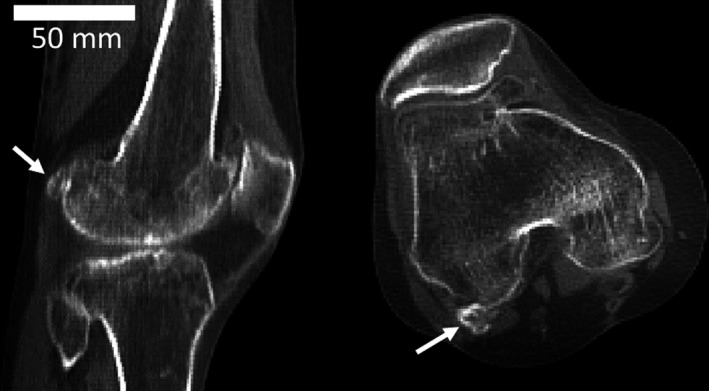
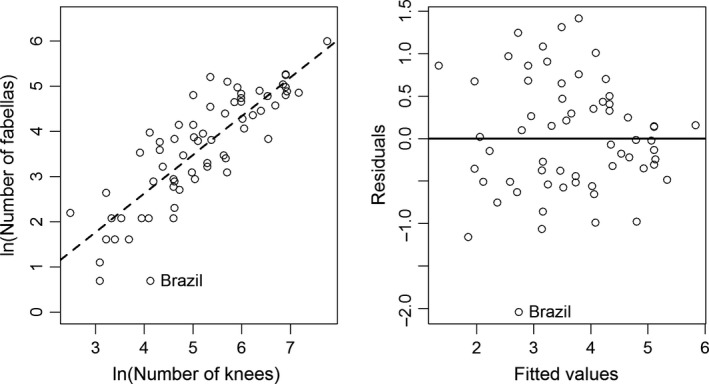
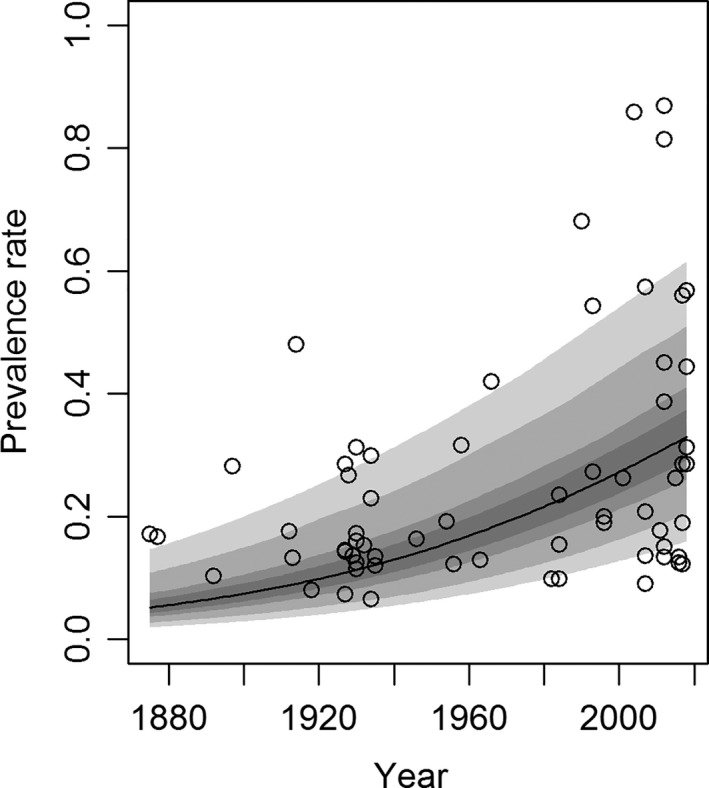
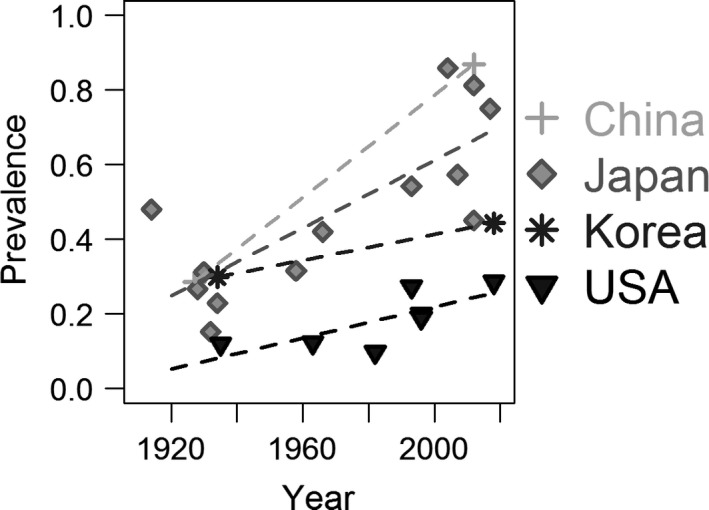
The fabella is a sesamoid bone located behind the lateral femoral condyle. It is common in non-human mammals, but the prevalence rates in humans vary from 3 to 87%. Here, we calculate the prevalence of the fabella in a Korean population and investigate possible temporal shifts in prevalence rate. A total of 52.83% of our individuals and 44.34% of our knees had fabellae detectable by computed tomography scanning. Men and women were equally likely to have a fabella, and bilateral cases (67.86%) were more common than unilateral ones (32.14%). Fabella presence was not correlated with height or age, although our sample did not include skeletally immature individuals. Our systematic review yielded 58 studies on fabella prevalence rate from 1875-2018 which met our inclusion criteria, one of which was an outlier. Intriguingly, a Bayesian mixed effects generalized linear model revealed a temporal shift in prevalence rates, with the median prevalence rate in 2000 (31.00%) being ~ 3.5 times higher than that in 1900 (7.64%). In all four countries with studies before and after 1960, higher rates were always found after 1960. Using data from two other systematic reviews, we found no increase in prevalence rates of 10 other sesamoid bones in the human body, indicating that the increase in fabella prevalence rate is unique. Fabella presence/absence is due to a combination of genetic and environmental factors: as the prevalence rates of other sesamoid bones have not changed in the last 100 years, we postulate the increase in fabella prevalence rate is due to an environmental factor. Namely, the global increase in human height and weight (due to improved nutrition) may have increased human tibial length and muscle mass. Increases in tibial length could lead to a larger moment arm acting on the knee and on the tendons crossing it. Coupled with the increased force from a larger gastrocnemius, this could produce the mechanical stimuli necessary to initiate fabella formation and/or ossification.
籽骨位于股骨外侧髁后面。它在非人类哺乳动物中很常见,但在人类中的流行率为 3%至 87%不等。在这里,我们计算了韩国人群中籽骨的流行率,并调查了流行率的可能时间变化。我们的个体中有 52.83%,我们的膝盖中有 44.34%通过计算机断层扫描可检测到籽骨。男性和女性发生籽骨的可能性相同,双侧病例(67.86%)比单侧病例(32.14%)更常见。籽骨的存在与身高或年龄无关,尽管我们的样本不包括骨骼未成熟的个体。我们的系统评价从 1875 年至 2018 年共获得了 58 项关于籽骨流行率的研究,其中一项为异常值。有趣的是,贝叶斯混合效应广义线性模型显示流行率存在时间变化,2000 年的中位数流行率(31.00%)比 1900 年(7.64%)高约 3.5 倍。在所有四个有 1960 年以前和以后研究的国家中,1960 年以后的发生率总是更高。使用来自另外两项系统评价的数据,我们发现人体其他 10 个籽骨的流行率没有增加,表明籽骨流行率的增加是独特的。籽骨的存在/不存在是遗传和环境因素共同作用的结果:由于过去 100 年中其他籽骨的流行率没有变化,我们推测籽骨流行率的增加是由于环境因素造成的。即,人类身高和体重的全球增长(由于营养改善)可能增加了胫骨长度和肌肉量。胫骨长度的增加可能导致作用于膝关节和穿过膝关节的肌腱的力矩臂增大。再加上腓肠肌的力增加,这可能产生启动籽骨形成和/或骨化所需的机械刺激。