Department of Pathology, The University of Chicago, Chicago, IL, USA.
Department of Medicine, Section of Hematology/Oncology, The University of Chicago, 5841 S. Maryland Ave., MC2115, Chicago, IL, 60637, USA.
J Immunother Cancer. 2019 Apr 17;7(1):108. doi: 10.1186/s40425-019-0574-4.
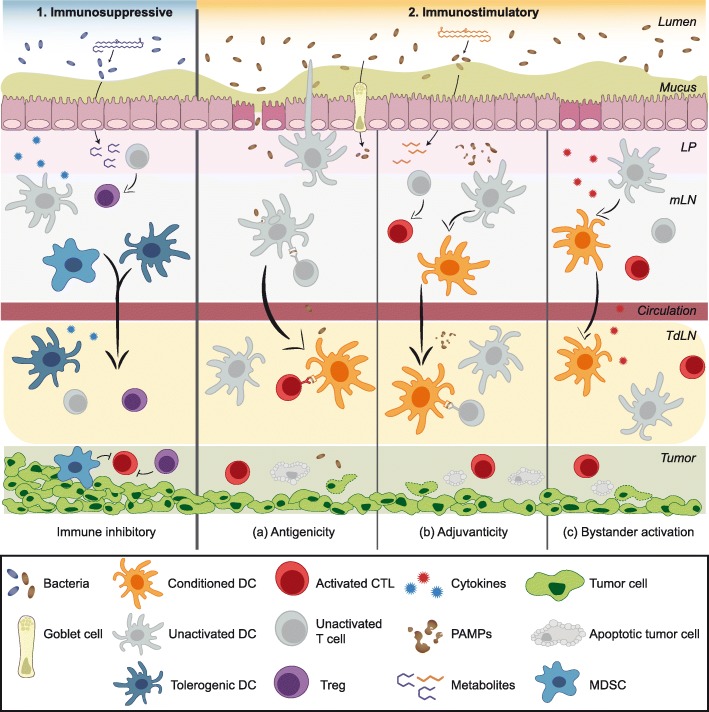
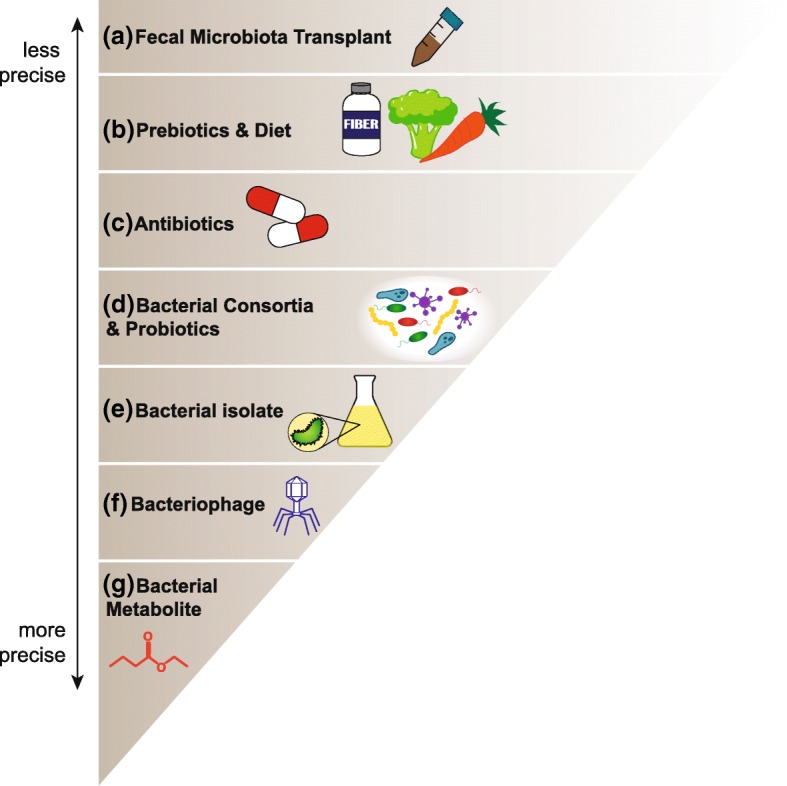
The activity of the commensal microbiota significantly impacts human health and has been linked to the development of many diseases, including cancer. Gnotobiotic animal models have shown that the microbiota has many effects on host physiology, including on the development and regulation of immune responses. More recently, evidence has indicated that the microbiota can more specifically influence the outcome of cancer immunotherapy. Therapeutic interventions to optimize microbiota composition to improve immunotherapy outcomes have shown promise in mouse studies. Ongoing endeavors are translating these pre-clinical findings to early stage clinical testing. In this review we summarize 1) basic methodologies and considerations for studies of host-microbiota interactions; 2) experimental evidence towards a causal link between gut microbiota composition and immunotherapeutic efficacy; 3) possible mechanisms governing the microbiota-mediated impact on immunotherapy efficacy. Moving forward, there is need for a deeper understanding of the underlying biological mechanisms that link specific bacterial strains to host immunity. Integrating microbiome effects with other tumor and host factors regulating immunotherapy responsiveness versus resistance could facilitate optimization of therapeutic outcomes.
共生微生物群落的活性对人类健康有重大影响,并与许多疾病的发展有关,包括癌症。无菌动物模型表明,微生物群落对宿主生理有许多影响,包括对免疫反应的发育和调节。最近的证据表明,微生物群可以更具体地影响癌症免疫治疗的结果。优化微生物群落组成以改善免疫治疗结果的治疗干预措施在小鼠研究中显示出前景。正在进行的努力将这些临床前发现转化为早期临床测试。在这篇综述中,我们总结了 1)研究宿主-微生物群相互作用的基本方法和注意事项;2)肠道微生物群落组成与免疫治疗疗效之间因果关系的实验证据;3) 控制微生物群对免疫治疗疗效影响的可能机制。展望未来,需要更深入地了解将特定细菌菌株与宿主免疫联系起来的潜在生物学机制。将微生物组的影响与其他肿瘤和宿主因素整合起来,调节免疫治疗的反应性与耐药性,有助于优化治疗结果。