Dept of Surgery, SUNY Upstate Medical University, Syracuse, NY, USA.
Dept of Trauma Critical Care Medicine, R Adams Cowley Shock Trauma Center, University of Maryland School of Medicine, Baltimore, MD, USA.
Eur Respir Rev. 2019 Apr 17;28(152). doi: 10.1183/16000617.0126-2018. Print 2019 Jun 30.
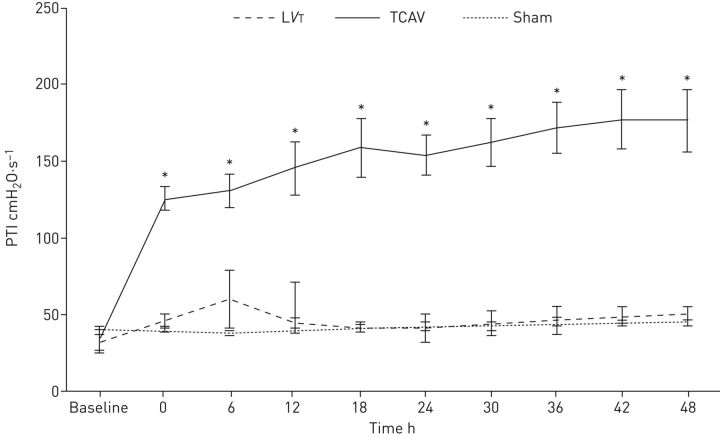
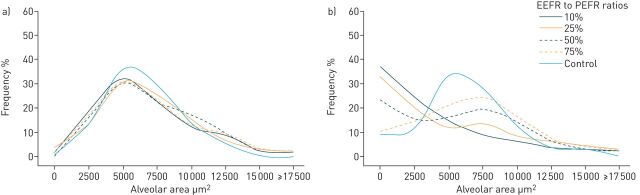
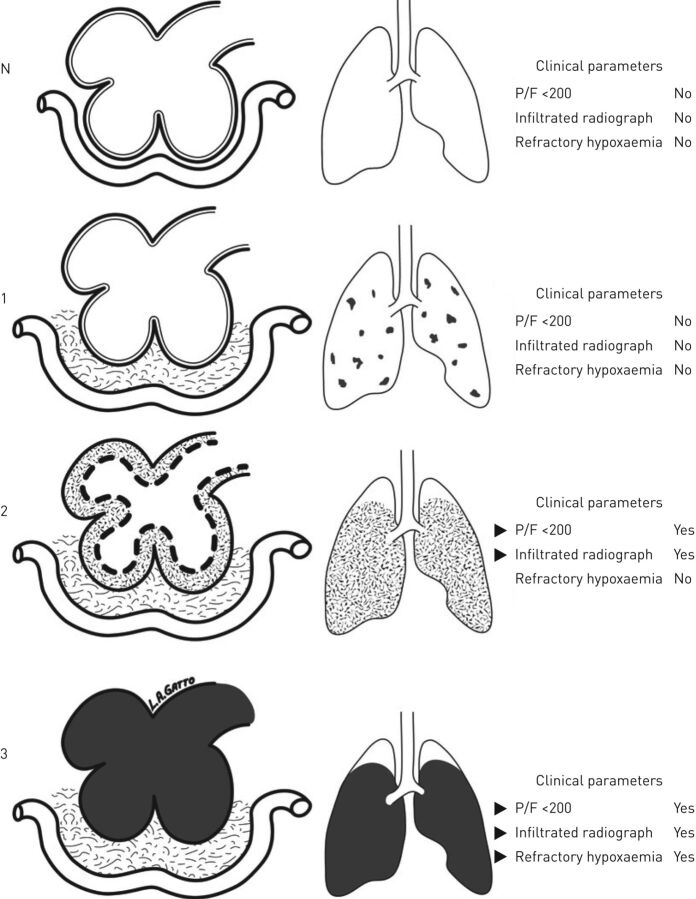
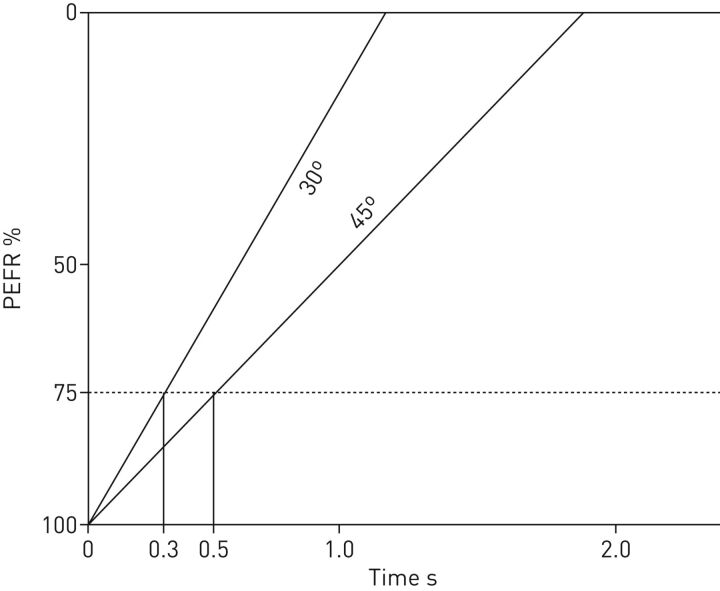
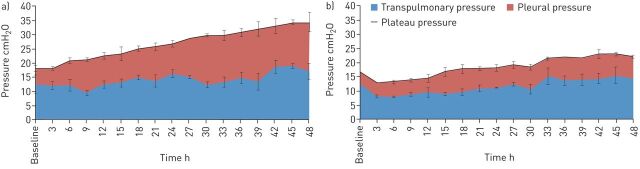
Airway pressure release ventilation (APRV) is a ventilator mode that has previously been considered a rescue mode, but has gained acceptance as a primary mode of ventilation. In clinical series and experimental animal models of extrapulmonary acute respiratory distress syndrome (ARDS), the early application of APRV was able to prevent the development of ARDS. Recent experimental evidence has suggested mechanisms by which APRV, using the time-controlled adaptive ventilation (TCAV) protocol, may reduce lung injury, including: 1) an improvement in alveolar recruitment and homogeneity; 2) reduction in alveolar and alveolar duct micro-strain and stress-risers; 3) reduction in alveolar tidal volumes; and 4) recruitment of the chest wall by combating increased intra-abdominal pressure. This review examines these studies and discusses our current understanding of the pleiotropic mechanisms by which TCAV protects the lung. APRV set according to the TCAV protocol has been misunderstood and this review serves to highlight the various protective physiological and mechanical effects it has on the lung, so that its clinical application may be broadened.
气道压力释放通气(APRV)是一种通气模式,以前被认为是一种抢救模式,但已被接受为主要通气模式。在肺外急性呼吸窘迫综合征(ARDS)的临床系列和实验动物模型中,早期应用 APRV 能够预防 ARDS 的发生。最近的实验证据表明,APRV 通过使用时间控制适应性通气(TCAV)方案,可以减轻肺损伤,包括:1)改善肺泡募集和均一性;2)降低肺泡和肺泡管微应变和应力升高;3)降低肺泡潮气量;4)通过对抗腹内压升高来募集胸壁。这篇综述检查了这些研究,并讨论了我们目前对 TCAV 保护肺的多效机制的理解。根据 TCAV 方案设置的 APRV 被误解了,本综述旨在强调它对肺具有的各种保护生理和机械作用,以便扩大其临床应用。