Yang Yibao, Ji Ping, Wang Xuan, Zhou Hao, Wu Junlu, Quan Wenqing, Shang Anquan, Sun Junjun, Gu Chenzheng, Firrman Jenni, Xiao Weidong, Sun Zujun, Li Dong
Department of Clinical Laboratory, Shanghai Tongji Hospital, Tongji University School of Medicine, Shanghai, China.
Department of Pharmacy, Putuo People's Hospital, Shanghai, China.
Front Oncol. 2019 Apr 2;9:197. doi: 10.3389/fonc.2019.00197. eCollection 2019.
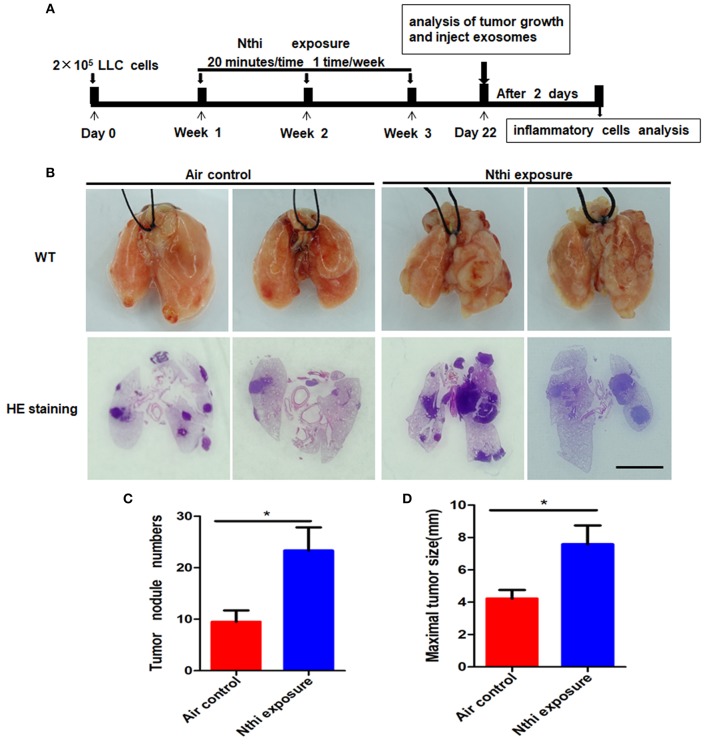
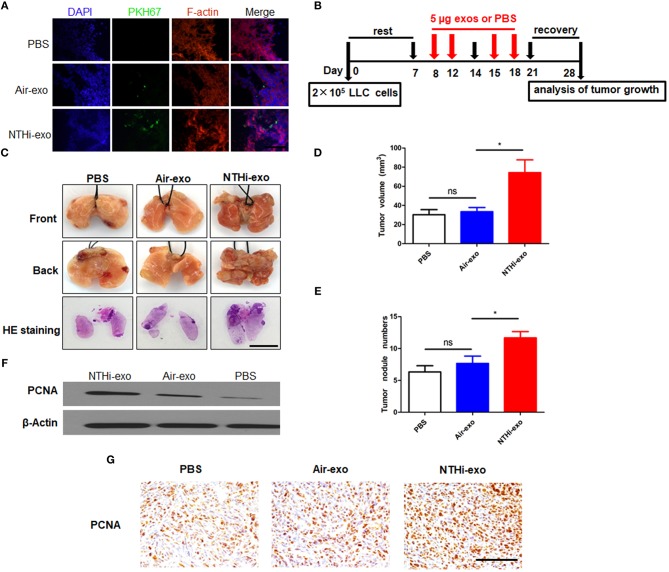
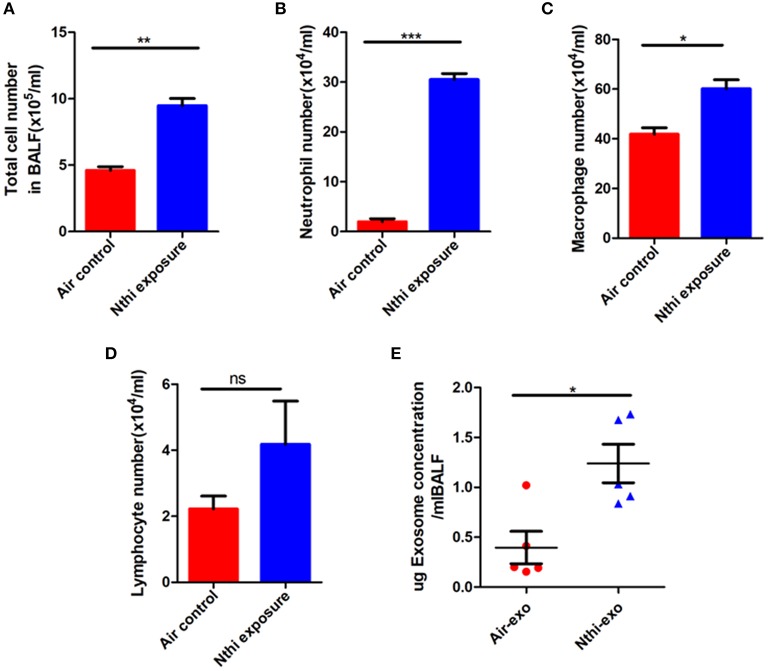
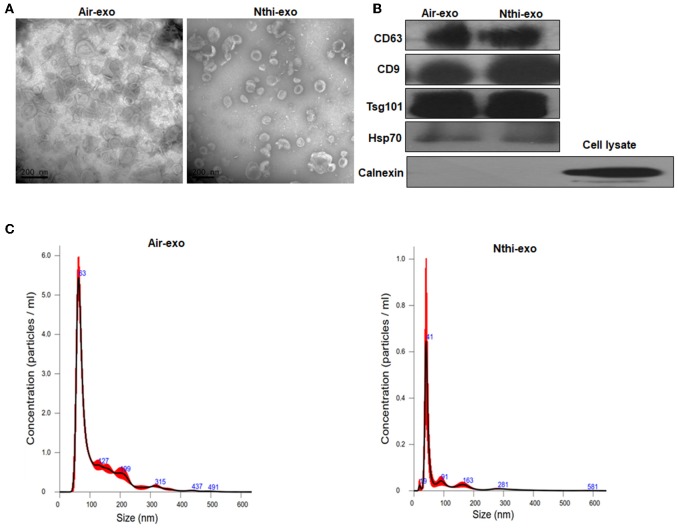
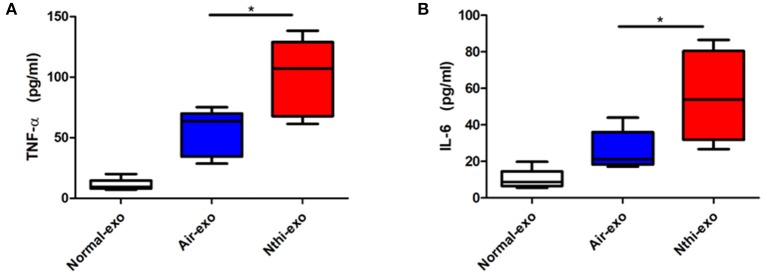
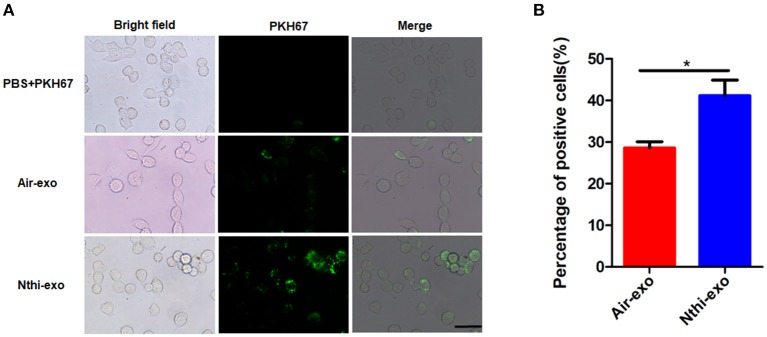
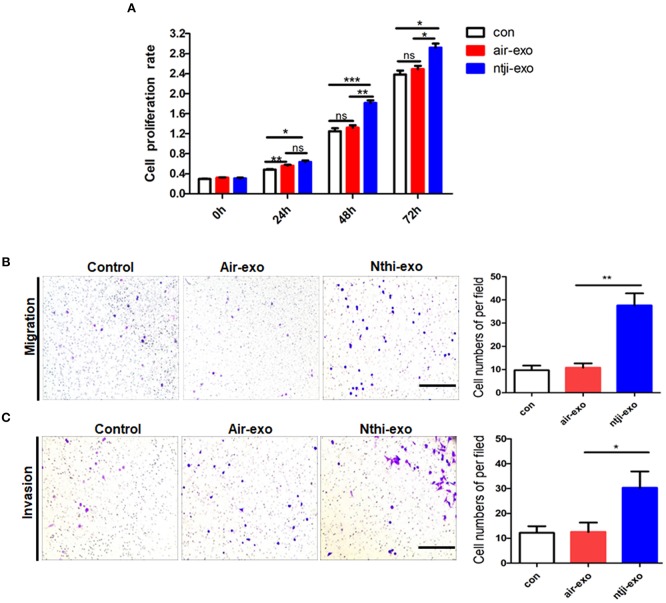
Exosomes are nanovesicles produced by a number of different cell types and regarded as important mediators of cell-to-cell communication. Although bronchoalveolar lavage fluid (BALF) has been shown to be involved in the development of tumors, its role in lung cancer (LC) remains unclear. In this article, we systemically studied BALF-derived exosomes in LC. C57BL/6 mice were injected with Lewis lung carcinoma cells and exposed to non-typeable (NTHi) lysate. The analysis showed that the growth of lung tumors in these mice was significantly enhanced compared with the control cohort (only exposure to air). Characterization of the exosomes derived from mouse BALF demonstrated elevated levels of tumor necrosis factor alpha and interleukin-6 in mice exposed to NTHi lysates. Furthermore, abnormal BALF-derived exosomes facilitated the development of LC and . The internalization of the BALF-derived exosomes contributed to the development of LC tumors. Collectively, our data demonstrated that exosomes in BALF are a key factor involved in the growth and progression of lung cancer.
外泌体是由多种不同细胞类型产生的纳米囊泡,被视为细胞间通讯的重要介质。尽管支气管肺泡灌洗液(BALF)已被证明与肿瘤的发生发展有关,但其在肺癌(LC)中的作用仍不清楚。在本文中,我们系统地研究了肺癌中BALF来源的外泌体。将Lewis肺癌细胞注射到C57BL/6小鼠体内,并使其暴露于不可分型(NTHi)裂解物中。分析表明,与对照组(仅暴露于空气)相比,这些小鼠的肺肿瘤生长明显增强。对小鼠BALF来源的外泌体进行表征发现,暴露于NTHi裂解物的小鼠中肿瘤坏死因子α和白细胞介素-6水平升高。此外,异常的BALF来源的外泌体促进了肺癌的发生发展。BALF来源的外泌体的内化作用促进了肺癌肿瘤的发展。总体而言,我们的数据表明,BALF中的外泌体是参与肺癌生长和进展的关键因素。