Goldshtein Matan, Shamir Stav, Vinogradov Ekaterina, Monsonego Alon, Cohen Smadar
Avram and Stella Goldstein-Goren Department of Biotechnology Engineering, Ben-Gurion University of the Negev, Beer-Sheva 8410501, Israel.
Shraga Segal Department of Microbiology, Immunology, and Genetics, Faculty of Health Sciences, The National Institute of Biotechnology in the Negev, and Zlotowski Center for Neuroscience, Ben-Gurion University of the Negev, Beer-Sheva 8410501, Israel.
Mol Ther Nucleic Acids. 2019 Jun 7;16:378-390. doi: 10.1016/j.omtn.2019.03.006. Epub 2019 Mar 28.
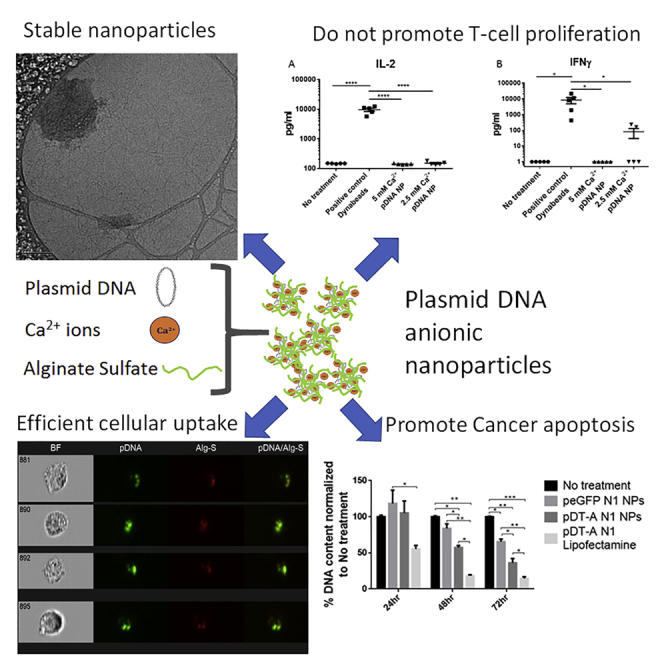
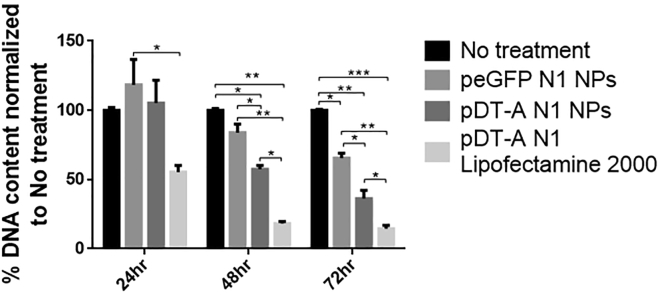
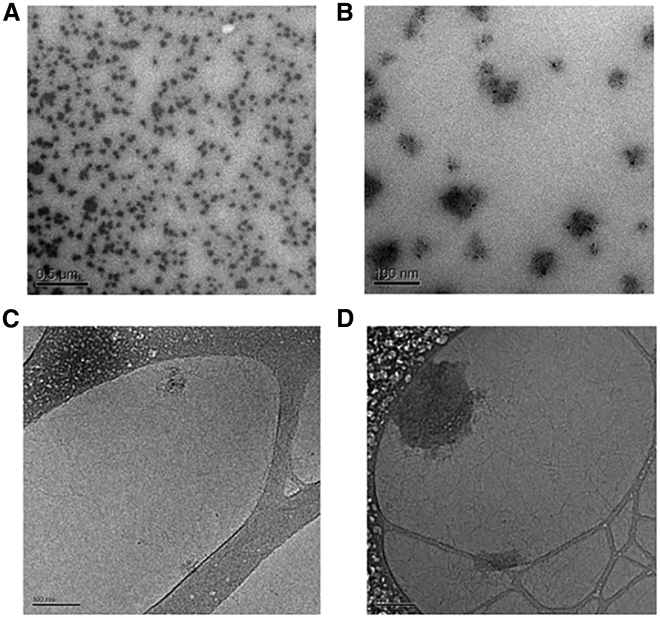
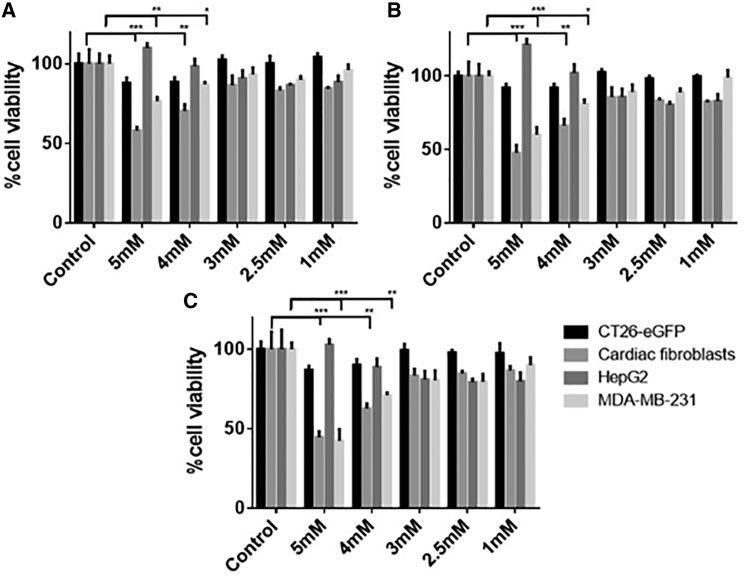
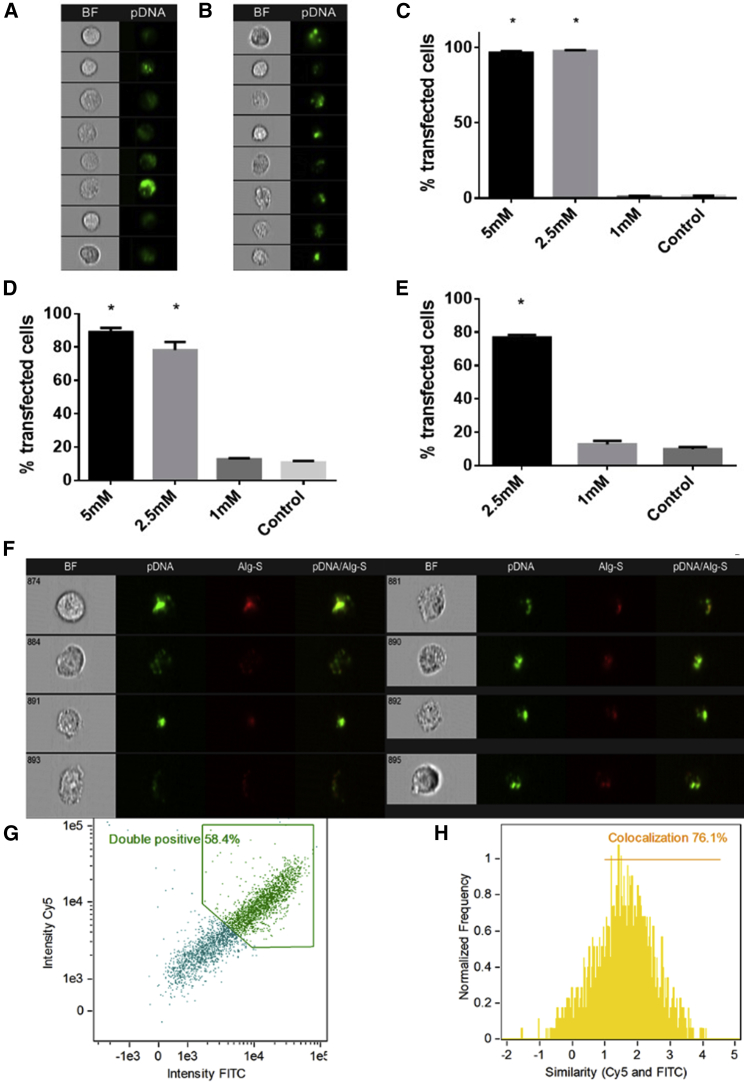
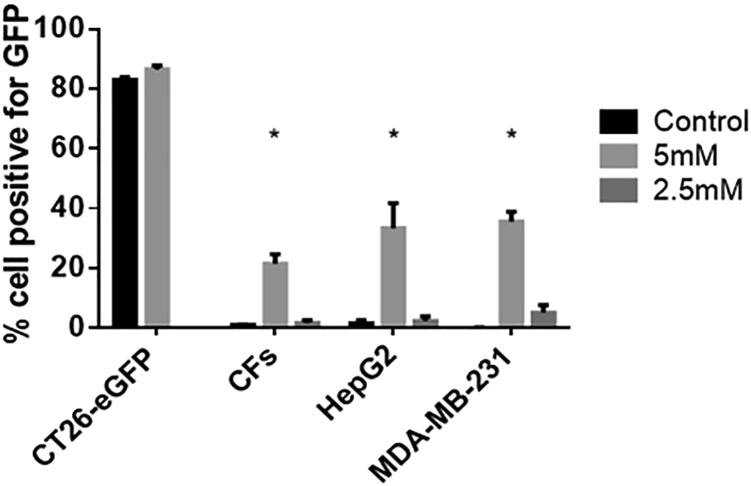
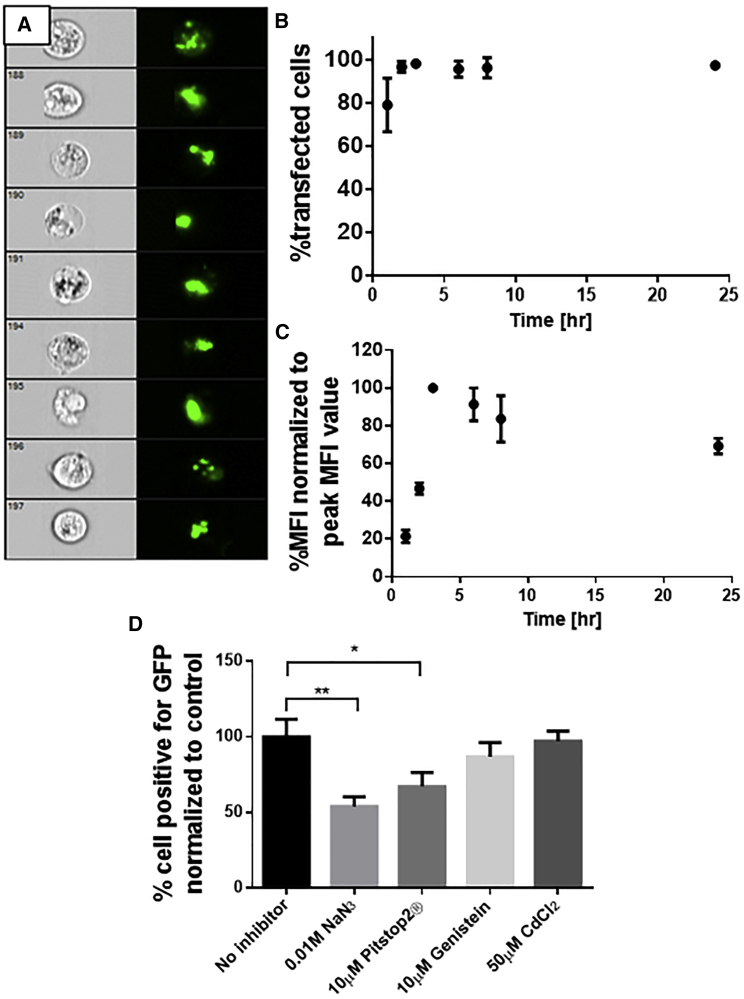
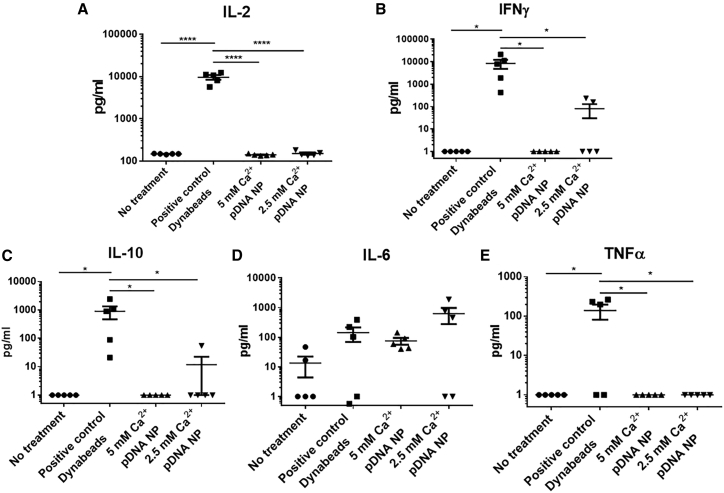
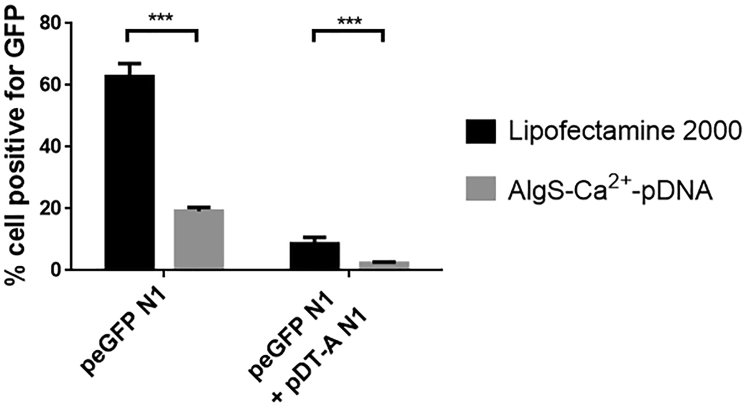
Successful gene therapy requires the development of suitable carriers for the selective and efficient delivery of genes to specific target cells, with minimal toxicity. In this work, we present a non-viral vector for gene delivery composed of biocompatible materials, CaCl, plasmid DNA and the semi-synthetic anionic biopolymer alginate sulfate (AlgS), which spontaneously co-assembled to form nanoparticles (NPs). The NPs were characterized with a slightly anionic surface charge (Zeta potential [ζ] = -14 mV), an average size of 270 nm, and their suspension was stable for several days with no aggregation. X-ray photoelectron spectroscopy (XPS) validated their ternary composition, and it elucidated the molecular interactions among Ca, the plasmid DNA, and the AlgS. Efficient cellular uptake (>80%), associated with potent GFP gene expression (22%-35%), was observed across multiple cell types: primary rat neonatal cardiac fibroblasts, human breast cancer cell line, and human hepatocellular carcinoma cells. The uptake mechanism of the NPs was studied using imaging flow cytometry and shown to be via active, clathrin-mediated endocytosis, as chemical inhibition of this pathway significantly reduced EGFP expression. The NPs were cytocompatible and did not activate the T lymphocytes in human peripheral blood mononuclear cells. Proof of concept for the efficacy of these NPs as a carrier in cancer gene therapy was demonstrated for Diphtheria Toxin Fragment A (DT-A), resulting in abrogation of protein synthesis and cell death in the human breast cancer cell line. Collectively, our results show that the developed AlgS-Ca-plasmid DNA (pDNA) NPs may be used as an effective non-viral carrier for pDNA.
成功的基因治疗需要开发合适的载体,以便将基因选择性且高效地递送至特定靶细胞,同时毒性最小。在本研究中,我们展示了一种用于基因递送的非病毒载体,它由生物相容性材料、氯化钙、质粒DNA和半合成阴离子生物聚合物硫酸藻酸盐(AlgS)组成,这些成分自发共组装形成纳米颗粒(NPs)。这些纳米颗粒的特征为表面电荷略带阴离子性(ζ电位 = -14 mV),平均尺寸为270 nm,其悬浮液在数天内稳定且无聚集。X射线光电子能谱(XPS)验证了它们的三元组成,并阐明了钙、质粒DNA和AlgS之间的分子相互作用。在多种细胞类型中均观察到高效的细胞摄取(>80%),伴随着强大的绿色荧光蛋白(GFP)基因表达(22%-35%):原代大鼠新生心脏成纤维细胞、人乳腺癌细胞系和人肝癌细胞。使用成像流式细胞术研究了纳米颗粒的摄取机制,结果表明其通过主动的、网格蛋白介导的内吞作用,因为对该途径的化学抑制显著降低了增强型绿色荧光蛋白(EGFP)的表达。这些纳米颗粒具有细胞相容性,且不会激活人外周血单个核细胞中的T淋巴细胞。对于白喉毒素片段A(DT-A),证明了这些纳米颗粒作为癌症基因治疗载体的有效性概念,导致人乳腺癌细胞系中的蛋白质合成被废除和细胞死亡。总体而言,我们的结果表明,所开发的AlgS-钙-质粒DNA(pDNA)纳米颗粒可作为pDNA的有效非病毒载体。