Biomedical and Cell Therapy Research Laboratory, Department of Biomedical Engineering and Artificial Cells and organs Research Center, Faculty of Medicine, McGill University, Montreal, Canada.
PLoS One. 2019 Apr 22;14(4):e0214985. doi: 10.1371/journal.pone.0214985. eCollection 2019.
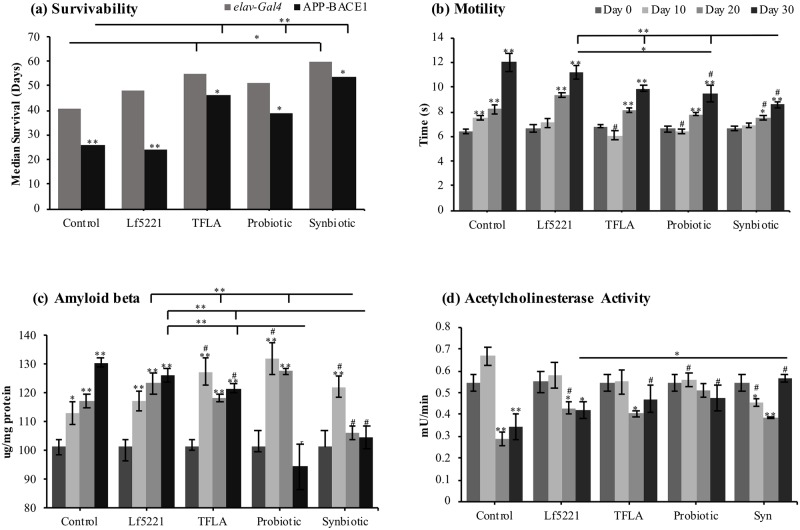
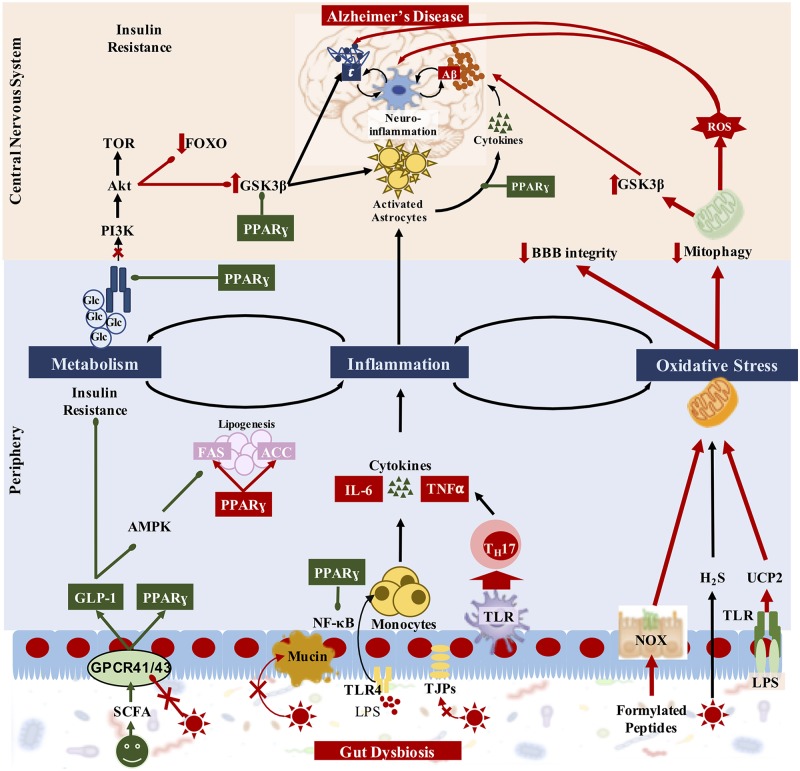
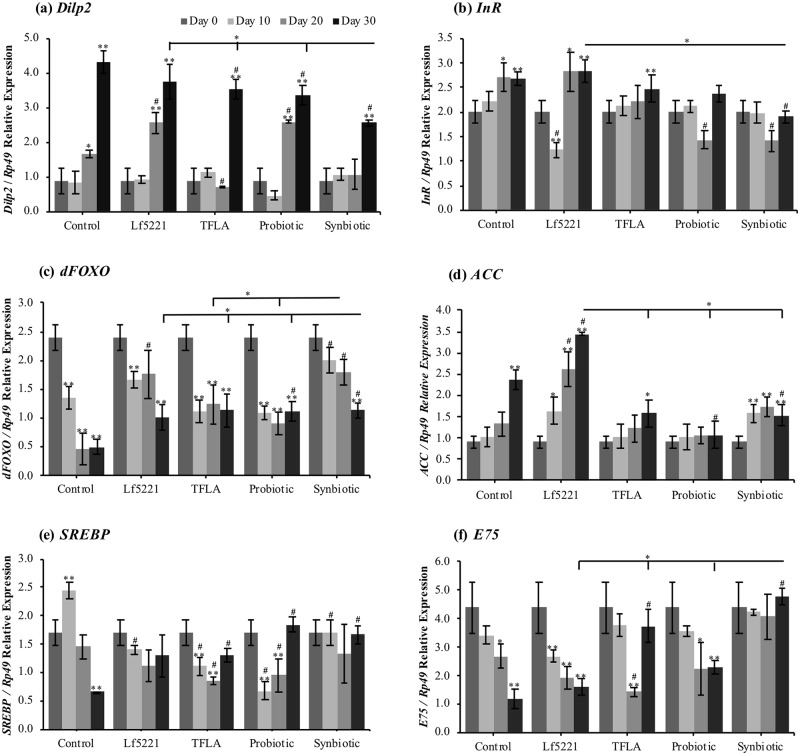
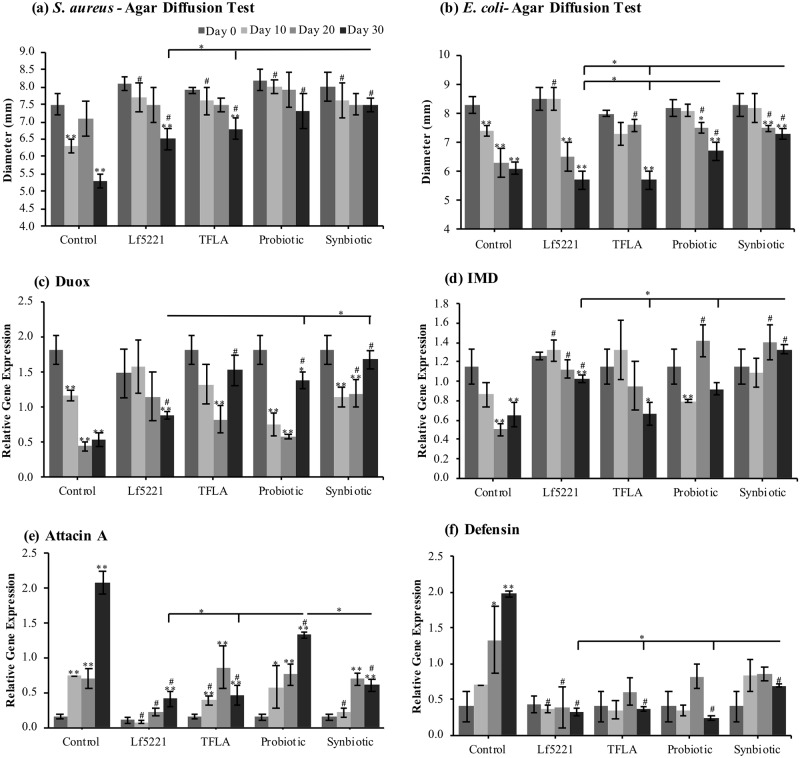
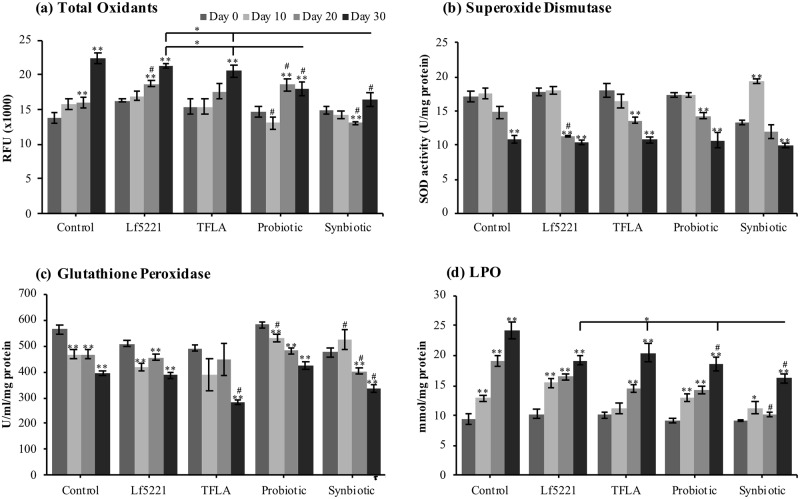
The gut-brain-axis (GBA) describing the bidirectional communication between the gut microbiota and brain was recently implicated in Alzheimer's disease (AD). The current study describes a novel synbiotic containing three metabolically active probiotics and a novel polyphenol-rich prebiotic which has beneficial impacts on the onset and progression of AD. In a transgenic humanized Drosophila melanogaster model of AD, the synbiotic increased survivability and motility and rescued amyloid beta deposition and acetylcholinesterase activity. Such drastic effects were due to the synbiotic's combinatorial action on GBA signaling pathways including metabolic stability, immune signaling, oxidative and mitochondrial stress possibly through pathways implicating PPARγ. Overall, this study shows that the therapeutic potential of GBA signaling is best harnessed in a synbiotic that simultaneously targets multiple risk factors of AD.
肠道-大脑轴(GBA)描述了肠道微生物群和大脑之间的双向通讯,最近与阿尔茨海默病(AD)有关。本研究描述了一种含有三种代谢活性益生菌和一种新型富含多酚的益生元的新型共生体,对 AD 的发病和进展有有益影响。在 AD 的转基因人源化黑腹果蝇模型中,共生体提高了存活率和运动能力,并挽救了淀粉样β沉积和乙酰胆碱酯酶活性。这种剧烈的影响是由于共生体对 GBA 信号通路的组合作用,包括代谢稳定性、免疫信号、氧化和线粒体应激,可能通过涉及 PPARγ 的途径。总的来说,这项研究表明,GBA 信号的治疗潜力最好通过同时针对 AD 多种风险因素的共生体来实现。