Fredi Giulia, Dirè Sandra, Callone Emanuela, Ceccato Riccardo, Mondadori Francesco, Pegoretti Alessandro
Department of Industrial Engineering and INSTM research unit, University of Trento, Via Sommarive 9, 38123 Trento, Italy.
"Klaus Müller" Magnetic Resonance Lab., Department of Industrial Engineering, University of Trento, via Sommarive 9, 38123 Trento, Italy.
Materials (Basel). 2019 Apr 19;12(8):1286. doi: 10.3390/ma12081286.
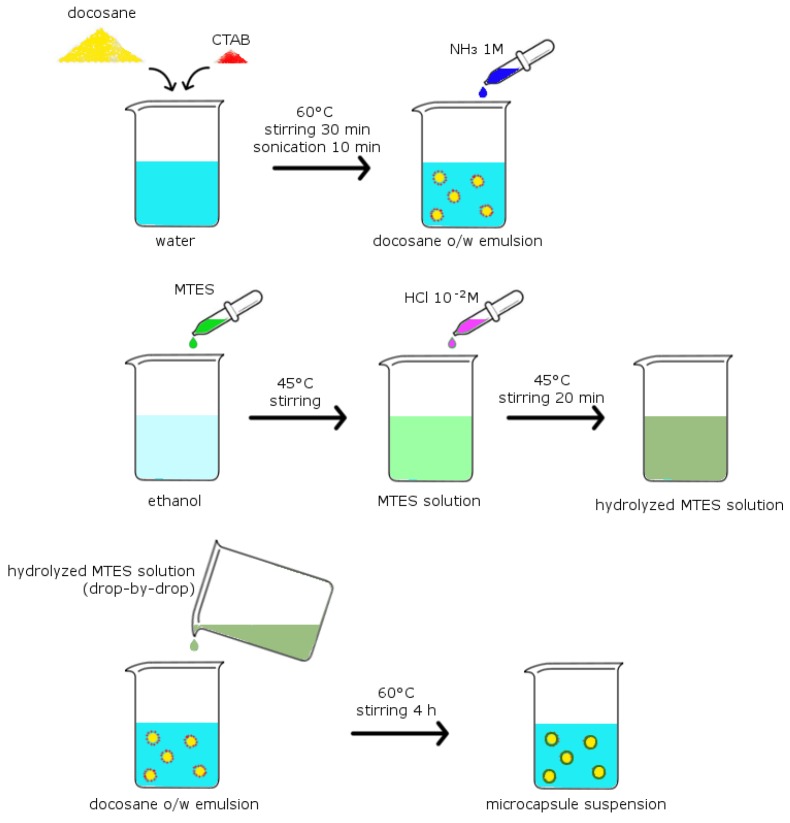
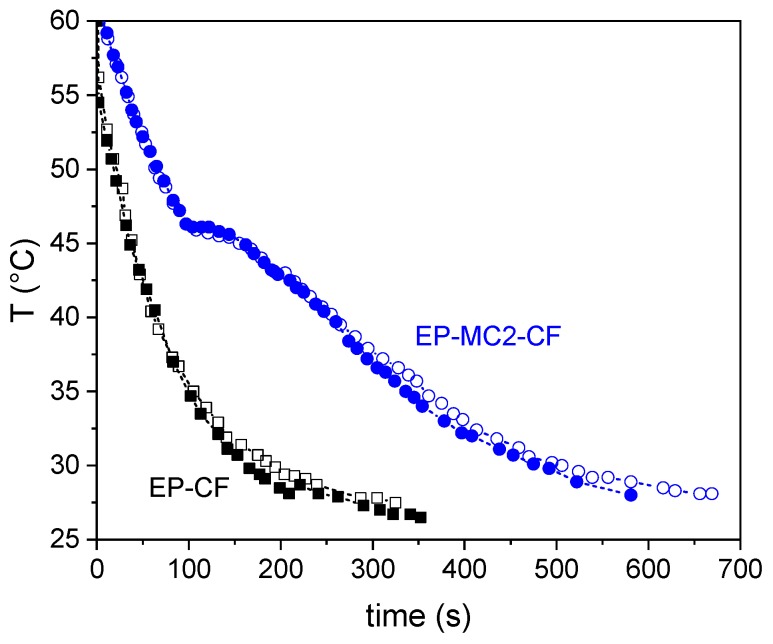
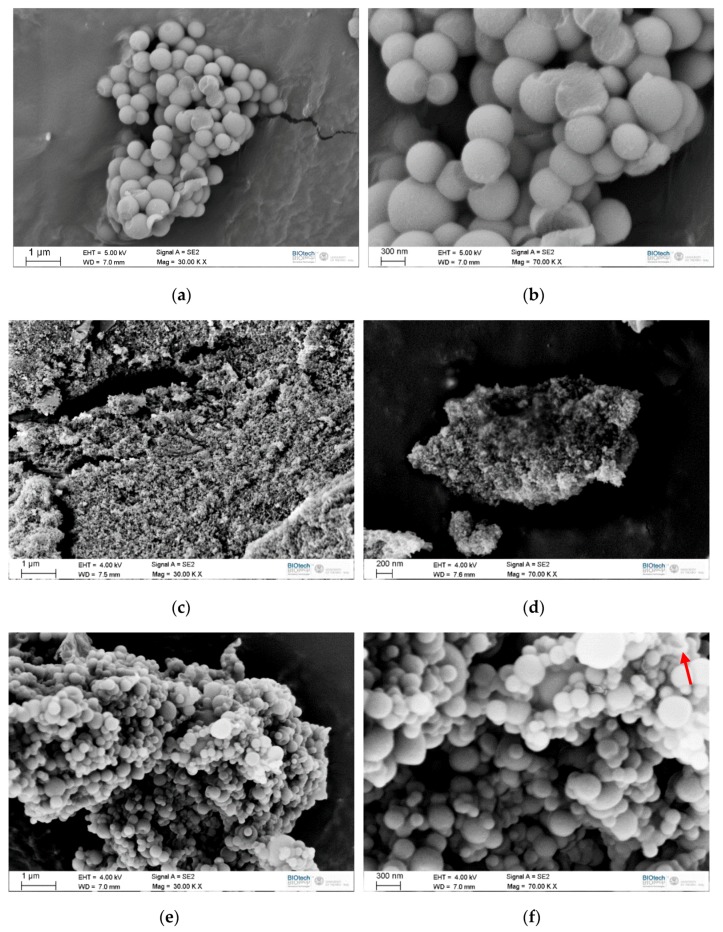
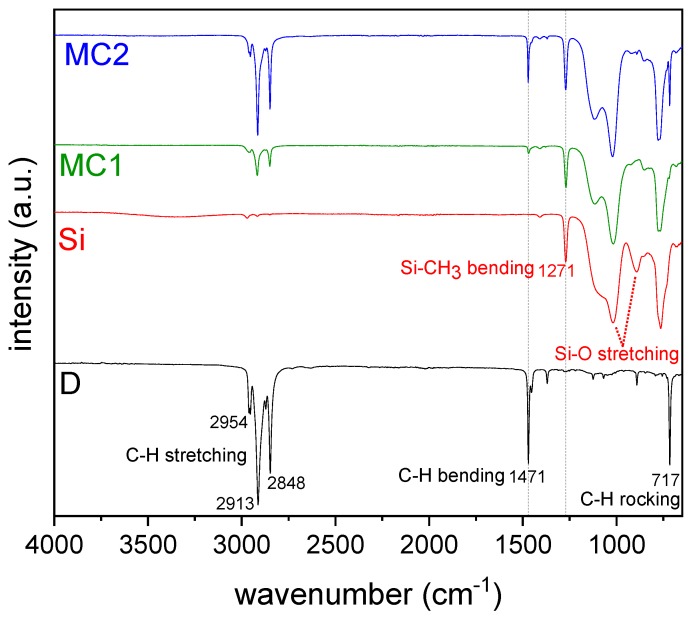
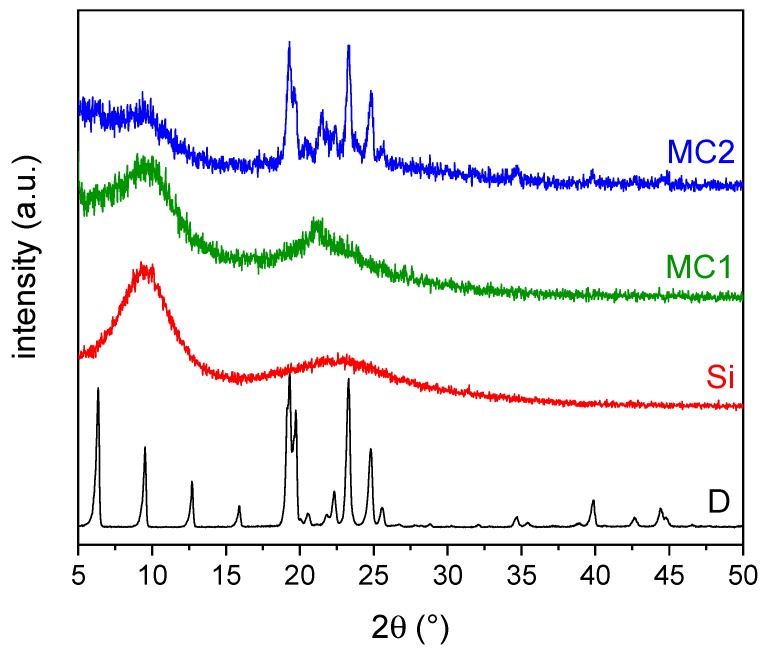
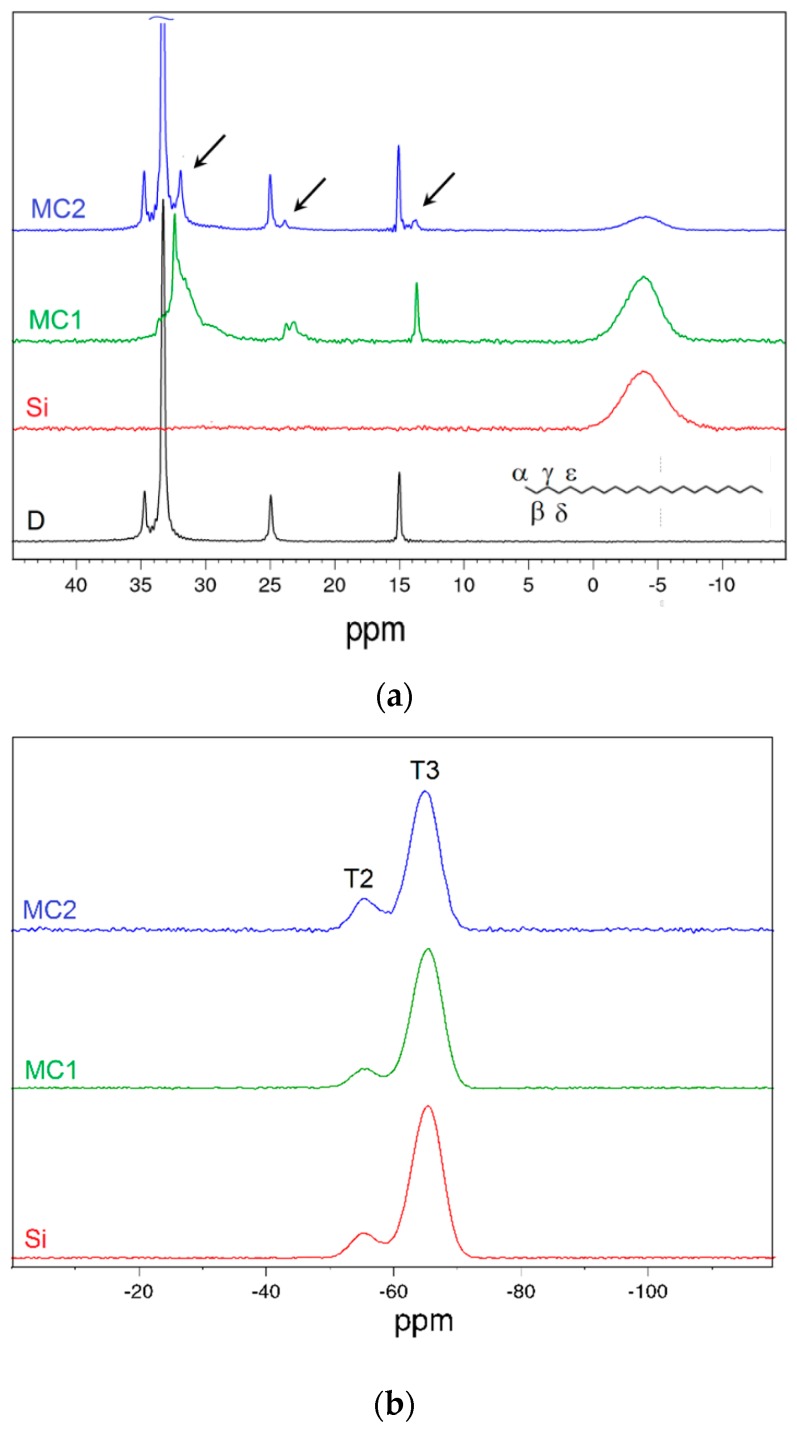
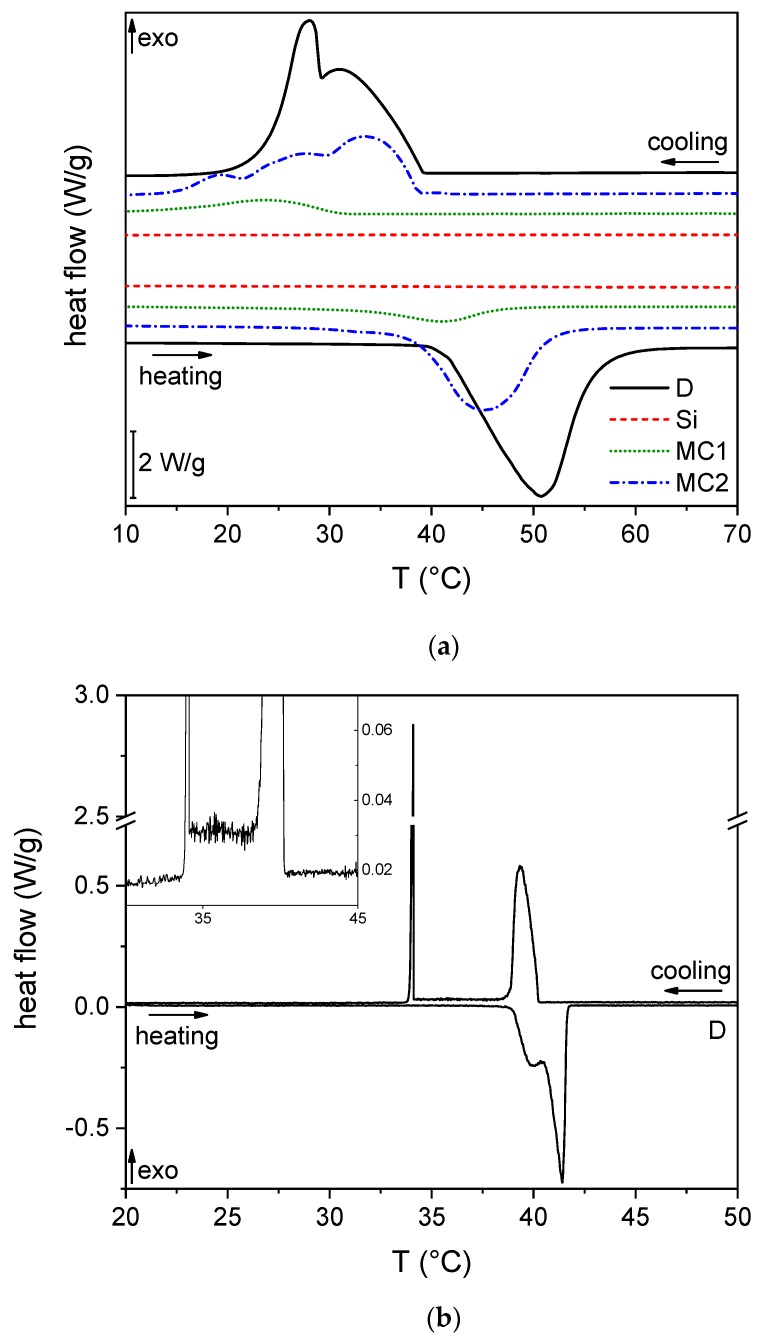
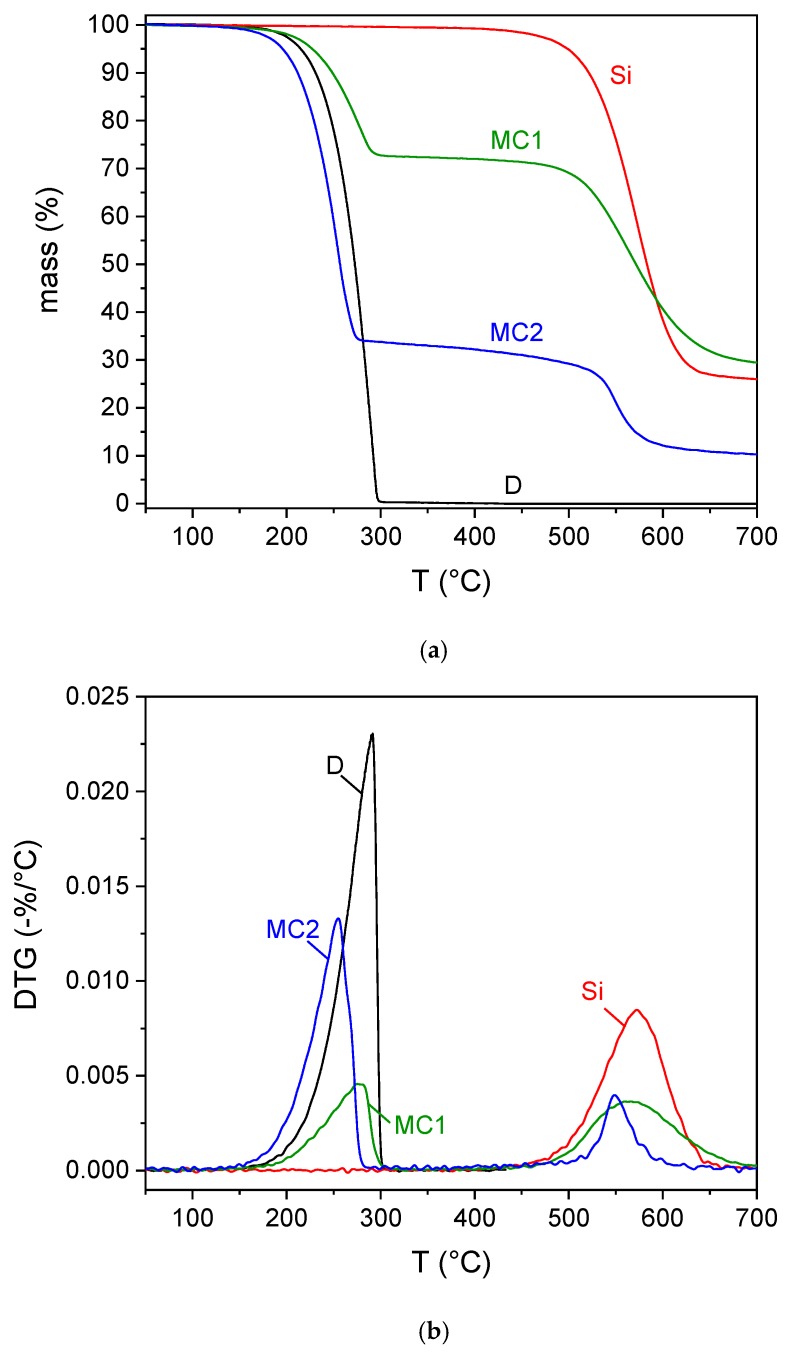
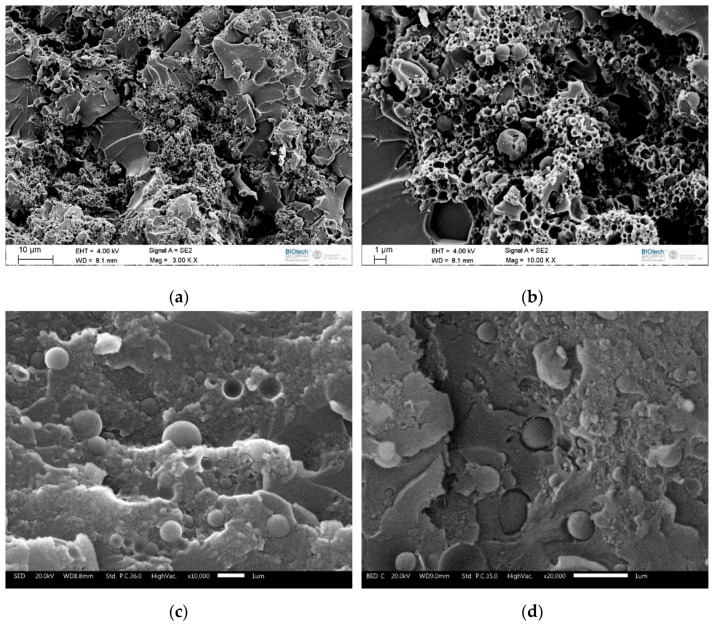
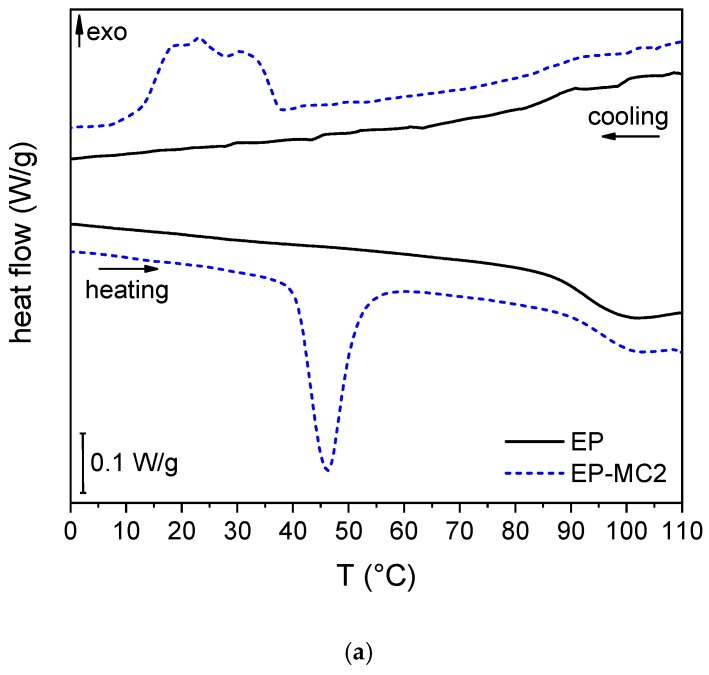
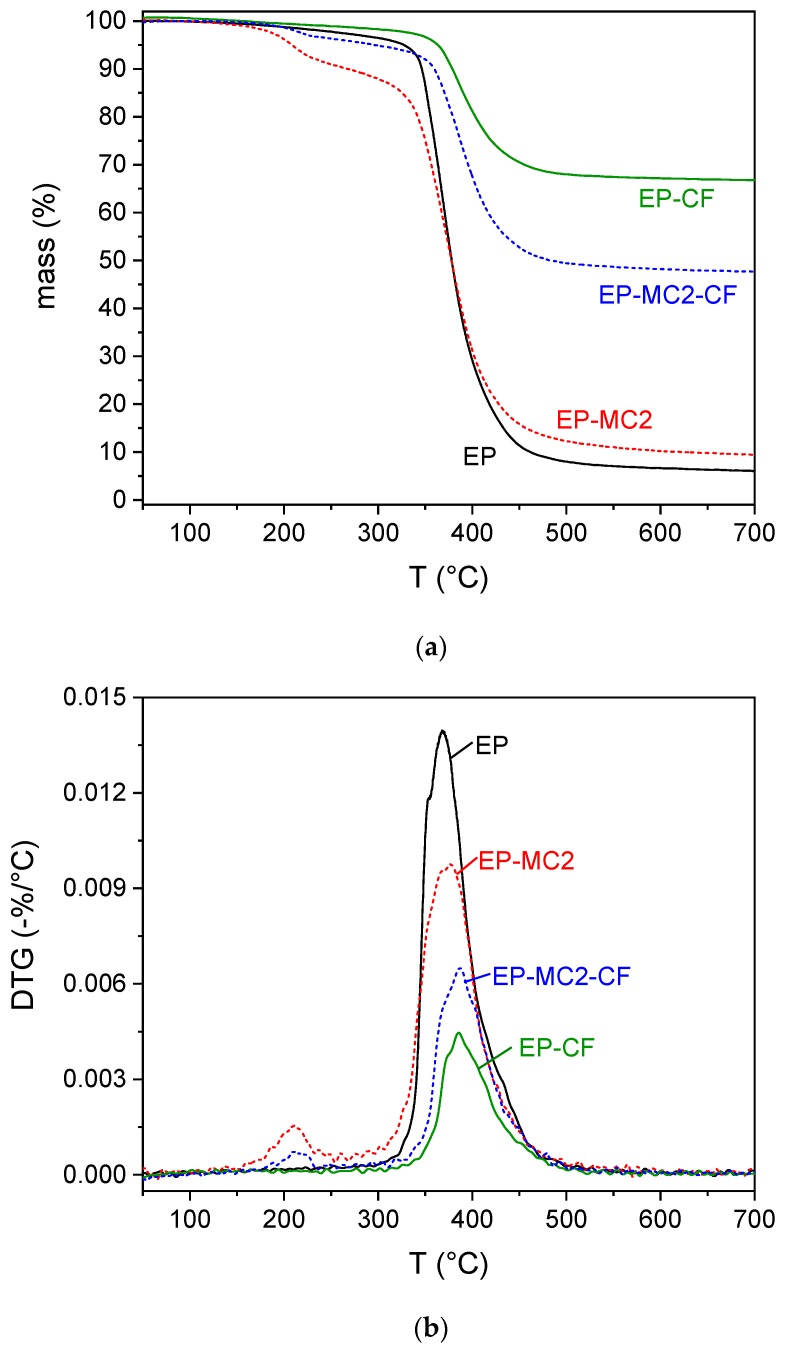
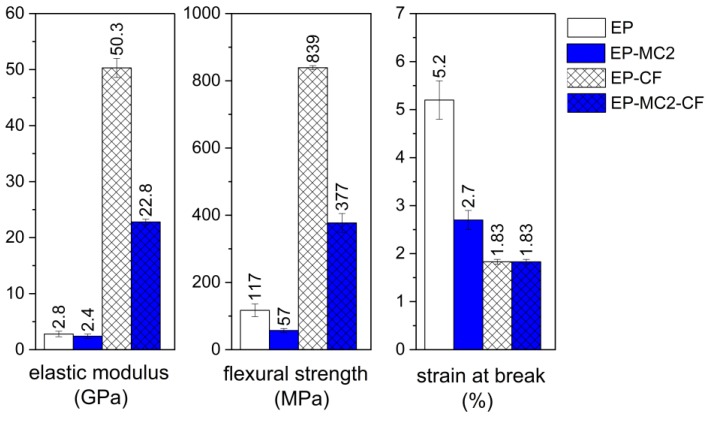
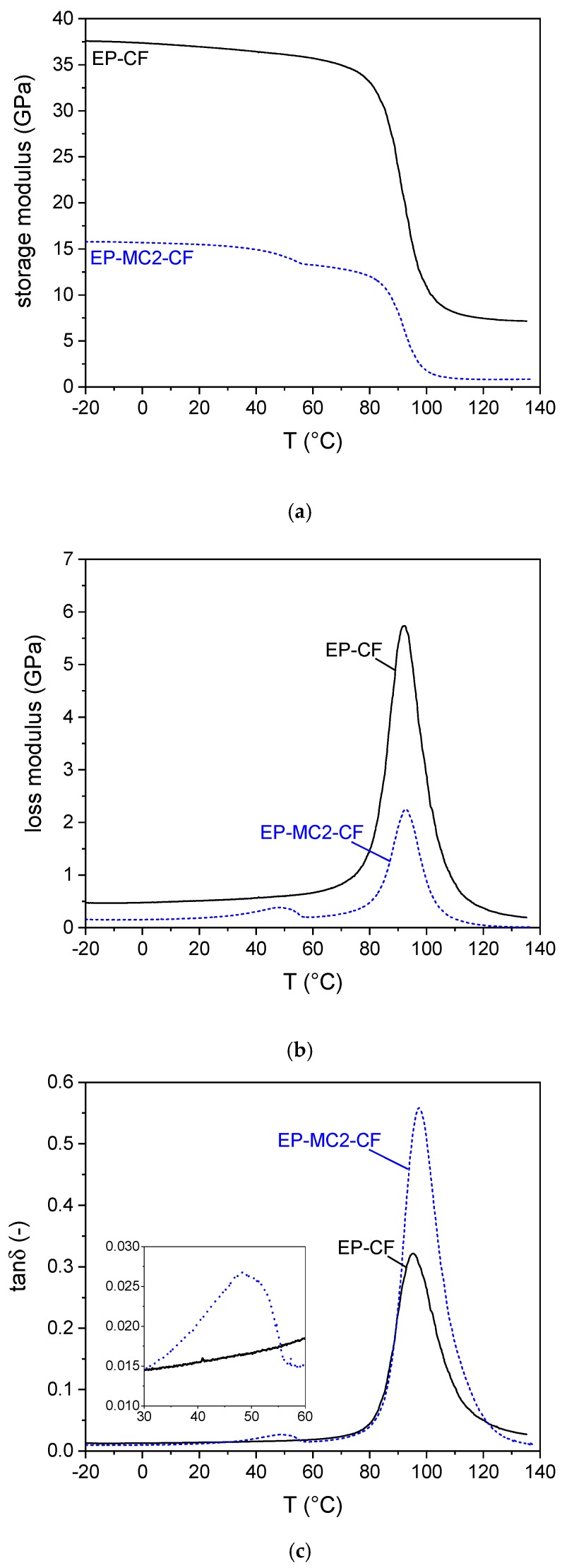
Organic phase change materials (PCMs) represent an effective solution to manage intermittent energy sources as the solar thermal energy. This work aims at encapsulating docosane in organosilica shells and at dispersing the produced capsules in epoxy/carbon laminates to manufacture multifunctional structural composites for thermal energy storage (TES). Microcapsules of different sizes were prepared by hydrolysis-condensation of methyltriethoxysilane (MTES) in an oil-in-water emulsion. X-ray diffraction (XRD) highlighted the difference in the crystalline structure of pristine and microencapsulated docosane, and C solid-state nuclear magnetic resonance (NMR) evidenced the influence of microcapsules size on the shifts of the representative docosane signals, as a consequence of confinement effects, i.e., reduced chain mobility and interaction with the inner shell walls. A phase change enthalpy up to 143 J/g was determined via differential scanning calorimetry (DSC) on microcapsules, and tests at low scanning speed emphasized the differences in the crystallization behavior and allowed the calculation of the phase change activation energy of docosane, which increased upon encapsulation. Then, the possibility of embedding the microcapsules in an epoxy resin and in an epoxy/carbon laminate to produce a structural TES composite was investigated. The presence of microcapsules agglomerates and the poor capsule-epoxy adhesion, both evidenced by scanning electron microscopy (SEM), led to a decrease in the mechanical properties, as confirmed by three-point bending tests. Dynamic mechanical analysis (DMA) highlighted that the storage modulus decreased by 15% after docosane melting and that the glass transition temperature of the epoxy resin was not influenced by the PCM. The heat storage/release properties of the obtained laminates were proved through DSC and thermal camera imaging tests.
有机相变材料(PCM)是管理间歇性能源(如太阳能热能)的有效解决方案。这项工作旨在将二十二烷封装在有机硅壳中,并将制备的胶囊分散在环氧/碳层压板中,以制造用于热能存储(TES)的多功能结构复合材料。通过在水包油乳液中水解缩合甲基三乙氧基硅烷(MTES)制备了不同尺寸的微胶囊。X射线衍射(XRD)突出了原始二十二烷和微胶囊化二十二烷晶体结构的差异,而碳固体核磁共振(NMR)证明了微胶囊尺寸对代表性二十二烷信号位移的影响,这是由于限制效应,即链迁移率降低以及与内壳壁的相互作用。通过差示扫描量热法(DSC)测定微胶囊的相变焓高达143 J/g,低扫描速度下的测试强调了结晶行为的差异,并允许计算二十二烷的相变活化能,该活化能在封装后增加。然后,研究了将微胶囊嵌入环氧树脂和环氧/碳层压板中以生产结构TES复合材料的可能性。扫描电子显微镜(SEM)证实存在微胶囊团聚体以及微胶囊与环氧树脂的粘附性差,导致力学性能下降,三点弯曲试验也证实了这一点。动态力学分析(DMA)突出显示,二十二烷熔化后储能模量下降了15%,并且环氧树脂的玻璃化转变温度不受PCM的影响。通过DSC和热成像相机测试证明了所得层压板的储热/放热性能。