Fortuniak Witold, Slomkowski Stanislaw, Chojnowski Julian, Kurjata Jan, Tracz Adam, Mizerska Urszula
Center of Molecular and Macromolecular Studies, Polish Academy of Sciences, Sienkiewicza 112, 90-363 Łódź, Poland.
Colloid Polym Sci. 2013 Mar;291(3):725-733. doi: 10.1007/s00396-012-2782-z. Epub 2012 Sep 7.
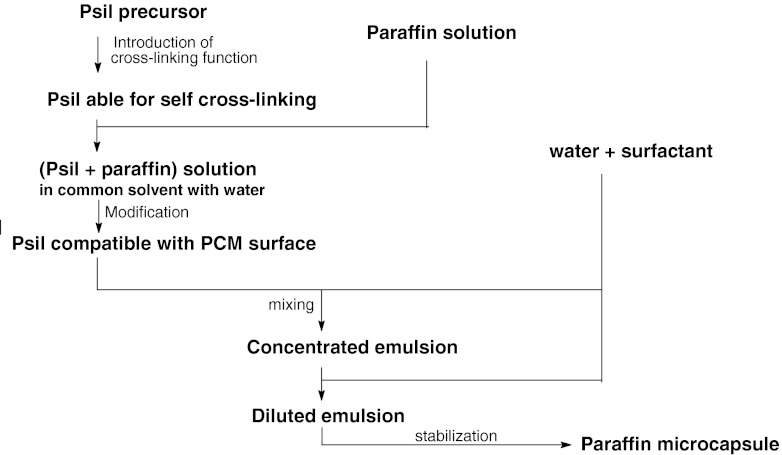
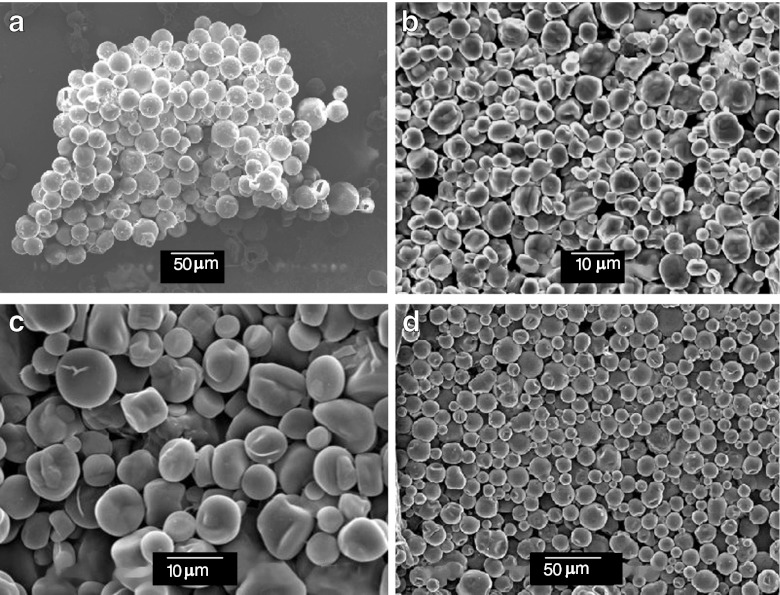
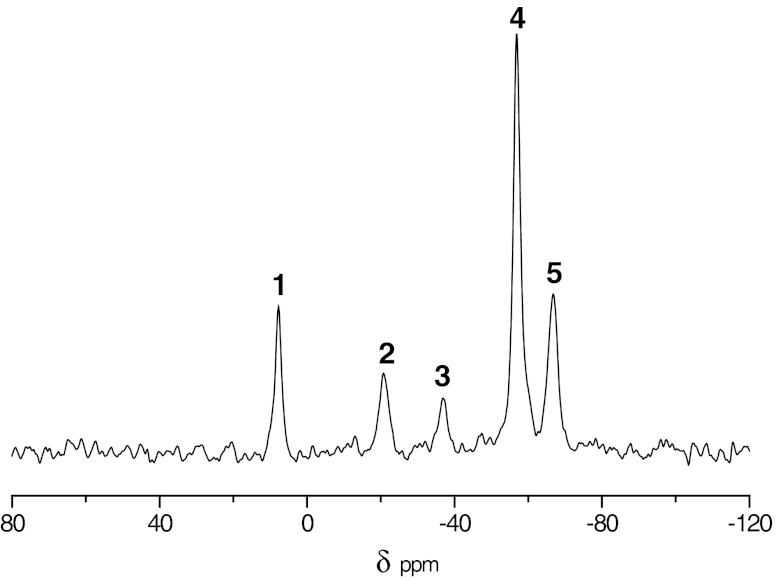
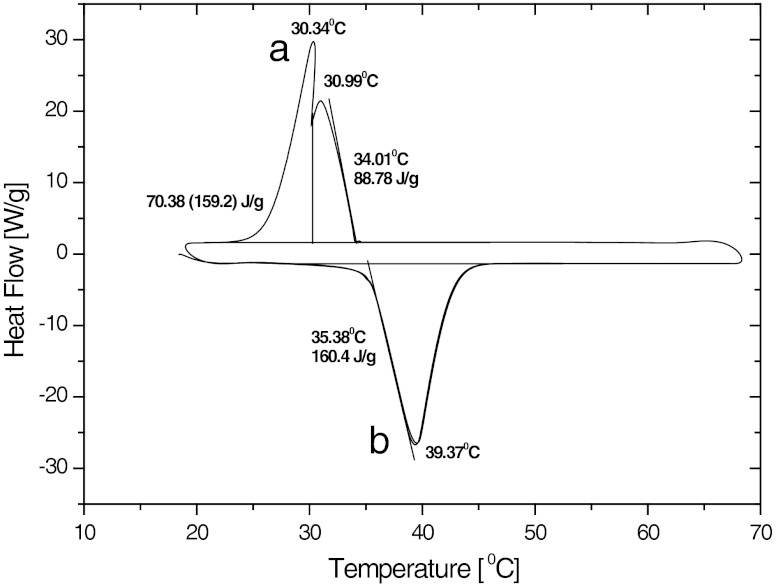
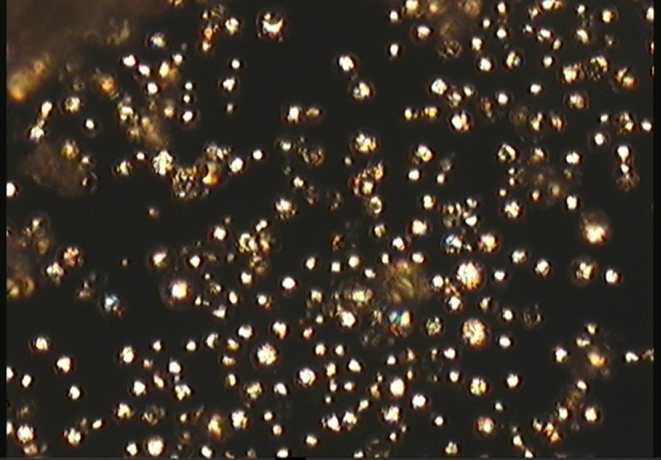
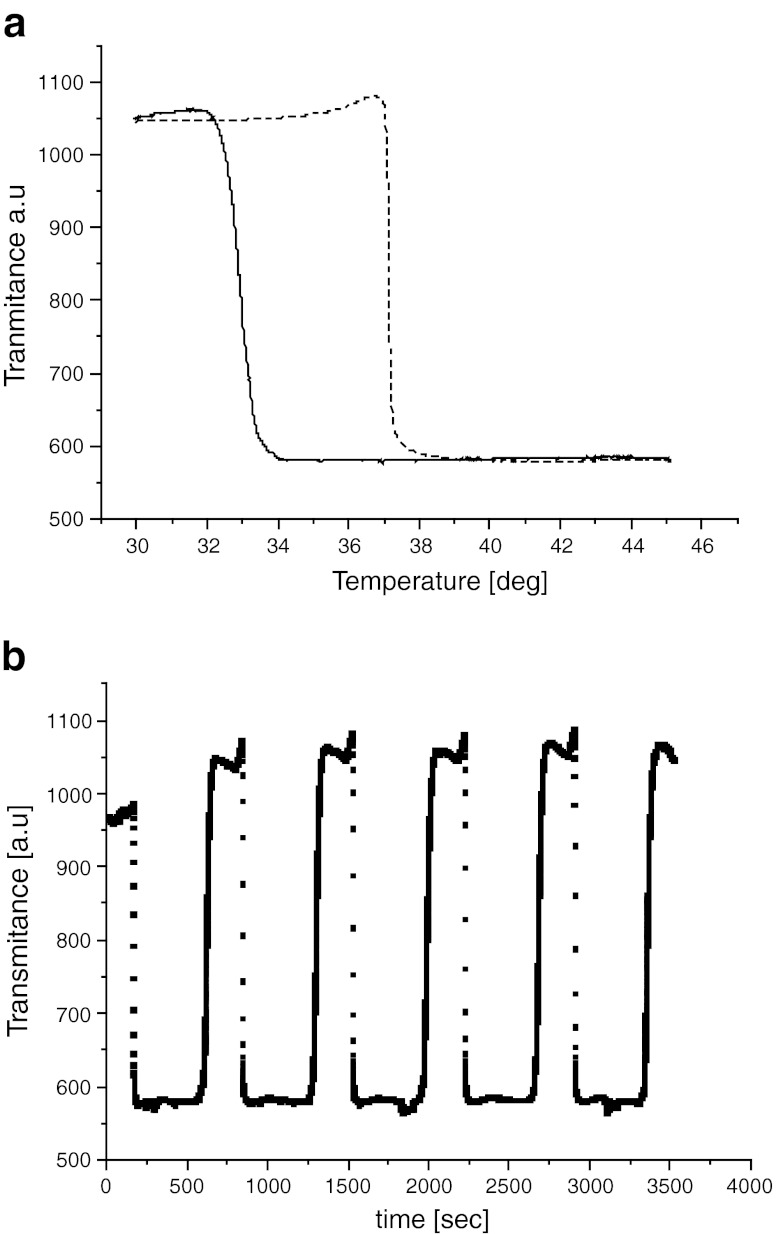
The coemulsification method suitable for the formulation of microcapsules of -eicosane coated with a polysiloxane is developed. This method allows to synthesize core-shell microcapsules of paraffin which have the shape of spheres or distorted spheres and are designed for the use as phase change materials. The microcapsules are formed in aqueous phase by the precipitation of -eicosane together with modified polyhydromethylsiloxane from a common solvent which is miscible with aqueous media. The polysiloxane is modified by the attachment of silylvinyl and alkoxy functions before coemulsification with the paraffin. It also contains the Pt(0) Karstedt catalyst. The microcapsules formed by coemulsification are stabilized by the in situ cross-linking of the polysiloxane shell. The shell is additionally modified by the in situ generation of silanol groups which provide colloidal stabilization of microspheres in aqueous phase. Microcapsules were studied by DSC, SEM, optical polarized microscope, and by thermooptical analysis (TOA).
开发了适用于制备涂覆聚硅氧烷的二十烷微胶囊的共乳化方法。该方法能够合成具有球形或变形球形的石蜡核壳微胶囊,设计用作相变材料。微胶囊在水相中通过二十烷与改性聚氢甲基硅氧烷从与水介质混溶的共同溶剂中沉淀而形成。聚硅氧烷在与石蜡共乳化之前通过连接甲硅烷基乙烯基和烷氧基官能团进行改性。它还含有零价铂的卡斯特催化剂。通过共乳化形成的微胶囊通过聚硅氧烷壳的原位交联而稳定。壳通过原位生成硅醇基团进行额外改性,硅醇基团在水相中提供微球的胶体稳定性。通过差示扫描量热法(DSC)、扫描电子显微镜(SEM)、光学偏光显微镜和热光分析(TOA)对微胶囊进行了研究。