Thoracic Aortic Research Center, IRCCS Policlinico San Donato, San Donato Milanese, Italy.
Department of Vascular Surgery, University Medical Center Utrecht, Utrecht, Netherlands.
PLoS One. 2019 Apr 23;14(4):e0215549. doi: 10.1371/journal.pone.0215549. eCollection 2019.
Aging changes the aorta in length, tortuosity and diameter. This is relevant in thoracic endovascular aortic repair (TEVAR) and in the long term follow up.
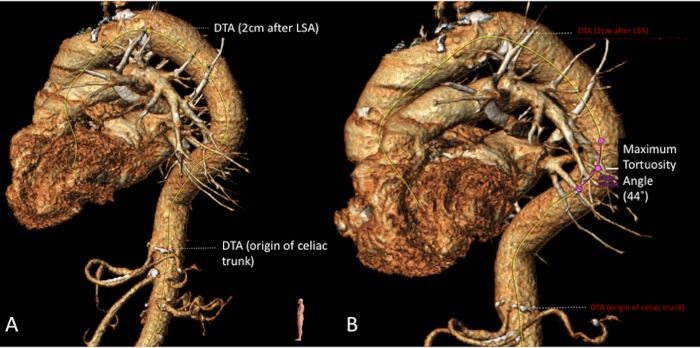
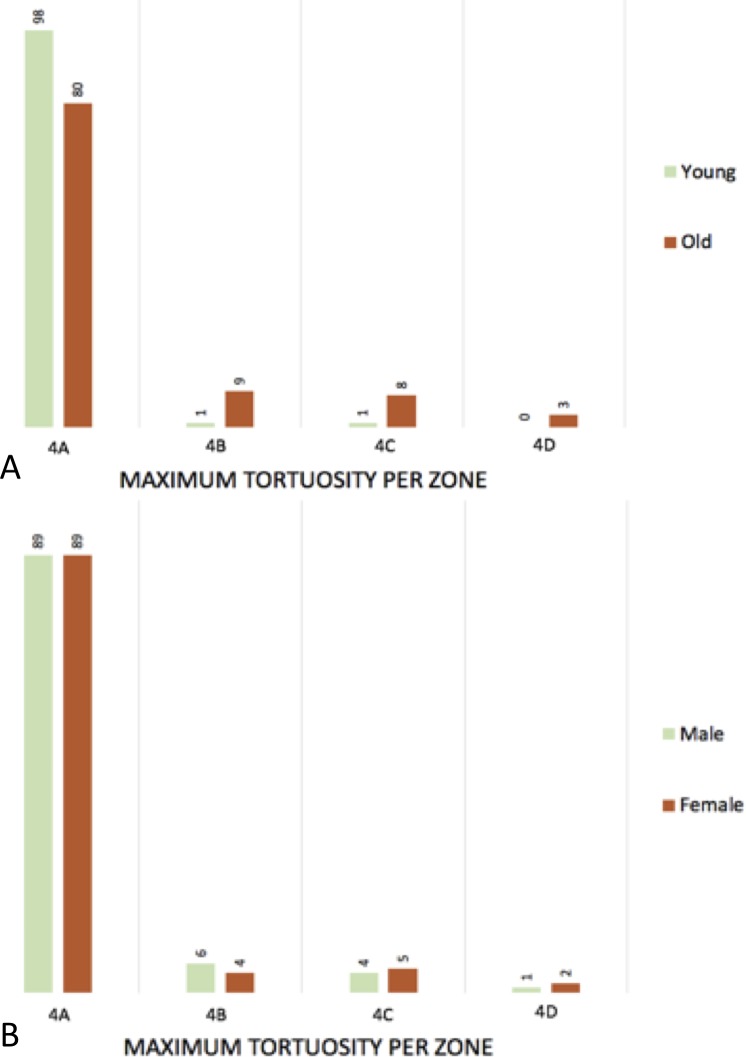
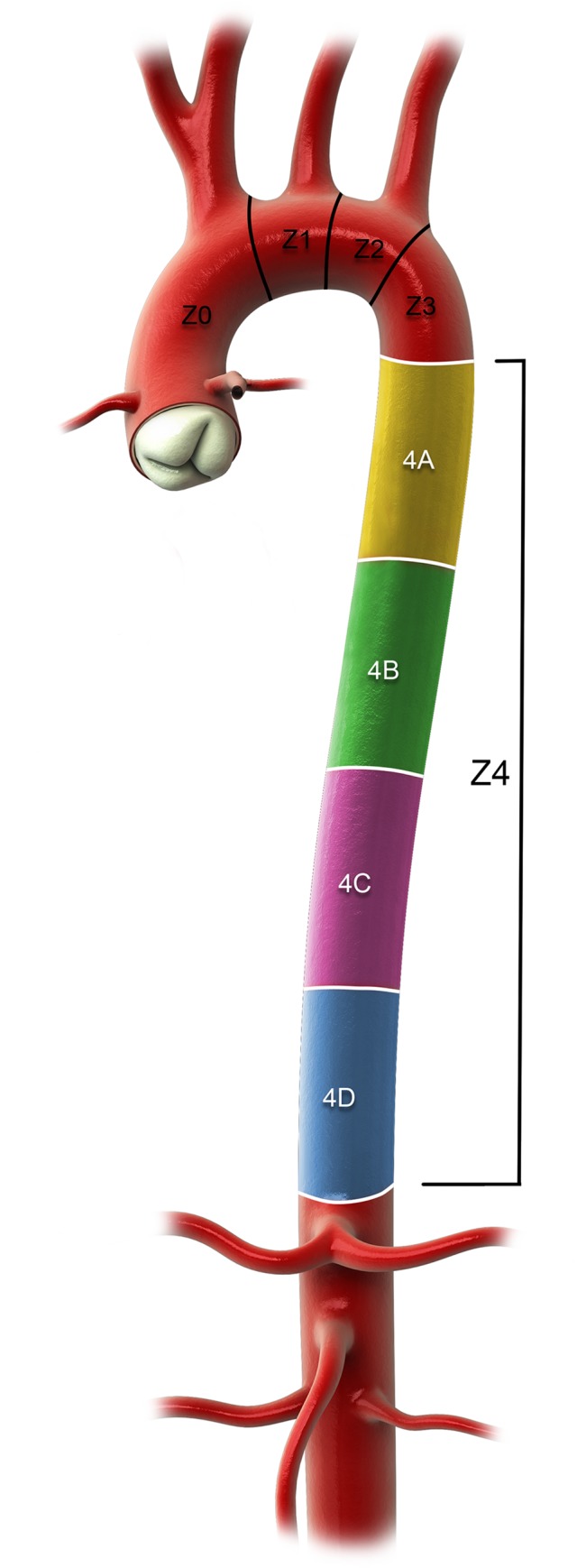
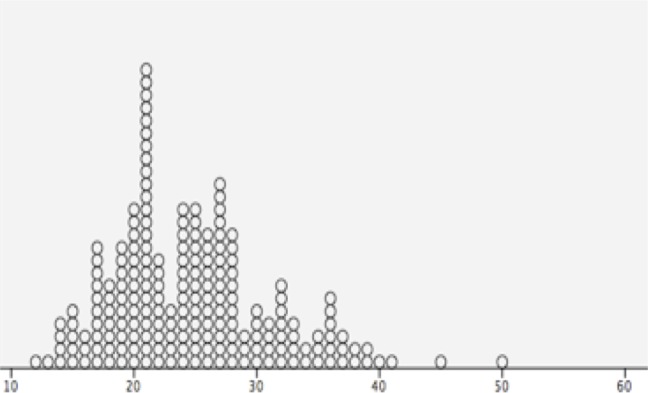
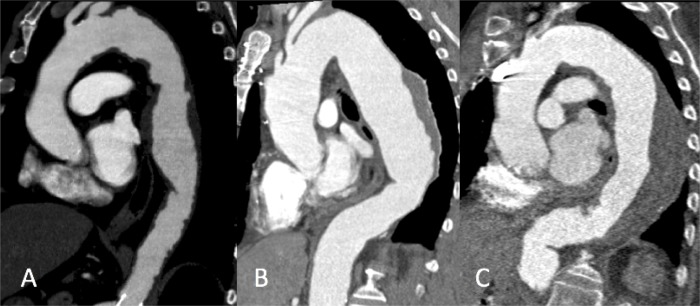
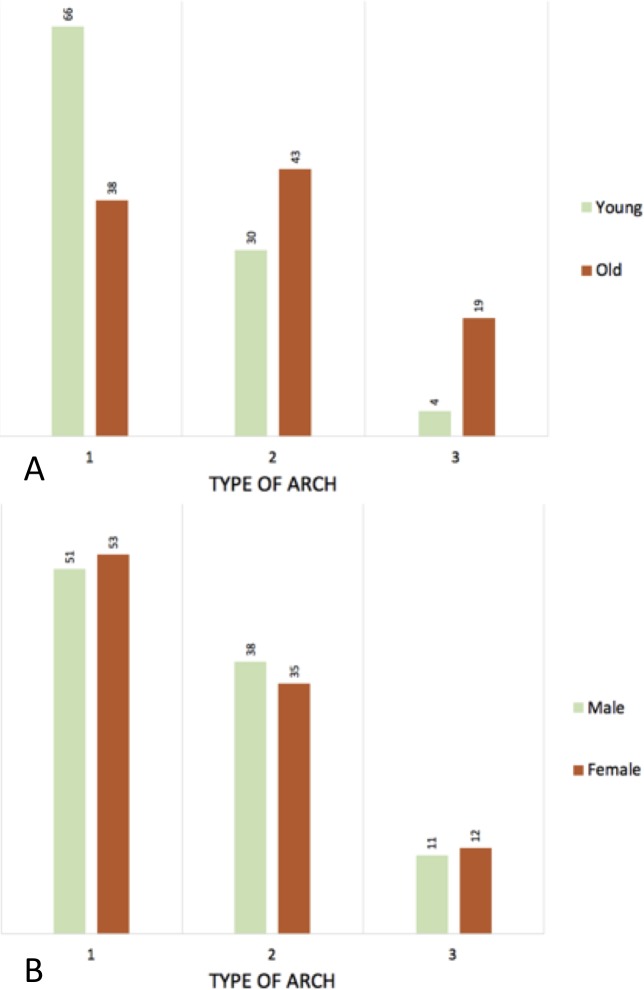
Two groups of hundred patients < 65 years and hundred patients ≥ 65 years, with no vascular diseases were made. Thin cut CT scans were analyzed with 3Mensio Vascular software and the following measurements were collected; tortuosity index, curvature ratio, maximum tortuosity in degrees and the level of vertebrae of the maximum tortuosity. The descending thoracic aorta (DTA) was analyzed and was divided into four zones of equal length. Subjects were divided into three groups based on their maximum tortuosity value: low (< 30°), moderate (30° - 60°) and high (> 60°). A linear regression model was built to test the effect of age and gender on tortuosity. Tortuosity was more pronounced in the ≥ 65 compared to the < 65 group (tortuosity index: 1.05 vs. 1.14, respectively; p < 0.001), curvature ratio (1.00 vs. 1.01; p < 0.001), maximum tortuosity (22.24 vs. 27.26; p < 0.001), and group of angulation (low vs. low; p < 0.001). Additionally, the location of maximum tortuosity was further distal for the ≥ 65 group (level of vertebrae; 5.00 vs. 5.00; p < 0.001), and zone of maximum tortuosity (4A vs. 4A; p < 0.001). There was no significant difference between male and female subjects.
Normal DTA tortuosity increases with age. This is important to understand natural aging and for TEVAR planning and follow-up.
随着年龄的增长,主动脉的长度、迂曲度和直径都会发生变化。这在胸主动脉腔内修复术(TEVAR)和长期随访中非常重要。
将两组患者(< 65 岁和≥ 65 岁各 100 例)分为无血管疾病患者。使用 3Mensio 血管软件对薄层 CT 扫描进行分析,并收集以下测量值:迂曲指数、曲率比、最大迂曲度(以度为单位)和最大迂曲度所在的椎体水平。分析降主动脉(DTA)并分为四个长度相等的区域。根据最大迂曲度值将患者分为三组:低(< 30°)、中(30°-60°)和高(> 60°)。建立线性回归模型来测试年龄和性别对迂曲度的影响。与< 65 岁组相比,≥ 65 岁组的迂曲度更为明显(迂曲指数:1.05 对 1.14;p < 0.001),曲率比(1.00 对 1.01;p < 0.001),最大迂曲度(22.24 对 27.26;p < 0.001)和角度分组(低对低;p < 0.001)。此外,≥ 65 岁组的最大迂曲度位置更靠远端(椎体水平;5.00 对 5.00;p < 0.001),最大迂曲度区域(4A 对 4A;p < 0.001)。男性和女性患者之间没有显著差异。
正常 DTA 的迂曲度随年龄增长而增加。这对于了解自然衰老以及 TEVAR 的规划和随访非常重要。