Cardoso Fernanda C, Lewis Richard J
Centre for Pain Research, Institute for Molecular Bioscience, The University of Queensland, St Lucia, QLD, Australia.
Front Pharmacol. 2019 Apr 11;10:366. doi: 10.3389/fphar.2019.00366. eCollection 2019.
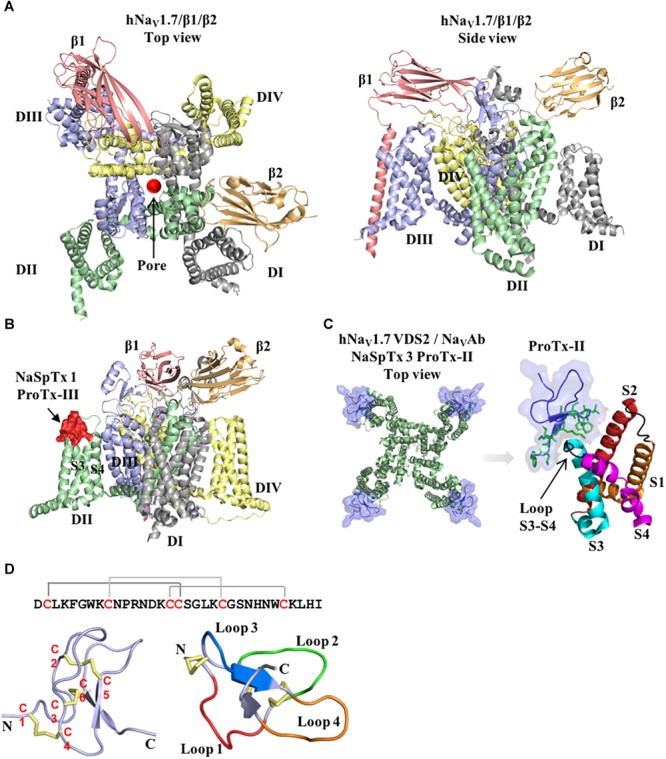
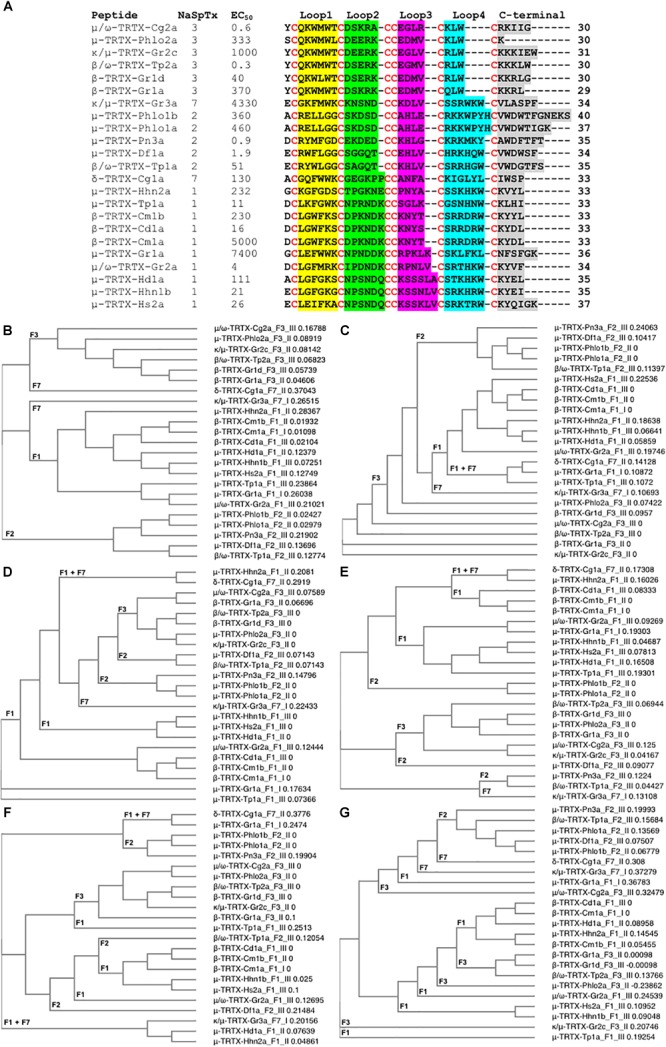
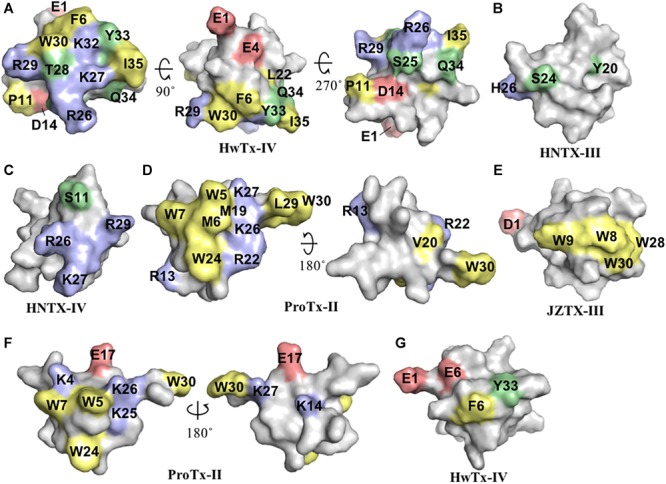
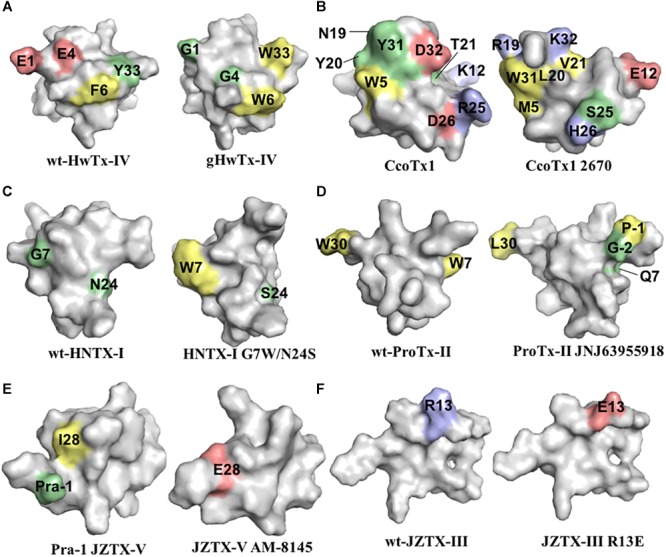
Spider venom-derived cysteine knot peptides are a mega-diverse class of molecules that exhibit unique pharmacological properties to modulate key membrane protein targets. Voltage-gated sodium channels (Na) are often targeted by these peptides to allosterically promote opening or closing of the channel by binding to structural domains outside the channel pore. These effects can result in modified pain responses, muscle paralysis, cardiac arrest, priapism, and numbness. Although such effects are often deleterious, subtype selective spider venom peptides are showing potential to treat a range of neurological disorders, including chronic pain and epilepsy. This review examines the structure-activity relationships of cysteine knot peptides from spider venoms that modulate Na and discusses their potential as leads to novel therapies for neurological disorders.
蜘蛛毒液来源的半胱氨酸结肽是一类极为多样的分子,具有独特的药理特性,可调节关键膜蛋白靶点。电压门控钠通道(Na)常被这些肽靶向,通过与通道孔外的结构域结合来变构促进通道的开放或关闭。这些效应可导致疼痛反应改变、肌肉麻痹、心脏骤停、阴茎异常勃起和麻木。尽管这些效应通常是有害的,但亚型选择性蜘蛛毒液肽显示出治疗一系列神经疾病的潜力,包括慢性疼痛和癫痫。本综述研究了蜘蛛毒液中调节Na的半胱氨酸结肽的构效关系,并讨论了它们作为神经疾病新疗法先导物的潜力。