Department of Biochemistry and Molecular Genetics, University of Colorado Anschutz Medical Campus, Aurora, United States.
Department of Immunology and Microbiology, University of Colorado Anschutz Medical Campus, Aurora, United States.
Elife. 2019 Apr 29;8:e39950. doi: 10.7554/eLife.39950.
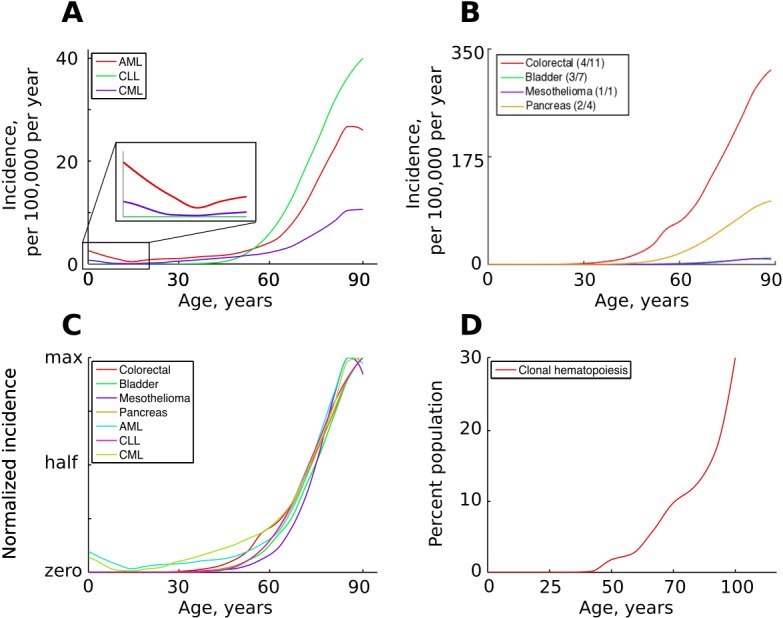
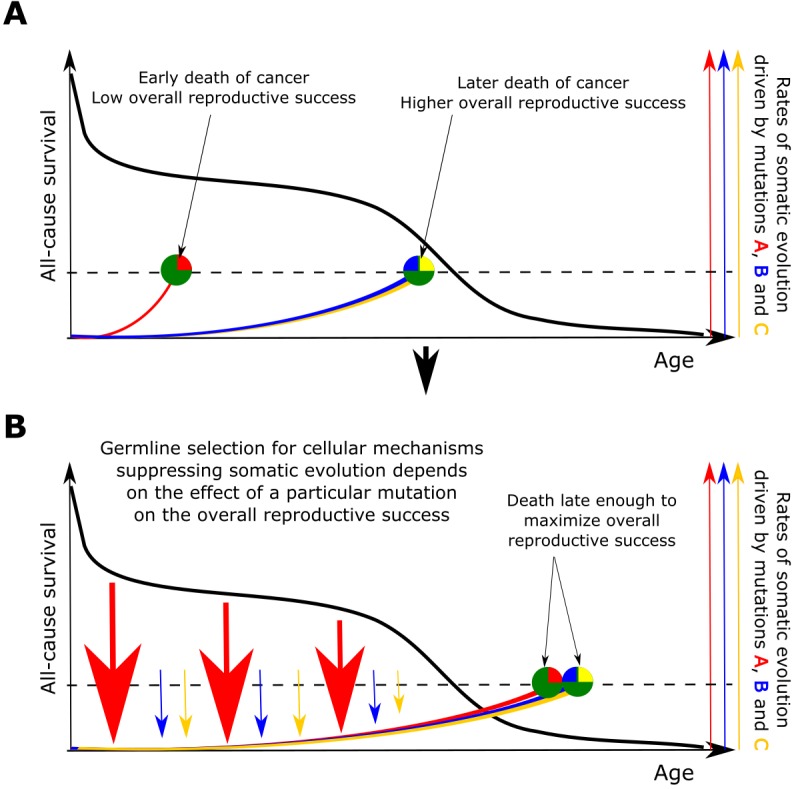
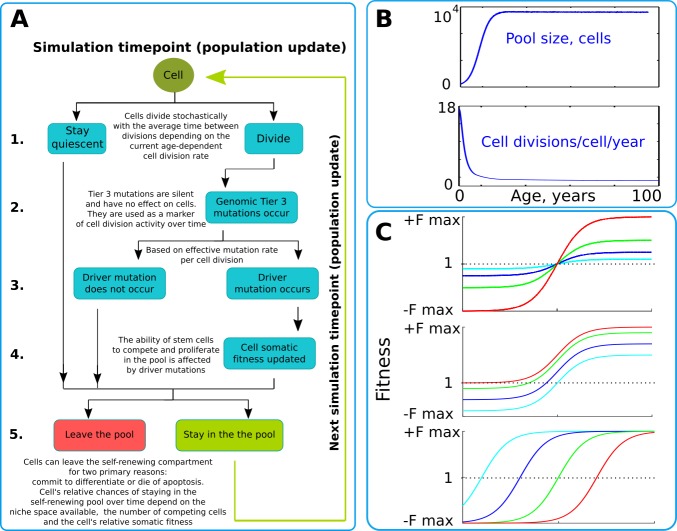
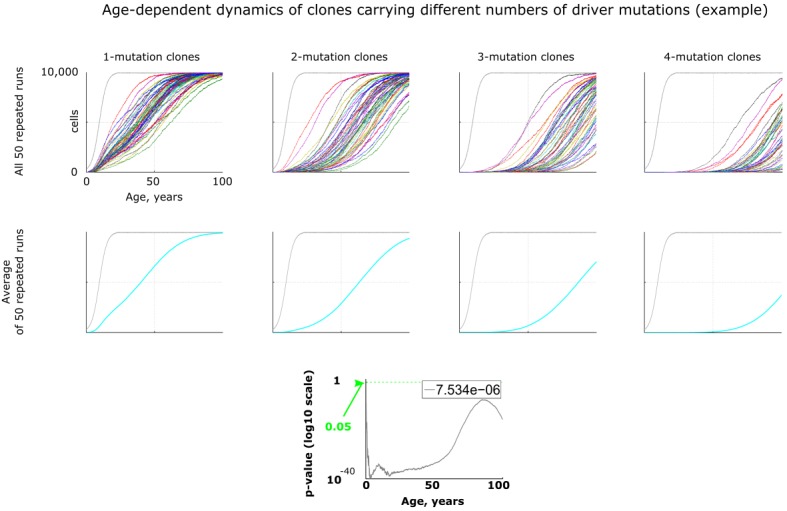
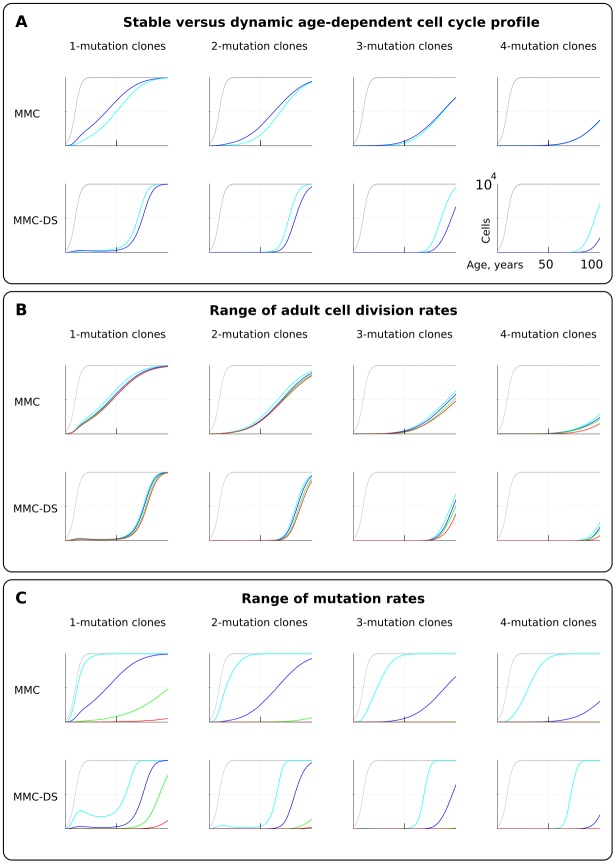
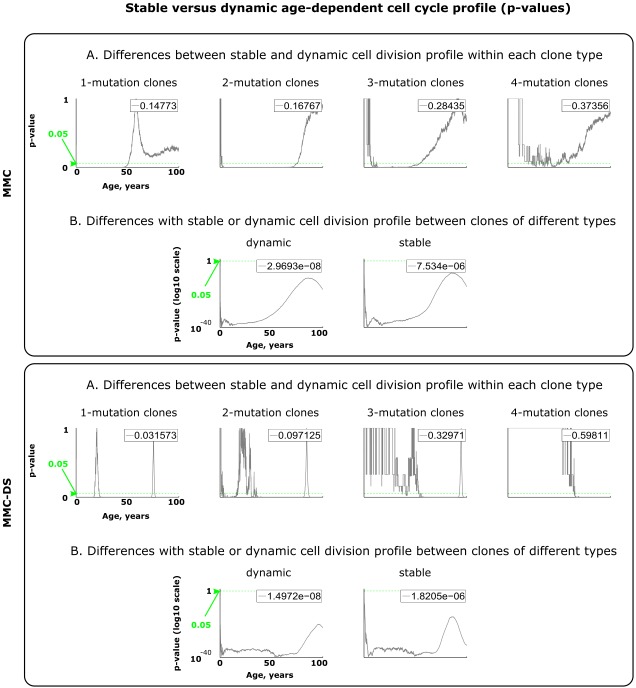
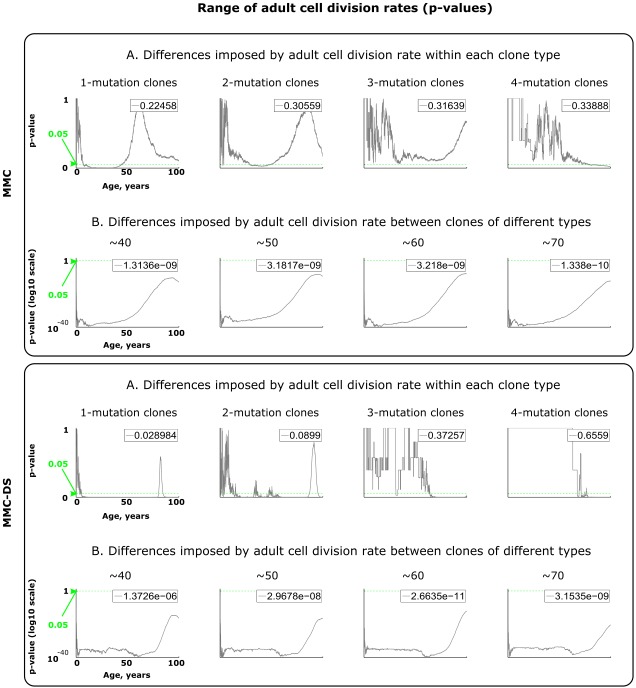
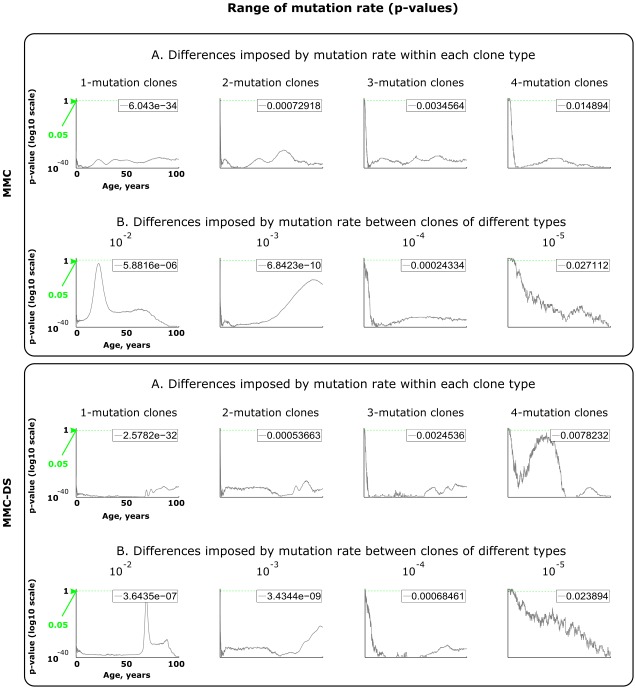
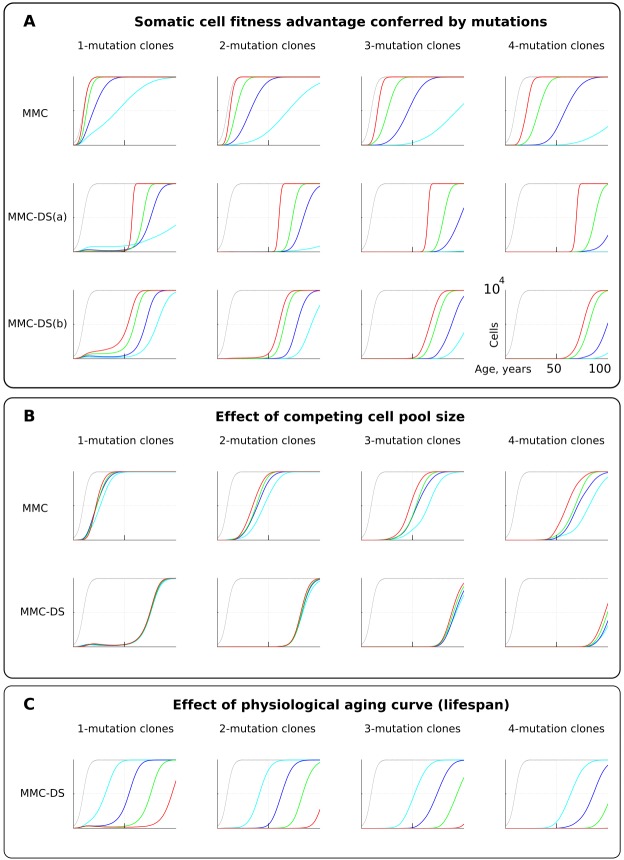
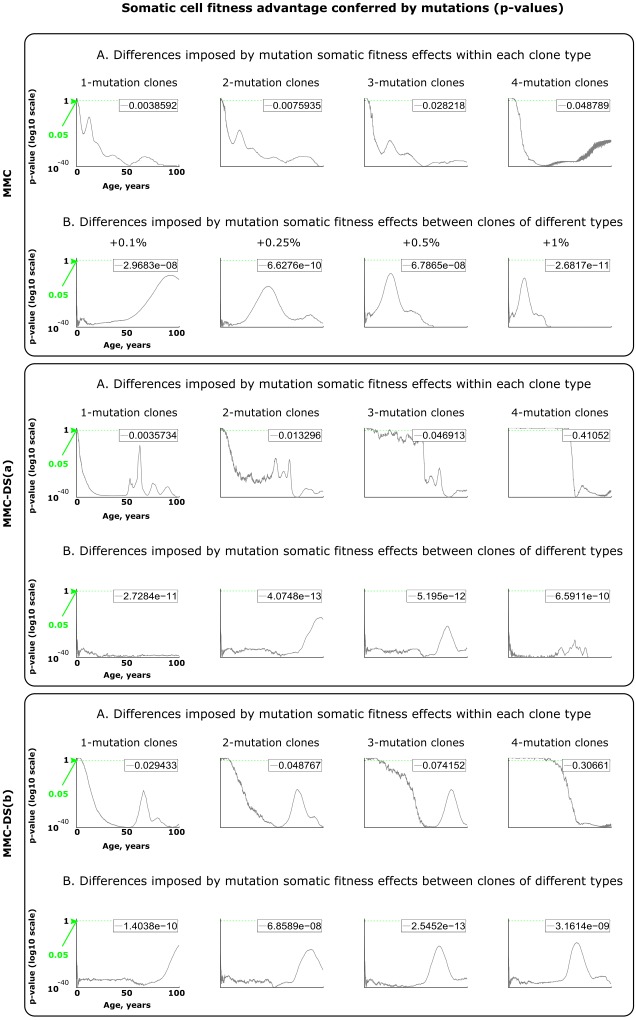
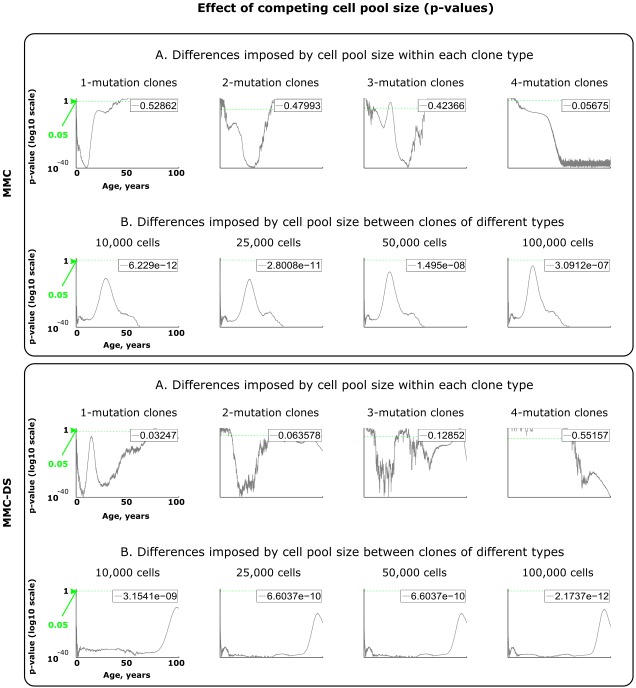
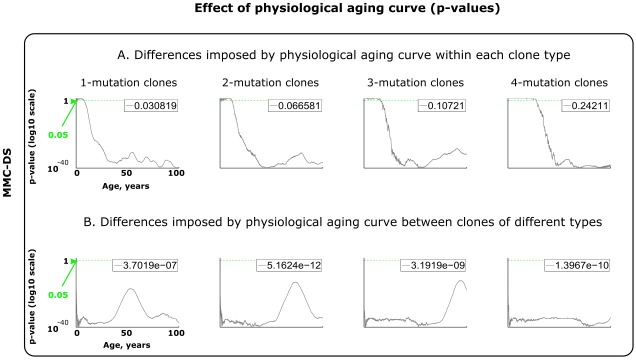
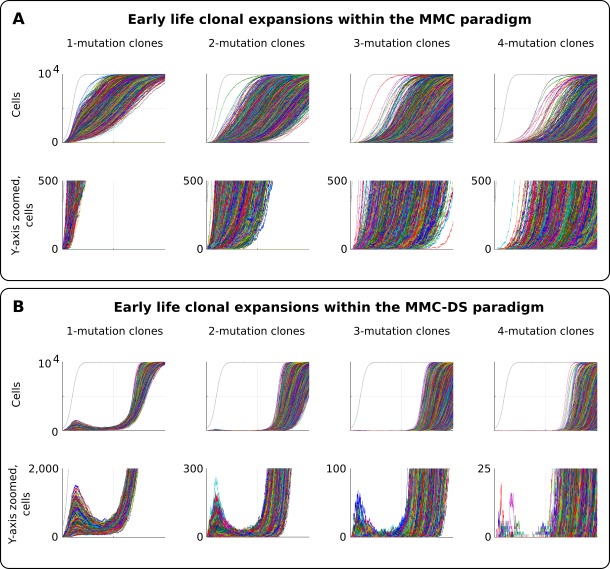
The Multi-Stage Model of Carcinogenesis (MMC), developed in the 1950 s-70s, postulated carcinogenesis as a Darwinian somatic selection process. The cellular organization of tissues was then poorly understood, with almost nothing known about cancer drivers and stem cells. The MMC paradigm was later confirmed, and cancer incidence was explained as a function of mutation occurrence. However, the MMC has never been tested for its ability to account for the discrepancies in the number of driver mutations and the organization of the stem cell compartments underlying different cancers that still demonstrate nearly universal age-dependent incidence patterns. Here we demonstrate by Monte Carlo modeling the impact of key somatic evolutionary parameters on the MMC performance, revealing that two additional major mechanisms, aging-dependent somatic selection and life history-dependent evolution of species-specific tumor suppressor mechanisms, need to be incorporated into the MMC to make it capable of generalizing cancer incidence across tissues and species.
This article has been through an editorial process in which the authors decide how to respond to the issues raised during peer review. The Reviewing Editor's assessment is that all the issues have been addressed (see decision letter).
多阶段致癌模型(MMC)于 20 世纪 50 年代至 70 年代提出,将致癌作用假定为达尔文式体细胞选择过程。当时组织的细胞结构理解很差,几乎不了解癌症驱动因子和干细胞。后来证实了 MMC 范式,癌症的发病率被解释为突变发生的函数。然而,MMC 从未被测试过其解释不同癌症中驱动突变数量差异的能力,这些癌症仍然表现出几乎普遍的与年龄相关的发病模式。我们通过蒙特卡罗建模证明了关键体细胞进化参数对 MMC 性能的影响,揭示了另外两个主要机制,即衰老相关的体细胞选择和物种特异性肿瘤抑制机制的生命史依赖性进化,需要被纳入 MMC 中,使其能够推广癌症在组织和物种中的发病率。
本文经过编辑过程,作者决定如何处理同行评审中提出的问题。审稿人的评估是所有问题都已得到解决(见评审意见)。