Muscle Biology Laboratory, School of Kinesiology, University of Michigan, Ann Arbor, Michigan, United States of America.
Department of Molecular and Integrative Physiology, University of Michigan, Ann Arbor, Michigan, United States of America.
PLoS One. 2019 Apr 29;14(4):e0216236. doi: 10.1371/journal.pone.0216236. eCollection 2019.
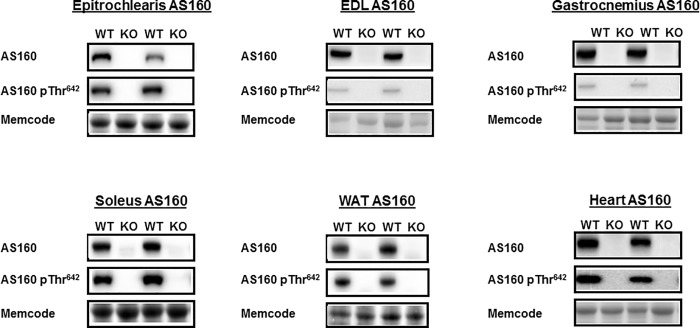
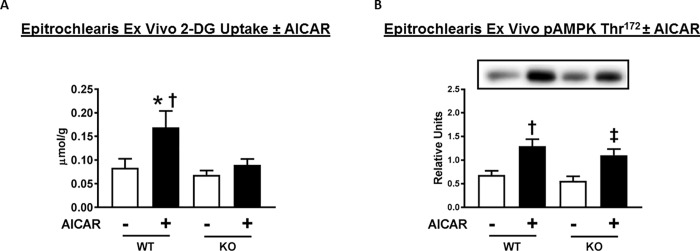
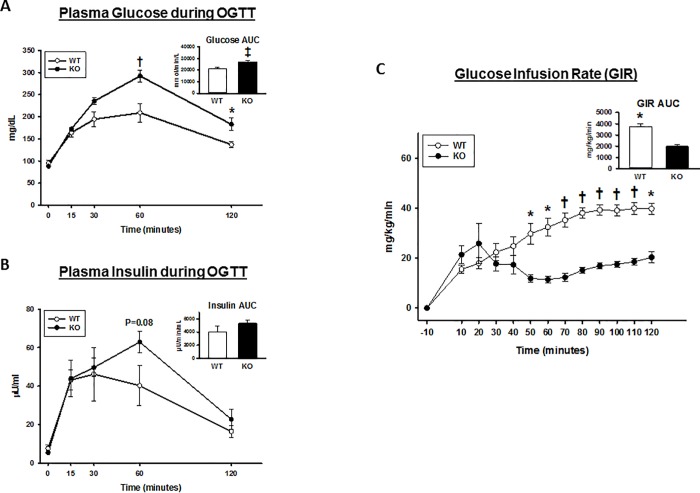
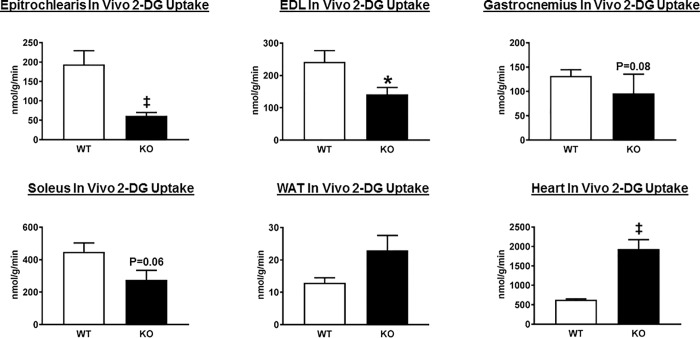
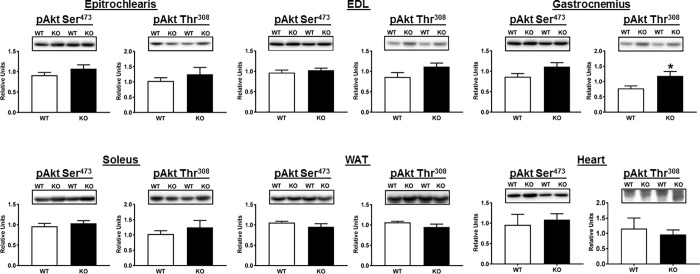
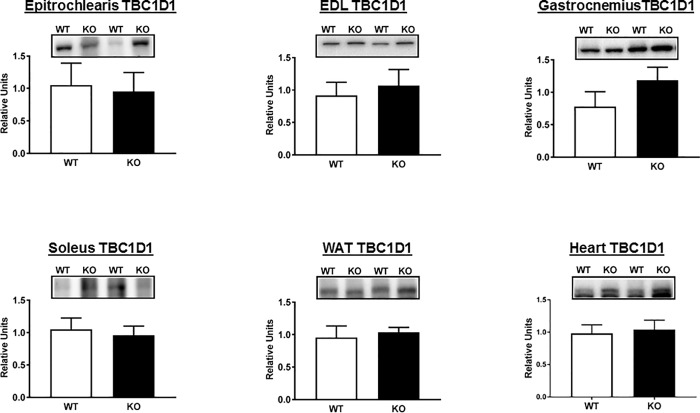
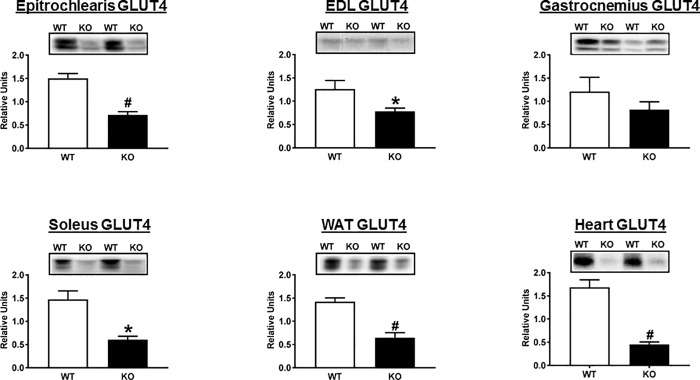
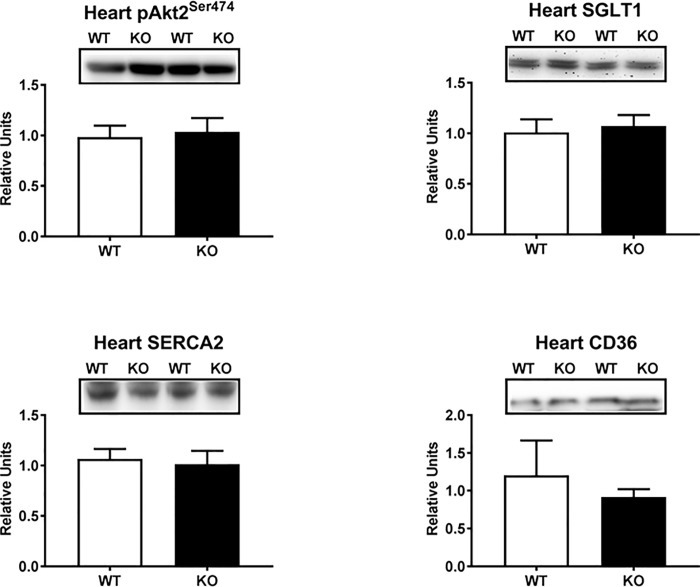
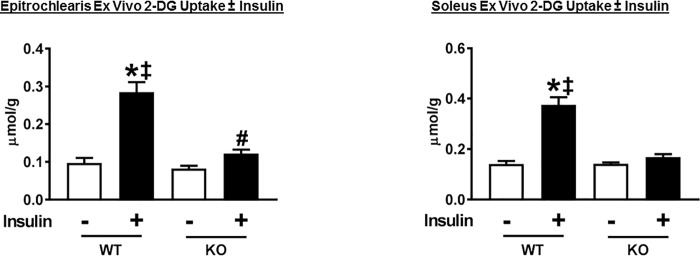
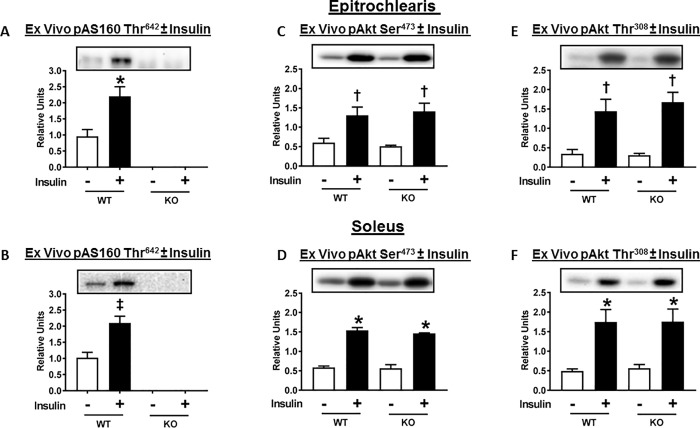
Akt substrate of 160 kDa (also called AS160 or TBC1D4) is a Rab GTPase activating protein and key regulator of insulin-stimulated glucose uptake which is expressed by multiple tissues, including skeletal muscle, white adipose tissue (WAT) and the heart. This study introduces a novel rat AS160-knockout (AS160-KO) model that was created using CRISPR/Cas9 technology. We compared male AS160-KO versus wildtype (WT) rats for numerous metabolism-related endpoints. Body mass, body composition, energy expenditure and physical activity did not differ between genotypes. Oral glucose intolerance was detected in AS160-KO versus WT rats (P<0.005). A hyperinsulinemic-euglycemic clamp (HEC) revealed insulin resistance for glucose infusion rate (P<0.05) with unaltered hepatic glucose production in AS160-KO versus WT rats. Genotype-effects on glucose uptake during the HEC: 1) was significantly lower in epitrochlearis (P<0.01) and extensor digitorum longus (P<0.05) of AS160-KO versus WT rats, and tended to be lower for AS160-KO versus WT rats in the soleus (P<0.06) and gastrocnemius (P<0.08); 2) tended to be greater for AS160-KO versus WT rats in white adipose tissue (P = 0.09); and 3) was significantly greater in the heart (P<0.005) of AS160-KO versus WT rats. GLUT4 protein abundance was significantly lower for AS160-KO versus WT rats in each tissue analyzed (P<0.01-0.001) except the gastrocnemius. Ex vivo insulin-stimulated glucose uptake was significantly lower (P<0.001) for AS160-KO versus WT rats in isolated epitrochlearis or soleus. Insulin-stimulated Akt phosphorylation (in vivo or ex vivo) did not differ between genotypes for any tissue tested. Ex vivo AICAR-stimulated glucose uptake by isolated epitrochlearis was significantly lower for AS160-KO versus WT rats (P<0.01) without genotype-induced alteration in AMP-activated protein phosphorylation. This unique AS160-KO rat model, which elucidated striking genotype-related modifications in glucoregulation, will enable future research aimed at understanding AS160's roles in numerous physiological processes in response to various interventions (e.g., diet and/or exercise).
Akt 底物 160kDa(也称为 AS160 或 TBC1D4)是一种 Rab GTP 酶激活蛋白,是胰岛素刺激的葡萄糖摄取的关键调节因子,在多种组织中表达,包括骨骼肌、白色脂肪组织(WAT)和心脏。本研究介绍了一种使用 CRISPR/Cas9 技术创建的新型大鼠 AS160 敲除(AS160-KO)模型。我们比较了雄性 AS160-KO 与野生型(WT)大鼠的许多与代谢相关的终点。基因型之间的体重、体成分、能量消耗和体力活动没有差异。与 WT 大鼠相比,AS160-KO 大鼠口服葡萄糖耐量受损(P<0.005)。高胰岛素-正常血糖钳夹(HEC)显示葡萄糖输注率的胰岛素抵抗(P<0.05),而 AS160-KO 与 WT 大鼠的肝葡萄糖生成率没有改变。HEC 期间葡萄糖摄取的基因型效应:1)在 AS160-KO 与 WT 大鼠的外上髁(P<0.01)和趾长伸肌(P<0.05)中明显降低,而在 AS160-KO 与 WT 大鼠的比目鱼肌(P<0.06)和腓肠肌(P<0.08)中趋于降低;2)在 AS160-KO 与 WT 大鼠的白色脂肪组织中趋于增加(P = 0.09);3)在 AS160-KO 与 WT 大鼠的心脏中明显增加(P<0.005)。与 WT 大鼠相比,AS160-KO 大鼠在分析的每种组织中的 GLUT4 蛋白丰度均显著降低(P<0.01-0.001),除了腓肠肌。与 WT 大鼠相比,AS160-KO 大鼠离体外上髁或比目鱼肌的胰岛素刺激的葡萄糖摄取明显降低(P<0.001)。在任何测试的组织中,胰岛素刺激的 Akt 磷酸化(体内或体外)在基因型之间没有差异。与 WT 大鼠相比,AS160-KO 大鼠离体外上髁的 AICAR 刺激的葡萄糖摄取明显降低(P<0.01),而 AMP 激活的蛋白磷酸化没有基因型诱导的改变。这种独特的 AS160-KO 大鼠模型阐明了葡萄糖调节中明显的基因型相关修饰,将使未来的研究能够了解 AS160 在应对各种干预(例如饮食和/或运动)时在许多生理过程中的作用。