Center for Nuclear Magnetic Resonance, Ruđer Bošković Institute, Bijenička cesta 54, HR-10000 Zagreb, Croatia.
Laboratory for Epigenomics, Division of Molecular Medicine, Ruđer Bošković Institute, Bijenička cesta 54, HR-10000 Zagreb, Croatia.
Int J Mol Sci. 2019 Apr 28;20(9):2090. doi: 10.3390/ijms20092090.
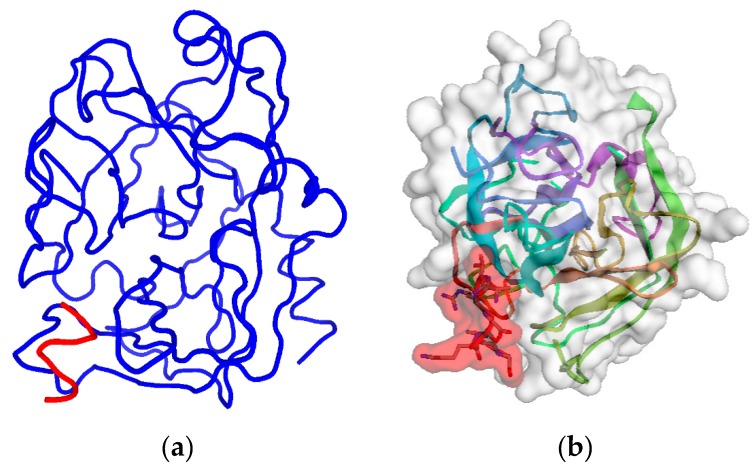
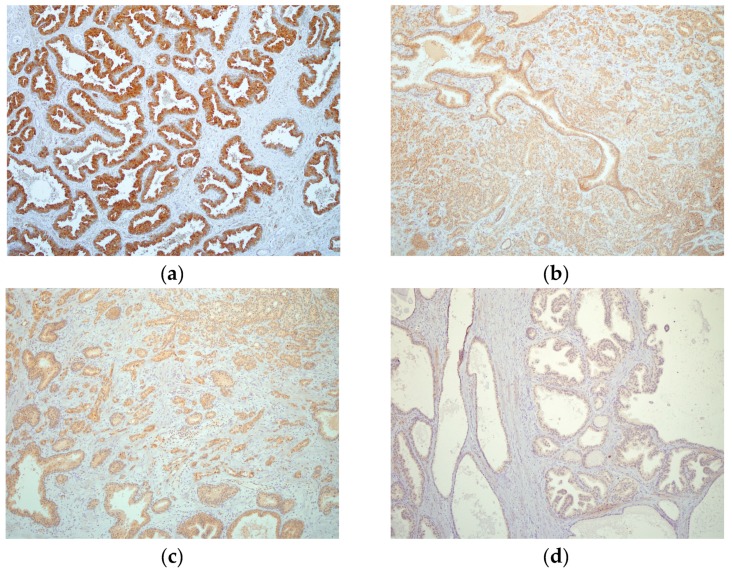
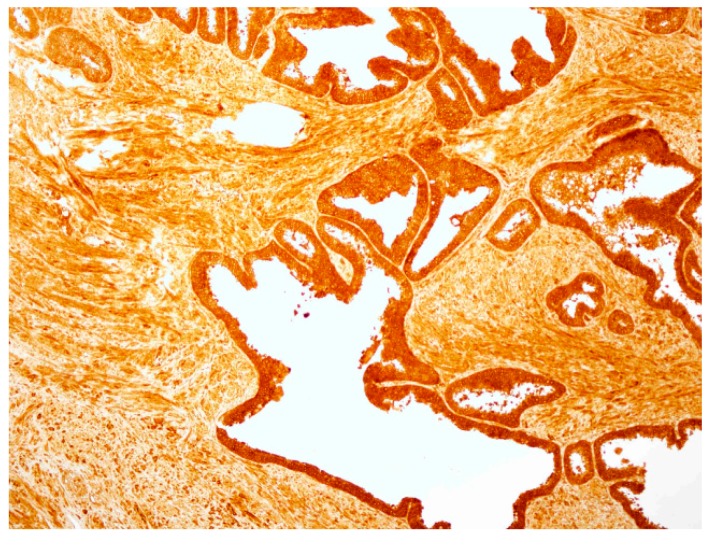
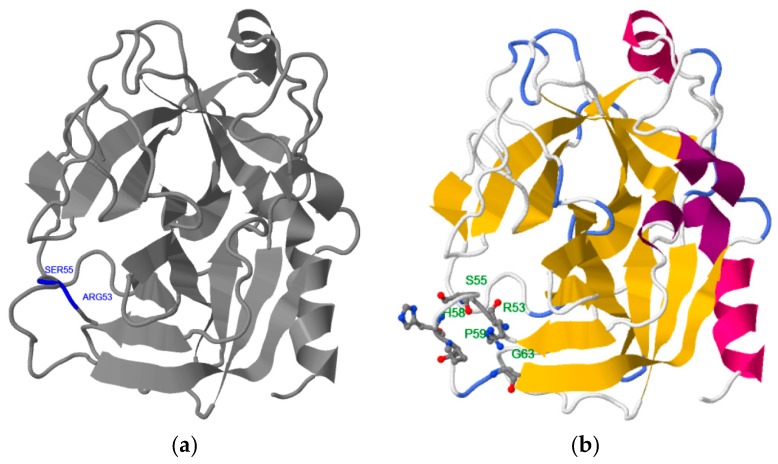
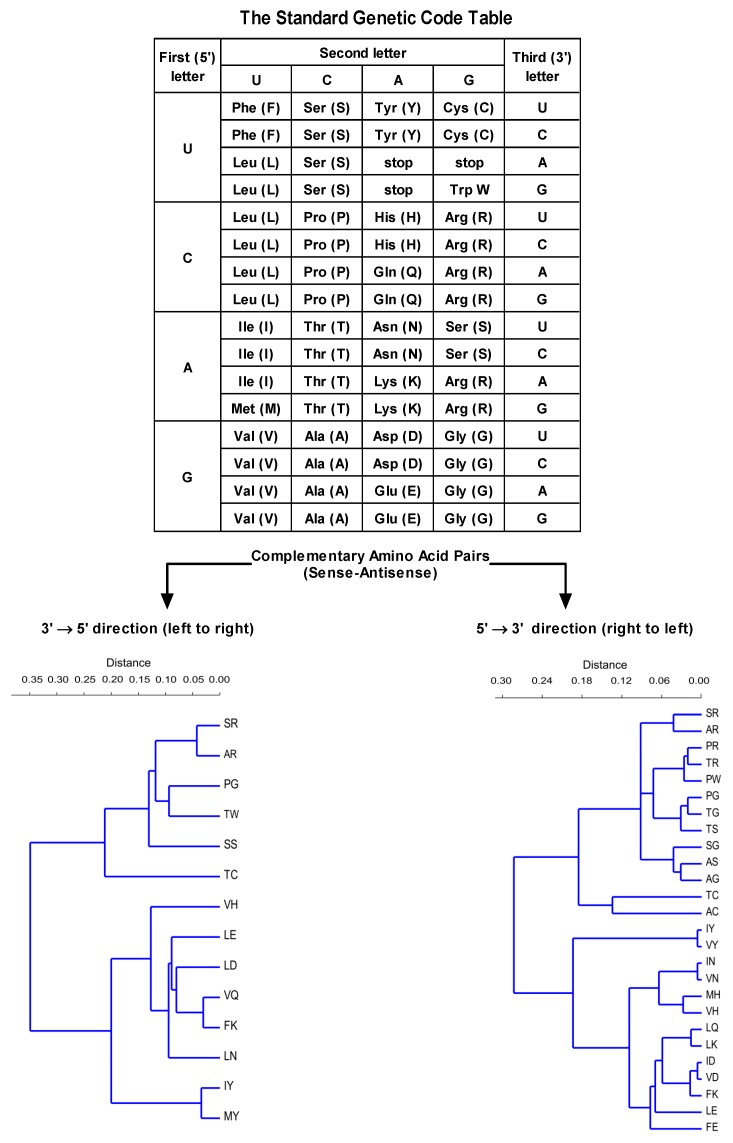
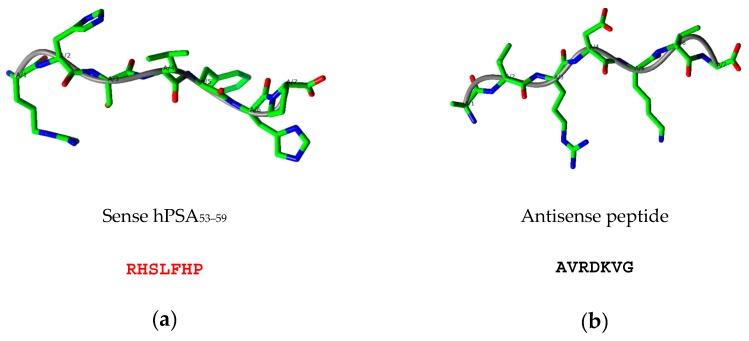
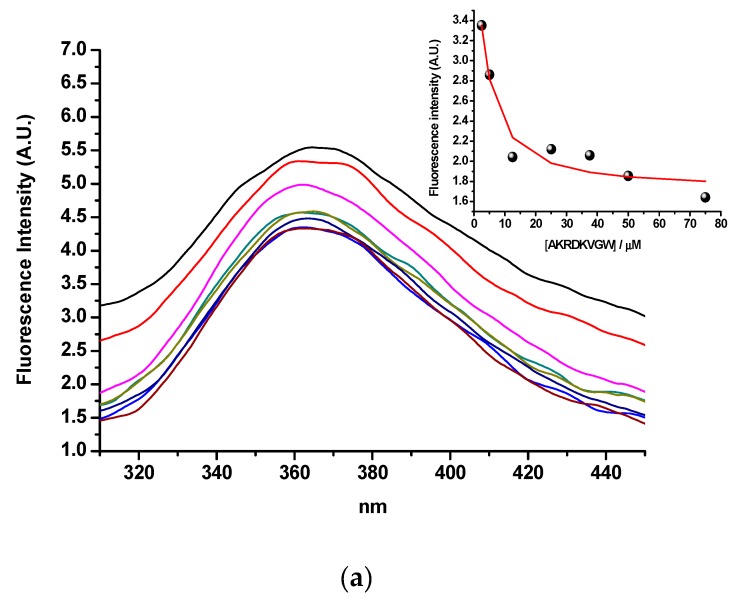
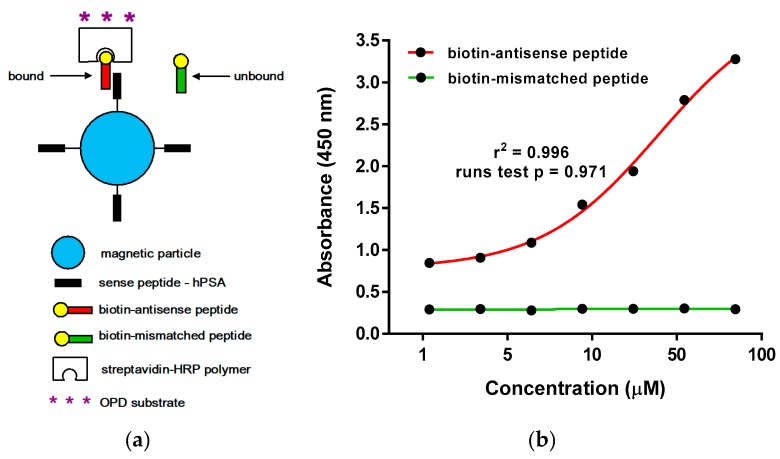
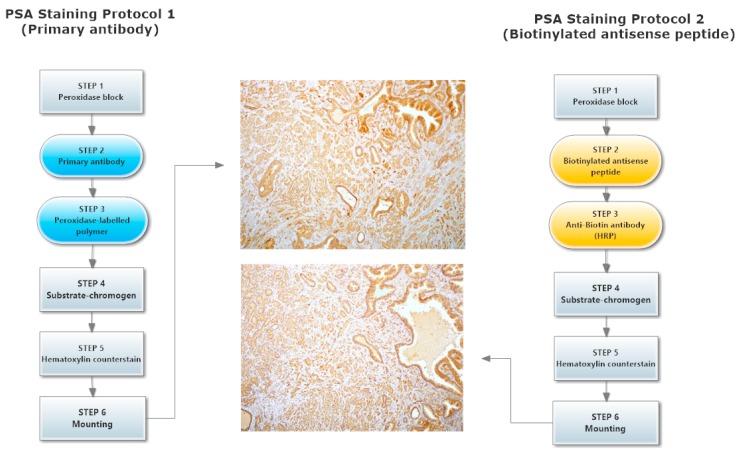
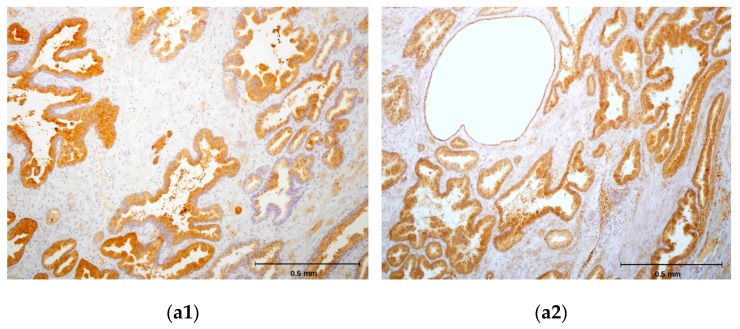
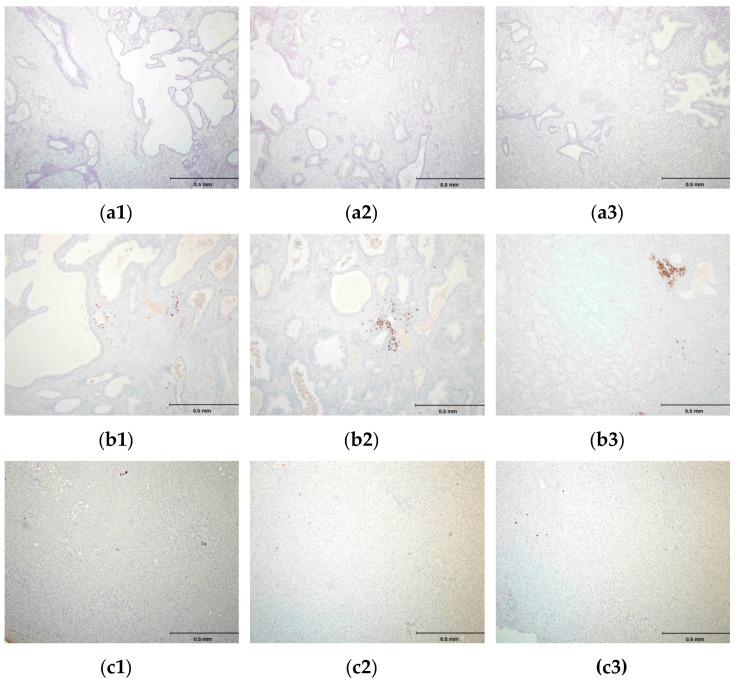
The purpose of this paper was to outline the development of short peptide targeting of the human prostate specific antigen (hPSA), and to evaluate its effectiveness in staining PSA in human prostate cancer tissue. The targeting of the hPSA antigen by means of antisense peptide AVRDKVG was designed according to a three-step method involving: 1. The selection of the molecular target (hPSA epitope), 2. the modeling of an antisense peptide (paratope) based on the epitope sequence, and 3. the spectroscopic evaluation of sense-antisense peptide binding. We then modified standard hPSA immunohistochemical staining practice by using a biotinylated antisense peptide instead of the standard monoclonal antibody and compared the results of both procedures. Immunochemical testing on human tissue showed the applicability of the antisense peptide technology to human molecular targets. This methodology represents a new approach to deriving peptide ligands and potential lead compounds for the development of novel diagnostic substances, biopharmaceuticals and vaccines.
本文旨在概述针对人前列腺特异性抗原(hPSA)的短肽靶向发展,并评估其在人前列腺癌组织中染色 PSA 的效果。通过抗 hPSA 抗原的反义肽 AVRDKVG 设计,采用了三步法,包括:1. 分子靶标(hPSA 表位)的选择,2. 基于表位序列的反义肽(变构位)建模,3. 顺反义肽结合的光谱评估。然后,我们通过使用生物素化反义肽代替标准单克隆抗体来修改标准的 hPSA 免疫组织化学染色实践,并比较了两种程序的结果。对人体组织的免疫化学测试表明,反义肽技术适用于人体分子靶标。该方法代表了一种新方法,可以衍生出肽配体和潜在的先导化合物,用于开发新型诊断物质、生物制药和疫苗。