National Institute of Mental Health, 10 Center Drive, MSC 1274, Bethesda, MD, 20892, USA.
National Human Genome Research Institute, Bethesda, MD, USA.
Orphanet J Rare Dis. 2019 May 6;14(1):101. doi: 10.1186/s13023-019-1049-x.
BACKGROUND/OBJECTIVES: Chediak-Higashi Disease (CHD) is a rare autosomal disorder, purported to have cognitive and neurological impairments. Prior descriptions of cognitive impairment, however, are solely based on subjective, unstructured observations rather than on formal neuropsychological measures.
Four pediatric and 14 adult patients with diagnostically confirmed CHD were administered a neuropsychological battery assessing memory, attention, processing speed, psychomotor speed, language fluency, executive function, and general intelligence. Nine of the adult patients received follow-up evaluations to elucidate the longitudinal progression or stability of cognition over time.
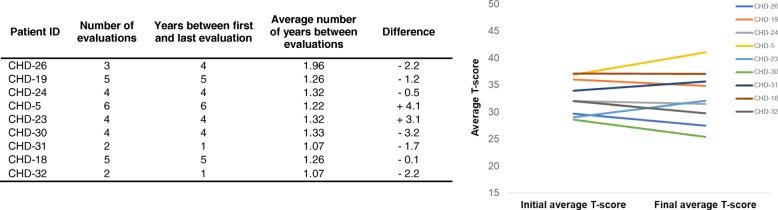
Pediatric CHD patients performed within the average range. Adult patients, however, performed below average on nearly all measures administered, and endorsed subjective reports of learning difficulties and poor academic performance in childhood. In particular, patients struggled with memory and psychomotor speed tasks, with 75% or more of patients scoring in the bottom 2.3 percentile in these two domains. No significant declines in cognition were observed among the patients who completed follow-up evaluations (M = 39.90, SD = 8.03 months between visits). Exploratory analyses suggested that adult patients who had classic CHD and previously received bone marrow transplants (BMTs; n = 3) exhibited moderately greater cognitive impairment than adult patients who had atypical CHD and had not received BMTs (n = 10).
Adult patients with CHD uniformly exhibit deficits in multiple domains, but in psychomotor speed and memory, in particular. Based on their neuropsychological profile, their ability to hold jobs and succeed in school may require support and special accommodations. The source of cognitive deficits is probably multifactorial including central nervous system involvement in CHD, and, for those transplanted, BMT-related side effects and complications. Absence of cognitive decline at three-year follow-up is encouraging but does not exclude progression at a slower time-scale. Future work should elucidate the possible effects and timing of BMT on cognition, as well as the mechanisms driving neuropsychological impairment in CHD.
背景/目的:Chediak-Higashi 病(CHD)是一种罕见的常染色体疾病,据推测存在认知和神经功能障碍。然而,先前对认知障碍的描述仅基于主观的、非结构化的观察,而不是基于正式的神经心理学测量。
对 4 名儿科和 14 名确诊为 CHD 的成年患者进行了神经心理学测试,评估了记忆、注意力、处理速度、运动速度、语言流畅性、执行功能和一般智力。其中 9 名成年患者接受了随访评估,以阐明认知功能随时间的纵向进展或稳定性。
儿科 CHD 患者的表现处于平均水平。然而,成年患者在几乎所有接受的测试中表现低于平均水平,并报告了童年时期学习困难和学业成绩不佳的主观感受。特别是,患者在记忆和运动速度任务中遇到困难,有 75%或更多的患者在这两个领域的得分处于底部 2.3%。完成随访评估的患者(两次就诊之间的 M=39.90,SD=8.03 个月)没有观察到认知能力明显下降。探索性分析表明,接受过骨髓移植(BMT;n=3)的经典 CHD 成年患者比未接受 BMT 的非典型 CHD 成年患者(n=10)表现出更明显的认知障碍。
成年 CHD 患者普遍存在多个领域的缺陷,但在运动速度和记忆方面尤为明显。根据他们的神经心理学特征,他们在工作和学业上取得成功的能力可能需要支持和特殊的适应。认知缺陷的原因可能是多方面的,包括 CHD 对中枢神经系统的影响,以及对于接受移植的患者,BMT 相关的副作用和并发症。在三年的随访中没有认知能力下降是令人鼓舞的,但不能排除在更慢的时间尺度上的进展。未来的工作应阐明 BMT 对认知的可能影响和时机,以及导致 CHD 神经心理学损伤的机制。