Laboratory of Gene Regulation, Faculty of Medicine, University of Tsukuba, 1-1-1 Tennodai, Tsukuba 305-8577, Japan.
Int J Mol Sci. 2019 May 7;20(9):2254. doi: 10.3390/ijms20092254.
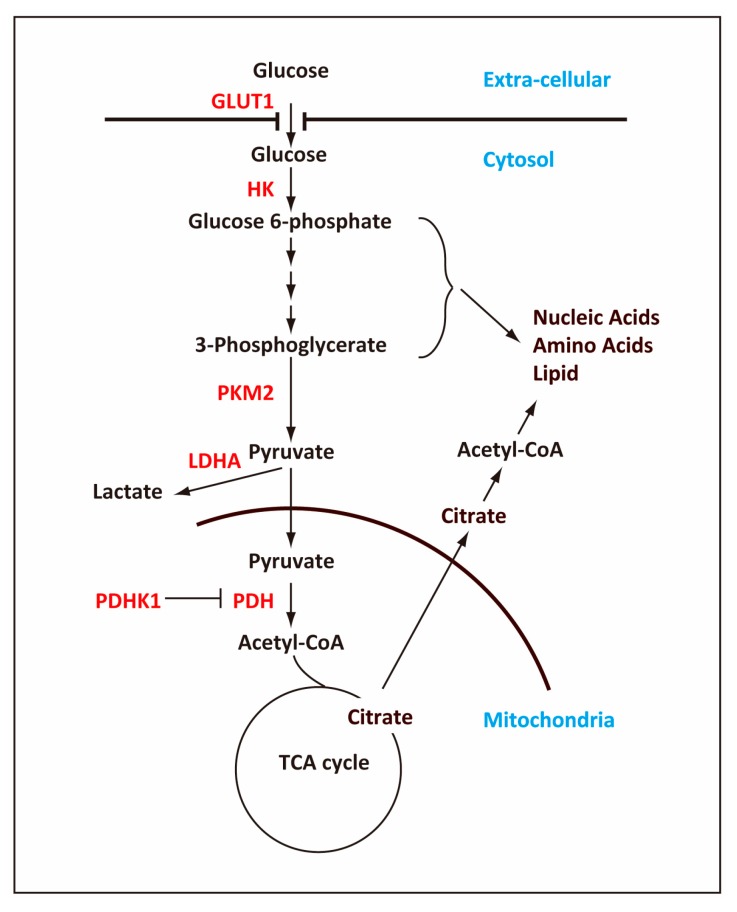
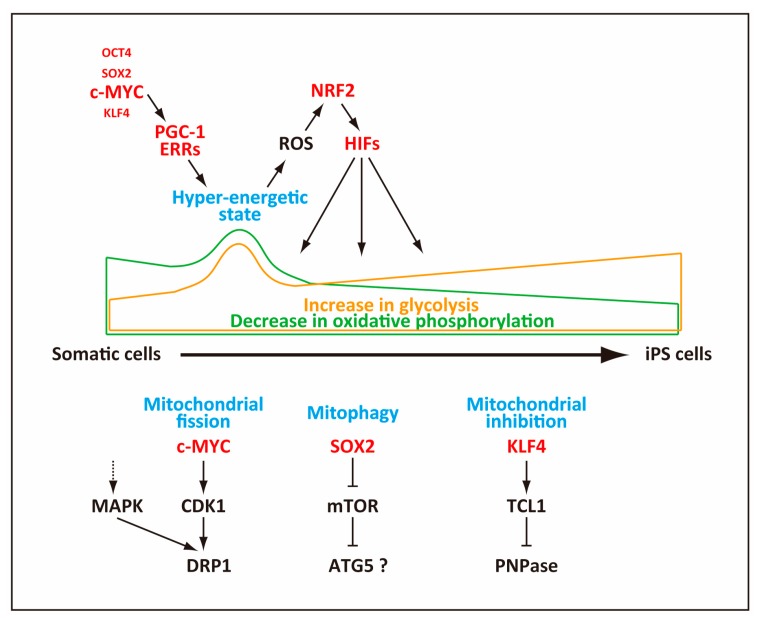
Pluripotent stem cells (PSCs), including embryonic stem cells (ESCs) and induced pluripotent stem cells (iPSCs), hold a huge promise for regenerative medicine, drug development, and disease modeling. PSCs have unique metabolic features that are akin to those of cancer cells, in which glycolysis predominates to produce energy as well as building blocks for cellular components. Recent studies indicate that the unique metabolism in PSCs is not a mere consequence of their preference for a low oxygen environment, but is an active process for maintaining self-renewal and pluripotency, possibly in preparation for rapid response to the metabolic demands of differentiation. Understanding the regulatory mechanisms of this unique metabolism in PSCs is essential for proper derivation, generation, and maintenance of PSCs. In this review, we discuss the metabolic features of PSCs and describe the current understanding of the mechanisms of the metabolic shift during reprogramming from somatic cells to iPSCs, in which the metabolism switches from oxidative phosphorylation (OxPhos) to glycolysis.
多能干细胞(PSCs),包括胚胎干细胞(ESCs)和诱导多能干细胞(iPSCs),在再生医学、药物开发和疾病建模方面具有巨大的潜力。PSCs 具有独特的代谢特征,类似于癌细胞,其中糖酵解占主导地位,以产生能量以及细胞成分的构建块。最近的研究表明,PSCs 中的独特代谢并不是它们对低氧环境偏好的结果,而是维持自我更新和多能性的主动过程,可能是为了快速应对分化的代谢需求做准备。了解 PSCs 中这种独特代谢的调节机制对于 PSCs 的正确推导、生成和维持是至关重要的。在这篇综述中,我们讨论了 PSCs 的代谢特征,并描述了目前对体细胞重编程为 iPSCs 过程中代谢转变机制的理解,在此过程中,代谢从氧化磷酸化(OxPhos)转变为糖酵解。