Department of Oral Implantology, School and Hospital of Stomatology, Tongji University, Shanghai Engineering Research Center of Tooth Restoration and Regeneration, 399 Middle Yanchang Road, Shanghai, 200072, China.
Department of Biology, Southern University of Science and Technology, Shenzhen, China.
J Orthop Surg Res. 2019 May 10;14(1):129. doi: 10.1186/s13018-019-1163-4.
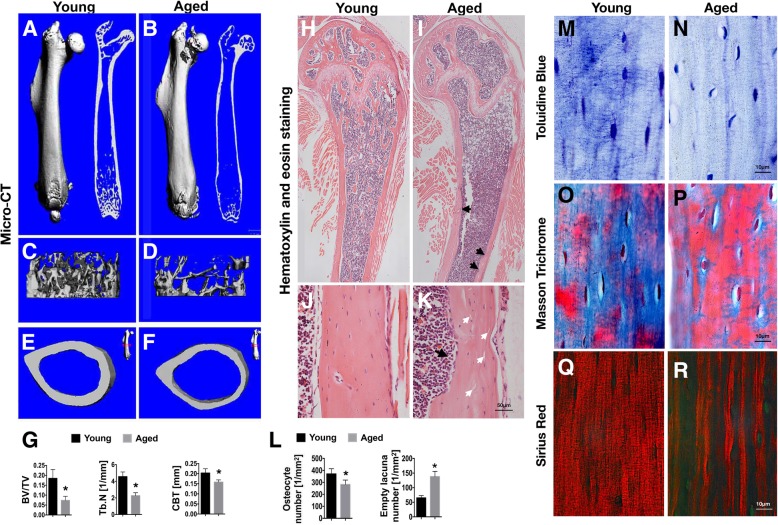
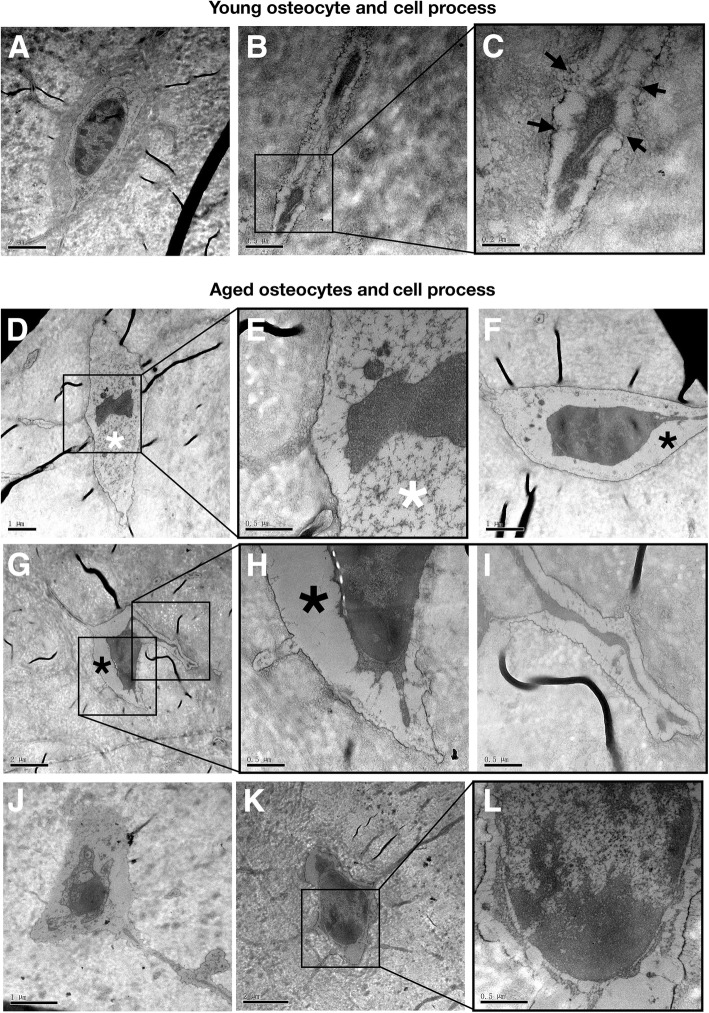
Degenerative changes in the skeleton play an important role in ageing. As the foremost sensors and orchestrators of bone remodelling, osteocytes contribute significantly to the health of the skeleton. Embedded in a mineralized bone matrix, the osteocyte network and the surrounding lacunar canaliculae work together as a functional syncytium-the osteocytic lacunar-canalicular system (OLCS). However, changes in the OLCS during ageing and related mechanisms cannot be fully understood by using traditional histological analysis.
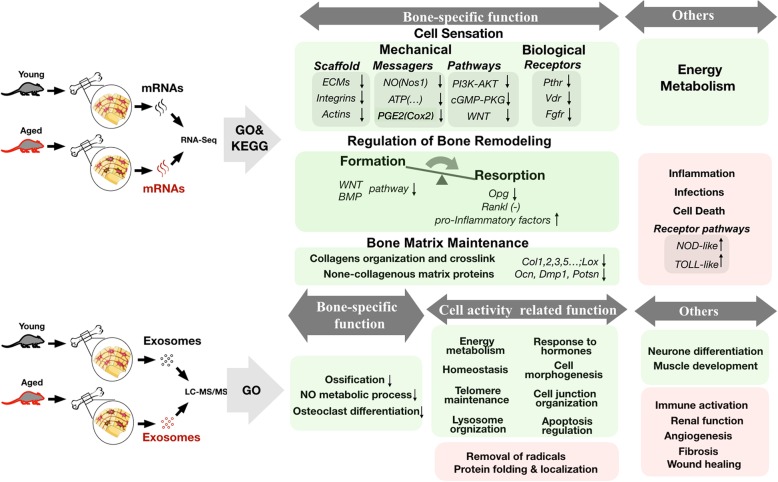
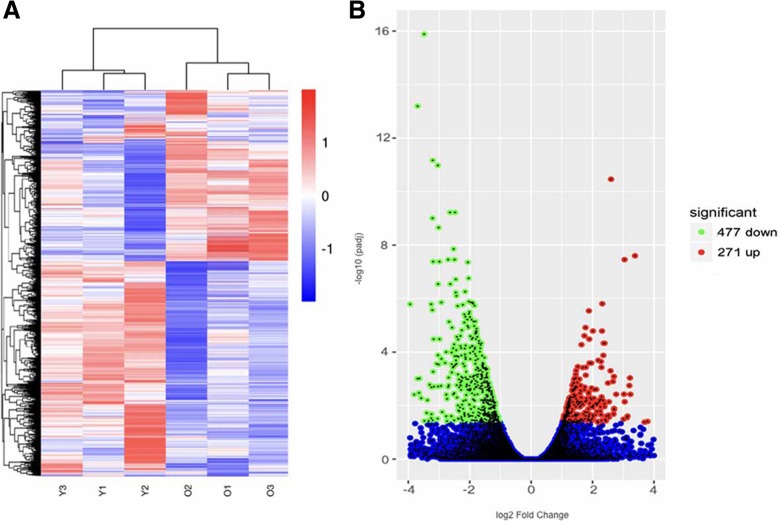
To link the phenotypes of aged osteocytes and their functional changes during ageing, we analysed the changes in the gene expression profiles of bone cells and the proteomic profiles of OLCS exosomes derived from aged and young cortical bone.
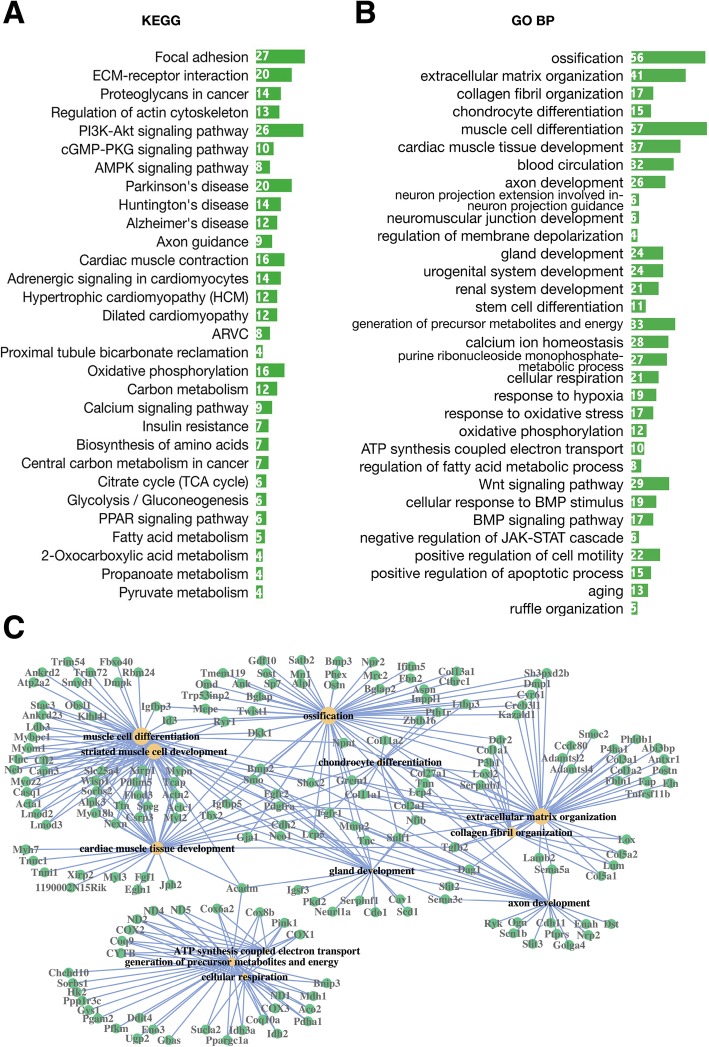
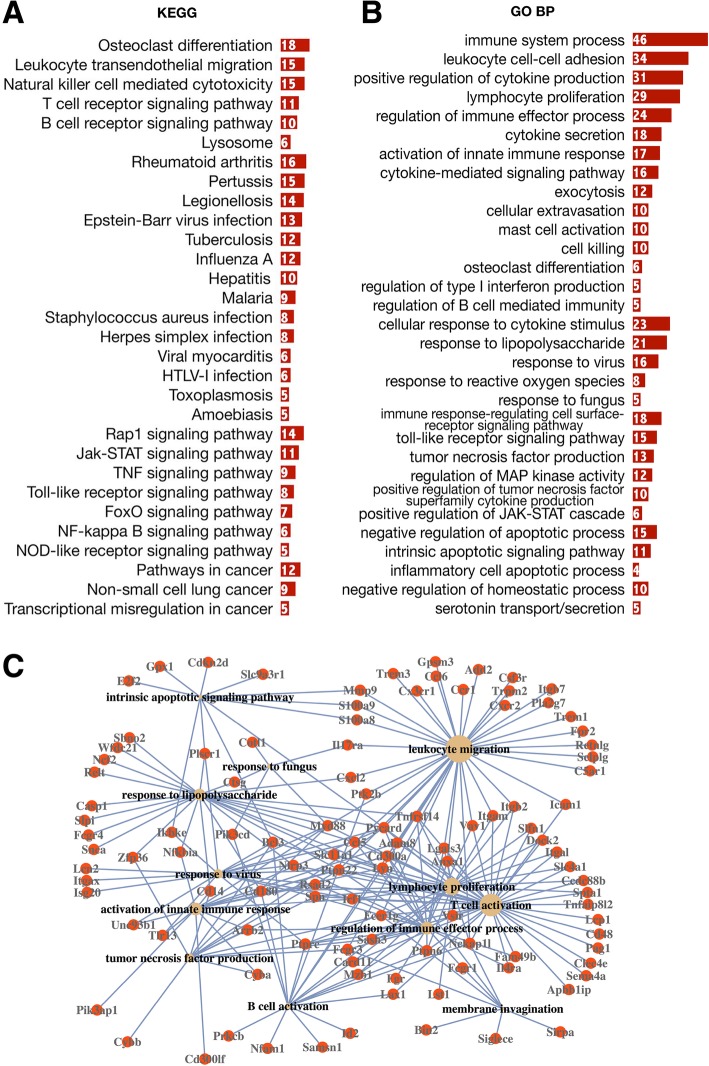
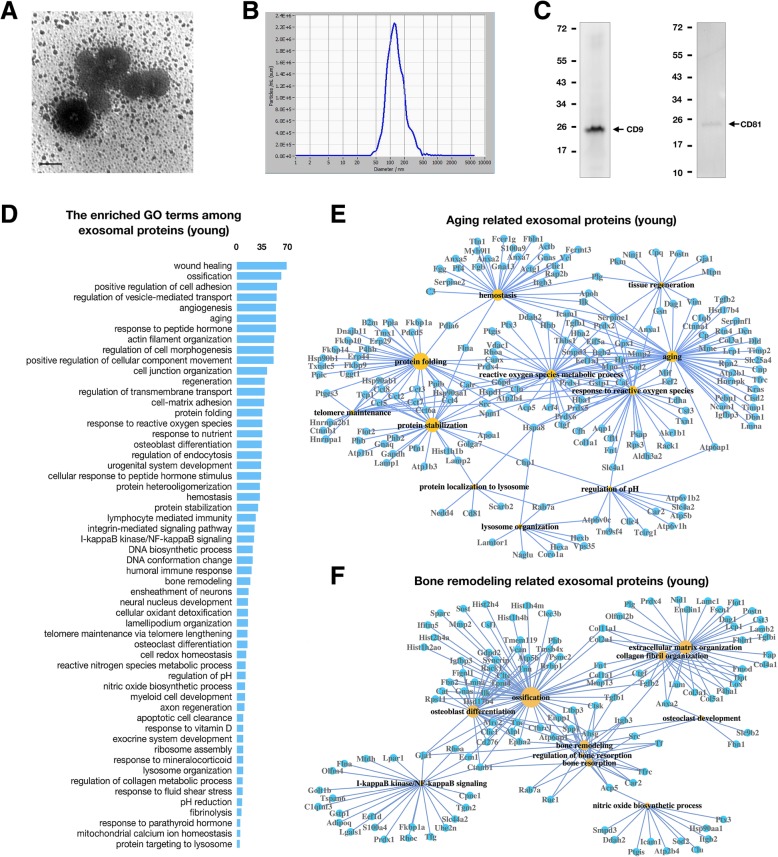
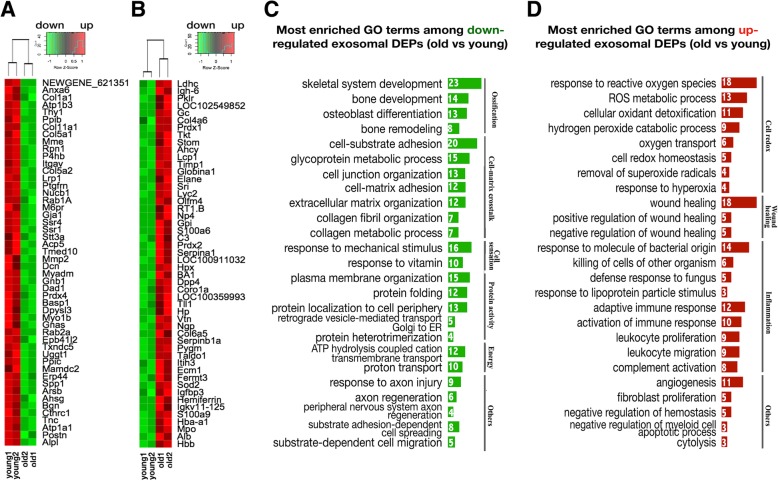
Gene Ontology (GO) and Kyoto Encyclopedia of Genes and Genomes (KEGG) analysis of differentially expressed genes (DEGs) suggested that a decline in cell energy metabolism and an increased level of the proinflammatory state are major characteristics of bone ageing. Moreover, some DEGs were key regulators of bone mechanical sensation and bone remodelling, which are indicative of reduced bone-specific function with age. Further, the identified proteins in OLCS exosomes showed potential changes in the secretory function bone. Compared with young controls, the decreased functional proteins in aged OLCS exosomes were enriched mainly in GO terms that included regulating bone development and remodelling, cell-matrix adhesion, and cell clearance and homeostasis. Notably, several functions of exosomal proteins of the aged group revealed potential new roles, such as regulating innate and adaptive immunity, wound healing, and angiogenesis and eliminating oxidative stress.
The information obtained from bone cells and OLCS exosomes will help us discover new features of bone ageing.
骨骼的退行性变化在衰老中起着重要作用。作为骨骼重塑的首要传感器和协调器,骨细胞对骨骼健康有重要贡献。骨细胞被嵌入矿化的骨基质中,骨细胞网络和周围的骨陷窝管共同作为一个功能合体——骨细胞陷窝管系统(OLCS)。然而,传统的组织学分析无法充分了解 OLCS 在衰老过程中的变化及其相关机制。
为了将衰老骨细胞的表型与其在衰老过程中的功能变化联系起来,我们分析了来自老年和年轻皮质骨的骨细胞基因表达谱和 OLCS 外体的蛋白质组学变化。
差异表达基因(DEGs)的基因本体论(GO)和京都基因与基因组百科全书(KEGG)分析表明,细胞能量代谢下降和促炎状态增加是骨骼衰老的主要特征。此外,一些 DEGs 是骨骼机械感觉和骨骼重塑的关键调节剂,表明随着年龄的增长,骨骼特异性功能下降。此外,OLCS 外体中鉴定的蛋白质显示出骨骼分泌功能的潜在变化。与年轻对照组相比,老年 OLCS 外体中功能性降低的蛋白质主要富集在 GO 术语中,包括调节骨骼发育和重塑、细胞-基质黏附以及细胞清除和稳态。值得注意的是,老年组外体蛋白的几个功能揭示了潜在的新作用,如调节先天和适应性免疫、伤口愈合、血管生成和消除氧化应激。
从骨细胞和 OLCS 外体获得的信息将有助于我们发现骨骼衰老的新特征。