Department of Molecular Science and Technology, Ajou University, Suwon 16499, Korea.
Mar Drugs. 2019 May 10;17(5):282. doi: 10.3390/md17050282.
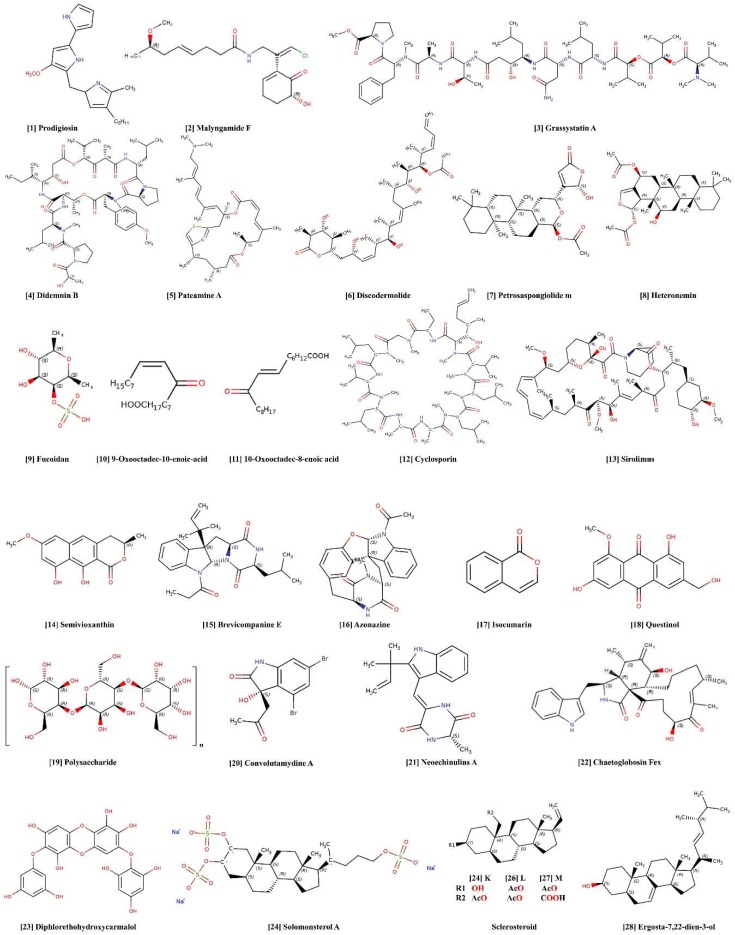
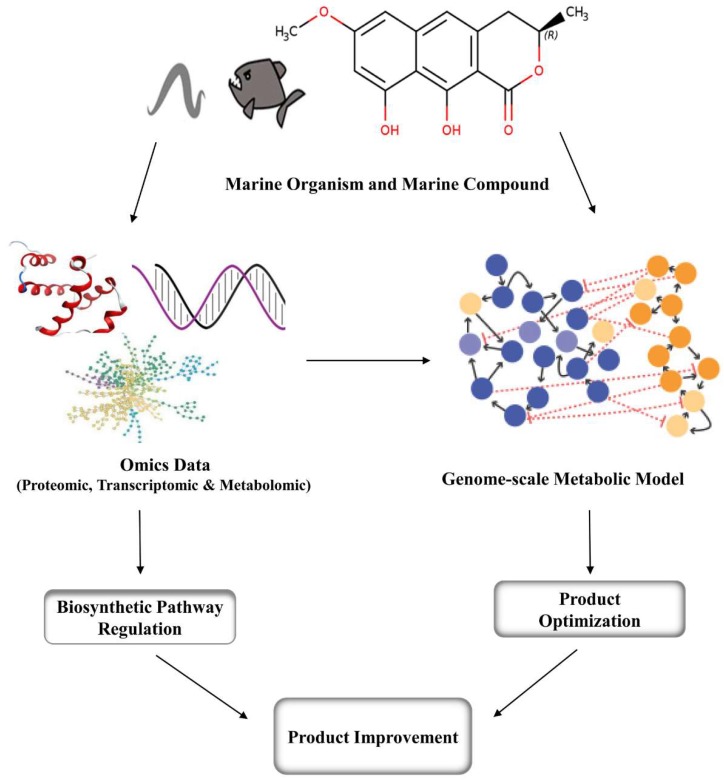
Marine flora is taxonomically diverse, biologically active, and chemically unique. It is an excellent resource, which offers great opportunities for the discovery of new biopharmaceuticals such as immunomodulators and drugs targeting cancerous, inflammatory, microbial, and fungal diseases. The ability of some marine molecules to mediate specific inhibitory activities has been demonstrated in a range of cellular processes, including apoptosis, angiogenesis, and cell migration and adhesion. Immunomodulators have been shown to have significant therapeutic effects on immune-mediated diseases, but the search for safe and effective immunotherapies for other diseases such as sinusitis, atopic dermatitis, rheumatoid arthritis, asthma and allergies is ongoing. This review focuses on the marine-originated bioactive molecules with immunomodulatory potential, with a particular focus on the molecular mechanisms of specific agents with respect to their targets. It also addresses the commercial utilization of these compounds for possible drug improvement using metabolic engineering and genomics.
海洋植物在分类上多种多样,具有生物活性和化学独特性。它是一个极好的资源,为发现新的生物制药提供了巨大的机会,如免疫调节剂和针对癌症、炎症、微生物和真菌疾病的药物。一些海洋分子在包括细胞凋亡、血管生成以及细胞迁移和黏附在内的多种细胞过程中具有介导特定抑制活性的能力已经得到证实。免疫调节剂已被证明对免疫介导的疾病具有显著的治疗效果,但对于其他疾病(如鼻窦炎、特应性皮炎、类风湿性关节炎、哮喘和过敏)的安全有效的免疫疗法仍在探索中。本综述重点介绍具有免疫调节潜力的海洋来源的生物活性分子,特别关注特定药物的分子机制及其靶标。它还讨论了使用代谢工程和基因组学来改善这些化合物的商业利用,以开发可能的药物。