Nagarajan Kanipandian, Soundarapandian Kannan, Thorne Rick F, Li Dongxiao, Li Deyu
Department of Hepato-Biliary Pancreatic Surgery, Henan Provincial People's Hospital, Zhengzhou, Henan Province, People's Republic of China.
Proteomics and Molecular Cell Physiology Laboratory, Department of Zoology, Periyar University, Salem - 636 011, Tamil Nadu, India.
Transl Oncol. 2019 Jul;12(7):925-931. doi: 10.1016/j.tranon.2019.04.010. Epub 2019 May 11.
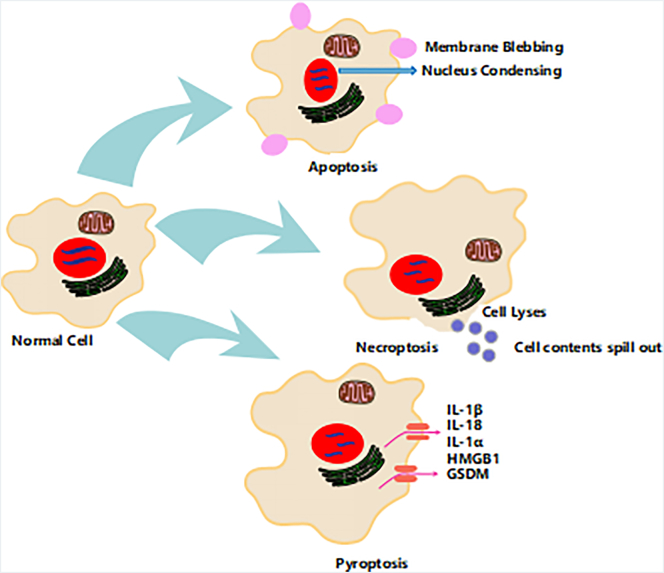
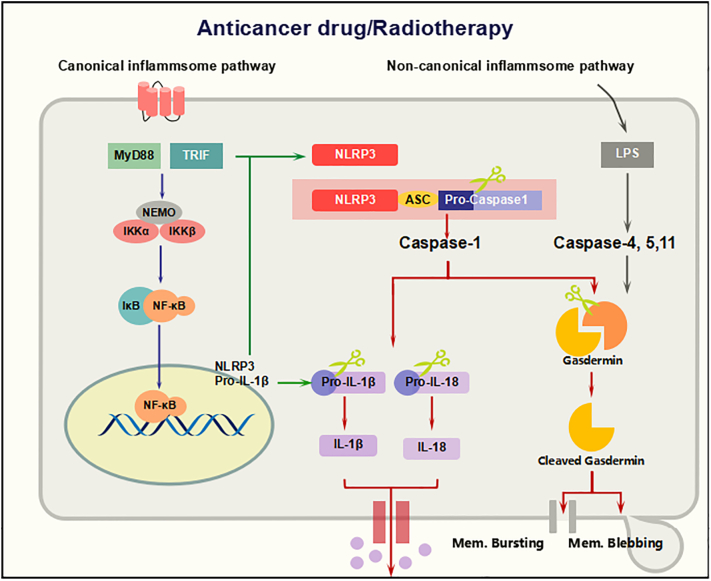
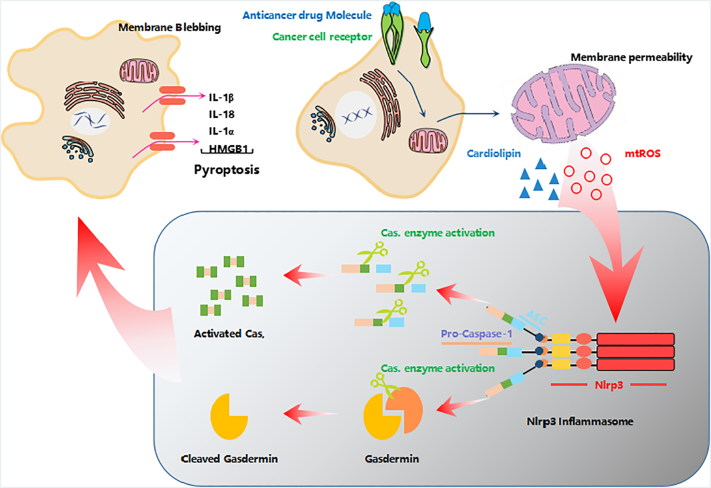
Cancer can be considered the result of a series of genetic variations that lead to a normal cell being transformed into a malignant one while avoiding cell death-atypical characteristics of tumor development. Although a large number of genomics and epigenetic alterations have been identified in cells undergoing apoptotic, autophagic or necrotic cell death, the treatment of cancer remains thought-provoking. Pyroptosis is differentiated from other types of programmed cell death and is mainly activated by Caspase-1. To initiate pyroptosis, cells receive specific "death" messages, produce cytokines, swell, burst, and ultimately die. The deficiency of Caspase-1 expression may lead to inflammation-mediated tumor progression. Hence, the molecular mechanisms for the Caspase-1 activation in tumor tissues are yet to be exploited extensively. This review aims to summarise the latest discoveries about pyroptosis and its new exciting role in inducing cancer cell death.
癌症可被视为一系列基因变异的结果,这些变异导致正常细胞转变为恶性细胞,同时避免细胞死亡——这是肿瘤发展的非典型特征。尽管在经历凋亡、自噬或坏死性细胞死亡的细胞中已鉴定出大量基因组学和表观遗传学改变,但癌症的治疗仍然发人深省。细胞焦亡不同于其他类型的程序性细胞死亡,主要由半胱天冬酶-1激活。为启动细胞焦亡,细胞接收特定的“死亡”信号,产生细胞因子,肿胀、破裂,最终死亡。半胱天冬酶-1表达的缺陷可能导致炎症介导的肿瘤进展。因此,肿瘤组织中半胱天冬酶-1激活的分子机制尚未得到广泛研究。本综述旨在总结关于细胞焦亡及其在诱导癌细胞死亡中令人兴奋的新作用的最新发现。