Zhang Qiming, Yu Haoyi, Barbiero Martina, Wang Baokai, Gu Min
Laboratory of Artificial-Intelligence Nanophotonics, School of Science, RMIT University, Melbourne, VIC 3001 Australia.
Light Sci Appl. 2019 May 8;8:42. doi: 10.1038/s41377-019-0151-0. eCollection 2019.
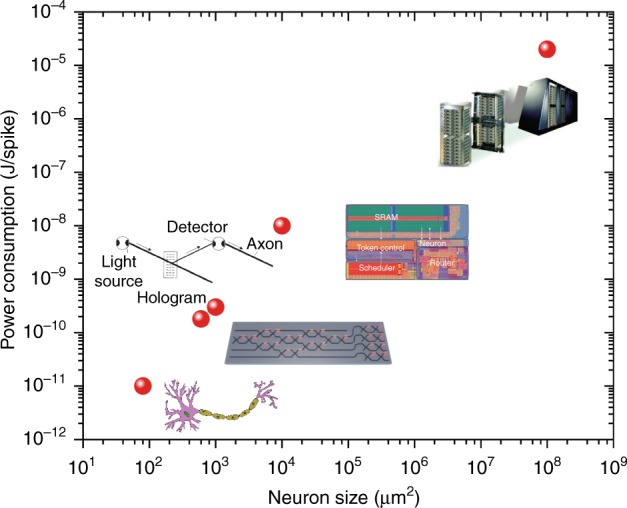
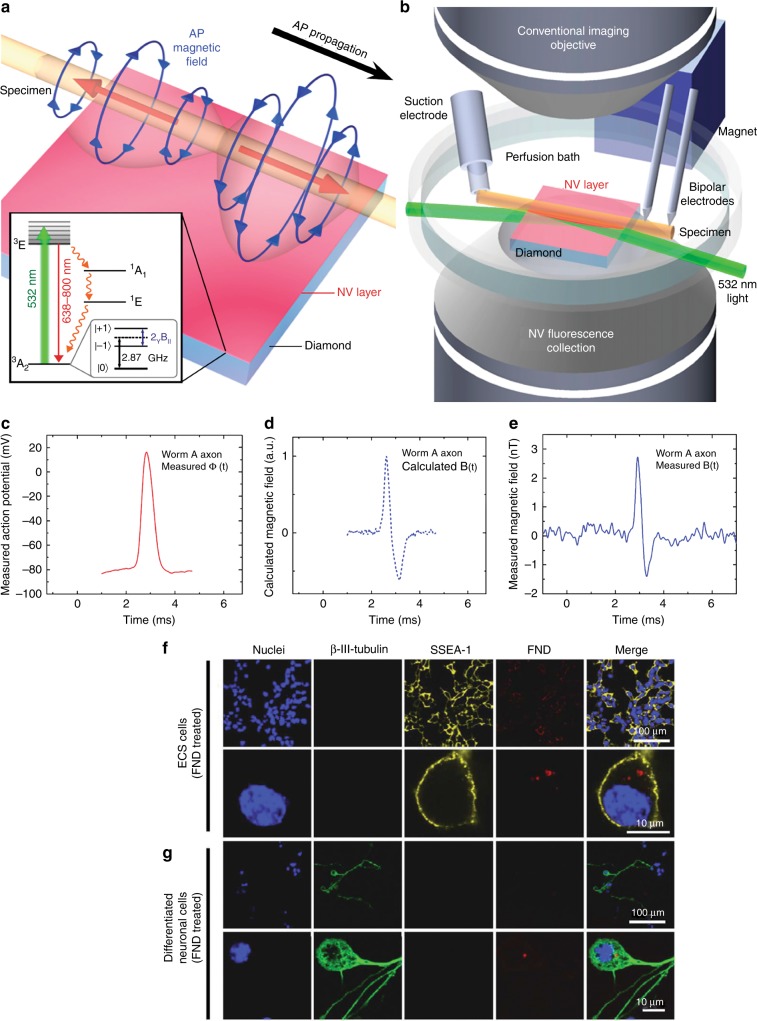
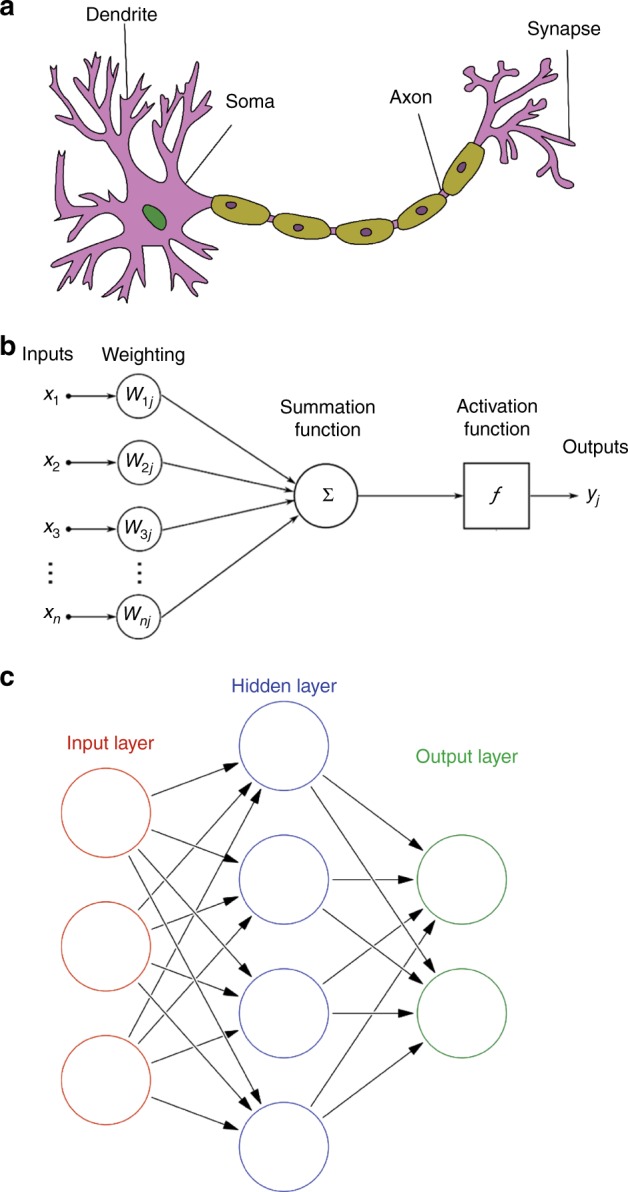
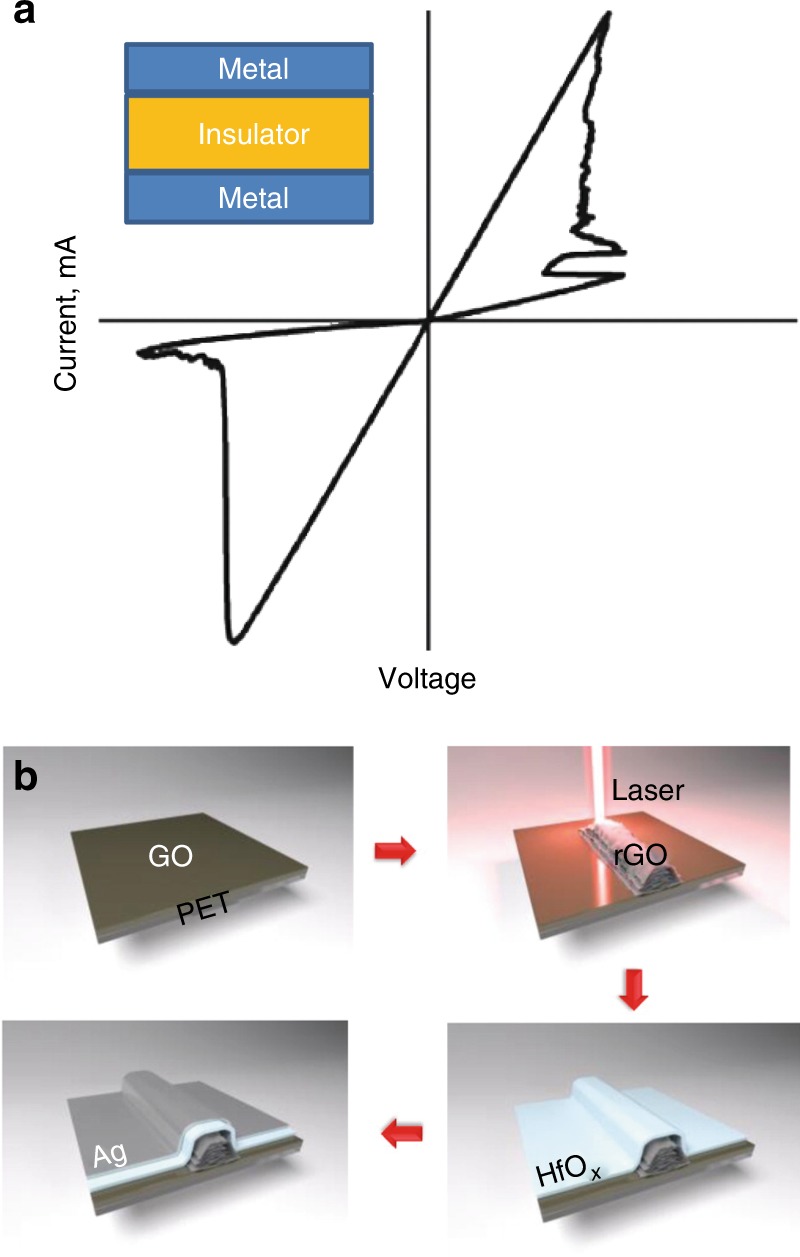
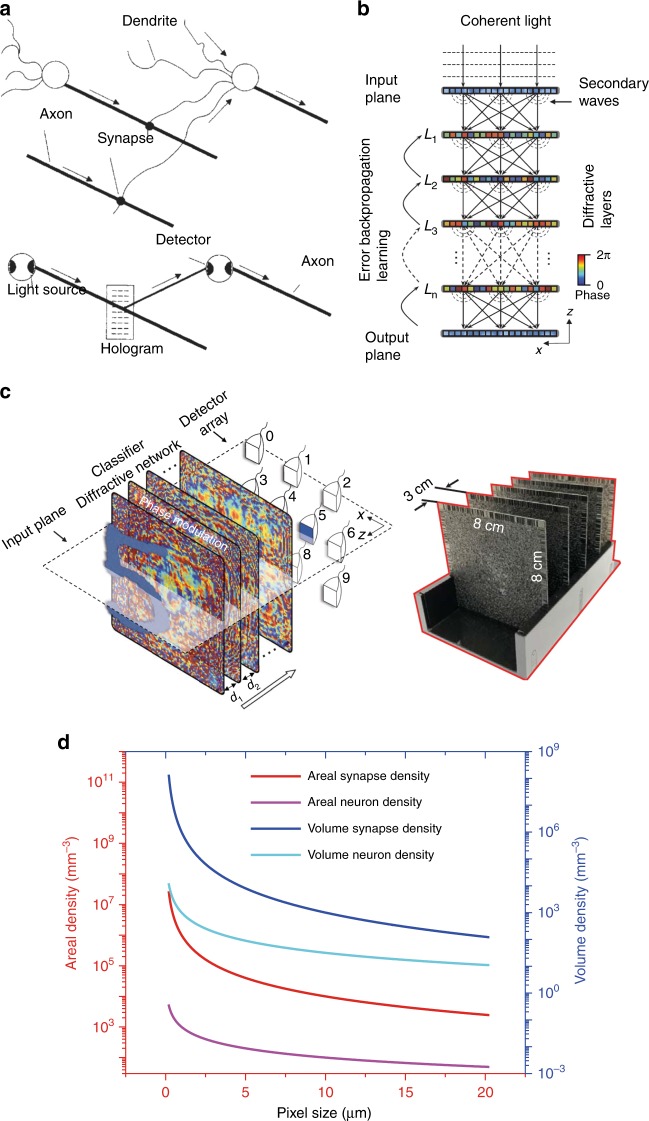
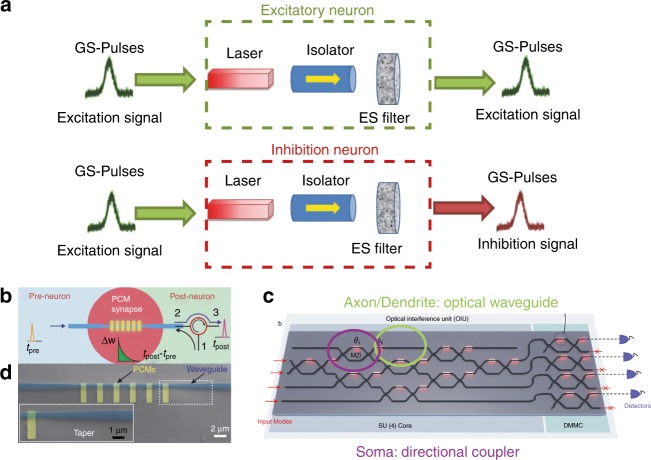
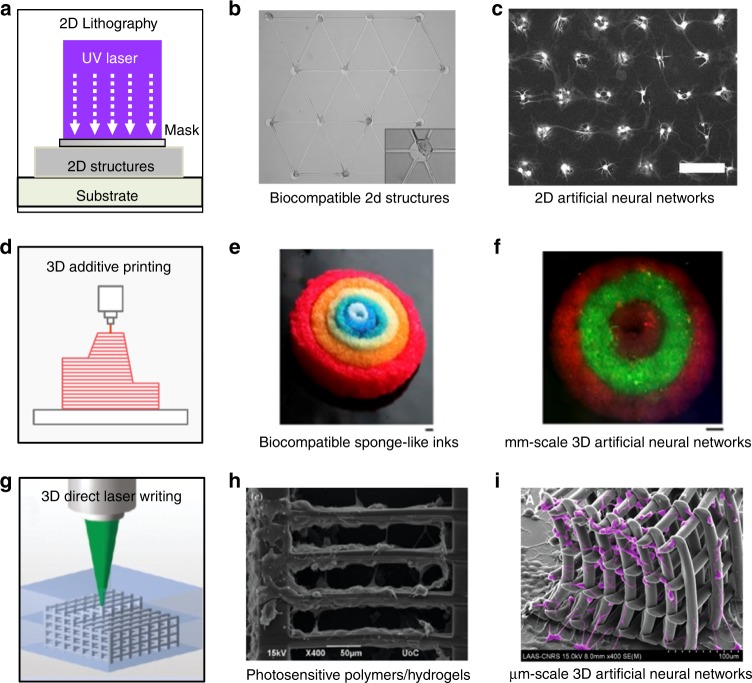
The growing demands of brain science and artificial intelligence create an urgent need for the development of artificial neural networks (ANNs) that can mimic the structural, functional and biological features of human neural networks. Nanophotonics, which is the study of the behaviour of light and the light-matter interaction at the nanometre scale, has unveiled new phenomena and led to new applications beyond the diffraction limit of light. These emerging nanophotonic devices have enabled scientists to develop paradigm shifts of research into ANNs. In the present review, we summarise the recent progress in nanophotonics for emulating the structural, functional and biological features of ANNs, directly or indirectly.
脑科学和人工智能不断增长的需求,迫切需要开发能够模仿人类神经网络的结构、功能和生物学特征的人工神经网络(ANN)。纳米光子学是研究光在纳米尺度下的行为以及光与物质相互作用的学科,它揭示了新的现象,并带来了超越光衍射极限的新应用。这些新兴的纳米光子器件使科学家们能够对人工神经网络的研究实现范式转变。在本综述中,我们总结了纳米光子学在直接或间接模拟人工神经网络的结构、功能和生物学特征方面的最新进展。