School of Kinesiology, University of Michigan, Ann Arbor, MI, United States of America.
Department of Pharmaceutical Sciences, College of Pharmacy, University of Michigan, Ann Arbor, MI, United States of America.
PLoS One. 2019 May 23;14(5):e0217214. doi: 10.1371/journal.pone.0217214. eCollection 2019.
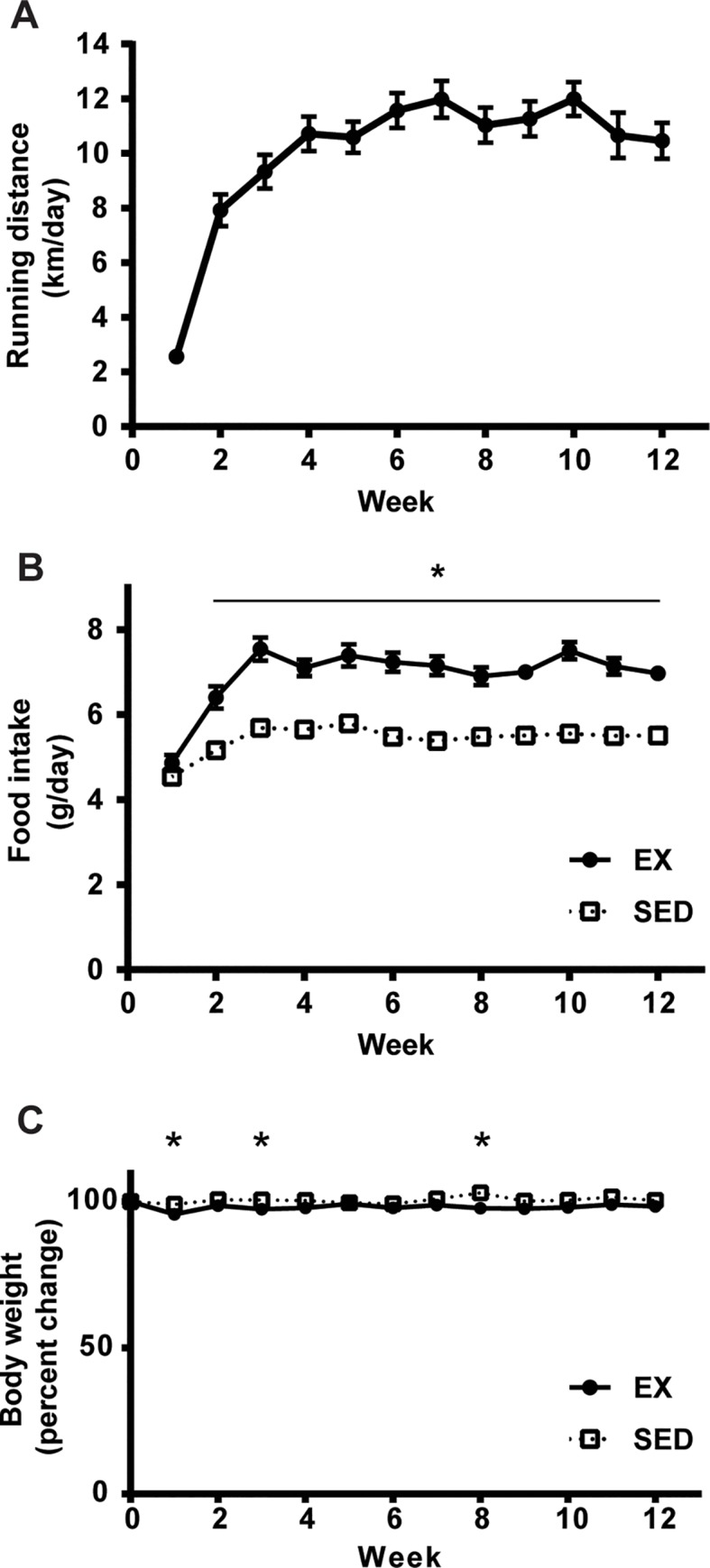
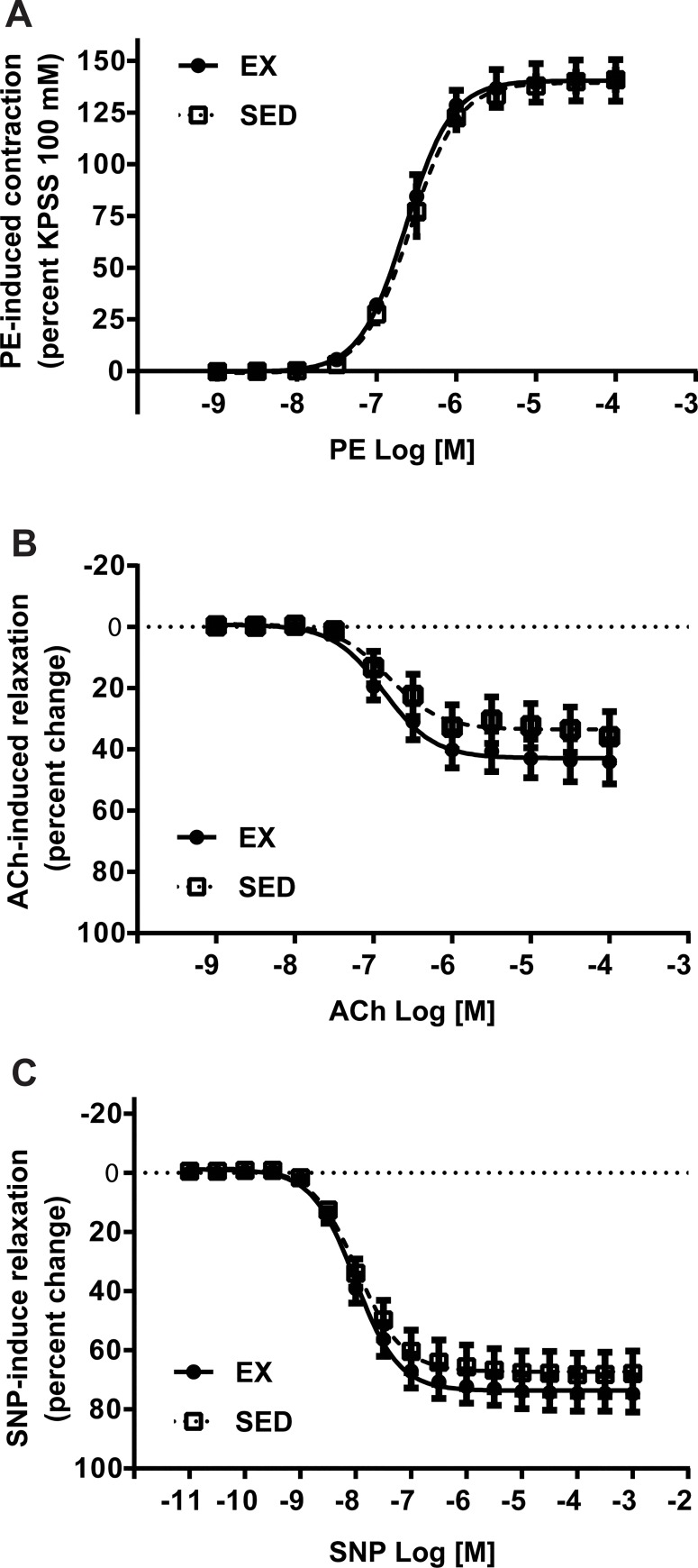
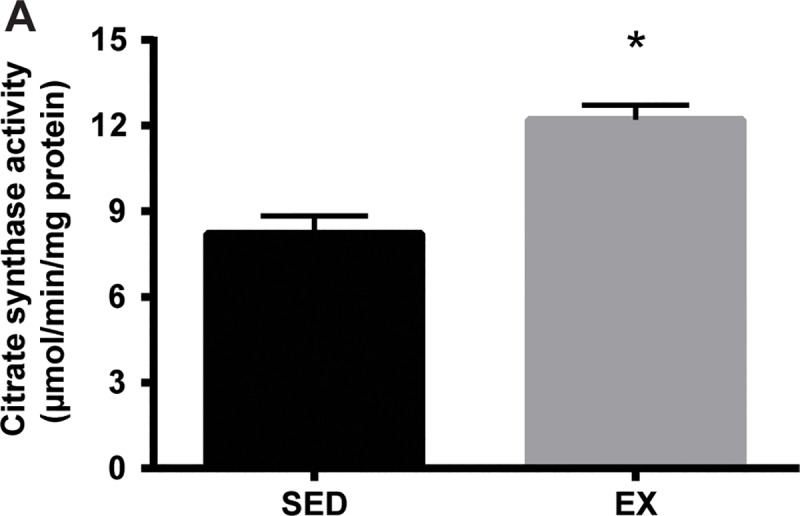
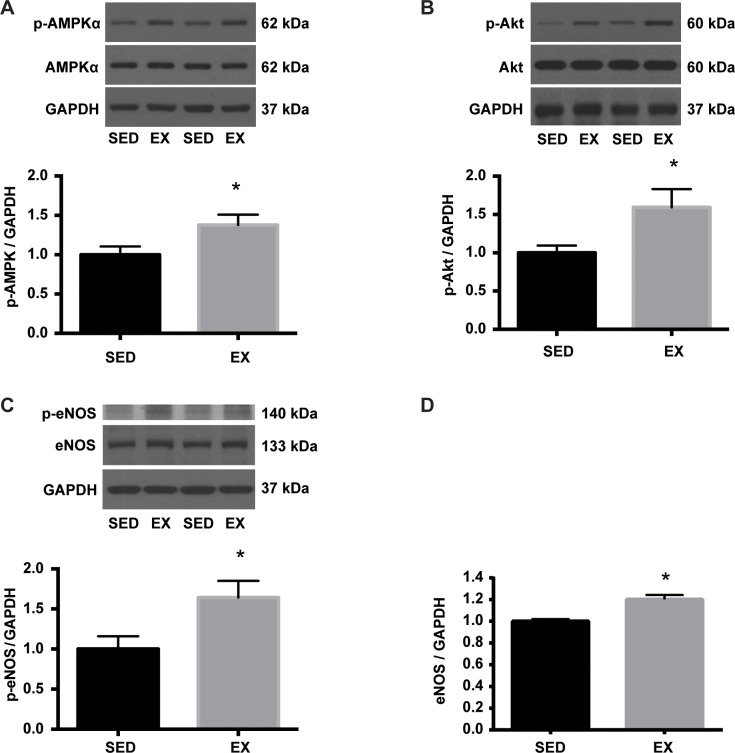
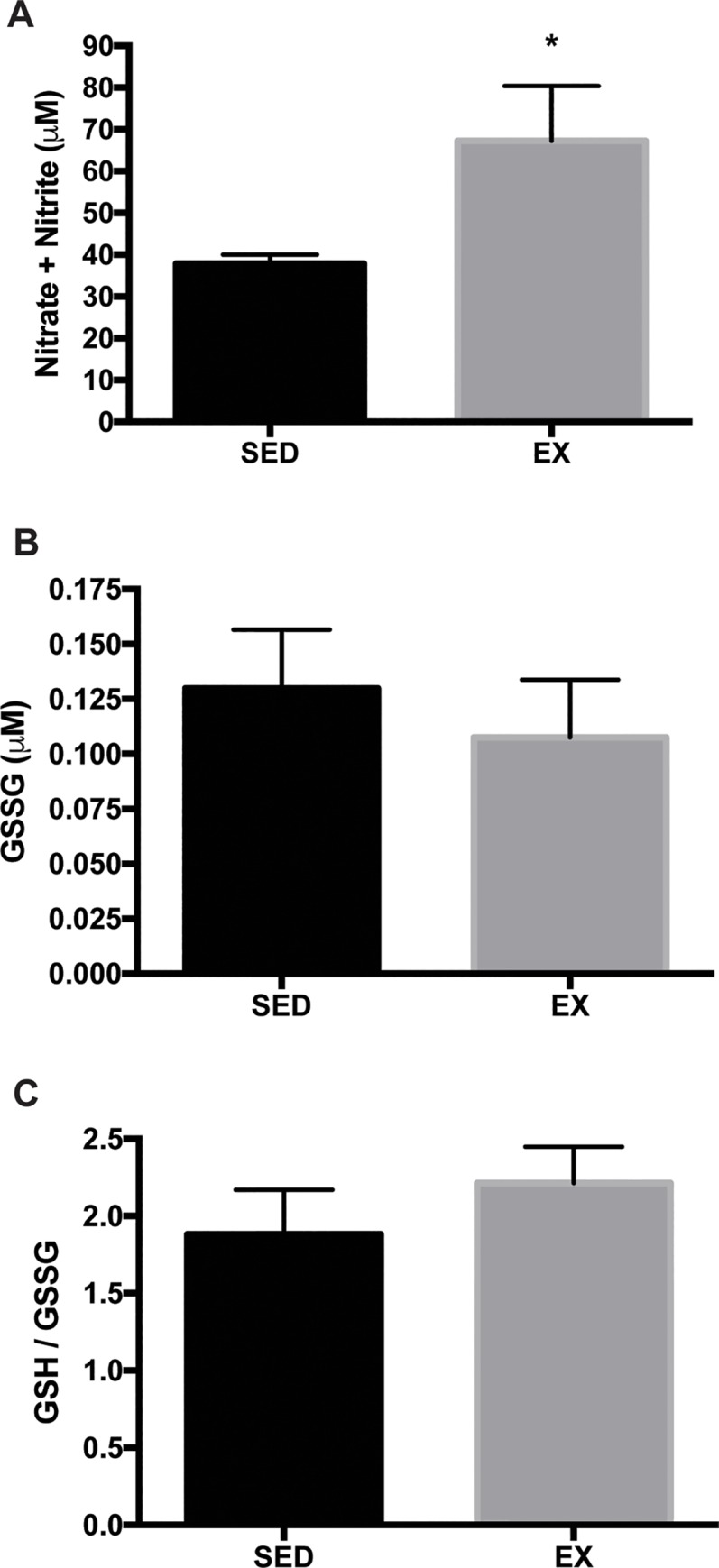
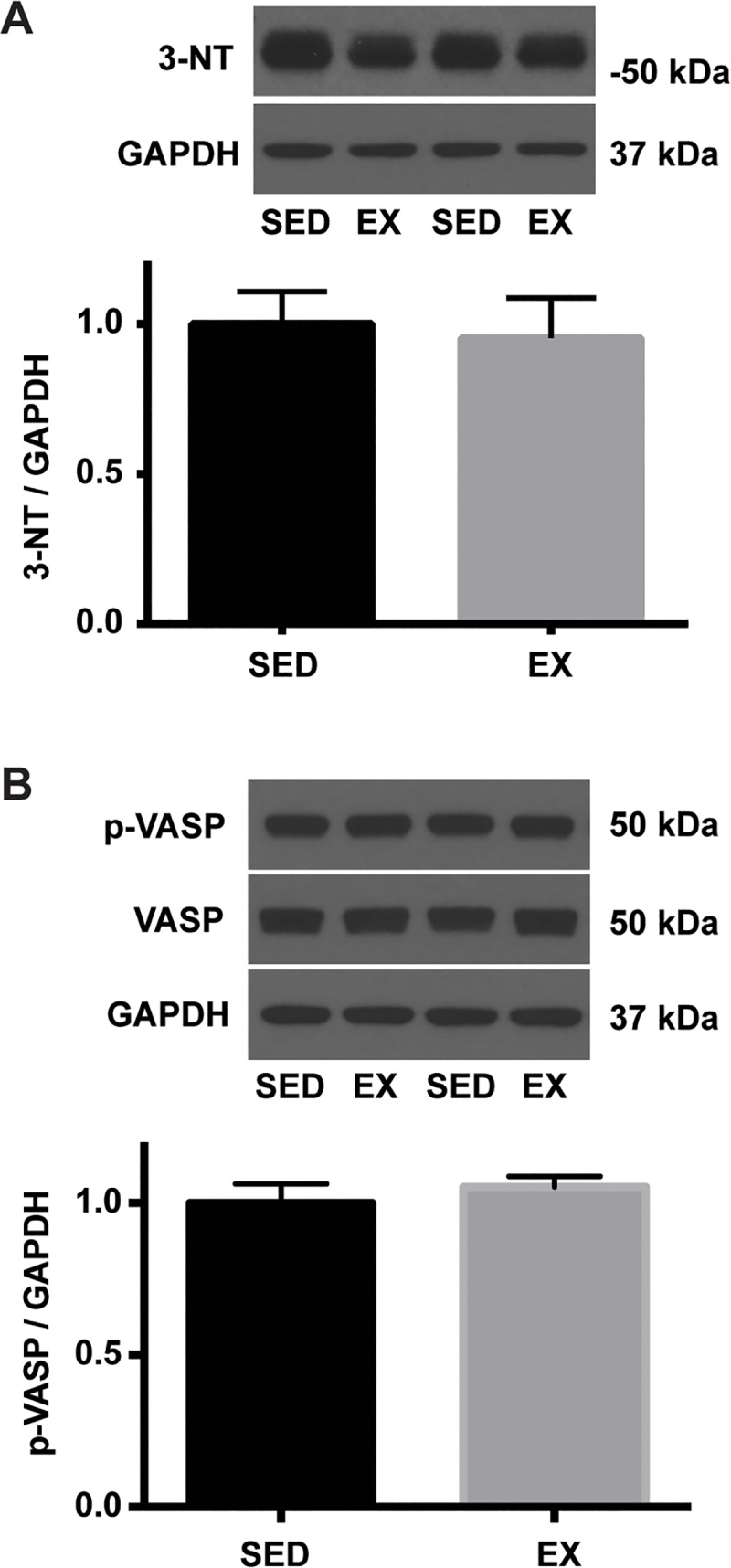
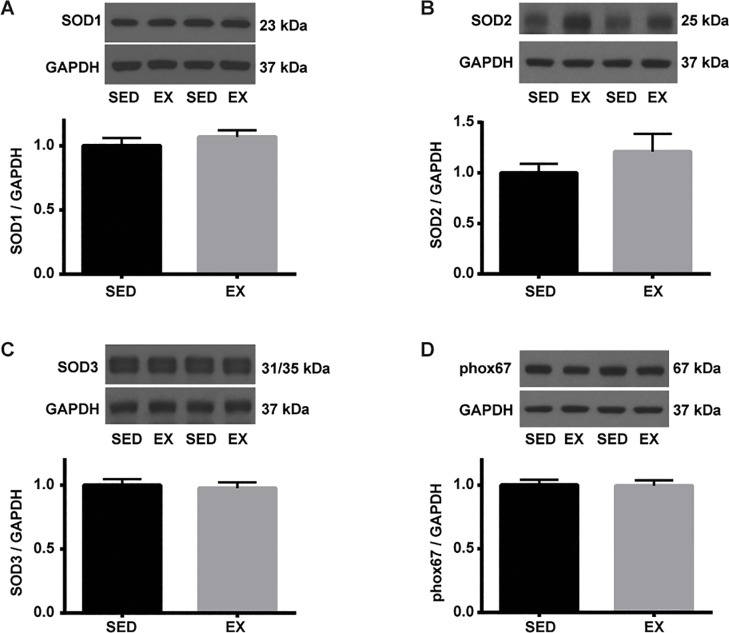
Fabry disease is caused by loss of activity of the lysosomal hydrolase α-galactosidase A (GLA). Premature life-threatening complications in Fabry patients arise from cardiovascular disease, including stroke and myocardial infarction. Exercise training has been shown to improve endothelial dysfunction in various settings including coronary artery disease. However, the effects of exercise training on endothelial dysfunction in Fabry disease have not been investigated. Gla knockout mice were single-housed in a cage equipped with a voluntary wheel (EX) or no wheel (SED) for 12 weeks. Exercised mice ran 10 km/day on average during the voluntary running intervention (VR) period. Despite significantly higher food intake in EX than SED, body weights of EX and SED remained stable during the VR period. After the completion of VR, citrate synthase activity in gastrocnemius muscle was significantly higher in EX than SED. VR resulted in greater phosphorylation of Akt (S473) and AMPK (T172) in the aorta of EX compared to SED measured by western blot. Furthermore, VR significantly enhanced eNOS protein expression and phosphorylation at S1177 by 20% and 50% in the aorta of EX when compared with SED. Similarly, plasma nitrate and nitrite levels were 77% higher in EX than SED. In contrast, measures of anti- and pro-oxidative enzymes (superoxide dismutase and p67phox subunit of NADPH oxidase) and overall oxidative stress (plasma oxidized glutathione) were not different between groups. Although the aortic endothelial relaxation to acetylcholine was slightly increased in EX, it did not reach statistical significance. This study provides the first evidence that VR improves Akt/AMPK/eNOS signaling cascades, but not endothelial function in the aorta of aged Gla deficient mice.
法布里病是由于溶酶体水解酶α-半乳糖苷酶 A(GLA)的活性丧失引起的。法布里病患者的心血管疾病(包括中风和心肌梗死)会导致危及生命的过早并发症。运动训练已被证明可改善各种情况下的内皮功能障碍,包括冠状动脉疾病。然而,运动训练对法布里病患者内皮功能障碍的影响尚未得到研究。Gla 敲除小鼠被单独饲养在一个配备有自由轮(EX)或无轮(SED)的笼子中 12 周。运动组的小鼠在自愿跑步干预(VR)期间平均每天跑 10 公里。尽管 EX 的食物摄入量明显高于 SED,但 EX 和 SED 的体重在 VR 期间保持稳定。在 VR 结束后,比目鱼肌中的柠檬酸合酶活性在 EX 中明显高于 SED。与 SED 相比,EX 主动脉中的 Akt(S473)和 AMPK(T172)磷酸化在 VR 后显著增加。此外,与 SED 相比,VR 可使主动脉中 eNOS 蛋白表达和 S1177 磷酸化分别增加 20%和 50%。同样,EX 中的血浆硝酸盐和亚硝酸盐水平比 SED 高 77%。相比之下,两组之间的抗氧化和促氧化酶(超氧化物歧化酶和 NADPH 氧化酶的 p67phox 亚基)和总体氧化应激(血浆氧化型谷胱甘肽)的测量值没有差异。尽管 EX 中乙酰胆碱诱导的主动脉内皮松弛略有增加,但未达到统计学意义。这项研究首次提供了证据,证明 VR 可改善 Akt/AMPK/eNOS 信号通路,但不能改善 aged Gla 缺陷型小鼠主动脉的内皮功能。