Zhang Lingling, Babu Sabarish V, Jindal Meenu, Williams Joel E, Gimbel Ronald W
College of Nursing and Health Sciences, University of Massachusetts Boston, Boston, MA, United States.
School of Computing, Clemson University, Clemson, SC, United States.
JMIR Res Protoc. 2019 May 23;8(5):e13502. doi: 10.2196/13502.
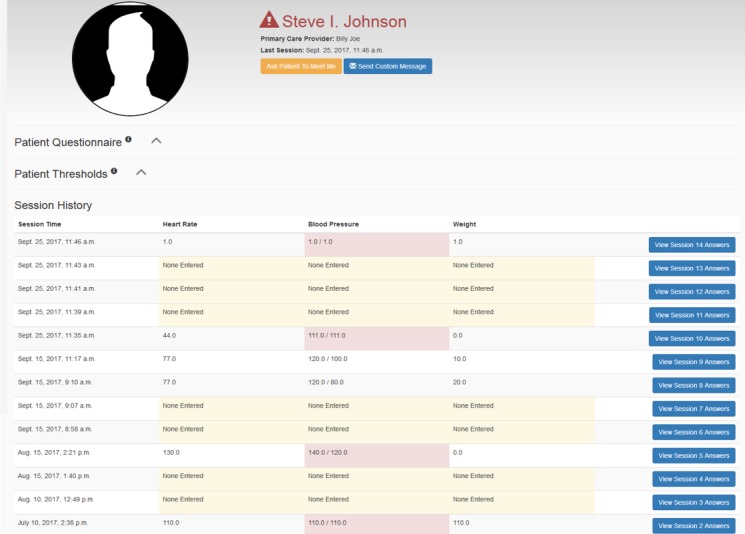
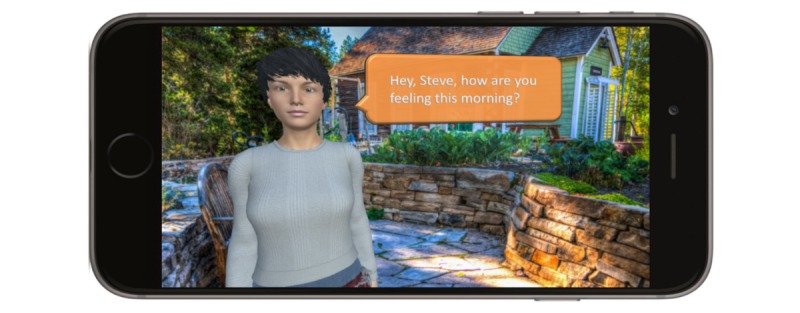
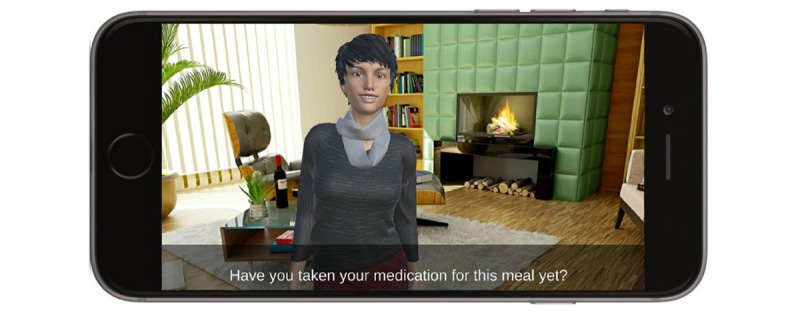
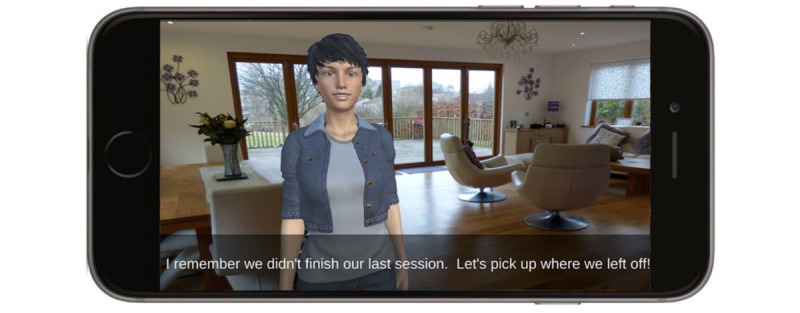
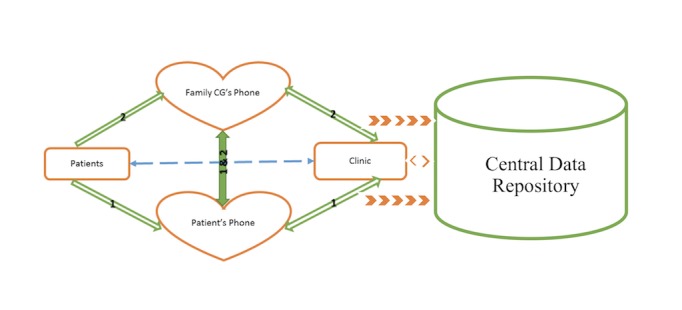
Heart failure (HF) causes significant economic and humanistic burden for patients and their families, especially those with a low income, partly due to high hospital readmission rates. Optimal self-care is considered an important nonpharmacological aspect of HF management that can improve health outcomes. Emerging evidence suggests that self-management assisted by smartphone apps may reduce rehospitalization rates and improve the quality of life of patients. We developed a virtual human-assisted, patient-centered mobile health app (iHeartU) for patients with HF to enhance their engagement in self-management and improve their communication with health care providers and family caregivers. iHeartU may help patients with HF in self-management to reduce the technical knowledge and usability barrier while maintaining a low cost and natural, effective social interaction with the user.
With a standardized systematic usability assessment, this study had two objectives: (1) to determine the obstacles to effective and efficient use of iHeartU in patients with HF and (2) to evaluate of HF patients' adoption, satisfaction, and engagement with regard to the of iHeartU app.
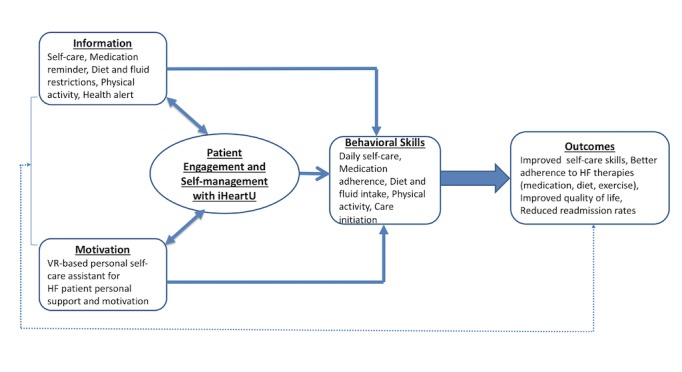
The basic methodology to develop iHeartU systems consists of a user-centric design, development, and mixed methods formative evaluation. The iterative design and evaluation are based on the guidelines of the American College of Cardiology Foundation and American Heart Association for the management of heart failure and the validated "Information, Motivation, and Behavioral skills" behavior change model. Our hypothesis is that this method of a user-centric design will generate a more usable, useful, and easy-to-use mobile health system for patients, caregivers, and practitioners.
The prototype of iHeartU has been developed. It is currently undergoing usability testing. As of September 2018, the first round of usability testing data have been collected. The final data collection and analysis are expected to be completed by the end of 2019.
The main contribution of this project is the development of a patient-centered self-management system, which may support HF patients' self-care at home and aid in the communication between patients and their health care providers in a more effective and efficient way. Widely available mobile phones serve as care coordination and "no-cost" continuum of care. For low-income patients with HF, a mobile self-management tool will expand their accessibility to care and reduce the cost incurred due to emergency visits or readmissions. The user-centered design will improve the level of engagement of patients and ultimately lead to better health outcomes. Developing and testing a novel mobile system for patients with HF that incorporates chronic disease management is critical for advancing research and clinical practice of care for them. This research fills in the gap in user-centric design and lays the groundwork for a large-scale population study in the next phase.
INTERNATIONAL REGISTERED REPORT IDENTIFIER (IRRID): DERR1-10.2196/13502.
心力衰竭(HF)给患者及其家庭带来了巨大的经济和人文负担,尤其是低收入患者,部分原因是高住院再入院率。最佳自我护理被认为是心力衰竭管理的一个重要非药物方面,可改善健康结局。新出现的证据表明,由智能手机应用程序辅助的自我管理可能会降低再住院率并提高患者的生活质量。我们为心力衰竭患者开发了一款以患者为中心的虚拟人类辅助移动健康应用程序(iHeartU),以增强他们在自我管理方面的参与度,并改善他们与医疗保健提供者及家庭护理人员的沟通。iHeartU可能有助于心力衰竭患者进行自我管理,减少技术知识和可用性障碍,同时保持低成本并与用户进行自然、有效的社交互动。
通过标准化的系统可用性评估,本研究有两个目的:(1)确定心力衰竭患者有效且高效使用iHeartU的障碍;(2)评估心力衰竭患者对iHeartU应用程序的采用情况、满意度和参与度。
开发iHeartU系统的基本方法包括以用户为中心的设计、开发和混合方法形成性评估。迭代设计和评估基于美国心脏病学基金会和美国心脏协会关于心力衰竭管理的指南以及经过验证的“信息、动机和行为技能”行为改变模型。我们的假设是,这种以用户为中心的设计方法将为患者、护理人员和从业者生成一个更易用、有用且易于使用的移动健康系统。
iHeartU的原型已经开发出来。目前正在进行可用性测试。截至2018年9月,第一轮可用性测试数据已经收集。最终数据收集和分析预计在2019年底完成。
该项目的主要贡献是开发了一个以患者为中心的自我管理系统,该系统可能支持心力衰竭患者在家中进行自我护理,并以更有效和高效的方式帮助患者与其医疗保健提供者之间进行沟通。广泛使用的手机可作为护理协调和“免费”的连续护理。对于低收入心力衰竭患者,移动自我管理工具将扩大他们获得护理的机会,并降低因急诊就诊或再入院而产生的费用。以用户为中心的设计将提高患者的参与度,并最终带来更好的健康结局。为心力衰竭患者开发并测试一种包含慢性病管理的新型移动系统对于推进他们的护理研究和临床实践至关重要。本研究填补了以用户为中心设计方面的空白,并为下一阶段的大规模人群研究奠定了基础。
国际注册报告识别码(IRRID):DERR1-10.2196/13502。