Liang Yan, Eudes Aymerick, Yogiswara Sasha, Jing Beibei, Benites Veronica T, Yamanaka Reo, Cheng-Yue Clarabelle, Baidoo Edward E, Mortimer Jenny C, Scheller Henrik V, Loqué Dominique
1Joint BioEnergy Institute, Emeryville, CA 94608 USA.
2Environmental Genomics and Systems Biology Division, Lawrence Berkeley National Laboratory, Berkeley, CA 94720 USA.
Biotechnol Biofuels. 2019 May 23;12:130. doi: 10.1186/s13068-019-1467-y. eCollection 2019.
Single guide RNA (sgRNA) selection is important for the efficiency of CRISPR/Cas9-mediated genome editing. However, in plants, the rules governing selection are not well established.
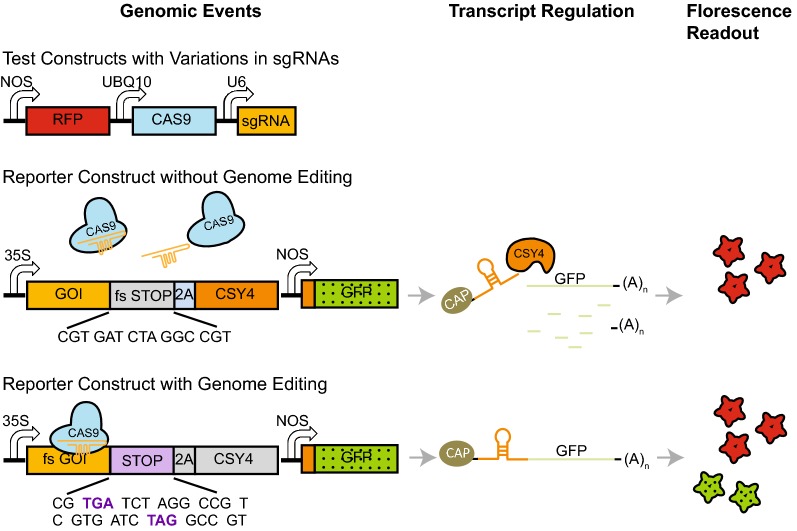
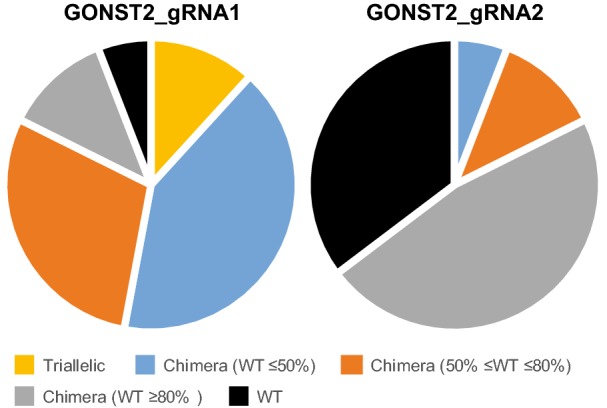
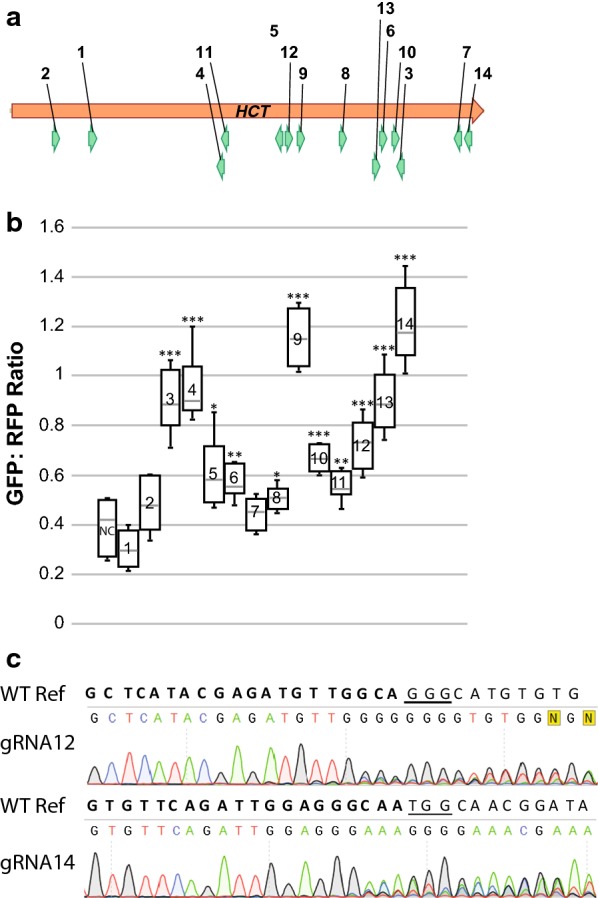
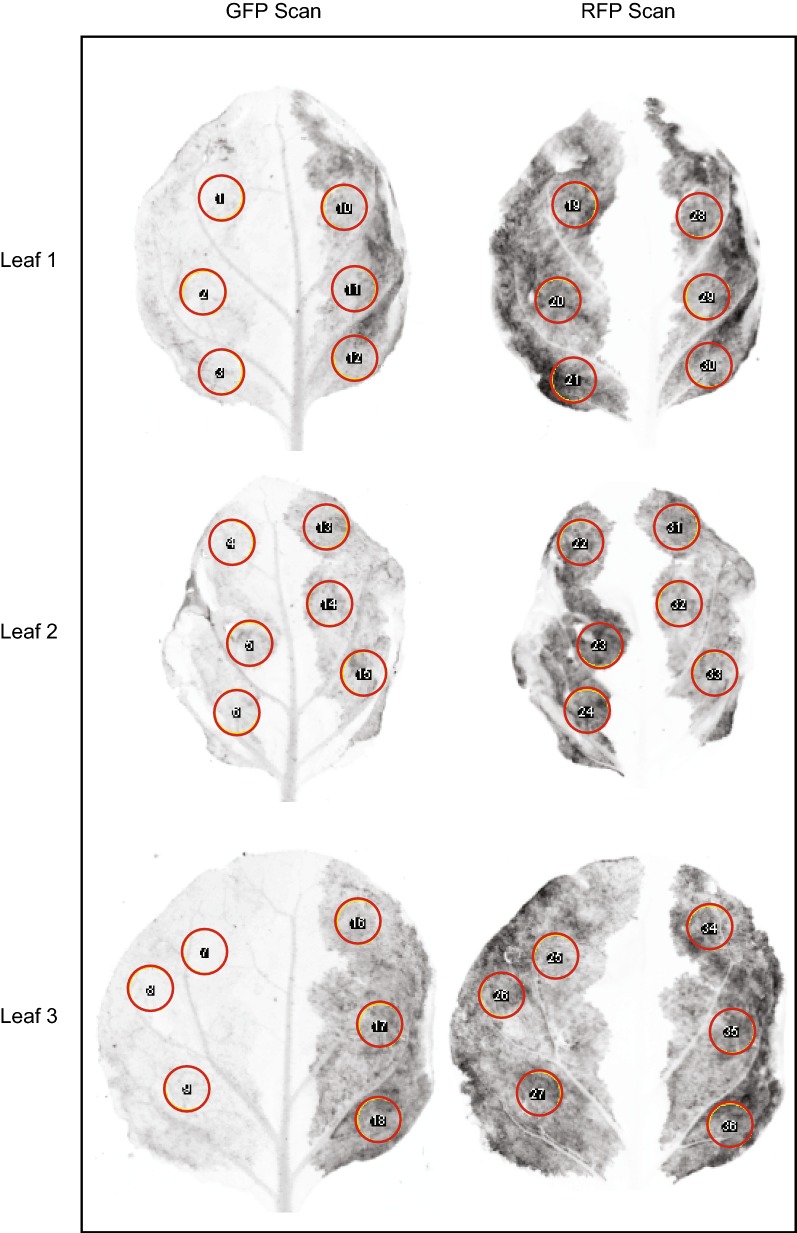
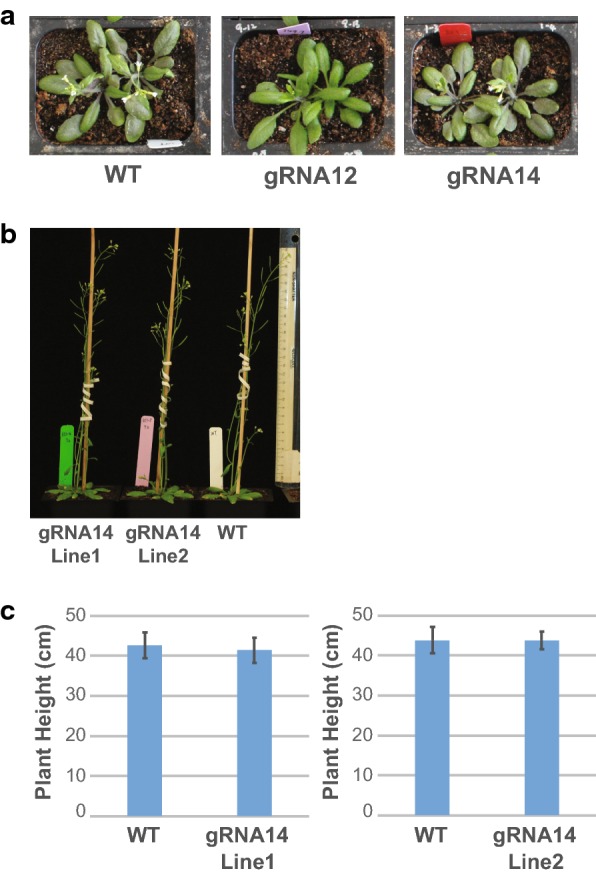
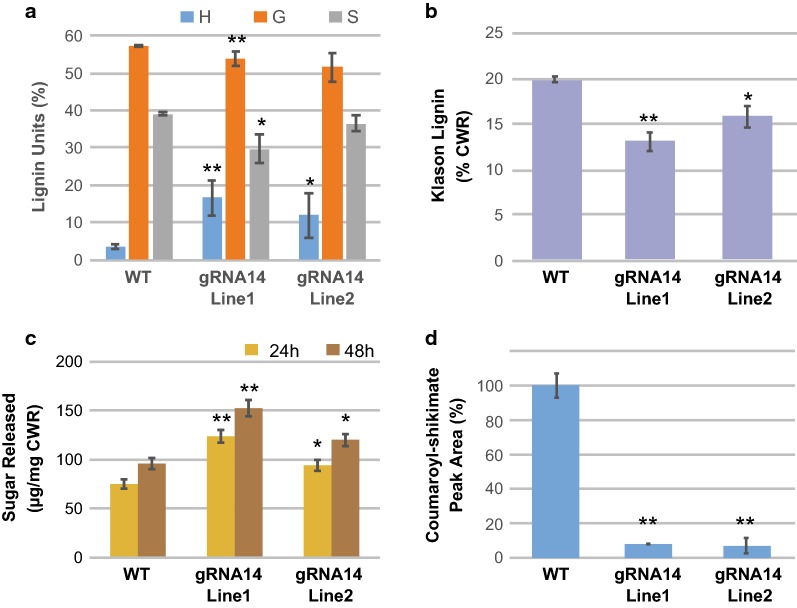
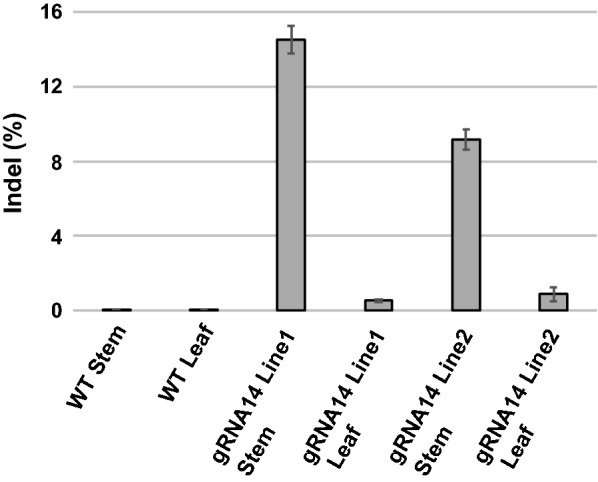
We developed a facile transient assay to screen sgRNA efficiency. We then used it to test top-performing bioinformatically predicted sgRNAs for two different Arabidopsis genes. In our assay, these sgRNAs had vastly different editing efficiencies, and these efficiencies were replicated in stably transformed Arabidopsis lines. One of the genes, -CoA (), is an essential gene, required for lignin biosynthesis. Previously, HCT function has been studied using gene silencing. Here, to avoid the negative growth effects that are due to the loss of HCT activity in xylem vessels, we used a fiber-specific promoter to drive CAS9 expression. Two independent transgenic lines showed the expected lignin decrease. Successful editing was confirmed via the observation of mutations at the target loci, as well as an approximately 90% decrease in HCT activity. Histochemical analysis and a normal growth phenotype support the fiber-specific knockout of . For the targeting of the second gene, - (), a highly efficient sgRNA drastically increased the rate of germline editing in T1 generation.
This screening method is widely applicable, and the selection and use of efficient sgRNAs will accelerate the process of expanding germplasm for both molecular breeding and research. In addition, this, to the best of our knowledge, is the first application of constrained genome editing to obtain chimeric plants of essential genes, thereby providing a dominant method to avoid lethal growth phenotypes.
单向导RNA(sgRNA)的选择对于CRISPR/Cas9介导的基因组编辑效率至关重要。然而,在植物中,选择的规则尚未完全确立。
我们开发了一种简便的瞬时检测方法来筛选sgRNA效率。然后我们用它来测试两个不同拟南芥基因在生物信息学预测方面表现最佳的sgRNA。在我们的检测中,这些sgRNA的编辑效率差异很大,并且这些效率在稳定转化的拟南芥株系中得到了重复。其中一个基因,咖啡酰辅酶A-O-甲基转移酶(HCT),是木质素生物合成所需的必需基因。此前,HCT功能已通过基因沉默进行了研究。在这里,为了避免由于木质部血管中HCT活性丧失而产生的负面生长影响,我们使用了纤维特异性启动子来驱动CAS9表达。两个独立的转基因株系显示出预期的木质素减少。通过观察目标位点的突变以及HCT活性降低约90%,证实了成功编辑。组织化学分析和正常生长表型支持了HCT的纤维特异性敲除。对于第二个基因,透明颤菌血红蛋白(VHb)的靶向,一种高效的sgRNA显著提高了T1代种系编辑的速率。
这种筛选方法具有广泛的适用性,高效sgRNA的选择和使用将加速分子育种和研究中种质扩展的进程。此外,据我们所知,这是首次应用受限基因组编辑来获得必需基因的嵌合体植物,从而提供了一种避免致死生长表型的主要方法。