Sapienza University of Rome, Physics Department, Piazzale Aldo Moro 2, 00185, Rome, Italy.
Sony Computer Science Laboratories, Paris, 6, rue Amyot, 75005, Paris, France.
Sci Rep. 2019 Jun 10;9(1):8364. doi: 10.1038/s41598-019-44655-9.
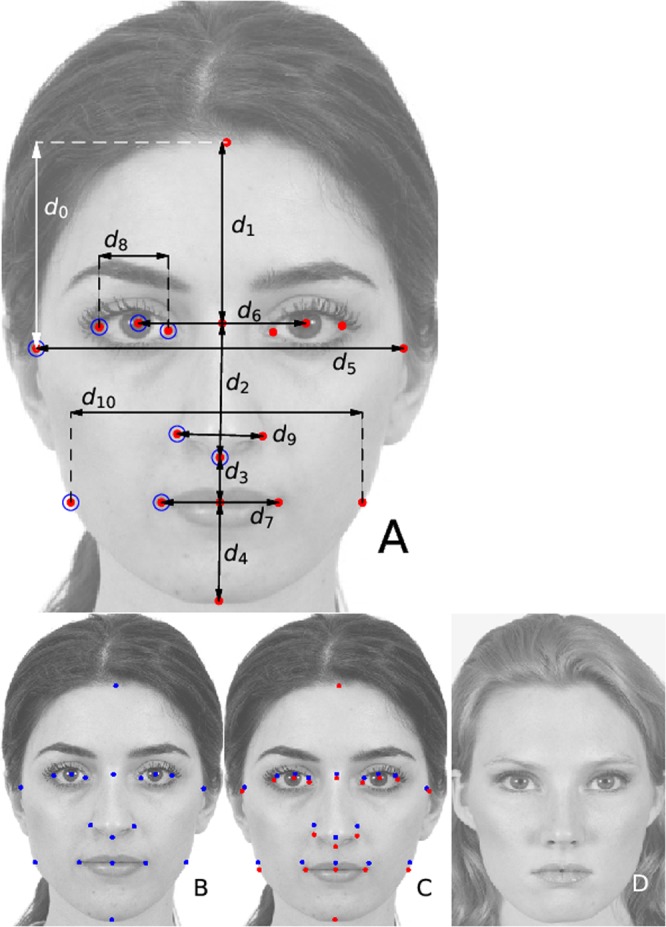
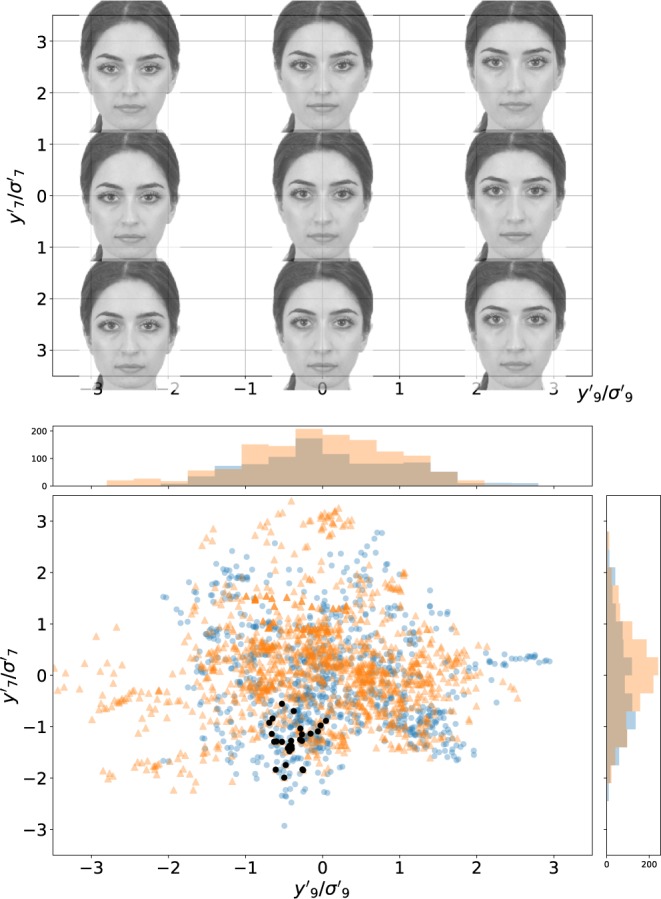
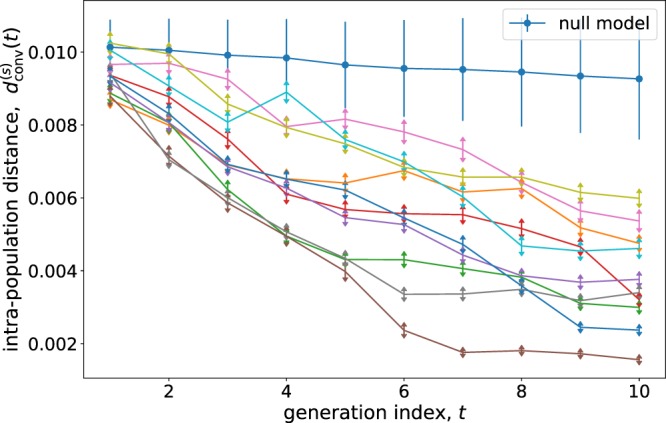
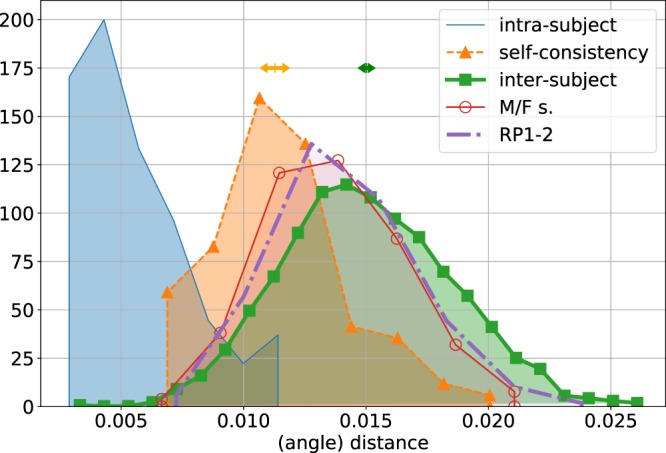
The origin and meaning of facial beauty represent a longstanding puzzle. Despite the profuse literature devoted to facial attractiveness, its very nature, its determinants and the nature of inter-person differences remain controversial issues. Here we tackle such questions proposing a novel experimental approach in which human subjects, instead of rating natural faces, are allowed to efficiently explore the face-space and "sculpt" their favorite variation of a reference facial image. The results reveal that different subjects prefer distinguishable regions of the face-space, highlighting the essential subjectivity of the phenomenon. The different sculpted facial vectors exhibit strong correlations among pairs of facial distances, characterising the underlying universality and complexity of the cognitive processes, and the relative relevance and robustness of the different facial distances.
面部之美起源与意义,一直以来都是未解之谜。尽管文献资料浩繁,皆聚焦于面部吸引力,但其本质、决定因素以及人际差异之本质,仍颇具争议。在此,我们提出一种新的实验方法,尝试解决此类问题,即让人类受测者在评价自然面部时,不仅能够高效探索面部空间,还能“塑造”其心仪的参考面部图像之变体。结果表明,不同受测者偏爱面部空间的不同可区分区域,突出了该现象的本质主观性。不同塑造的面部向量在面部距离之间具有很强的相关性,这体现了认知过程的潜在普遍性和复杂性,以及不同面部距离的相对相关性和稳健性。