• 文献检索
  • 文档翻译
  • 深度研究
  • 学术资讯
  • Suppr Zotero 插件Zotero 插件
  • 邀请有礼
  • 套餐&价格
  • 历史记录
应用&插件
Suppr Zotero 插件Zotero 插件浏览器插件Mac 客户端Windows 客户端微信小程序
定价
高级版会员购买积分包购买API积分包
服务
文献检索文档翻译深度研究API 文档MCP 服务
关于我们
关于 Suppr公司介绍联系我们用户协议隐私条款
关注我们

Suppr 超能文献

核心技术专利:CN118964589B侵权必究
粤ICP备2023148730 号-1Suppr @ 2026

文献检索

告别复杂PubMed语法,用中文像聊天一样搜索,搜遍4000万医学文献。AI智能推荐,让科研检索更轻松。

立即免费搜索

文件翻译

保留排版,准确专业,支持PDF/Word/PPT等文件格式,支持 12+语言互译。

免费翻译文档

深度研究

AI帮你快速写综述,25分钟生成高质量综述,智能提取关键信息,辅助科研写作。

立即免费体验

在产生熟练行为的过程中,准备和精确序列的神经元活动之间的转换。

Transitioning between preparatory and precisely sequenced neuronal activity in production of a skilled behavior.

机构信息

Department of Neuroscience, UT Southwestern Medical Center, Dallas, United States.

Department of Life Sciences, The University of Tokyo, Tokyo, Japan.

出版信息

Elife. 2019 Jun 11;8:e43732. doi: 10.7554/eLife.43732.

DOI:10.7554/eLife.43732
PMID:31184589
原文链接:https://pmc.ncbi.nlm.nih.gov/articles/PMC6592689/
Abstract

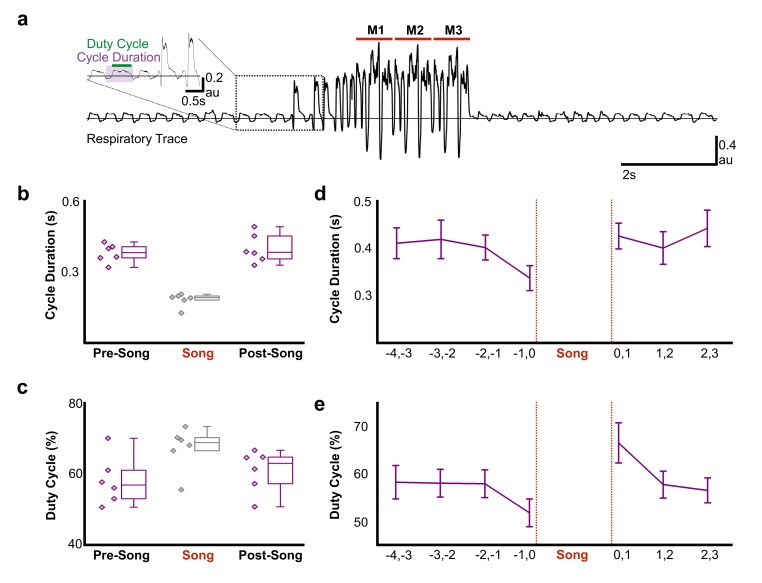
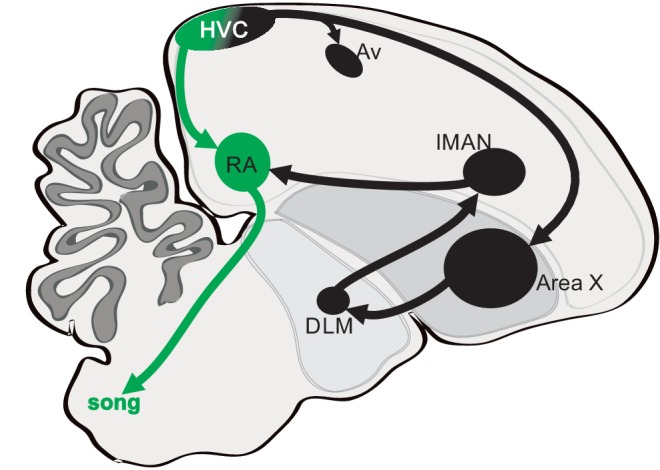
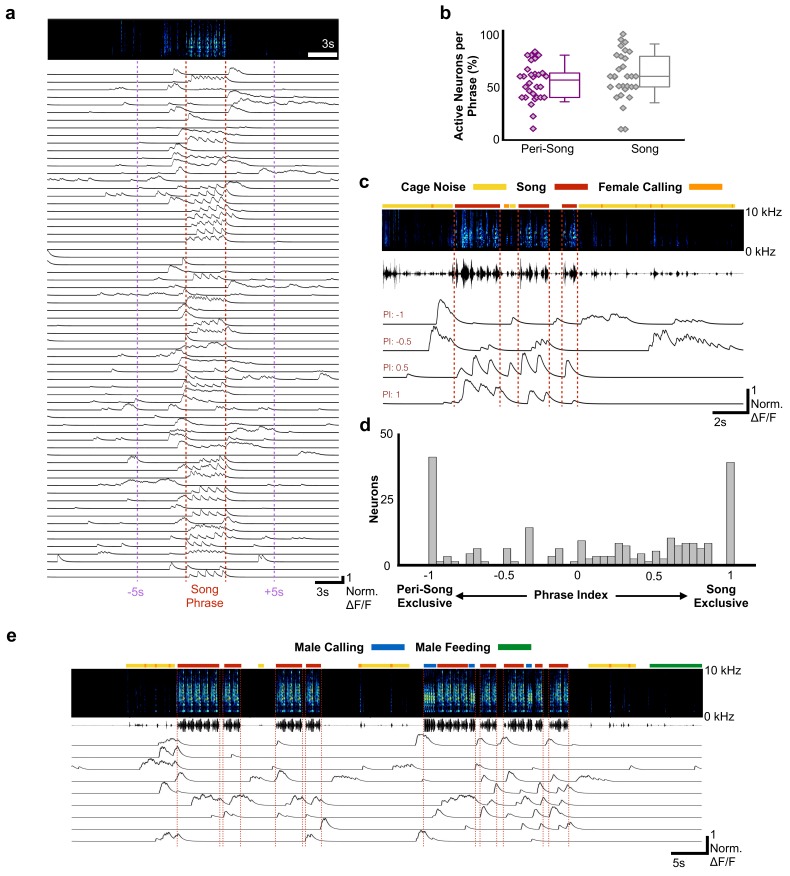
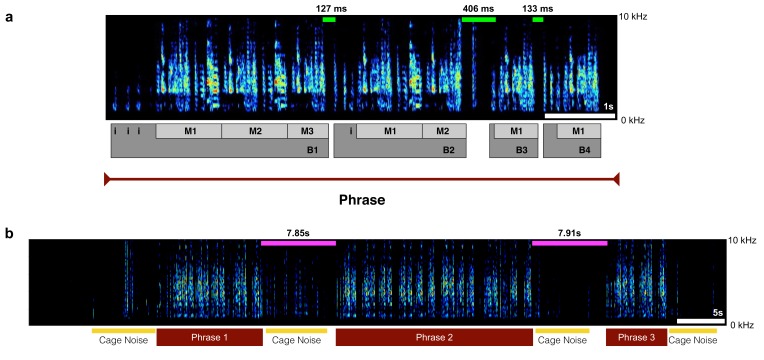
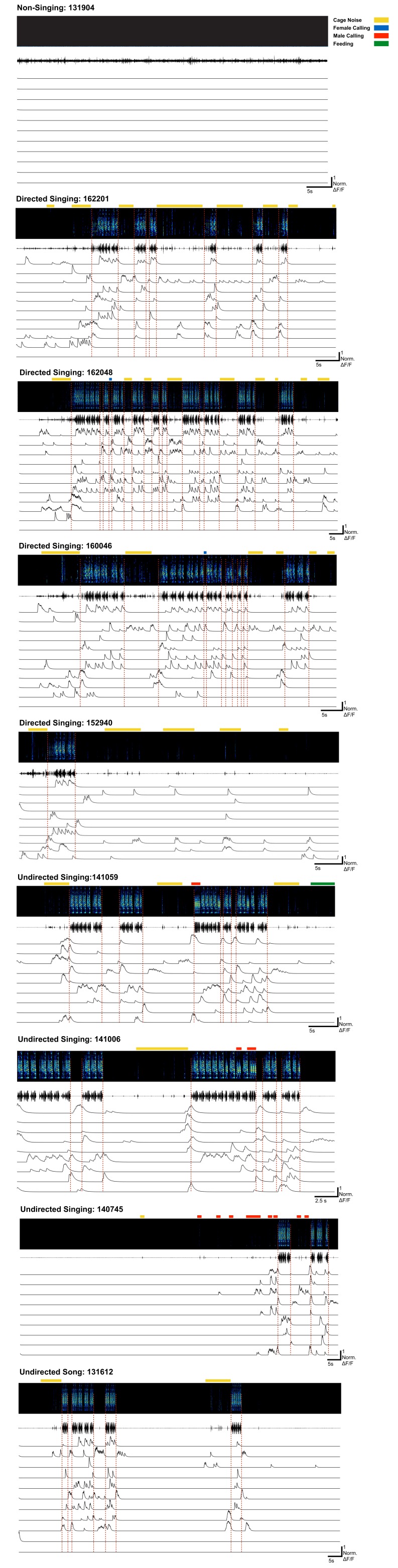
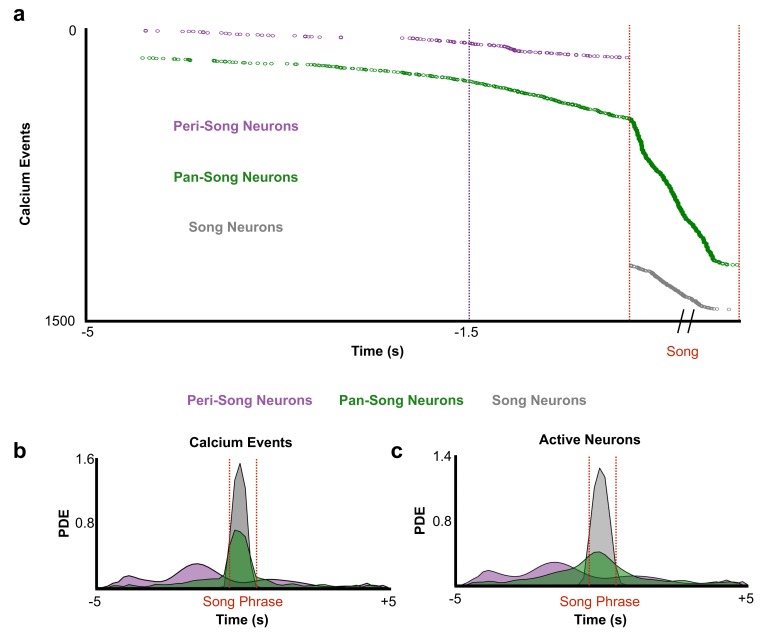
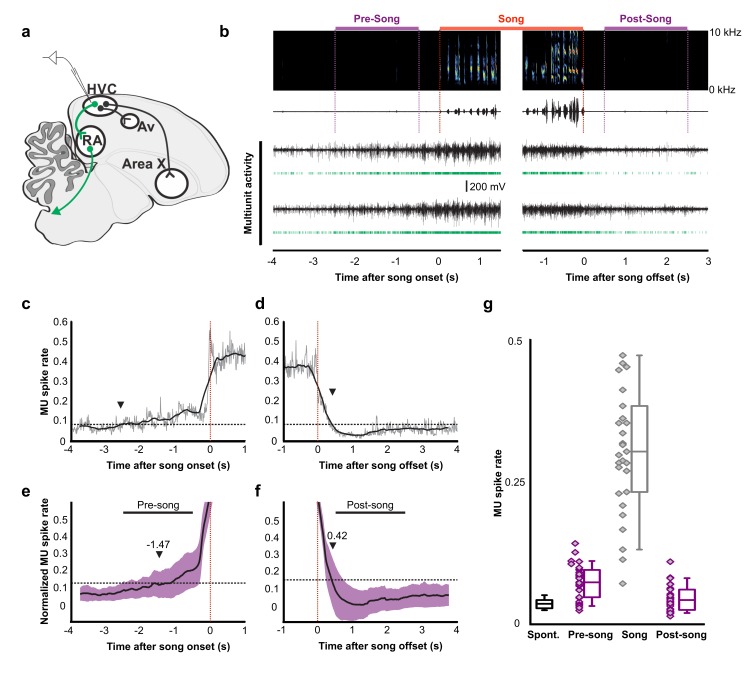
Precise neural sequences are associated with the production of well-learned skilled behaviors. Yet, how neural sequences arise in the brain remains unclear. In songbirds, premotor projection neurons in the cortical song nucleus HVC are necessary for producing learned song and exhibit precise sequential activity during singing. Using cell-type specific calcium imaging we identify populations of HVC premotor neurons associated with the beginning and ending of singing-related neural sequences. We characterize neurons that bookend singing-related sequences and neuronal populations that transition from sparse preparatory activity prior to song to precise neural sequences during singing. Recordings from downstream premotor neurons or the respiratory system suggest that pre-song activity may be involved in motor preparation to sing. These findings reveal population mechanisms associated with moving from non-vocal to vocal behavioral states and suggest that precise neural sequences begin and end as part of orchestrated activity across functionally diverse populations of cortical premotor neurons.

摘要

精确的神经序列与经过良好学习的熟练行为的产生有关。然而,大脑中神经序列是如何产生的仍然不清楚。在鸣禽中,皮质鸣禽核 HVC 中的运动前投射神经元对于产生习得的鸣唱是必需的,并且在鸣唱时表现出精确的序列活动。使用细胞类型特异性钙成像,我们确定了与鸣唱相关神经序列的开始和结束相关的 HVC 运动前神经元群体。我们描述了起始和结束鸣唱相关序列的神经元以及在鸣唱过程中从稀疏预备活动过渡到精确神经序列的神经元群体。来自下游运动前神经元或呼吸系统的记录表明,预鸣活动可能涉及到唱歌的运动准备。这些发现揭示了与从非发声行为状态到发声行为状态转变相关的群体机制,并表明精确的神经序列作为皮质运动前神经元功能多样的群体协调活动的一部分开始和结束。
https://cdn.ncbi.nlm.nih.gov/pmc/blobs/cb64/6592689/ac2d8e5961d1/elife-43732-fig6.jpg
https://cdn.ncbi.nlm.nih.gov/pmc/blobs/cb64/6592689/411decb616b1/elife-43732-fig1.jpg
https://cdn.ncbi.nlm.nih.gov/pmc/blobs/cb64/6592689/2700cde9ab3c/elife-43732-fig1-figsupp1.jpg
https://cdn.ncbi.nlm.nih.gov/pmc/blobs/cb64/6592689/1093c253c646/elife-43732-fig2.jpg
https://cdn.ncbi.nlm.nih.gov/pmc/blobs/cb64/6592689/6c12dcc1cdce/elife-43732-fig2-figsupp1.jpg
https://cdn.ncbi.nlm.nih.gov/pmc/blobs/cb64/6592689/15000efa19c6/elife-43732-fig2-figsupp2.jpg
https://cdn.ncbi.nlm.nih.gov/pmc/blobs/cb64/6592689/536f5e99b80e/elife-43732-fig2-figsupp3.jpg
https://cdn.ncbi.nlm.nih.gov/pmc/blobs/cb64/6592689/7670eb9c8a95/elife-43732-fig2-figsupp4.jpg
https://cdn.ncbi.nlm.nih.gov/pmc/blobs/cb64/6592689/4a8a1a0bebab/elife-43732-fig2-figsupp5.jpg
https://cdn.ncbi.nlm.nih.gov/pmc/blobs/cb64/6592689/b2ffcf34d781/elife-43732-fig2-figsupp6.jpg
https://cdn.ncbi.nlm.nih.gov/pmc/blobs/cb64/6592689/cf3dd5afbfca/elife-43732-fig2-figsupp7.jpg
https://cdn.ncbi.nlm.nih.gov/pmc/blobs/cb64/6592689/2882f7e4e3b2/elife-43732-fig2-figsupp8.jpg
https://cdn.ncbi.nlm.nih.gov/pmc/blobs/cb64/6592689/467cd815f438/elife-43732-fig2-figsupp9.jpg
https://cdn.ncbi.nlm.nih.gov/pmc/blobs/cb64/6592689/e4ed78f7d566/elife-43732-fig2-figsupp10.jpg
https://cdn.ncbi.nlm.nih.gov/pmc/blobs/cb64/6592689/4ea688c87848/elife-43732-fig2-figsupp11.jpg
https://cdn.ncbi.nlm.nih.gov/pmc/blobs/cb64/6592689/ca8cfa2a614e/elife-43732-fig3.jpg
https://cdn.ncbi.nlm.nih.gov/pmc/blobs/cb64/6592689/22a688d2f2a5/elife-43732-fig3-figsupp1.jpg
https://cdn.ncbi.nlm.nih.gov/pmc/blobs/cb64/6592689/18687d5a0cb1/elife-43732-fig3-figsupp2.jpg
https://cdn.ncbi.nlm.nih.gov/pmc/blobs/cb64/6592689/d12fef853ad7/elife-43732-fig3-figsupp3.jpg
https://cdn.ncbi.nlm.nih.gov/pmc/blobs/cb64/6592689/789a94811540/elife-43732-fig4.jpg
https://cdn.ncbi.nlm.nih.gov/pmc/blobs/cb64/6592689/c5de36e15634/elife-43732-fig5.jpg
https://cdn.ncbi.nlm.nih.gov/pmc/blobs/cb64/6592689/1c046ef0760e/elife-43732-fig5-figsupp1.jpg
https://cdn.ncbi.nlm.nih.gov/pmc/blobs/cb64/6592689/ac2d8e5961d1/elife-43732-fig6.jpg
https://cdn.ncbi.nlm.nih.gov/pmc/blobs/cb64/6592689/411decb616b1/elife-43732-fig1.jpg
https://cdn.ncbi.nlm.nih.gov/pmc/blobs/cb64/6592689/2700cde9ab3c/elife-43732-fig1-figsupp1.jpg
https://cdn.ncbi.nlm.nih.gov/pmc/blobs/cb64/6592689/1093c253c646/elife-43732-fig2.jpg
https://cdn.ncbi.nlm.nih.gov/pmc/blobs/cb64/6592689/6c12dcc1cdce/elife-43732-fig2-figsupp1.jpg
https://cdn.ncbi.nlm.nih.gov/pmc/blobs/cb64/6592689/15000efa19c6/elife-43732-fig2-figsupp2.jpg
https://cdn.ncbi.nlm.nih.gov/pmc/blobs/cb64/6592689/536f5e99b80e/elife-43732-fig2-figsupp3.jpg
https://cdn.ncbi.nlm.nih.gov/pmc/blobs/cb64/6592689/7670eb9c8a95/elife-43732-fig2-figsupp4.jpg
https://cdn.ncbi.nlm.nih.gov/pmc/blobs/cb64/6592689/4a8a1a0bebab/elife-43732-fig2-figsupp5.jpg
https://cdn.ncbi.nlm.nih.gov/pmc/blobs/cb64/6592689/b2ffcf34d781/elife-43732-fig2-figsupp6.jpg
https://cdn.ncbi.nlm.nih.gov/pmc/blobs/cb64/6592689/cf3dd5afbfca/elife-43732-fig2-figsupp7.jpg
https://cdn.ncbi.nlm.nih.gov/pmc/blobs/cb64/6592689/2882f7e4e3b2/elife-43732-fig2-figsupp8.jpg
https://cdn.ncbi.nlm.nih.gov/pmc/blobs/cb64/6592689/467cd815f438/elife-43732-fig2-figsupp9.jpg
https://cdn.ncbi.nlm.nih.gov/pmc/blobs/cb64/6592689/e4ed78f7d566/elife-43732-fig2-figsupp10.jpg
https://cdn.ncbi.nlm.nih.gov/pmc/blobs/cb64/6592689/4ea688c87848/elife-43732-fig2-figsupp11.jpg
https://cdn.ncbi.nlm.nih.gov/pmc/blobs/cb64/6592689/ca8cfa2a614e/elife-43732-fig3.jpg
https://cdn.ncbi.nlm.nih.gov/pmc/blobs/cb64/6592689/22a688d2f2a5/elife-43732-fig3-figsupp1.jpg
https://cdn.ncbi.nlm.nih.gov/pmc/blobs/cb64/6592689/18687d5a0cb1/elife-43732-fig3-figsupp2.jpg
https://cdn.ncbi.nlm.nih.gov/pmc/blobs/cb64/6592689/d12fef853ad7/elife-43732-fig3-figsupp3.jpg
https://cdn.ncbi.nlm.nih.gov/pmc/blobs/cb64/6592689/789a94811540/elife-43732-fig4.jpg
https://cdn.ncbi.nlm.nih.gov/pmc/blobs/cb64/6592689/c5de36e15634/elife-43732-fig5.jpg
https://cdn.ncbi.nlm.nih.gov/pmc/blobs/cb64/6592689/1c046ef0760e/elife-43732-fig5-figsupp1.jpg
https://cdn.ncbi.nlm.nih.gov/pmc/blobs/cb64/6592689/ac2d8e5961d1/elife-43732-fig6.jpg

相似文献

1
Transitioning between preparatory and precisely sequenced neuronal activity in production of a skilled behavior.在产生熟练行为的过程中,准备和精确序列的神经元活动之间的转换。
Elife. 2019 Jun 11;8:e43732. doi: 10.7554/eLife.43732.
2
Pre-Bout Neural Activity Changes in Premotor Nucleus HVC Correlate with Successful Initiation of Learned Song Sequence.预搏击前运动核 HVC 的神经活动变化与成功启动习得的歌曲序列相关。
J Neurosci. 2018 Jun 27;38(26):5925-5938. doi: 10.1523/JNEUROSCI.3003-17.2018. Epub 2018 May 31.
3
Rhythmic Continuous-Time Coding in the Songbird Analog of Vocal Motor Cortex.鸣禽类比发声运动皮层中的节律连续时间编码。
Neuron. 2016 May 18;90(4):877-92. doi: 10.1016/j.neuron.2016.04.021.
4
Growth and splitting of neural sequences in songbird vocal development.鸣禽发声发育中神经序列的生长与分裂
Nature. 2015 Dec 17;528(7582):352-7. doi: 10.1038/nature15741. Epub 2015 Nov 30.
5
Singing-related activity of identified HVC neurons in the zebra finch.斑胸草雀中已鉴定的HVC神经元的歌唱相关活动。
J Neurophysiol. 2007 Jun;97(6):4271-83. doi: 10.1152/jn.00952.2006. Epub 2006 Dec 20.
6
Building a state space for song learning.建立一个用于歌曲学习的状态空间。
Curr Opin Neurobiol. 2018 Apr;49:59-68. doi: 10.1016/j.conb.2017.12.001. Epub 2017 Dec 18.
7
Connections of a motor cortical region in zebra finches: relation to pathways for vocal learning.斑胸草雀中一个运动皮层区域的连接:与发声学习通路的关系。
J Comp Neurol. 2000 May 1;420(2):244-60.
8
Temperature Manipulation in Songbird Brain Implicates the Premotor Nucleus HVC in Birdsong Syntax.鸣禽大脑中的温度调控表明运动前核HVC与鸟鸣句法有关。
J Neurosci. 2017 Mar 8;37(10):2600-2611. doi: 10.1523/JNEUROSCI.1827-16.2017. Epub 2017 Feb 3.
9
Motor origin of precise synaptic inputs onto forebrain neurons driving a skilled behavior.驱动熟练行为的前脑神经元精确突触输入的运动起源。
J Neurosci. 2015 Jan 7;35(1):299-307. doi: 10.1523/JNEUROSCI.3698-14.2015.
10
The HVC microcircuit: the synaptic basis for interactions between song motor and vocal plasticity pathways.HVC微回路:歌曲运动与发声可塑性通路之间相互作用的突触基础。
J Neurosci. 2005 Feb 23;25(8):1952-64. doi: 10.1523/JNEUROSCI.3726-04.2005.

引用本文的文献

1
Holistic Motor Control of Zebra Finch Song Syllable Sequences.斑胸草雀歌声音节序列的整体运动控制
bioRxiv. 2025 May 5:2025.05.04.652139. doi: 10.1101/2025.05.04.652139.
2
Synaptic connectivity of sensorimotor circuits for vocal imitation in the songbird.鸣禽用于声音模仿的感觉运动回路的突触连接性。
Elife. 2025 Jun 23;14:RP104609. doi: 10.7554/eLife.104609.
3
Hierarchical behavior control by a single class of interneurons.由单一类中间神经元实现的层级行为控制。

本文引用的文献

1
Discrete attractor dynamics underlies persistent activity in the frontal cortex.离散吸引子动力学是额叶皮层持续活动的基础。
Nature. 2019 Feb;566(7743):212-217. doi: 10.1038/s41586-019-0919-7. Epub 2019 Feb 6.
2
Distinct descending motor cortex pathways and their roles in movement.不同的下行运动皮层通路及其在运动中的作用。
Nature. 2018 Nov;563(7729):79-84. doi: 10.1038/s41586-018-0642-9. Epub 2018 Oct 31.
3
A mesocortical dopamine circuit enables the cultural transmission of vocal behaviour.中脑边缘多巴胺回路使声音行为的文化传递成为可能。
Proc Natl Acad Sci U S A. 2024 Nov 19;121(47):e2410789121. doi: 10.1073/pnas.2410789121. Epub 2024 Nov 12.
4
Neuronal activation sequences in lateral prefrontal cortex encode visuospatial working memory during virtual navigation.外侧前额叶皮层中的神经元激活序列在虚拟导航过程中编码视空间工作记忆。
Nat Commun. 2024 May 25;15(1):4471. doi: 10.1038/s41467-024-48664-9.
5
Motor cortex analogue neurons in songbirds utilize Kv3 channels to generate ultranarrow spikes.鸣禽的运动皮层模拟神经元利用 Kv3 通道产生超窄锋电位。
Elife. 2023 May 9;12:e81992. doi: 10.7554/eLife.81992.
6
A neural hub for holistic courtship displays.一个整体求爱展示的神经中枢。
Curr Biol. 2023 May 8;33(9):1640-1653.e5. doi: 10.1016/j.cub.2023.02.072. Epub 2023 Mar 20.
7
Preparing to sing: respiratory patterns underlying motor readiness for song.准备唱歌:与歌曲产生相关的运动预备的呼吸模式。
J Neurophysiol. 2022 Dec 1;128(6):1646-1662. doi: 10.1152/jn.00551.2021. Epub 2022 Nov 23.
8
What Is the Role of Thalamostriatal Circuits in Learning Vocal Sequences?丘脑纹状体回路在学习声乐序列中的作用是什么?
Front Neural Circuits. 2021 Sep 22;15:724858. doi: 10.3389/fncir.2021.724858. eCollection 2021.
9
Local field potentials in a pre-motor region predict learned vocal sequences.局部场电位在前运动区预测学习的发声序列。
PLoS Comput Biol. 2021 Sep 23;17(9):e1008100. doi: 10.1371/journal.pcbi.1008100. eCollection 2021 Sep.
10
Miniature microscopes for manipulating and recording in vivo brain activity.用于在体内操纵和记录大脑活动的微型显微镜。
Microscopy (Oxf). 2021 Oct 5;70(5):399-414. doi: 10.1093/jmicro/dfab028.
Nature. 2018 Nov;563(7729):117-120. doi: 10.1038/s41586-018-0636-7. Epub 2018 Oct 17.
4
Recurrent network model for learning goal-directed sequences through reverse replay.通过反向重播学习目标导向序列的循环网络模型。
Elife. 2018 Jul 3;7:e34171. doi: 10.7554/eLife.34171.
5
Stable Sequential Activity Underlying the Maintenance of a Precisely Executed Skilled Behavior.稳定的序列活动是精确执行熟练行为的基础。
Neuron. 2018 Jun 27;98(6):1133-1140.e3. doi: 10.1016/j.neuron.2018.05.017. Epub 2018 May 31.
6
Pre-Bout Neural Activity Changes in Premotor Nucleus HVC Correlate with Successful Initiation of Learned Song Sequence.预搏击前运动核 HVC 的神经活动变化与成功启动习得的歌曲序列相关。
J Neurosci. 2018 Jun 27;38(26):5925-5938. doi: 10.1523/JNEUROSCI.3003-17.2018. Epub 2018 May 31.
7
Fast-Spiking Interneurons Supply Feedforward Control of Bursting, Calcium, and Plasticity for Efficient Learning.快速棘突神经元提供爆发、钙和可塑性的前馈控制,以实现高效学习。
Cell. 2018 Feb 8;172(4):683-695.e15. doi: 10.1016/j.cell.2018.01.005.
8
Functional Specialization of the Primate Frontal Lobe during Cognitive Control of Vocalizations.灵长类动物额叶在发声认知控制中的功能特化。
Cell Rep. 2017 Nov 28;21(9):2393-2406. doi: 10.1016/j.celrep.2017.10.107.
9
Neural mechanisms of movement planning: motor cortex and beyond.运动规划的神经机制:运动皮层及其他。
Curr Opin Neurobiol. 2018 Apr;49:33-41. doi: 10.1016/j.conb.2017.10.023. Epub 2017 Nov 21.
10
Rhythmic syllable-related activity in a songbird motor thalamic nucleus necessary for learned vocalizations.鸣禽学习发声所必需的运动丘脑核中与节律性音节相关的活动。
PLoS One. 2017 Jun 15;12(6):e0169568. doi: 10.1371/journal.pone.0169568. eCollection 2017.