Cancer Research Program, McGill University Health Centre-Research Institute, 1001 Decarie Boulevard, Montreal, Quebec, H4A 3J1, Canada.
Department of Biomedical Sciences, Sassari University, Piazza Universita 11, Sassari, Italy.
J Exp Clin Cancer Res. 2019 Jun 14;38(1):257. doi: 10.1186/s13046-019-1248-2.
We reported that horizontal transfer of malignant traits to target cells is a potential pathway to explain cancer dissemination. Although these results were encouraging, they were never corroborated by data showing the molecular mechanisms responsible for the observed phenomenon.
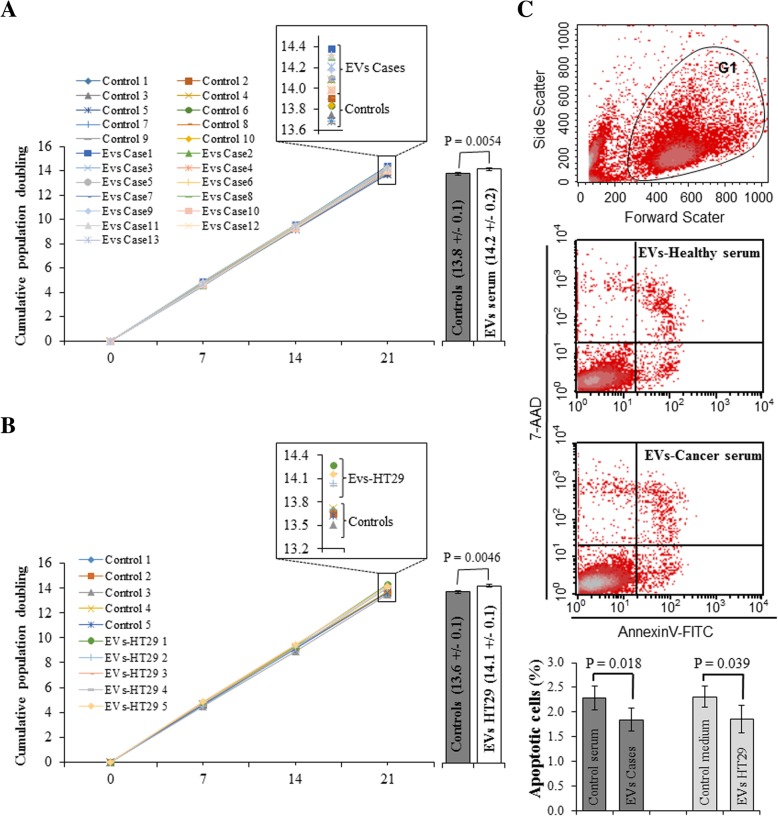
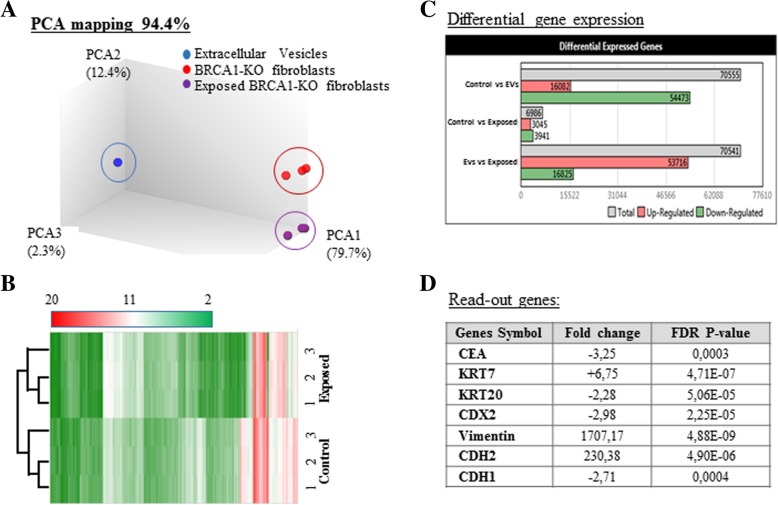
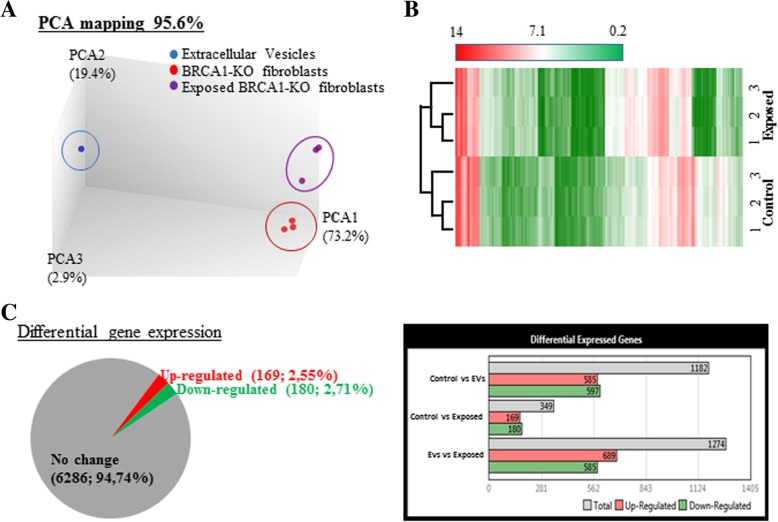
In the present study, we exposed BRCA1-KO fibroblasts to extracellular vesicles (EVs) isolated from a colon cancer cell line (HT29) and from sera of patients with colorectal cancer. Three weeks after exposure, fibroblasts were injected subcutaneously into NOD-SCID mice. Whole genome sequencing, transcriptome analysis and RNA sequencing of cancer EVs and fibroblasts prior and after exposure to cancer EVs were performed.
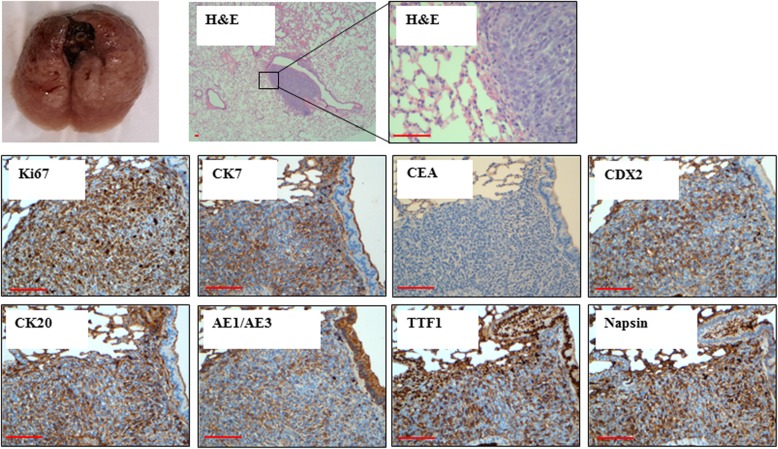
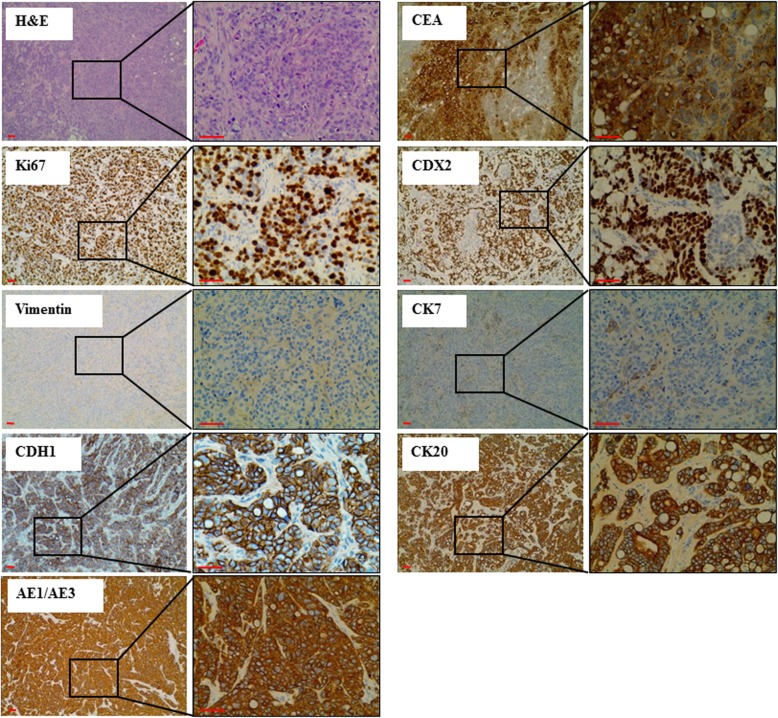
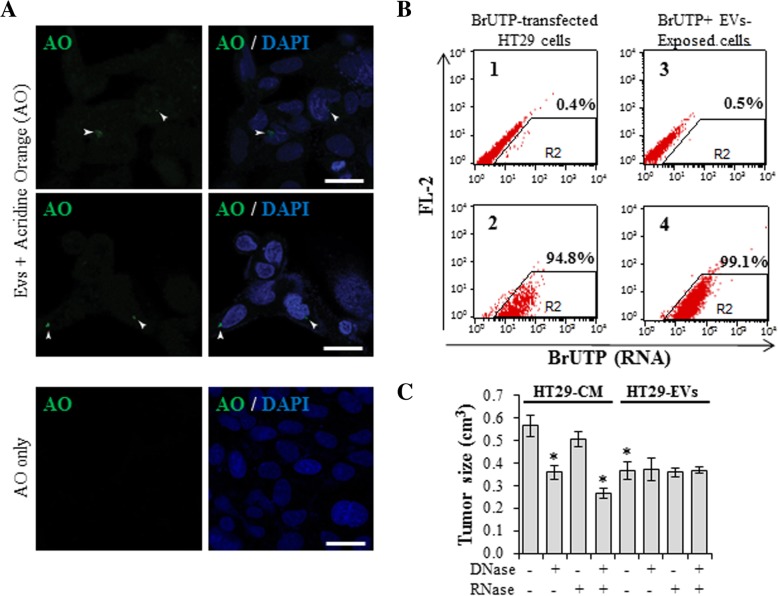
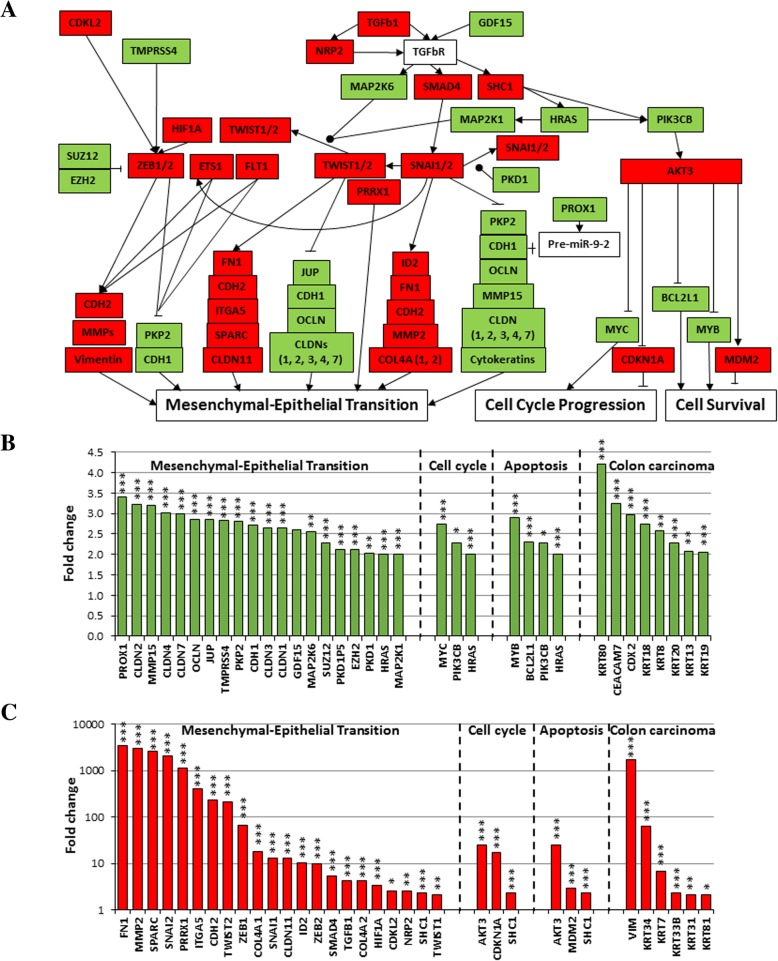
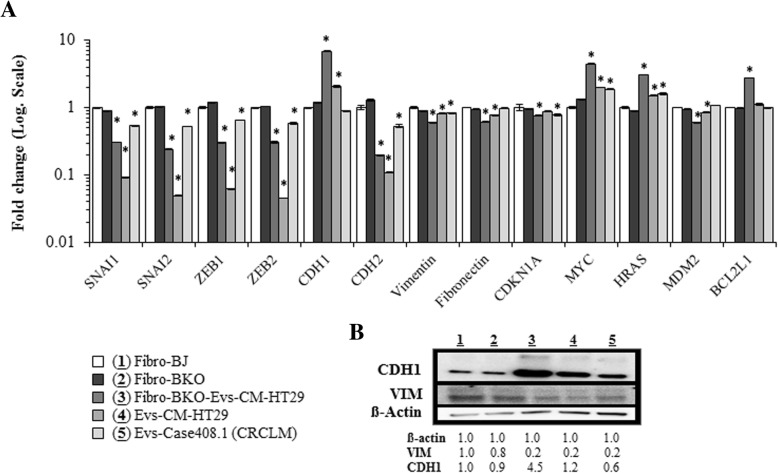
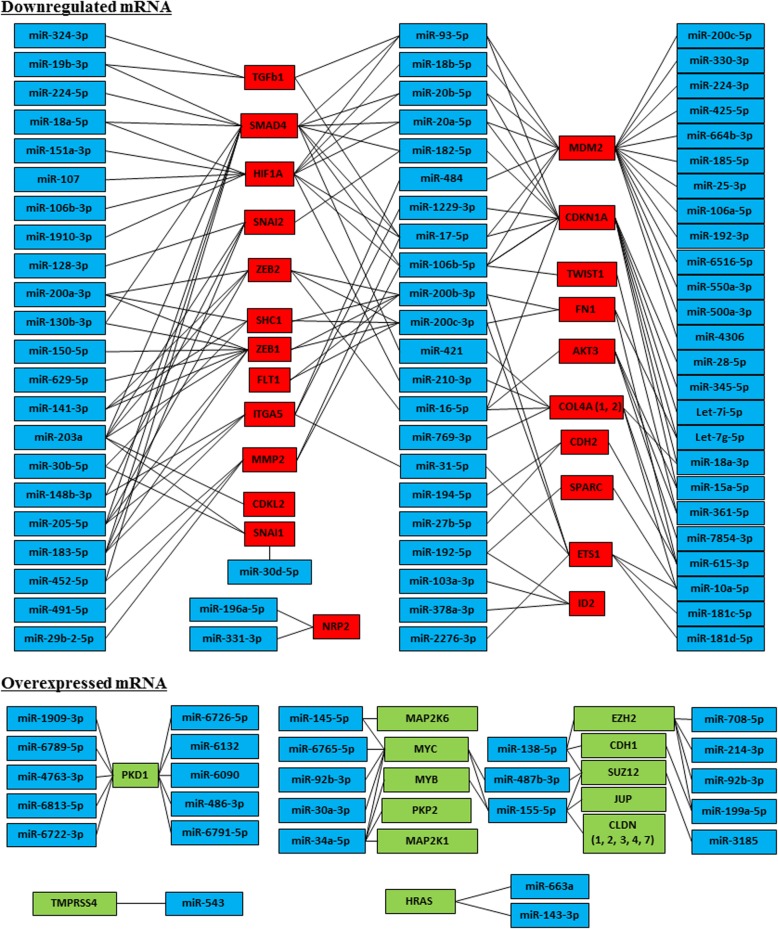
Phenotypical transformation of the fibroblasts into colon cancer cells was confirmed by histopathological study of the xenotransplants. We observed that EV-mediated transfer of cancer microRNAs was responsible for the transition from a mesenchymal to an epithelial phenotype (MET) in the treated fibroblasts as well as activation of cell cycle progression and cell survival pathways. DNA and RNA sequencing suggested that cancer DNA was transferred and possibly transcribed in target cells. Furthermore, injection of colon cancer EVs in the tail vein of NOD-SCID mice determined neoplastic transformation and metastases in the lungs of the mice confirming for the first time the hypothesis that transfer of malignant epithelial cancer traits to distant target cells is a concept applicable to in vivo models.
These discoveries shed new light into the molecular mechanisms behind the horizontal transfer of malignant traits and confirm the notion that metastatic disease might be reproduced through transfer of circulating genetic material.
我们曾报道过,恶性特征的横向转移到靶细胞是一种潜在的机制,可以解释癌症的扩散。尽管这些结果令人鼓舞,但从未有数据证实这些观察到的现象背后的分子机制。
在本研究中,我们将 BRCA1-KO 成纤维细胞暴露于从结肠癌细胞系(HT29)和结直肠癌患者的血清中分离的细胞外囊泡(EVs)中。暴露 3 周后,将成纤维细胞皮下注射到 NOD-SCID 小鼠中。对暴露于癌细胞 EV 前后的成纤维细胞和癌细胞 EV 进行全基因组测序、转录组分析和 RNA 测序。
通过对异种移植的组织病理学研究,证实了成纤维细胞向结肠癌细胞的表型转化。我们观察到,EV 介导的癌症 microRNAs 的转移导致了处理后的成纤维细胞从间充质向上皮表型(MET)的转变,以及细胞周期进程和细胞存活途径的激活。DNA 和 RNA 测序表明,癌症 DNA 被转移并可能在靶细胞中转录。此外,将结肠癌细胞 EV 注入 NOD-SCID 小鼠的尾静脉中,导致了肺部的肿瘤转化和转移,首次证实了这样一种假设,即恶性上皮性癌症特征向远处靶细胞的转移是一种适用于体内模型的概念。
这些发现为恶性特征的横向转移背后的分子机制提供了新的线索,并证实了转移性疾病可能通过循环遗传物质的转移而重现的观点。