Division of Gastroenterology and Hepatology, Department of Biochemistry and Molecular Biology, Mayo Clinic, Rochester, MN.
Research Service, Department of Veterans Affairs, Nebraska-Western Iowa Health Care System, Omaha, NE.
J Cell Biol. 2019 Jul 1;218(7):2096-2112. doi: 10.1083/jcb.201903090. Epub 2019 Jun 14.
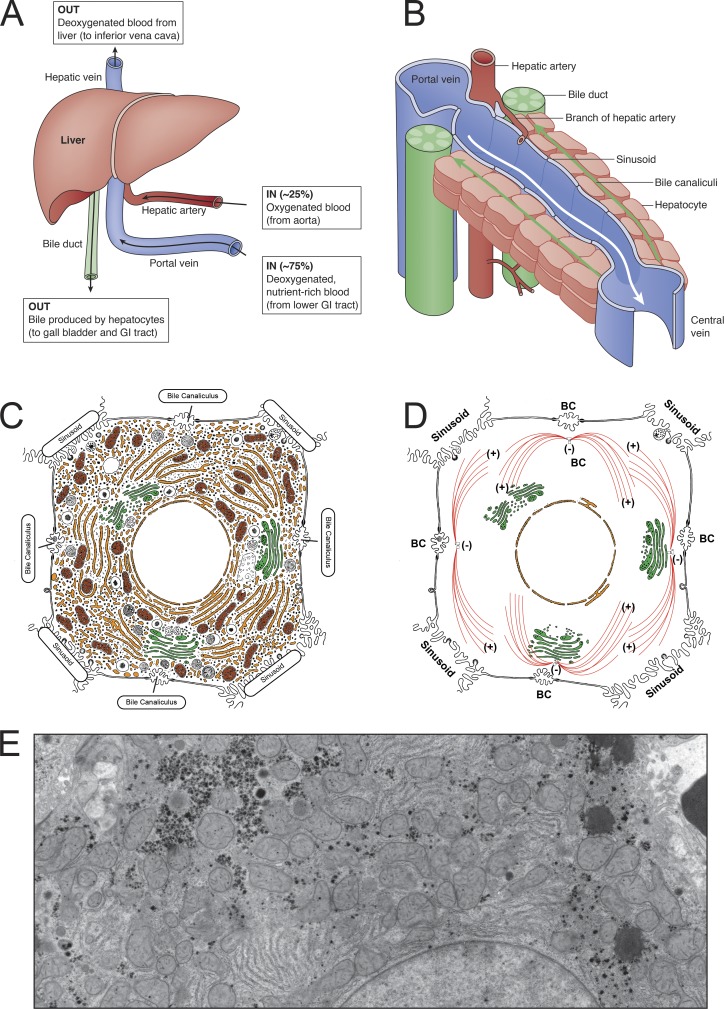
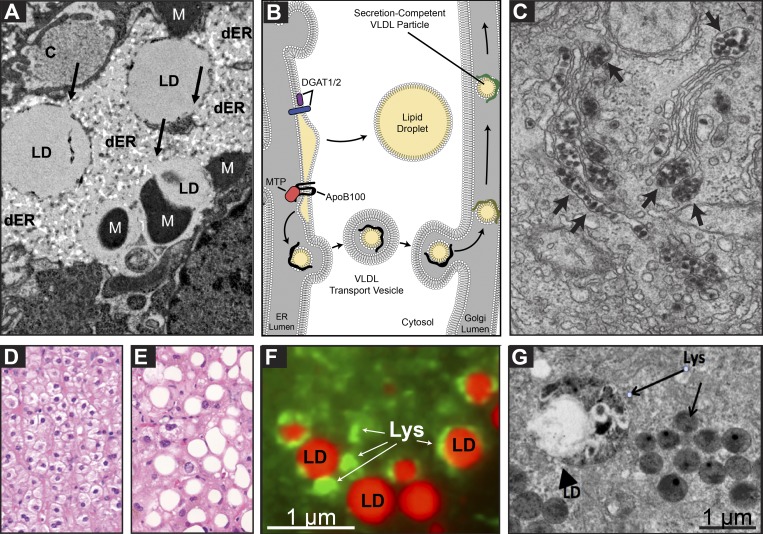
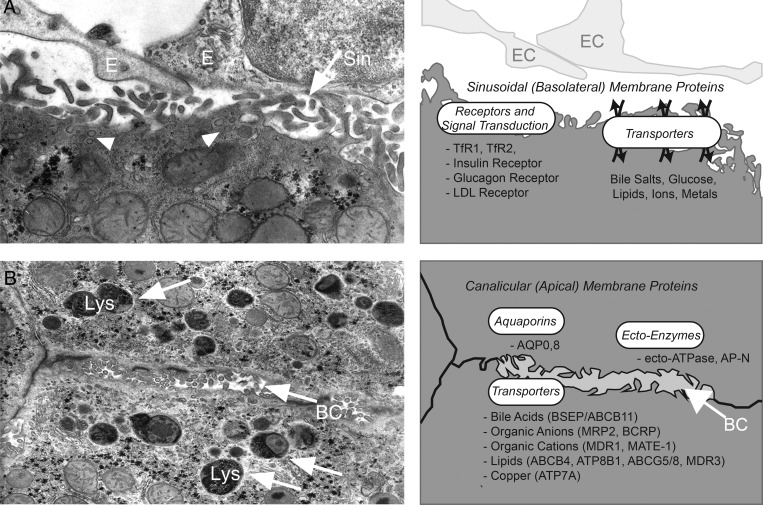
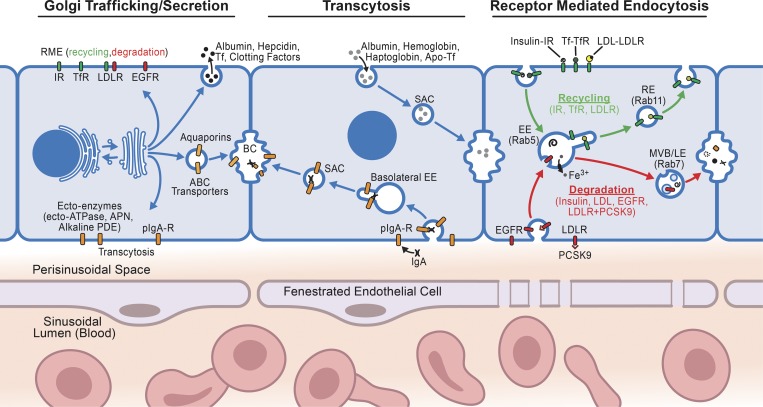
The liver performs numerous vital functions, including the detoxification of blood before access to the brain while simultaneously secreting and internalizing scores of proteins and lipids to maintain appropriate blood chemistry. Furthermore, the liver also synthesizes and secretes bile to enable the digestion of food. These diverse attributes are all performed by hepatocytes, the parenchymal cells of the liver. As predicted, these cells possess a remarkably well-developed and complex membrane trafficking machinery that is dedicated to moving specific cargos to their correct cellular locations. Importantly, while most epithelial cells secrete nascent proteins directionally toward a single lumen, the hepatocyte secretes both proteins and bile concomitantly at its basolateral and apical domains, respectively. In this review, we will detail these central features of the hepatocyte and highlight how membrane transport processes play a key role in healthy liver function and how they are affected by disease.
肝脏具有许多重要功能,包括在血液进入大脑之前进行解毒,同时分泌和内化数十种蛋白质和脂质,以维持适当的血液化学物质水平。此外,肝脏还合成和分泌胆汁,以促进食物消化。这些不同的功能都是由肝细胞完成的,肝细胞是肝脏的实质细胞。正如所预测的那样,这些细胞拥有一个非常发达和复杂的膜运输机制,专门用于将特定的货物运输到它们正确的细胞位置。重要的是,虽然大多数上皮细胞将新生蛋白质有向地分泌到单一腔室中,但肝细胞分别在其基底外侧和顶端区域同时分泌蛋白质和胆汁。在这篇综述中,我们将详细介绍肝细胞的这些核心特征,并强调膜运输过程如何在肝脏的健康功能中发挥关键作用,以及它们如何受到疾病的影响。