• 文献检索
  • 文档翻译
  • 深度研究
  • 学术资讯
  • Suppr Zotero 插件Zotero 插件
  • 邀请有礼
  • 套餐&价格
  • 历史记录
应用&插件
Suppr Zotero 插件Zotero 插件浏览器插件Mac 客户端Windows 客户端微信小程序
定价
高级版会员购买积分包购买API积分包
服务
文献检索文档翻译深度研究API 文档MCP 服务
关于我们
关于 Suppr公司介绍联系我们用户协议隐私条款
关注我们

Suppr 超能文献

核心技术专利:CN118964589B侵权必究
粤ICP备2023148730 号-1Suppr @ 2026

文献检索

告别复杂PubMed语法,用中文像聊天一样搜索,搜遍4000万医学文献。AI智能推荐,让科研检索更轻松。

立即免费搜索

文件翻译

保留排版,准确专业,支持PDF/Word/PPT等文件格式,支持 12+语言互译。

免费翻译文档

深度研究

AI帮你快速写综述,25分钟生成高质量综述,智能提取关键信息,辅助科研写作。

立即免费体验

TargetAntiAngio:一种基于序列的抗血管生成肽预测和分析工具。

TargetAntiAngio: A Sequence-Based Tool for the Prediction and Analysis of Anti-Angiogenic Peptides.

机构信息

Department of Clinical Microscopy, Faculty of Medical Technology, Mahidol University, Bangkok 10700, Thailand.

Center for Research and Innovation, Faculty of Medical Technology, Mahidol University, Bangkok 10700, Thailand.

出版信息

Int J Mol Sci. 2019 Jun 17;20(12):2950. doi: 10.3390/ijms20122950.

DOI:10.3390/ijms20122950
PMID:31212918
原文链接:https://pmc.ncbi.nlm.nih.gov/articles/PMC6628072/
Abstract

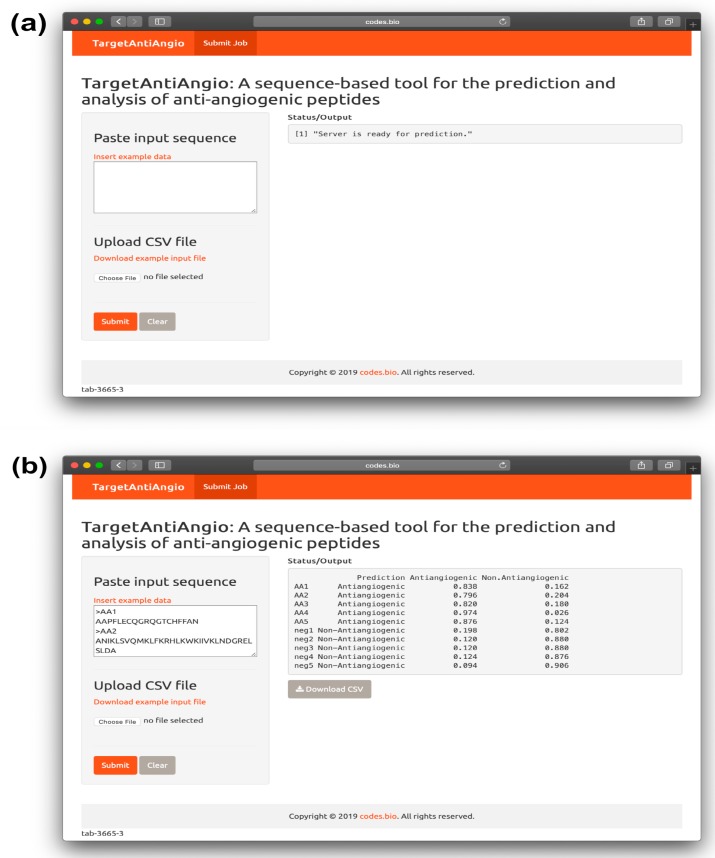
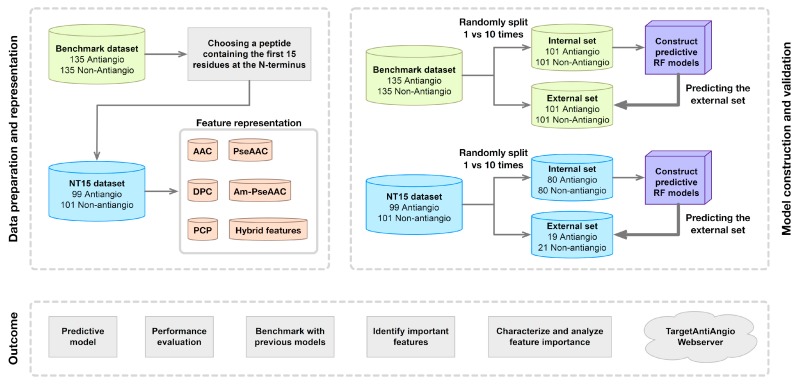
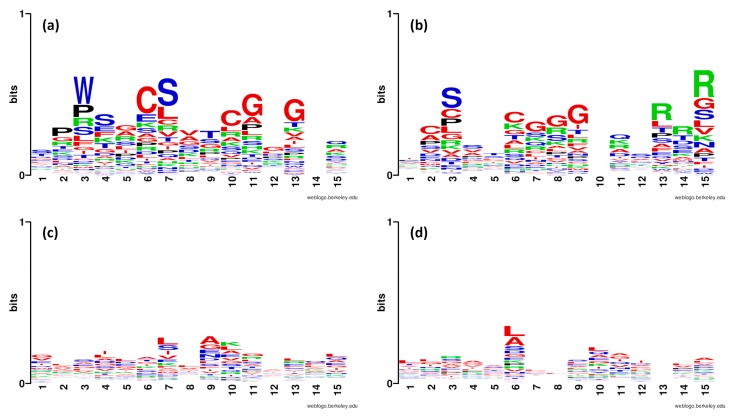
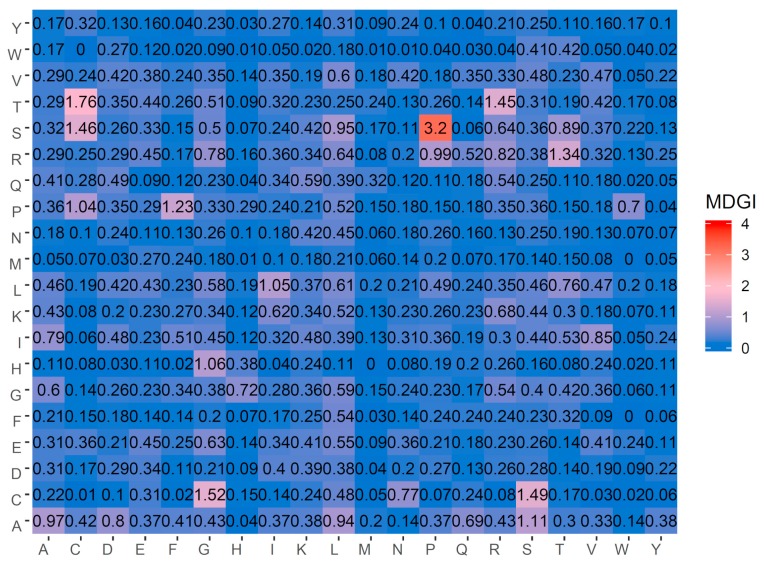
Cancer remains one of the major causes of death worldwide. Angiogenesis is crucial for the pathogenesis of various human diseases, especially solid tumors. The discovery of anti-angiogenic peptides is a promising therapeutic route for cancer treatment. Thus, reliably identifying anti-angiogenic peptides is extremely important for understanding their biophysical and biochemical properties that serve as the basis for the discovery of new anti-cancer drugs. This study aims to develop an efficient and interpretable computational model called TargetAntiAngio for predicting and characterizing anti-angiogenic peptides. TargetAntiAngio was developed using the random forest classifier in conjunction with various classes of peptide features. It was observed via an independent validation test that TargetAntiAngio can identify anti-angiogenic peptides with an average accuracy of 77.50% on an objective benchmark dataset. Comparisons demonstrated that TargetAntiAngio is superior to other existing methods. In addition, results revealed the following important characteristics of anti-angiogenic peptides: (i) disulfide bond forming Cys residues play an important role for inhibiting blood vessel proliferation; (ii) Cys located at the C-terminal domain can decrease endothelial formatting activity and suppress tumor growth; and (iii) Cyclic disulfide-rich peptides contribute to the inhibition of angiogenesis and cell migration, selectivity and stability. Finally, for the convenience of experimental scientists, the TargetAntiAngio web server was established and made freely available online.

摘要

癌症仍然是全球主要的死亡原因之一。血管生成对于各种人类疾病的发病机制至关重要,尤其是实体瘤。抗血管生成肽的发现为癌症治疗提供了一种有前途的治疗途径。因此,可靠地识别抗血管生成肽对于了解它们的生物物理和生化特性非常重要,这些特性是发现新的抗癌药物的基础。本研究旨在开发一种名为 TargetAntiAngio 的高效且可解释的计算模型,用于预测和表征抗血管生成肽。TargetAntiAngio 使用随机森林分类器与各种肽特征类别结合开发。通过独立验证测试观察到,TargetAntiAngio 可以在客观基准数据集上以平均准确率 77.50%识别抗血管生成肽。比较表明,TargetAntiAngio 优于其他现有方法。此外,结果揭示了抗血管生成肽的以下重要特征:(i) 形成二硫键的 Cys 残基对于抑制血管增殖起着重要作用;(ii) Cys 位于 C 末端结构域可以降低内皮形成活性并抑制肿瘤生长;和 (iii) 环二硫键丰富的肽有助于抑制血管生成和细胞迁移、选择性和稳定性。最后,为了方便实验科学家,建立了 TargetAntiAngio 网络服务器,并免费在线提供。
https://cdn.ncbi.nlm.nih.gov/pmc/blobs/5b37/6628072/5b87fd3b0ce6/ijms-20-02950-g006.jpg
https://cdn.ncbi.nlm.nih.gov/pmc/blobs/5b37/6628072/cff94dca06db/ijms-20-02950-g001.jpg
https://cdn.ncbi.nlm.nih.gov/pmc/blobs/5b37/6628072/f5c06cd75258/ijms-20-02950-g002.jpg
https://cdn.ncbi.nlm.nih.gov/pmc/blobs/5b37/6628072/b768bf15f1ec/ijms-20-02950-g003.jpg
https://cdn.ncbi.nlm.nih.gov/pmc/blobs/5b37/6628072/87e96b19783e/ijms-20-02950-g004.jpg
https://cdn.ncbi.nlm.nih.gov/pmc/blobs/5b37/6628072/0b2d076551de/ijms-20-02950-g005.jpg
https://cdn.ncbi.nlm.nih.gov/pmc/blobs/5b37/6628072/5b87fd3b0ce6/ijms-20-02950-g006.jpg
https://cdn.ncbi.nlm.nih.gov/pmc/blobs/5b37/6628072/cff94dca06db/ijms-20-02950-g001.jpg
https://cdn.ncbi.nlm.nih.gov/pmc/blobs/5b37/6628072/f5c06cd75258/ijms-20-02950-g002.jpg
https://cdn.ncbi.nlm.nih.gov/pmc/blobs/5b37/6628072/b768bf15f1ec/ijms-20-02950-g003.jpg
https://cdn.ncbi.nlm.nih.gov/pmc/blobs/5b37/6628072/87e96b19783e/ijms-20-02950-g004.jpg
https://cdn.ncbi.nlm.nih.gov/pmc/blobs/5b37/6628072/0b2d076551de/ijms-20-02950-g005.jpg
https://cdn.ncbi.nlm.nih.gov/pmc/blobs/5b37/6628072/5b87fd3b0ce6/ijms-20-02950-g006.jpg

相似文献

1
TargetAntiAngio: A Sequence-Based Tool for the Prediction and Analysis of Anti-Angiogenic Peptides.TargetAntiAngio:一种基于序列的抗血管生成肽预测和分析工具。
Int J Mol Sci. 2019 Jun 17;20(12):2950. doi: 10.3390/ijms20122950.
2
AntAngioCOOL: computational detection of anti-angiogenic peptides.AntAngioCOOL:抗血管生成肽的计算检测。
J Transl Med. 2019 Mar 4;17(1):71. doi: 10.1186/s12967-019-1813-7.
3
Stack-AAgP: Computational prediction and interpretation of anti-angiogenic peptides using a meta-learning framework.Stack-AAgP:使用元学习框架进行抗血管生成肽的计算预测和解释。
Comput Biol Med. 2024 May;174:108438. doi: 10.1016/j.compbiomed.2024.108438. Epub 2024 Apr 9.
4
ACPred: A Computational Tool for the Prediction and Analysis of Anticancer Peptides.ACPred:一种用于抗癌肽预测和分析的计算工具。
Molecules. 2019 May 22;24(10):1973. doi: 10.3390/molecules24101973.
5
Synthetic disulfide-bridged cyclic peptides mimic the anti-angiogenic actions of chondromodulin-I.合成二硫键桥连环肽模拟软骨调节素-I 的抗血管生成作用。
Cancer Sci. 2012 Jul;103(7):1311-8. doi: 10.1111/j.1349-7006.2012.02276.x. Epub 2012 Apr 27.
6
AntiAngioPred: A Server for Prediction of Anti-Angiogenic Peptides.AntiAngioPred:一个用于预测抗血管生成肽的服务器。
PLoS One. 2015 Sep 3;10(9):e0136990. doi: 10.1371/journal.pone.0136990. eCollection 2015.
7
Anti-angiogenic activity of PSA-derived peptides.前列腺特异性抗原衍生肽的抗血管生成活性。
Prostate. 2015 Sep;75(12):1285-99. doi: 10.1002/pros.23010. Epub 2015 May 11.
8
Exosome-mediated delivery of an anti-angiogenic peptide inhibits pathological retinal angiogenesis.外泌体介导的抗血管生成肽递送可抑制病理性视网膜血管生成。
Theranostics. 2021 Mar 5;11(11):5107-5126. doi: 10.7150/thno.54755. eCollection 2021.
9
Improved prediction of anti-angiogenic peptides based on machine learning models and comprehensive features from peptide sequences.基于机器学习模型和肽序列综合特征提高抗血管生成肽的预测。
Sci Rep. 2024 Jun 22;14(1):14387. doi: 10.1038/s41598-024-65062-9.
10
Engineered conformation-dependent VEGF peptide mimics are effective in inhibiting VEGF signaling pathways.工程构象依赖性 VEGF 肽模拟物可有效抑制 VEGF 信号通路。
J Biol Chem. 2011 Apr 15;286(15):13612-25. doi: 10.1074/jbc.M110.216812. Epub 2011 Feb 14.

引用本文的文献

1
Prediction of viral oncoproteins through the combination of generative adversarial networks and machine learning techniques.通过生成对抗网络和机器学习技术的结合来预测病毒致癌蛋白。
Sci Rep. 2024 Nov 7;14(1):27108. doi: 10.1038/s41598-024-77028-y.
2
Improved prediction of anti-angiogenic peptides based on machine learning models and comprehensive features from peptide sequences.基于机器学习模型和肽序列综合特征提高抗血管生成肽的预测。
Sci Rep. 2024 Jun 22;14(1):14387. doi: 10.1038/s41598-024-65062-9.
3
Polypharmacological Cell-Penetrating Peptides from Venomous Marine Animals Based on Immunomodulating, Antimicrobial, and Anticancer Properties.

本文引用的文献

1
Correction: Privileged substructures for anti-sickling activity cheminformatic analysis.更正:抗镰状化活性的特权子结构 化学信息学分析
RSC Adv. 2018 Feb 21;8(15):8233. doi: 10.1039/c8ra90013b. eCollection 2018 Feb 19.
2
Probing the origin of estrogen receptor alpha inhibition large-scale QSAR study.探究雌激素受体α抑制作用的起源:大规模定量构效关系研究
RSC Adv. 2018 Mar 27;8(21):11344-11356. doi: 10.1039/c7ra10979b. eCollection 2018 Mar 21.
3
AntAngioCOOL: computational detection of anti-angiogenic peptides.AntAngioCOOL:抗血管生成肽的计算检测。
基于免疫调节、抗菌和抗癌特性的来自海洋毒动物的多药理细胞穿透肽。
Mar Drugs. 2022 Dec 4;20(12):763. doi: 10.3390/md20120763.
4
Regulatory mechanisms and potential medical applications of HNF1A-AS1 in cancers.HNF1A-AS1在癌症中的调控机制及潜在医学应用
Am J Transl Res. 2022 Jun 15;14(6):4154-4168. eCollection 2022.
5
MPMABP: A CNN and Bi-LSTM-Based Method for Predicting Multi-Activities of Bioactive Peptides.MPMABP:一种基于卷积神经网络和双向长短期记忆网络的生物活性肽多活性预测方法。
Pharmaceuticals (Basel). 2022 Jun 3;15(6):707. doi: 10.3390/ph15060707.
6
iTAGPred: A Two-Level Prediction Model for Identification of Angiogenesis and Tumor Angiogenesis Biomarkers.iTAGPred:一种用于识别血管生成和肿瘤血管生成生物标志物的两级预测模型。
Appl Bionics Biomech. 2021 Sep 27;2021:2803147. doi: 10.1155/2021/2803147. eCollection 2021.
7
iBitter-Fuse: A Novel Sequence-Based Bitter Peptide Predictor by Fusing Multi-View Features.iBitter-Fuse:一种基于序列的新型苦味肽预测器,融合了多种视图特征。
Int J Mol Sci. 2021 Aug 19;22(16):8958. doi: 10.3390/ijms22168958.
8
Prediction of Anticancer Peptides with High Efficacy and Low Toxicity by Hybrid Model Based on 3D Structure of Peptides.基于肽的 3D 结构的混合模型预测高效低毒的抗癌肽。
Int J Mol Sci. 2021 May 26;22(11):5630. doi: 10.3390/ijms22115630.
9
Approaches for the Design and Optimization of Interfering Peptides Against Protein-Protein Interactions.针对蛋白质-蛋白质相互作用的干扰肽的设计与优化方法
Front Mol Biosci. 2021 Apr 28;8:669431. doi: 10.3389/fmolb.2021.669431. eCollection 2021.
10
Improved prediction and characterization of anticancer activities of peptides using a novel flexible scoring card method.利用新型灵活评分卡方法提高肽类抗癌活性的预测和表征。
Sci Rep. 2021 Feb 4;11(1):3017. doi: 10.1038/s41598-021-82513-9.
J Transl Med. 2019 Mar 4;17(1):71. doi: 10.1186/s12967-019-1813-7.
4
Prediction of high anti-angiogenic activity peptides in silico using a generalized linear model and feature selection.使用广义线性模型和特征选择对高抗血管生成活性肽进行计算机预测。
Sci Rep. 2018 Oct 24;8(1):15688. doi: 10.1038/s41598-018-33911-z.
5
SPARC Inhibits Metabolic Plasticity in Ovarian Cancer.SPARC抑制卵巢癌的代谢可塑性。
Cancers (Basel). 2018 Oct 16;10(10):385. doi: 10.3390/cancers10100385.
6
PAAP: a web server for predicting antihypertensive activity of peptides.PAAP:一个用于预测肽类降压活性的网络服务器。
Future Med Chem. 2018 Aug 1;10(15):1749-1767. doi: 10.4155/fmc-2017-0300. Epub 2018 Jul 24.
7
Current status and future directions of cancer immunotherapy.癌症免疫疗法的现状与未来方向
J Cancer. 2018 Apr 19;9(10):1773-1781. doi: 10.7150/jca.24577. eCollection 2018.
8
Cancer statistics, 2018.癌症统计数据,2018 年。
CA Cancer J Clin. 2018 Jan;68(1):7-30. doi: 10.3322/caac.21442. Epub 2018 Jan 4.
9
SPARC inhibits breast cancer bone metastasis and may be a clinical therapeutic target.富含半胱氨酸的酸性分泌蛋白(SPARC)可抑制乳腺癌骨转移,可能是一种临床治疗靶点。
Oncol Lett. 2017 Nov;14(5):5876-5882. doi: 10.3892/ol.2017.6925. Epub 2017 Sep 14.
10
Therapeutic peptides: Historical perspectives, current development trends, and future directions.治疗性肽:历史视角、当前发展趋势和未来方向。
Bioorg Med Chem. 2018 Jun 1;26(10):2700-2707. doi: 10.1016/j.bmc.2017.06.052. Epub 2017 Jul 1.