Department of Immunobiology and the University of Arizona Center on Aging, University of Arizona College of Medicine-Tucson, Tucson, AZ, United States of America.
Research Group Immune Aging and Chronic Infections, Department of Vaccinology, Helmholtz Centre for Infection Research, Braunschweig, Germany.
PLoS Pathog. 2019 Jun 20;15(6):e1007890. doi: 10.1371/journal.ppat.1007890. eCollection 2019 Jun.
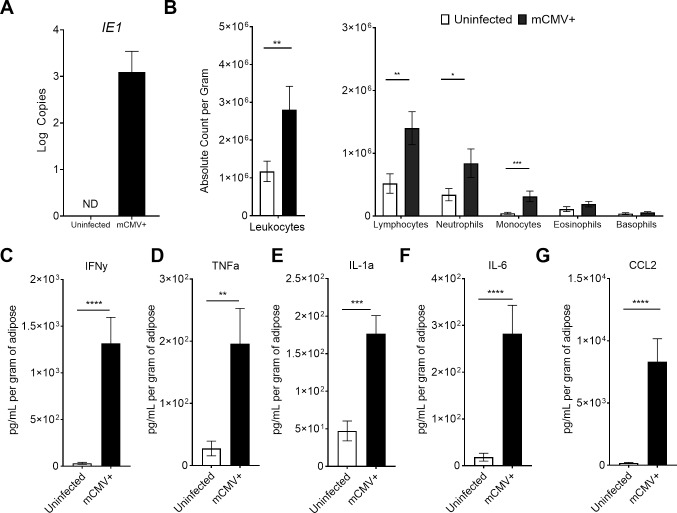
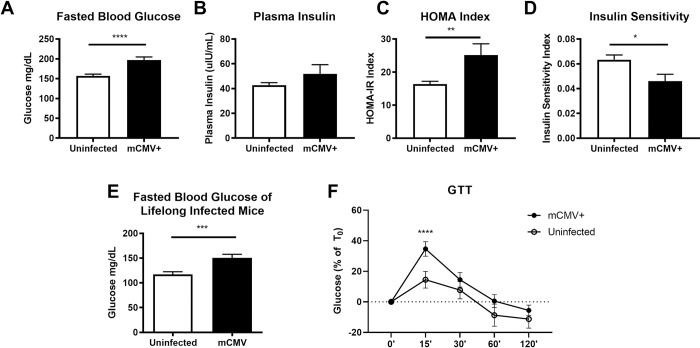
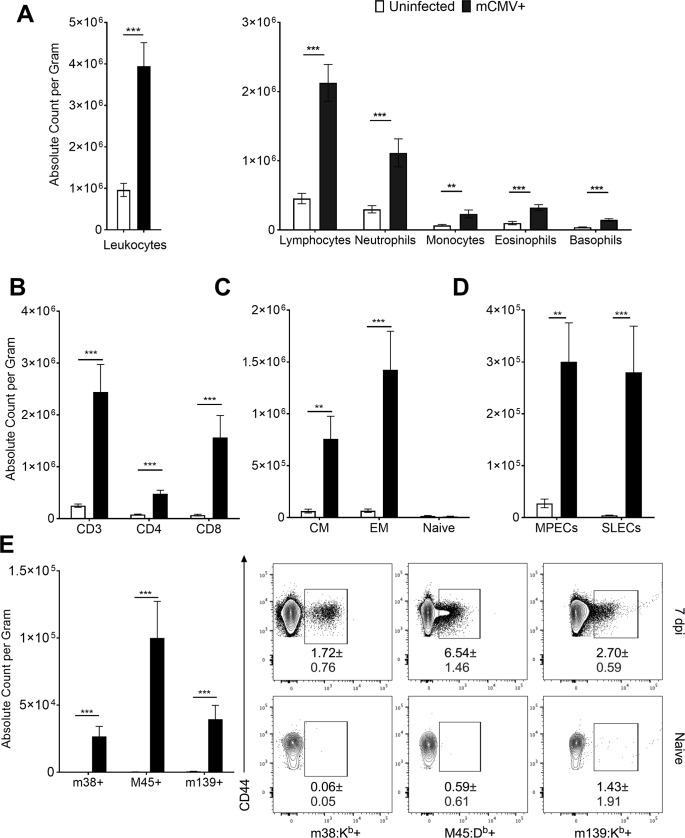
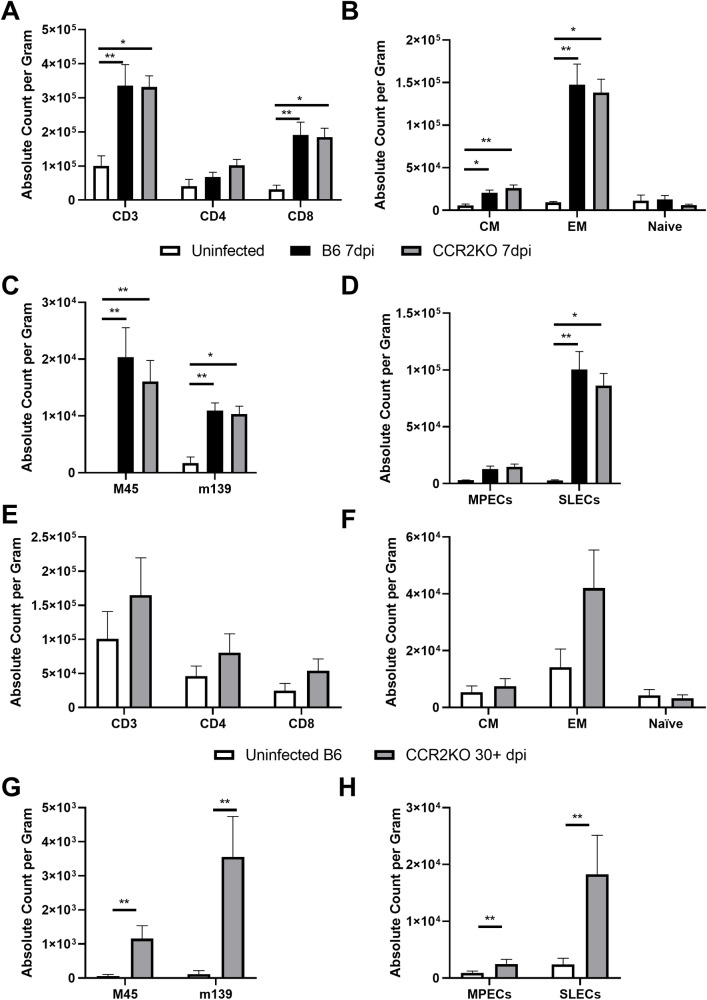
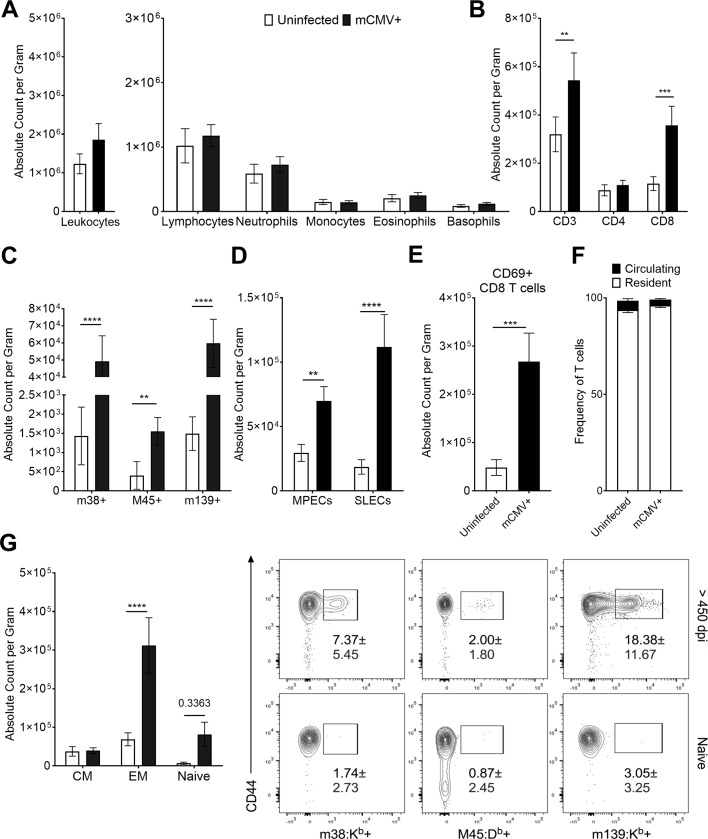
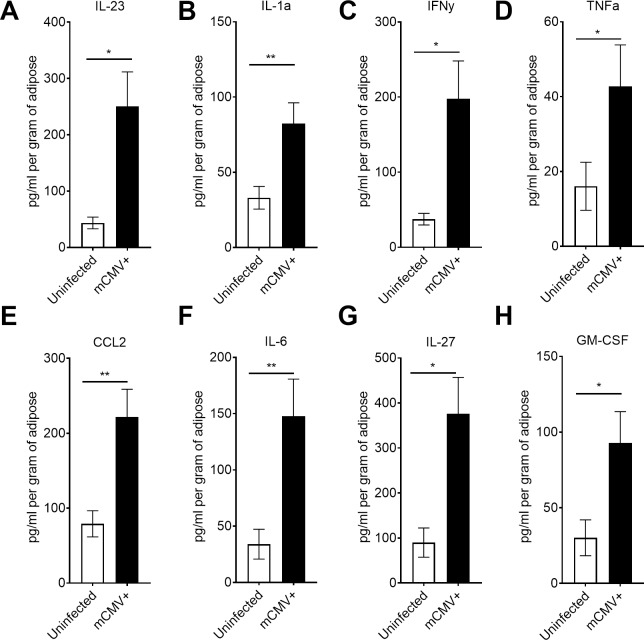
Cytomegalovirus (CMV) is a ubiquitous herpesvirus infecting most of the world's population. CMV has been rigorously investigated for its impact on lifelong immunity and potential complications arising from lifelong infection. A rigorous adaptive immune response mounts during progression of CMV infection from acute to latent states. CD8 T cells, in large part, drive this response and have very clearly been demonstrated to take up residence in the salivary gland and lungs of infected mice during latency. However, the role of tissue resident CD8 T cells as an ongoing defense mechanism against CMV has not been studied in other anatomical locations. Therefore, we sought to identify additional locations of anti-CMV T cell residency and the physiological consequences of such a response. Through RT-qPCR we found that mouse CMV (mCMV) infected the visceral adipose tissue and that this resulted in an expansion of leukocytes in situ. We further found, through flow cytometry, that adipose tissue became enriched in cytotoxic CD8 T cells that are specific for mCMV antigens from day 7 post infection through the lifespan of an infected animal (> 450 days post infection) and that carry markers of tissue residence. Furthermore, we found that inflammatory cytokines are elevated alongside the expansion of CD8 T cells. Finally, we show a correlation between the inflammatory state of adipose tissue in response to mCMV infection and the development of hyperglycemia in mice. Overall, this study identifies adipose tissue as a location of viral infection leading to a sustained and lifelong adaptive immune response mediated by CD8 T cells that correlates with hyperglycemia. These data potentially provide a mechanistic link between metabolic syndrome and chronic infection.
巨细胞病毒(CMV)是一种普遍存在的疱疹病毒,感染了世界上大多数人口。CMV 因其对终身免疫的影响以及终身感染引起的潜在并发症而受到严格研究。在 CMV 感染从急性到潜伏状态的进展过程中,会产生严格的适应性免疫反应。CD8 T 细胞在很大程度上驱动了这种反应,并且已经清楚地表明,在潜伏期间,它们会在受感染小鼠的唾液腺和肺部定居。然而,组织驻留 CD8 T 细胞作为针对 CMV 的持续防御机制的作用尚未在其他解剖部位进行研究。因此,我们试图确定针对 CMV 的 T 细胞驻留的其他位置以及这种反应的生理后果。通过 RT-qPCR,我们发现小鼠 CMV(mCMV)感染内脏脂肪组织,这导致原位白细胞的扩张。我们通过流式细胞术进一步发现,脂肪组织富含针对 mCMV 抗原的细胞毒性 CD8 T 细胞,这些细胞从感染后第 7 天到感染动物的寿命(>450 天感染后),并携带组织驻留标志物。此外,我们发现炎症细胞因子与 CD8 T 细胞的扩增同时升高。最后,我们表明,针对 mCMV 感染的脂肪组织的炎症状态与小鼠高血糖的发展之间存在相关性。总的来说,这项研究确定了脂肪组织是病毒感染的部位,导致由 CD8 T 细胞介导的持续和终身适应性免疫反应,与高血糖相关。这些数据可能为代谢综合征和慢性感染之间提供了一种机制联系。