Aix-Marseille Univ, IRD, APHM, MEPHI, IHU-Méditerranée Infection, Marseille, France.
Institut de cancérologie Gustave Roussy Cancer Campus, Villejuif, France.
Sci Rep. 2019 Jun 24;9(1):9084. doi: 10.1038/s41598-019-45611-3.
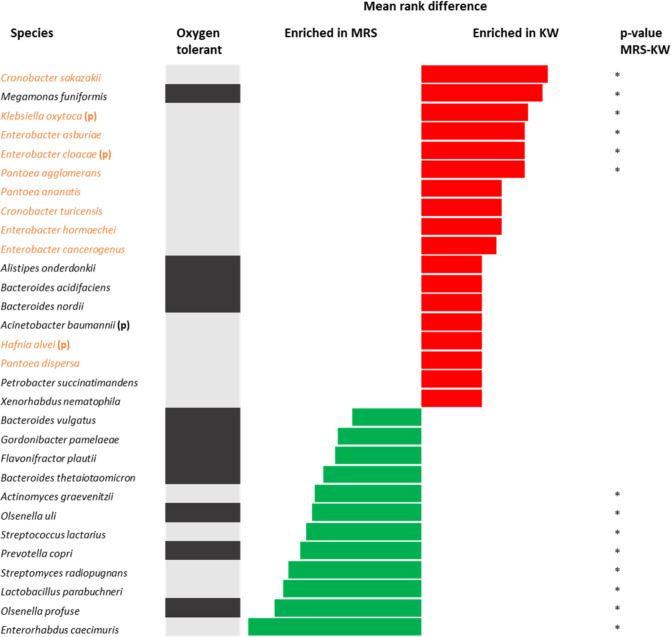
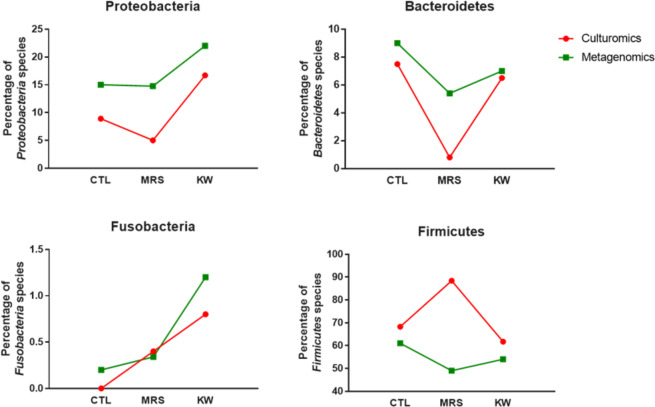
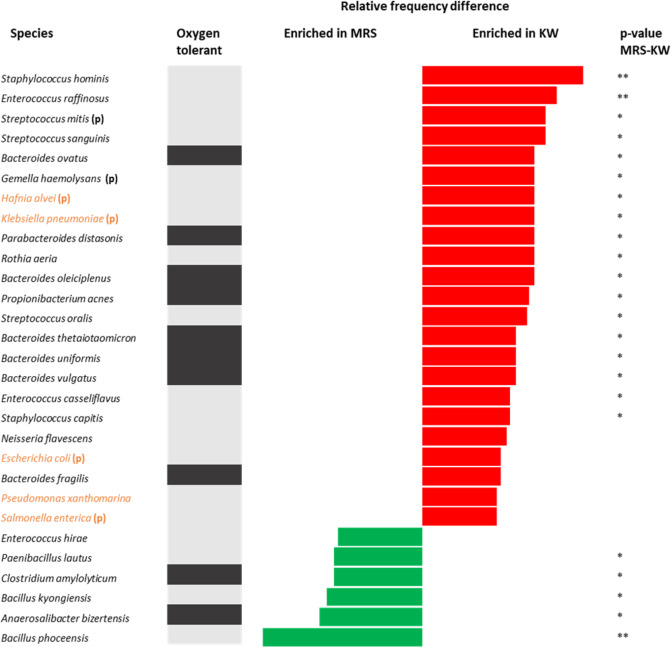
Kwashiorkor and marasmus are considered to be two different clinical diseases resulting from severe malnutrition, but this distinction has been questioned. In a previous study comparing children with kwashiorkor and healthy children from Niger and Senegal, we found a dramatic gut microbiota alteration with a predominant depletion of anaerobes and enrichment in Proteobacteria and Fusobacteria in kwashiorkor. However, it remained unknown whether this association was related to malnutrition or was a specific feature of kwashiorkor. In this continuation study, we added 7 new marasmus subjects and 71,162 new colonies from the same countries. Our results showed that, compared to marasmus, the kwashiorkor gut microbiota was characterized by an increased proportion of Proteobacteria (culturomics, Marasmus 5.0%, Kwashiorkor 16.7%, p < 0.0001; metagenomics, Marasmus 14.7%, Kwashiorkor 22.0%, p = 0.001), but there was a decreased proportion of Bacteroidetes in marasmus (culturomics, Marasmus 0.8%, Kwashiorkor 6.5%, p = 0.001; metagenomics, Marasmus 5.4%, Kwashiorkor 7.0%, p = 0.03). Fusobacterium was more frequently cultured from kwashiorkor. All detected potential pathogenic species were enriched in the kwashiorkor gut microbiota. These results provide a biological basis to support the usage of an antibiotic therapy more effective in suppressing the overgrowth of bacterial communities resistant to penicillin, combined with antioxidants and probiotics for nutritional recovery therapies, particularly for kwashiorkor.
夸希奥科病和消瘦症被认为是两种不同的临床疾病,均由严重营养不良引起,但这种区分受到了质疑。在之前一项比较尼日尔和塞内加尔夸希奥科病儿童和健康儿童的研究中,我们发现肠道微生物群发生了明显改变,其中厌氧菌明显减少,变形菌门和梭杆菌门富集。然而,目前尚不清楚这种关联是与营养不良有关,还是夸希奥科病的一个特有特征。在本延续研究中,我们添加了来自同一国家的 7 名消瘦症新病例和 71162 个新的菌群。我们的研究结果表明,与消瘦症相比,夸希奥科病患儿的肠道微生物群的特征是变形菌门的比例增加(培养组学,消瘦症 5.0%,夸希奥科病 16.7%,p<0.0001;宏基因组学,消瘦症 14.7%,夸希奥科病 22.0%,p=0.001),但消瘦症中拟杆菌门的比例降低(培养组学,消瘦症 0.8%,夸希奥科病 6.5%,p=0.001;宏基因组学,消瘦症 5.4%,夸希奥科病 7.0%,p=0.03)。从夸希奥科病中更频繁地培养出梭杆菌属。所有检测到的潜在致病物种在夸希奥科病肠道微生物群中均富集。这些结果为支持使用更有效的抗生素疗法提供了生物学依据,这种疗法可以抑制对抗生素青霉素产生耐药性的细菌群落过度生长,结合抗氧化剂和益生菌进行营养恢复治疗,特别是对夸希奥科病。