Cui Luwei, Liu Ming, Lai Shicong, Hou Huimin, Diao Tongxiang, Zhang Dalei, Wang Miao, Zhang Yaoguang, Wang Jianye
Peking University Fifth School of Clinical Medicine, Beijing, People's Republic of China.
Department of Urology, Beijing Hospital, National Center of Gerontology, Beijing, People's Republic of China.
Onco Targets Ther. 2019 Jun 5;12:4451-4459. doi: 10.2147/OTT.S193480. eCollection 2019.
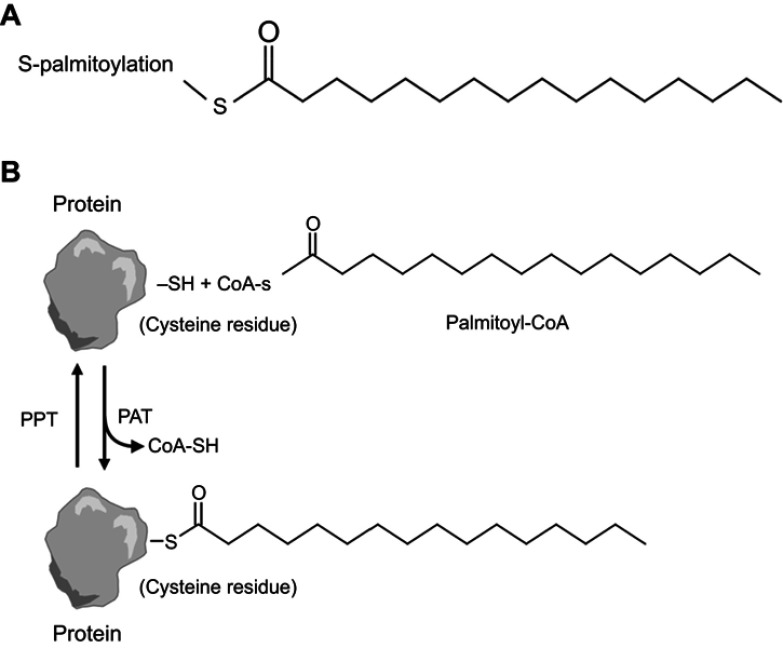
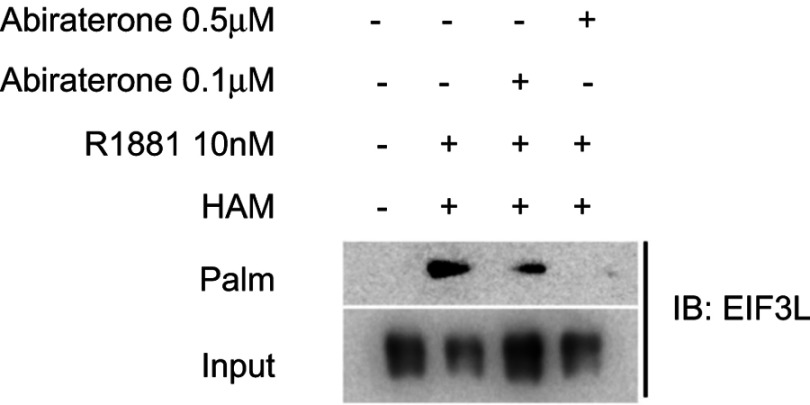
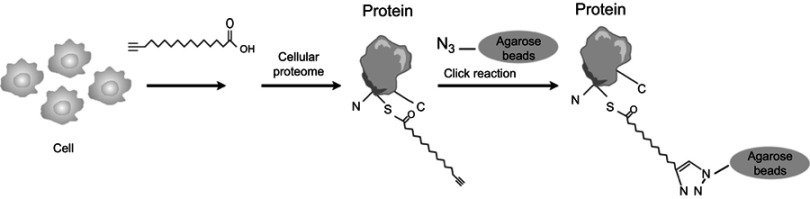
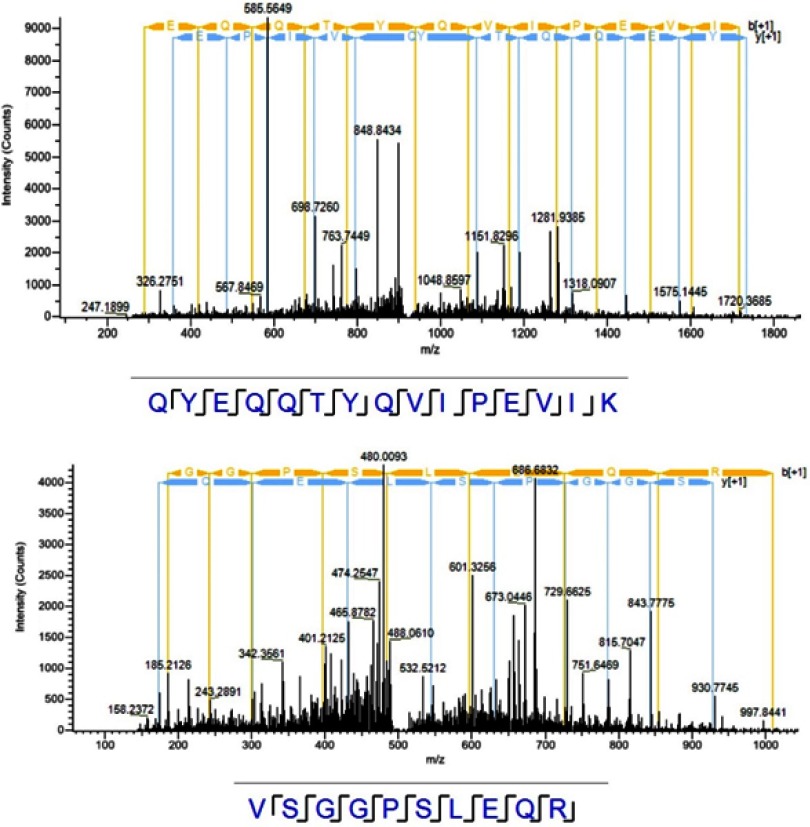
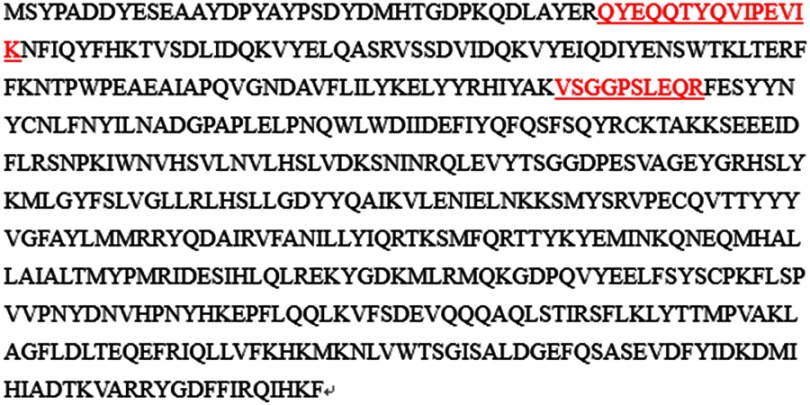
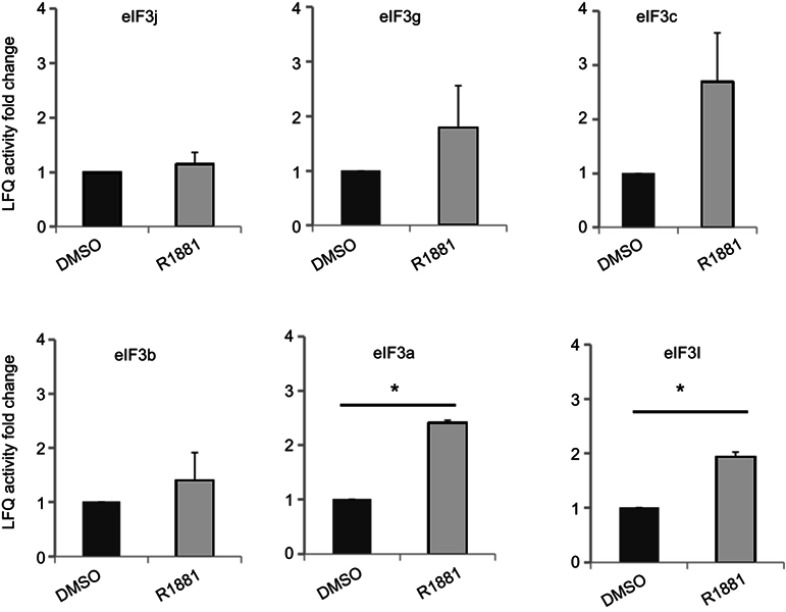
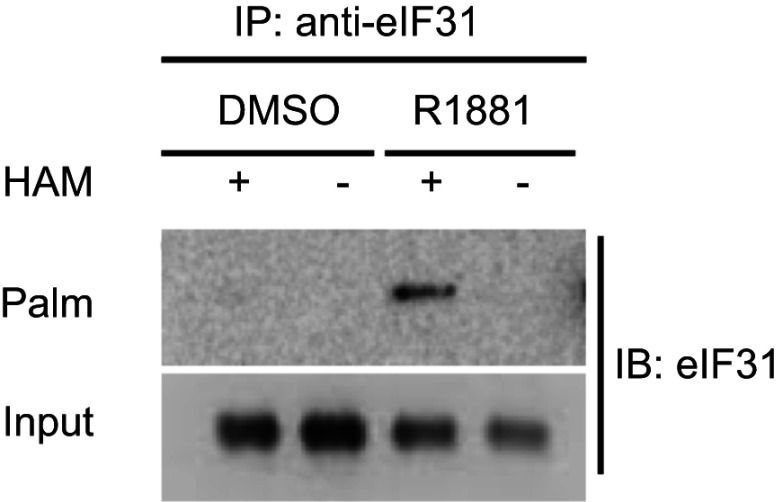
Prostate cancer is the second leading cause of cancer-related deaths in Western countries. Most patients diagnosed with advanced prostate cancer can be treated with the main treatment: androgen deprivation therapy (ADT). The androgen receptor (AR) signaling axis plays a pivotal role in the progression of prostate cancer. However, most patients can ultimately progress to the castration-resistant prostate cancer (CRPC) stage within 2 years. At this stage, drugs targeting the AR signaling axis, including enzalutamide and abiraterone acetate, cannot prevent the progression of prostate cancer, thus predicting a poor prognosis. The molecular mechanism lies in the aberrant AR reactivation, which exhibits an adaptive response to ADT, such as the presence of AR splice variants. Thus, CRPC treatment remains a challenge. In addition to the AR axis, a mechanism leading to this progression should be determined. The present study mainly compared palmitoylated proteins between androgen-treated LNCaP cells and non-treated LNCaP cells by palmitoylome profiling, to illustrate the changes at proteomic levels. To screen the androgen-induced palmitoylated proteins, we conducted proteomic experiments using clickable palmitate probe (Alk-C16) between three individual pairs of androgen-treated and non-treated LNCaP cells. We identified 4351 unique peptides corresponding to 835 proteins, among them a number of these identified proteins were palmitoylated proteins, particularly eIF3L. Androgen treatment significantly increased the palmitoylation level of eIF3L, an individual subunit of eIF3. As an initiation factor, eIF3L plays a pivotal role in the translation of mRNAs encoding growth-promoting proteins by enhancing translation rates, thus controlling cell proliferation. In this study, we demonstrated that the regulation of eIF3L palmitoylation may provide new directions for the therapy of prostate cancer. Moreover, the increased level of androgen-induced eIF3L may be used as a biomarker for the diagnosis of early-stage prostate cancer.
前列腺癌是西方国家癌症相关死亡的第二大主要原因。大多数被诊断为晚期前列腺癌的患者可以接受主要治疗:雄激素剥夺疗法(ADT)。雄激素受体(AR)信号轴在前列腺癌的进展中起关键作用。然而,大多数患者最终会在2年内进展到去势抵抗性前列腺癌(CRPC)阶段。在此阶段,靶向AR信号轴的药物,包括恩杂鲁胺和醋酸阿比特龙,无法阻止前列腺癌的进展,因此预后较差。分子机制在于AR异常重新激活,这表现为对ADT的适应性反应,如存在AR剪接变体。因此,CRPC治疗仍然是一个挑战。除了AR轴之外,还应确定导致这种进展的机制。本研究主要通过棕榈酰化蛋白质组分析比较雄激素处理的LNCaP细胞和未处理的LNCaP细胞之间的棕榈酰化蛋白质,以阐明蛋白质组水平的变化。为了筛选雄激素诱导的棕榈酰化蛋白质,我们在三对单独的雄激素处理和未处理的LNCaP细胞之间使用可点击的棕榈酸探针(Alk-C16)进行了蛋白质组学实验。我们鉴定出了对应于835种蛋白质的4351个独特肽段,其中许多鉴定出的蛋白质是棕榈酰化蛋白质,特别是eIF3L。雄激素处理显著增加了eIF3(一种eIF3的单个亚基)的棕榈酰化水平。作为起始因子,eIF3L通过提高翻译速率在编码促进生长蛋白质的mRNA翻译中起关键作用,从而控制细胞增殖。在本研究中,我们证明eIF3L棕榈酰化的调节可能为前列腺癌的治疗提供新方向。此外,雄激素诱导的eIF3L水平升高可作为早期前列腺癌诊断的生物标志物。