Kessler Jacqueline, Hohmann Tim, Güttler Antje, Petrenko Marina, Ostheimer Christian, Hohmann Urszula, Bache Matthias, Dehghani Faramarz, Vordermark Dirk
Department of Radiotherapy, Faculty of Medicine, Martin Luther University Halle-Wittenberg, Ernst-Grube-Str. 40, 06097 Halle (Saale), Germany.
Department of Anatomy and Cell Biology, Faculty of Medicine, Martin Luther University Halle-Wittenberg, Große Steinstraße 52, 06108 Halle (Saale), Germany.
Cancers (Basel). 2019 Jun 25;11(6):889. doi: 10.3390/cancers11060889.
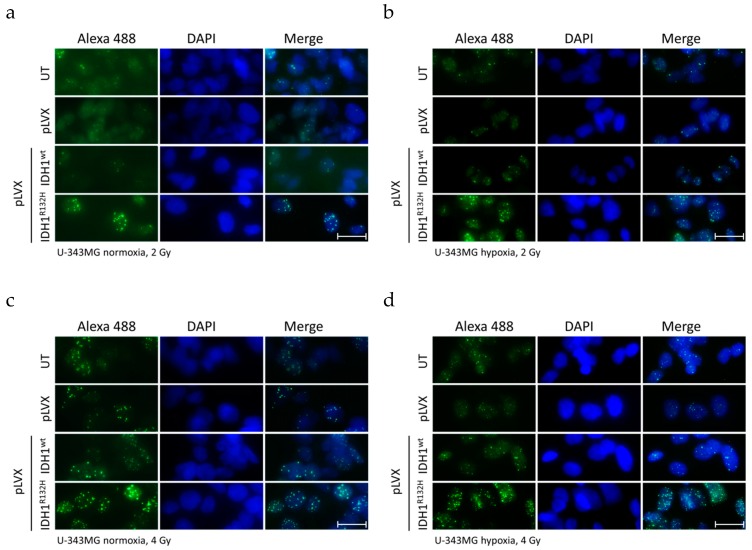
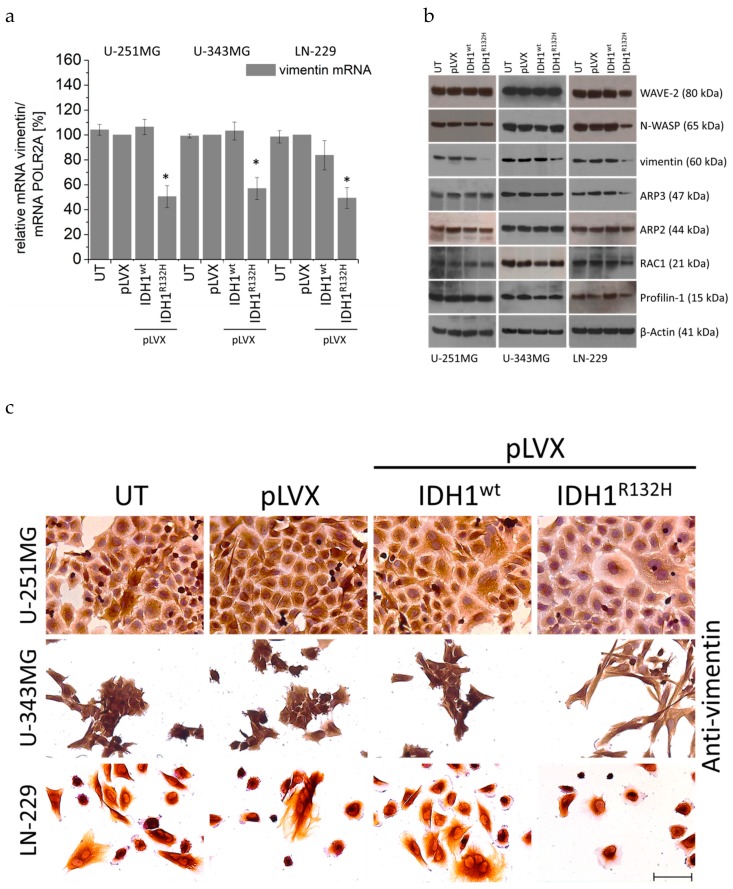
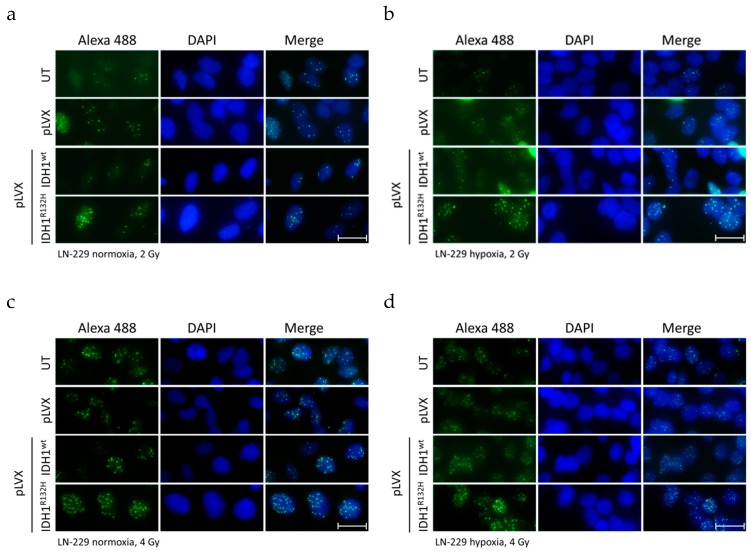
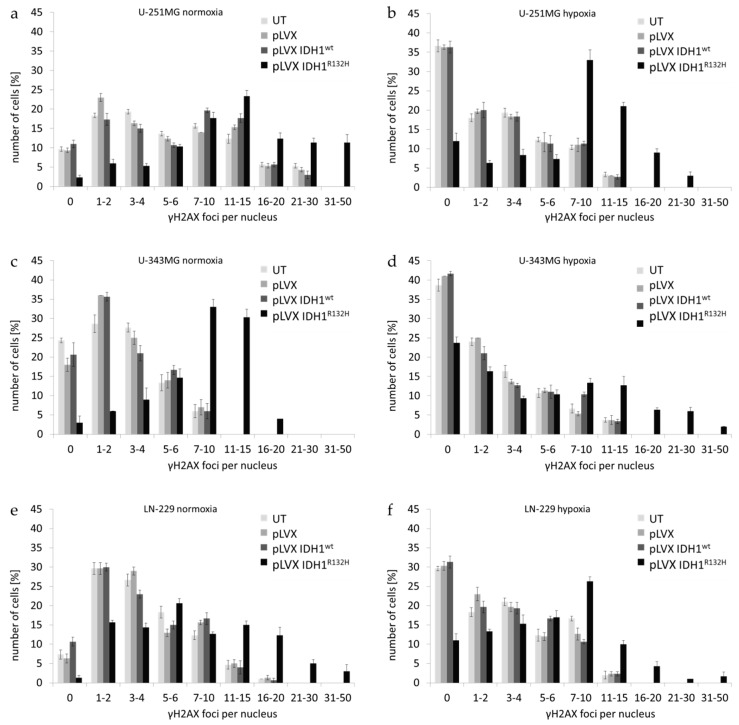
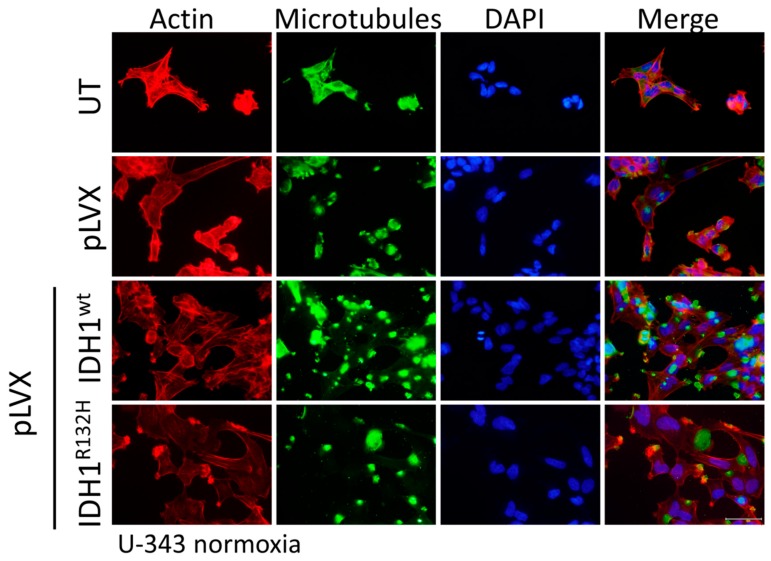
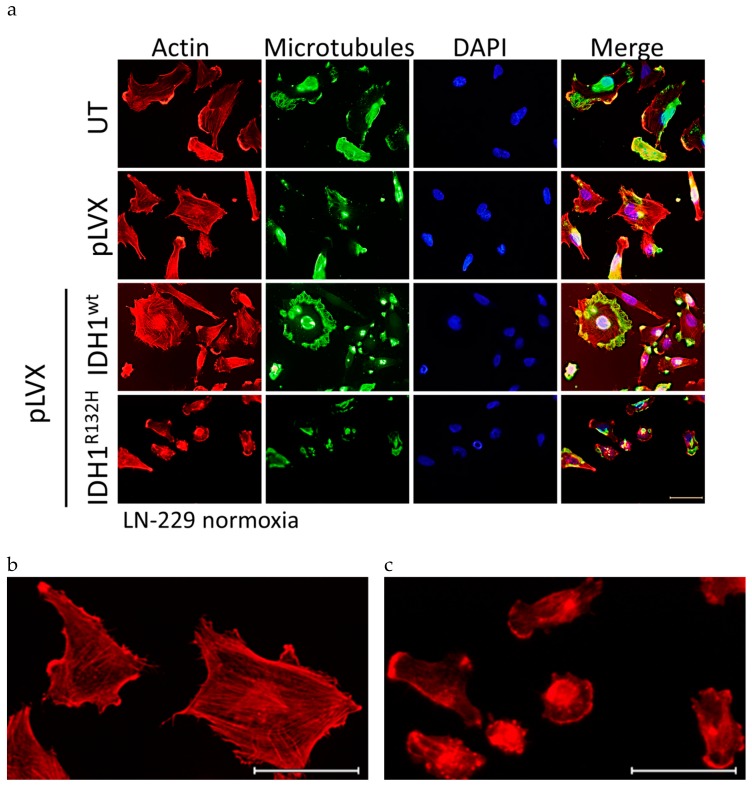
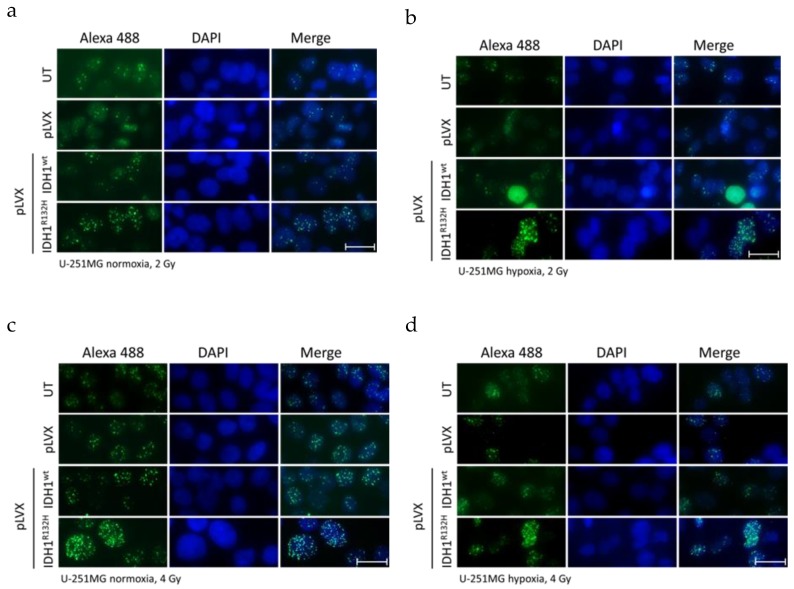
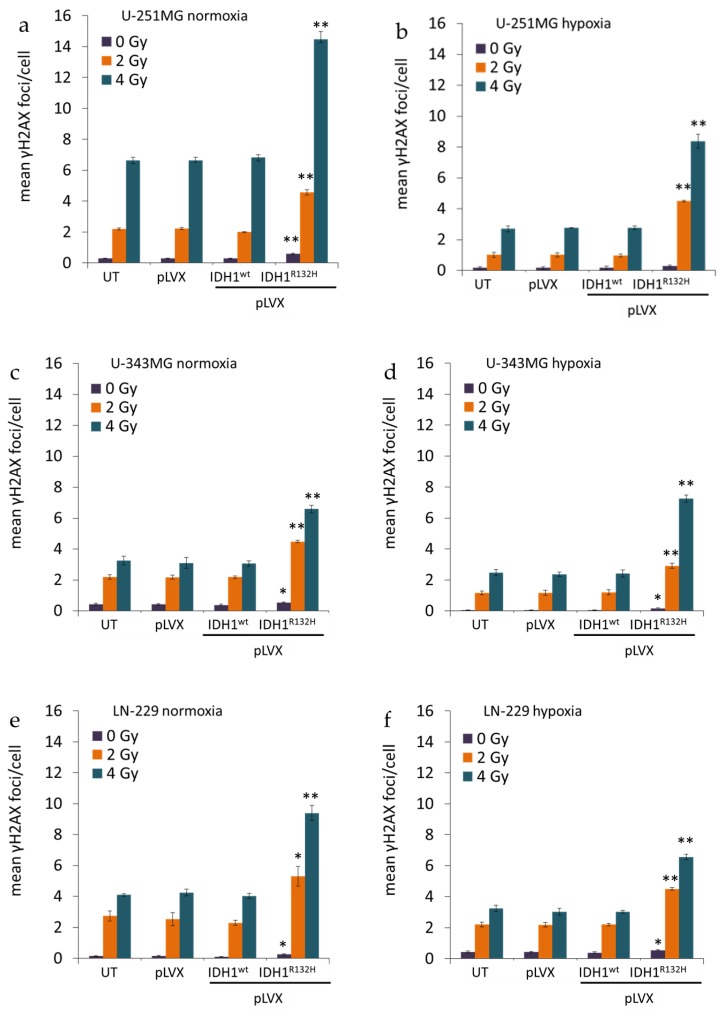
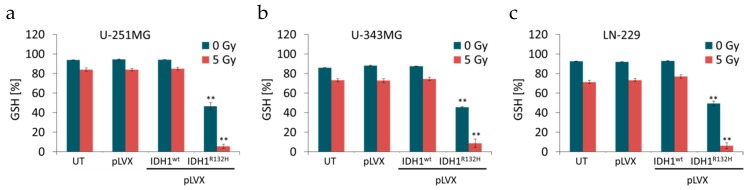
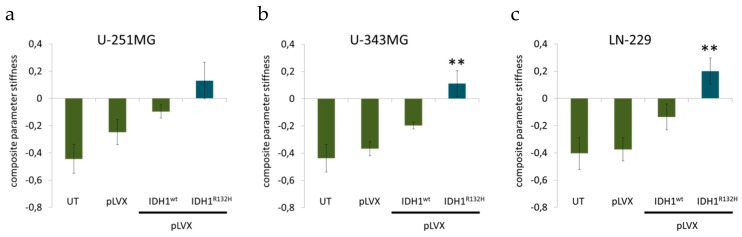
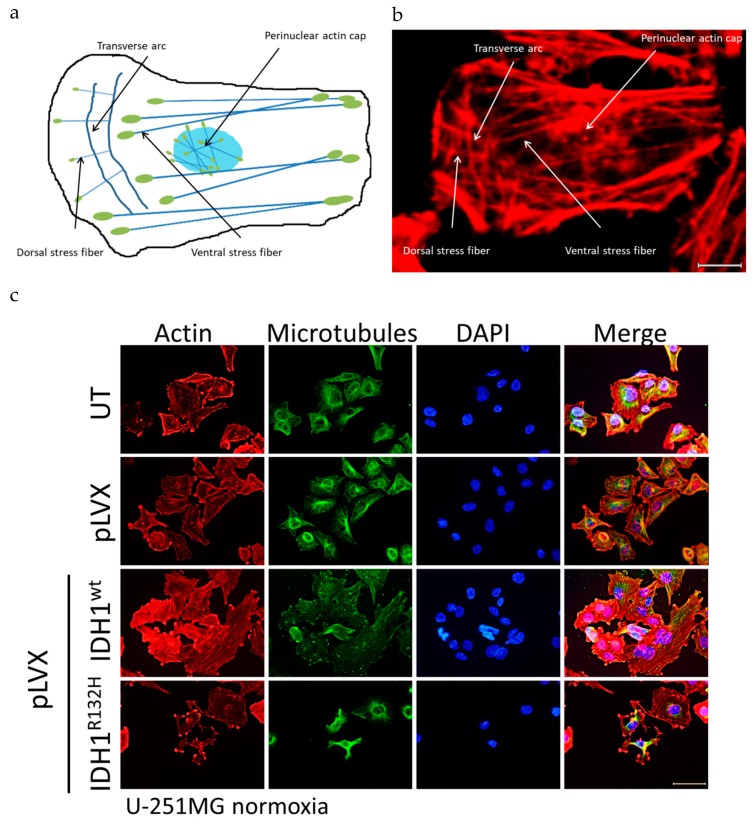
The presence of an isocitrate dehydrogenase 1 (IDH1) mutation is associated with a less aggressive phenotype, increased sensitivity to radiation, and increased overall survival in patients with diffuse glioma. Based on in vitro experimentations in malignant glioma cell lines, the consequences on cellular processes of IDH1 expression were analyzed. The results revealed that IDH1 expression enhanced the radiation induced accumulation of residual γH2AX foci and decreased the amount of glutathione (GSH) independent of the oxygen status. In addition, expression of the mutant IDH1 caused a significant increase of cell stiffness and induced an altered organization of the cytoskeleton, which has been shown to reinforce cell stiffness. Furthermore, IDH1 expression decreased the expression of vimentin, an important component of the cytoskeleton and regulator of the cell stiffness. The results emphasize the important role of mutant IDH1 in treatment of patients with diffuse gliomas especially in response to radiation. Hence, detection of the genetic status of IDH1 before therapy massively expands the utility of immunohistochemistry to accurately distinguish patients with a less aggressive and radiosensitive IDH1-mutant diffuse glioma suitable for radiotherapy from those with a more aggressive IDH1-wildtype diffuse glioma who might benefit from an individually intensified therapy comprising radiotherapy and alternative medical treatments.
异柠檬酸脱氢酶1(IDH1)突变的存在与弥漫性胶质瘤患者侵袭性较低的表型、对放疗的敏感性增加以及总生存期延长相关。基于对恶性胶质瘤细胞系的体外实验,分析了IDH1表达对细胞过程的影响。结果显示,IDH1表达增强了辐射诱导的残余γH2AX病灶积累,并降低了谷胱甘肽(GSH)的量,且与氧状态无关。此外,突变型IDH1的表达导致细胞硬度显著增加,并诱导细胞骨架组织改变,这已被证明会增强细胞硬度。此外,IDH1表达降低了波形蛋白的表达,波形蛋白是细胞骨架的重要组成部分和细胞硬度的调节因子。这些结果强调了突变型IDH1在弥漫性胶质瘤患者治疗中尤其是对放疗反应方面的重要作用。因此,在治疗前检测IDH1的基因状态极大地扩展了免疫组织化学的应用,以准确区分适合放疗的侵袭性较低且对放疗敏感的IDH1突变型弥漫性胶质瘤患者与可能受益于包括放疗和替代医学治疗的个体化强化治疗的侵袭性较高的IDH1野生型弥漫性胶质瘤患者。