Third Department of Breast Cancer, Tianjin Medical University Cancer Institute and Hospital, National Clinical Research Center for Cancer, Key Laboratory of Cancer Prevention and Therapy, Tianjin, China.
Tianjin's Clinical Research Center for Cancer, Tianjin, China.
Theranostics. 2019 May 9;9(10):2950-2966. doi: 10.7150/thno.29617. eCollection 2019.
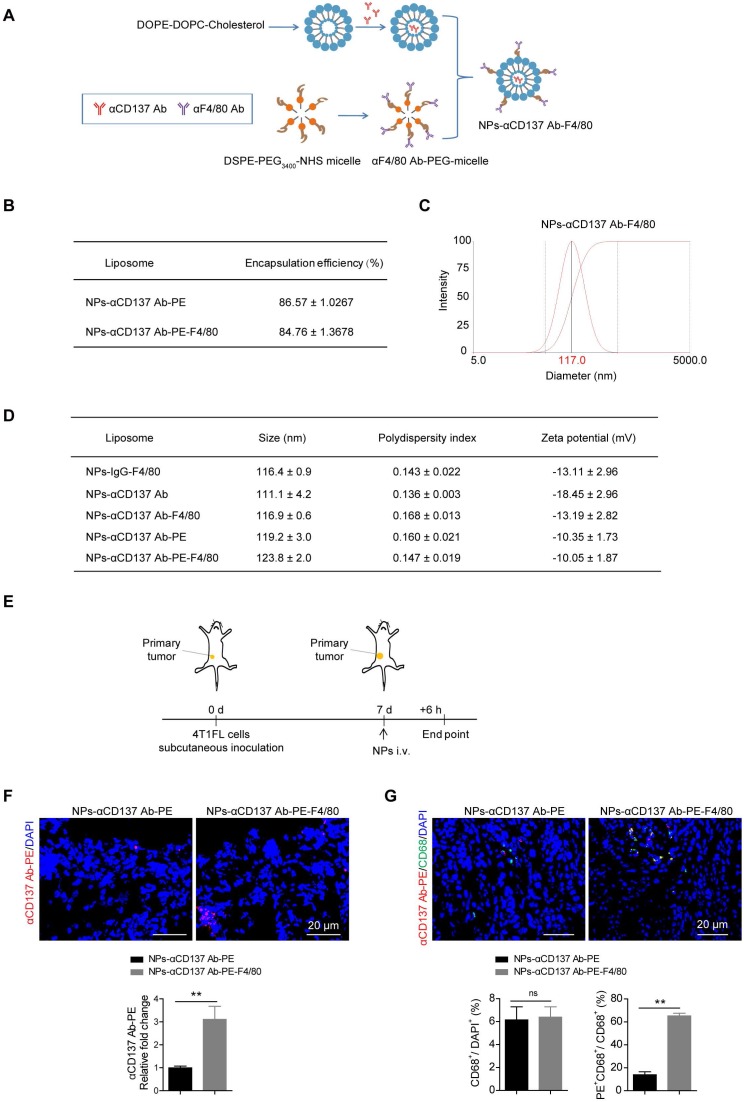
Bone is one of the most common metastatic sites of breast cancer. CD137 (4-1BB), a member of the tumor necrosis factor (TNF) receptor superfamily, is mainly expressed in activated leukocytes. Previous study demonstrates the effect of CD137-CD137L bidirectional signaling pathway on RANKL-mediated osteoclastogenesis. However, the role of CD137 in bone metastasis of breast cancer needs further study. Stable monocyte/macrophage cell lines with overexpression and silencing were established. Western blot, real-time PCR, transwell and tartrate-resistant acid phosphatase staining were used to detect the regulatory effect of CD137 on migration and osteoclastogenesis of monocytes/macrophages . Spontaneous bone metastasis mouse model was established, bioluminescent images, immunohistochemistry and histology assay were performed to detect the function of CD137 in bone metastasis . We found that CD137 promotes the migration of monocytes/macrophages to tumor microenvironment by upregulating the expression of Fra1. It also promoted the differentiation of monocytes/macrophages into osteoclasts at the same time, thus providing a favorable microenvironment for the colonization and growth of breast cancer cells in bone. Based on these findings, a novel F4/80-targeted liposomal nanoparticle encapsulating the anti-CD137 blocking antibody (NP-αCD137 Ab-F4/80) was synthesized. This nanoparticle could inhibit both bone and lung metastases of 4T1 breast cancer cells with high efficacy . In addition, it increased the therapeutic efficacy of Fra1 inhibitor on tumor metastasis. Taken together, these findings reveal the promotion effect of macrophage/monocyte CD137 on bone metastases and provide a promising therapeutic strategy for metastasis of breast cancer.
骨是乳腺癌最常见的转移部位之一。CD137(4-1BB)是肿瘤坏死因子(TNF)受体超家族的成员,主要表达于活化的白细胞。先前的研究表明 CD137-CD137L 双向信号通路对 RANKL 介导的破骨细胞生成有影响。然而,CD137 在乳腺癌骨转移中的作用需要进一步研究。 建立了过表达和沉默稳定的单核细胞/巨噬细胞细胞系。采用 Western blot、实时 PCR、Transwell 和耐酒石酸酸性磷酸酶染色检测 CD137 对单核细胞/巨噬细胞迁移和破骨细胞生成的调节作用。建立自发性骨转移小鼠模型,进行生物发光成像、免疫组化和组织学检测,以检测 CD137 在骨转移中的功能。 我们发现 CD137 通过上调 Fra1 的表达促进单核细胞/巨噬细胞向肿瘤微环境迁移。同时,它还促进单核细胞/巨噬细胞向破骨细胞分化,从而为乳腺癌细胞在骨中的定植和生长提供有利的微环境。基于这些发现,合成了一种新型的 F4/80 靶向脂质体纳米颗粒,该纳米颗粒包裹了抗 CD137 阻断抗体(NP-αCD137 Ab-F4/80)。该纳米颗粒能高效抑制 4T1 乳腺癌细胞的骨转移和肺转移,此外,它还增加了 Fra1 抑制剂对肿瘤转移的治疗效果。 综上所述,这些发现揭示了巨噬细胞/单核细胞 CD137 对骨转移的促进作用,并为乳腺癌转移提供了一种有前途的治疗策略。