Pinto Patrícia Ribeiro, Paredes Ana Cristina, Pedras Susana, Costa Patrício, Crato Miguel, Fernandes Susana, Lopes Manuela, Carvalho Manuela, Almeida Armando
Life and Health Sciences Research Institute (ICVS), School of Medicine, University of Minho, Braga, Portugal.
ICVS/3B's - PT Government Associate Laboratory, Braga/Guimarães, Portugal.
TH Open. 2018 Feb 14;2(1):e54-e67. doi: 10.1055/s-0038-1624568. eCollection 2018 Jan.
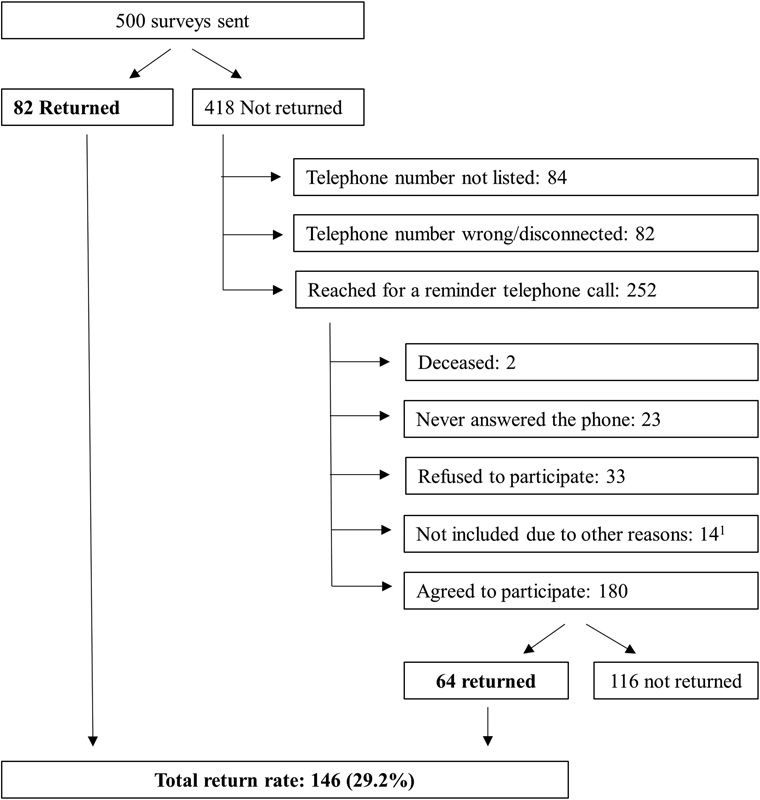
Hemophilia is a rare genetic bleeding disorder associated with pain, impaired functionality, and decreased quality of life (QoL). Several studies have focused on patient-reported outcomes of people with hemophilia (PWH) worldwide, but no such data are available for Portugal. This survey aimed to describe sociodemographic, clinical, and psychosocial characteristics of PWH of all ages in Portugal. Questionnaires were answered by self-report or by parents of children with hemophilia (proxy version). Variables assessed were sociodemographic and clinical, physical activity patterns, pain, functionality (HAL/PedHAL), QoL (A36 Hemofilia-QoL/CHO-KLAT), anxiety and depression (PROMIS), and illness perceptions (IPQ-R). One-hundred and forty-six PWH answered the survey: 106 adults, 21 children/teenagers between 10 and 17 years, 11 children between 6 and 9 years, and 8 children between 1 and 5 years. Most participants had severe hemophilia (60.3%) and type A was most commonly reported (86.3%). Bleeding episodes, joint deterioration, and pain were very prevalent, with the ankles and knees being the most affected joints, as illustrated by HAL/PedHAL scores. The A36 Hemofilia-QoL assessment showed moderate QoL (96.45; 0-144 scale) and significant anxiety and depression symptoms were found in 36.7 and 27.2% of adults, respectively. CHO-KLAT global score (0-100 scale) was 75.63/76.32 (self-report/proxy). Concerning hemophilia-related illness beliefs, a perception of chronicity and symptoms unpredictability was particularly prominent among adults and children/teenagers. This survey provided a comprehensive characterization of Portuguese PWH, including the first report of psychosocial characteristics. The findings allow for a deeper understanding of life with hemophilia in Portugal and the identification of relevant health care and research needs.
血友病是一种罕见的遗传性出血性疾病,伴有疼痛、功能受损和生活质量(QoL)下降。多项研究聚焦于全球血友病患者(PWH)的患者报告结局,但葡萄牙尚无此类数据。本调查旨在描述葡萄牙各年龄段PWH的社会人口学、临床和心理社会特征。问卷通过自我报告或血友病患儿家长(代理版本)回答。评估的变量包括社会人口学和临床变量、身体活动模式、疼痛、功能(HAL/PedHAL)、生活质量(A36血友病-QoL/CHO-KLAT)、焦虑和抑郁(PROMIS)以及疾病认知(IPQ-R)。146名PWH回答了调查:106名成年人,21名10至17岁的儿童/青少年,11名6至9岁的儿童,以及8名1至5岁的儿童。大多数参与者患有严重血友病(60.3%),最常报告的是A型(86.3%)。出血发作、关节恶化和疼痛非常普遍,HAL/PedHAL评分显示脚踝和膝盖是受影响最严重的关节。A36血友病-QoL评估显示生活质量中等(96.45;0-144量表),分别有36.7%和27.2%的成年人存在显著的焦虑和抑郁症状。CHO-KLAT全球评分(0-100量表)为75.63/76.32(自我报告/代理)。关于与血友病相关的疾病信念,成年人和儿童/青少年中对慢性和症状不可预测性的认知尤为突出。本调查提供了葡萄牙PWH的全面特征描述,包括心理社会特征的首次报告。研究结果有助于更深入地了解葡萄牙血友病患者的生活,并确定相关的医疗保健和研究需求。