Lopez Karina, Norris Keri, Hardy Marci, Valentino Leonard A
National Hemophilia Foundation, New York, NY 10001, USA.
Rush University, Chicago, IL 60612, USA.
J Clin Med. 2022 Jul 30;11(15):4443. doi: 10.3390/jcm11154443.
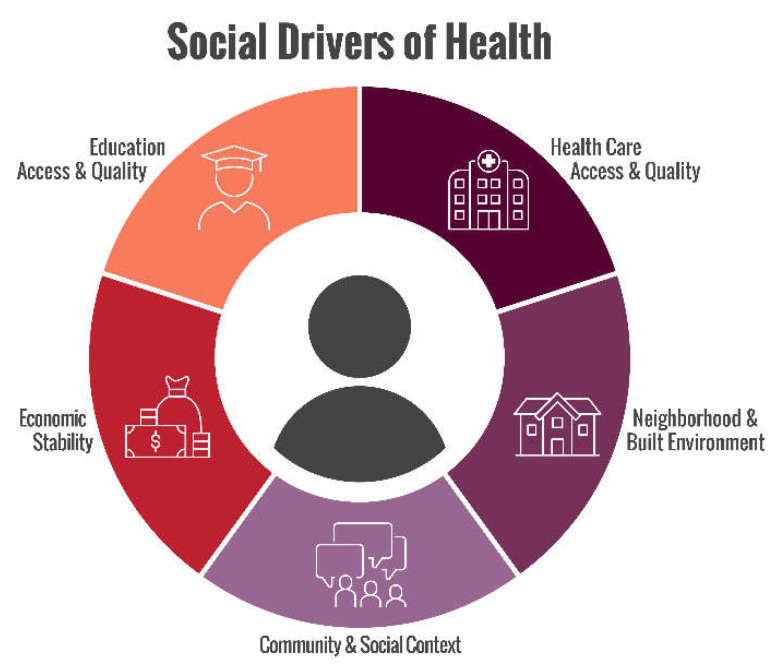
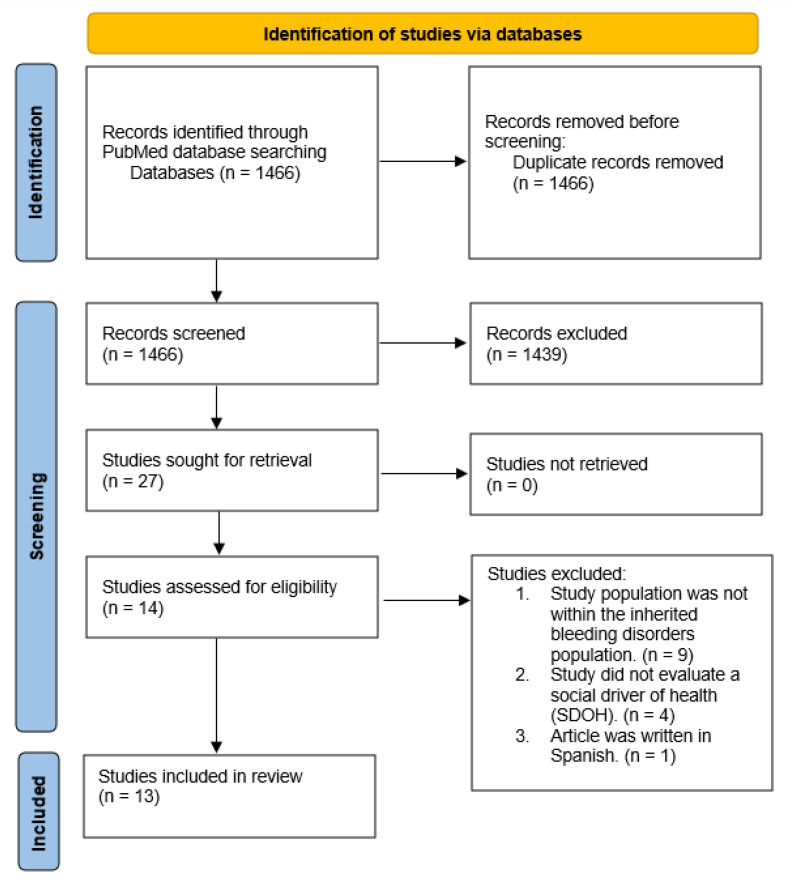
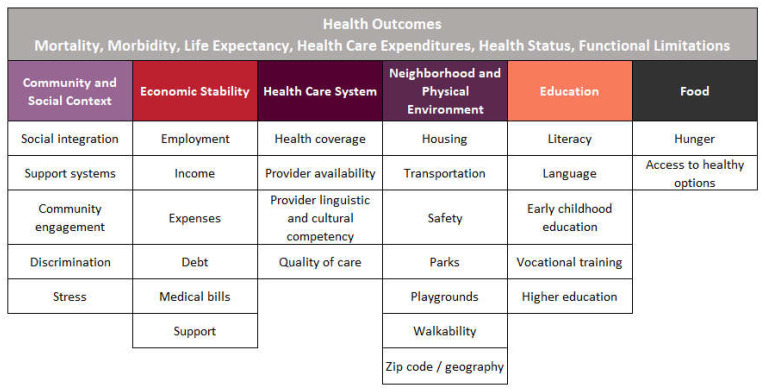
The ways in which the social drivers of health, also known as the social determinants of health (SDOH), affect health outcomes for people with inherited bleeding disorders (PwIBDs) is unclear. This systematic review of the published literature examines the impact of SDOH on health outcomes in PwIBDs. Articles that included the following parameters in PubMed informed this study: published in English between 2011-2021; available in free full text; study population diagnosed with an inherited bleeding disorder; and study measured at least one of the clinical/non-clinical outcome measures: bleeding frequency, chronic pain, mortality, quality of life (QOL), and/or cost. The main findings from the 13 included articles emphasized the unmet need for reducing the economic burden with sustainable population health strategies and treatment options for PwIBDs. Rural location was also a significant contributor to both delayed diagnosis and decreased access to care. Furthermore, the need for a multidisciplinary comprehensive care team to address physical, psychosocial, and emotional needs of PwIBDs was raised as a priority target in the desire for equitable and optimal health. This systematic literature review suggests that the SDOH are associated with inferior health outcomes and may influence the clinical progression of inherited bleeding disorders.
健康的社会驱动因素,也被称为健康的社会决定因素(SDOH),影响遗传性出血性疾病患者(PwIBDs)健康结局的方式尚不清楚。这项对已发表文献的系统综述考察了SDOH对PwIBDs健康结局的影响。本研究参考了在PubMed中符合以下参数的文章:2011年至2021年间以英文发表;可获取免费全文;研究人群被诊断患有遗传性出血性疾病;研究至少测量了以下临床/非临床结局指标之一:出血频率、慢性疼痛、死亡率、生活质量(QOL)和/或成本。纳入的13篇文章的主要研究结果强调,对于通过可持续的人群健康策略和PwIBDs治疗方案减轻经济负担的需求尚未得到满足。农村地区也是导致诊断延迟和获得医疗服务机会减少的一个重要因素。此外,在追求公平和最佳健康的过程中提出,需要一个多学科综合护理团队来满足PwIBDs患者的身体、心理社会和情感需求,这是一个优先目标。这项系统的文献综述表明,SDOH与较差的健康结局相关,并且可能影响遗传性出血性疾病的临床进展。