Department of Psychology, Harvard University, Cambridge, MA 02138.
MotiveMetrics Inc., Palo Alto, CA 94306.
Proc Natl Acad Sci U S A. 2019 Jul 9;116(28):13751-13758. doi: 10.1073/pnas.1905518116. Epub 2019 Jun 28.
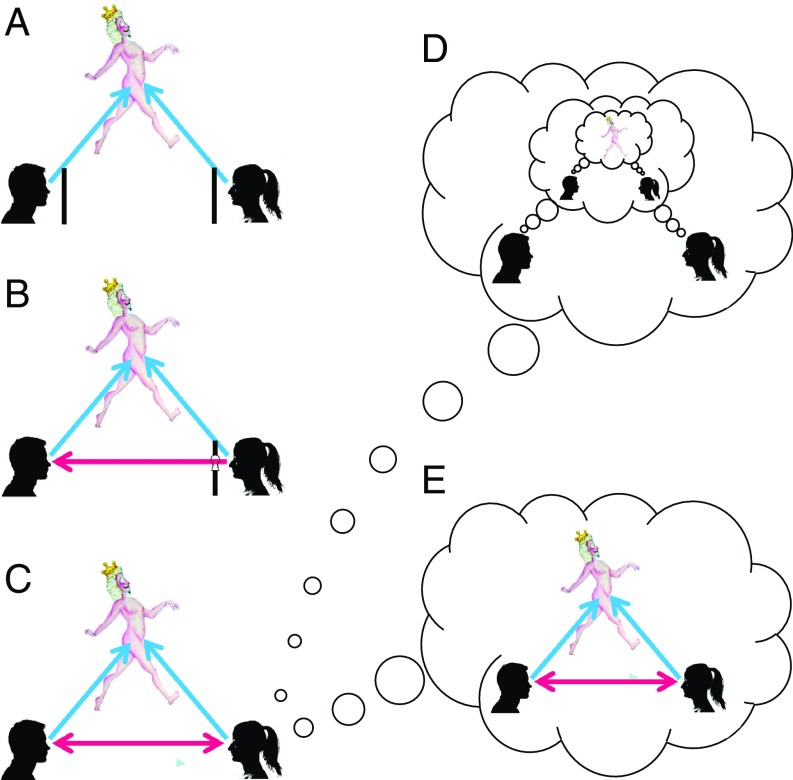
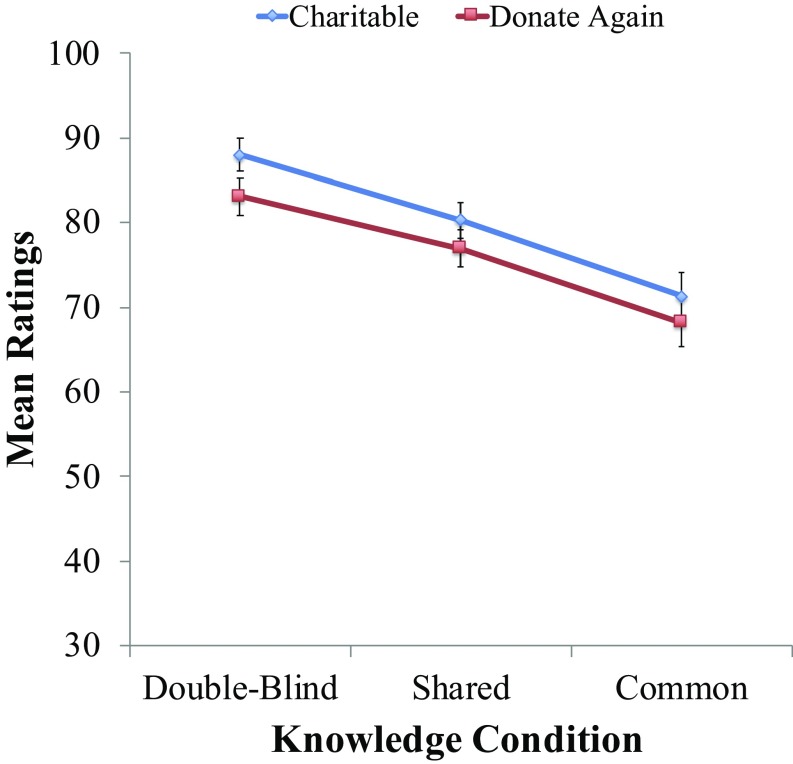
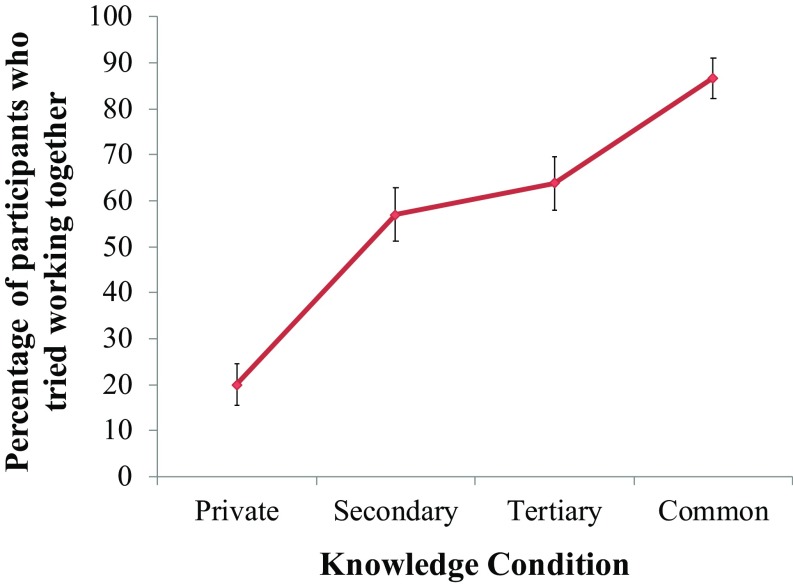
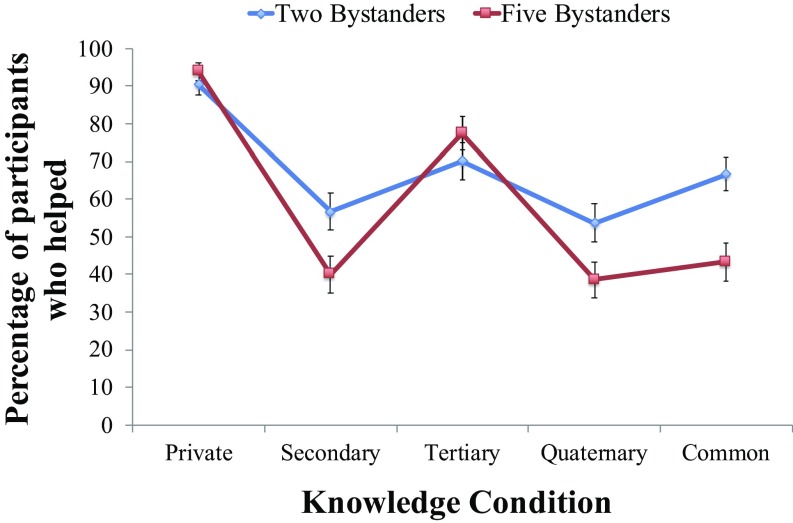
People often coordinate for mutual gain, such as keeping to opposite sides of a stairway, dubbing an object or place with a name, or assembling en masse to protest a regime. Because successful coordination requires complementary choices, these opportunities raise the puzzle of how people attain the common knowledge that facilitates coordination, in which a person knows X, knows that the other knows X, knows that the other knows that he knows, ad infinitum. We show that people are highly sensitive to the distinction between common knowledge and mere private or shared knowledge, and that they deploy this distinction strategically in diverse social situations that have the structure of coordination games, including market cooperation, innuendo, bystander intervention, attributions of charitability, self-conscious emotions, and moral condemnation.
人们经常为了共同的利益而协调,例如在楼梯上保持在相反的两侧,给物体或地点起一个名字,或者集体抗议一个政权。因为成功的协调需要互补的选择,这些机会提出了一个难题,即人们如何获得促进协调的共同知识,在这种知识中,一个人知道 X,知道另一个人知道 X,知道另一个人知道他知道,如此循环。我们表明,人们对共同知识和仅仅是私人或共享知识之间的区别非常敏感,并且他们在具有协调博弈结构的各种社会情境中策略性地运用这种区别,包括市场合作、影射、旁观者干预、慈善归因、自我意识情绪和道德谴责。