Department of Chemical and Petroleum Engineering, University of Kansas, 1530 W. 15th Street, 4132 Learned Hall, Lawrence, KS, 66045, USA.
Bioengineering Graduate Program, University of Kansas, Lawrence, USA.
Odontology. 2020 Apr;108(2):153-165. doi: 10.1007/s10266-019-00439-1. Epub 2019 Jul 3.
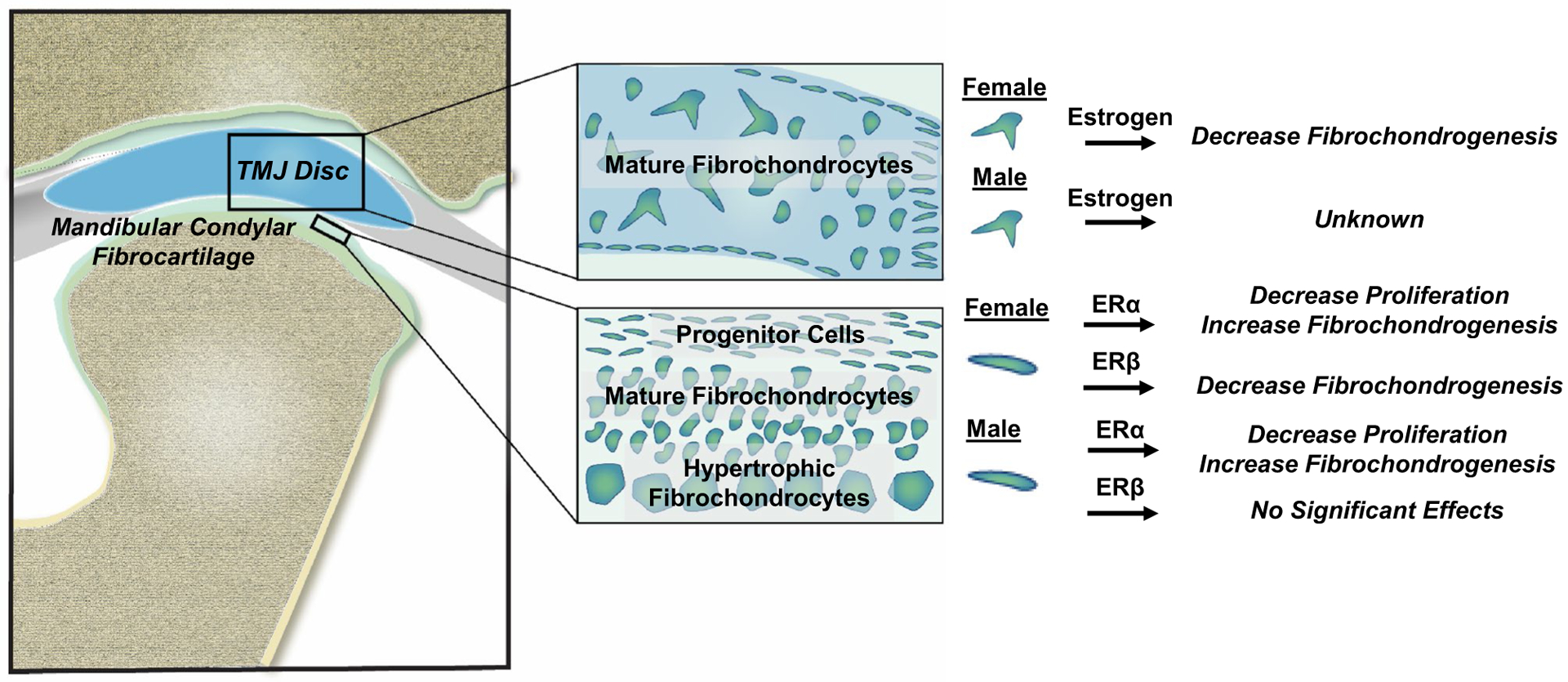
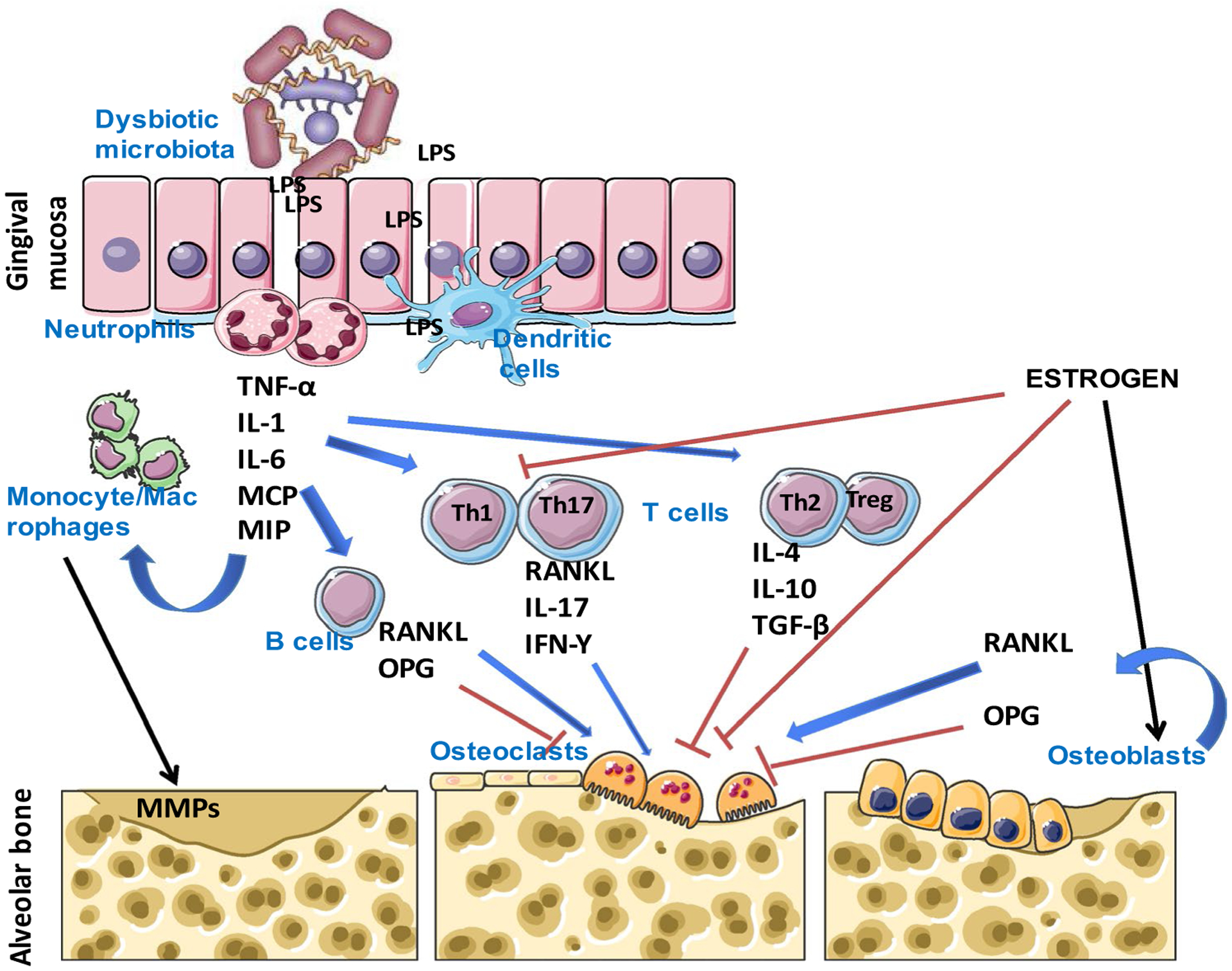
Women experience a higher incidence of oral diseases including periodontal diseases and temporomandibular joint disease (TMD) implicating the role of estrogen signaling in disease pathology. Fluctuating levels of estrogen during childbearing age potentiates facial pain, high estrogen levels during pregnancy promote gingivitis, and low levels of estrogen during menopause predisposes the TMJ to degeneration and increases alveolar bone loss. In this review, an overview of estrogen signaling pathways in vitro and in vivo that regulate pregnancy-related gingivitis, TMJ homeostasis, and alveolar bone remodeling is provided. Deciphering the specific estrogen signaling pathways for individual oral diseases is crucial for potential new drug therapies to promote and maintain healthy tissue.
女性经历更高的口腔疾病发病率,包括牙周病和颞下颌关节疾病(TMD),这表明雌激素信号在疾病病理中的作用。生育期雌激素水平波动会加剧面部疼痛,妊娠期间高水平的雌激素会促进牙龈炎,而绝经后低水平的雌激素会使 TMJ 易于退化并增加牙槽骨流失。在这篇综述中,提供了雌激素信号通路在体外和体内调节与妊娠相关的牙龈炎、TMJ 内稳态和牙槽骨重塑的概述。解析特定的雌激素信号通路对于个别口腔疾病的潜在新药物治疗以促进和维持健康组织至关重要。