de Jong Adriaan
Department of Wildlife, Fish, and Environmental Studies, Swedish University of Agricultural Sciences, Umeå, Sweden.
Front Vet Sci. 2019 Jun 19;6:195. doi: 10.3389/fvets.2019.00195. eCollection 2019.
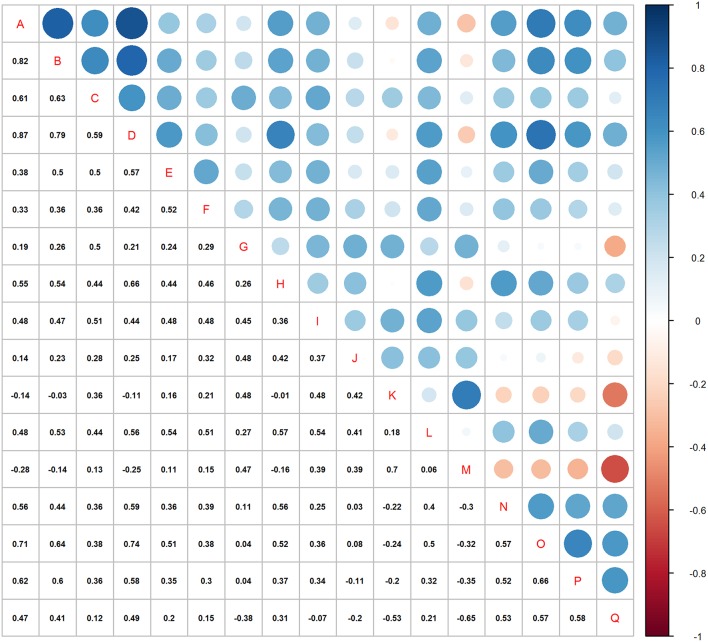
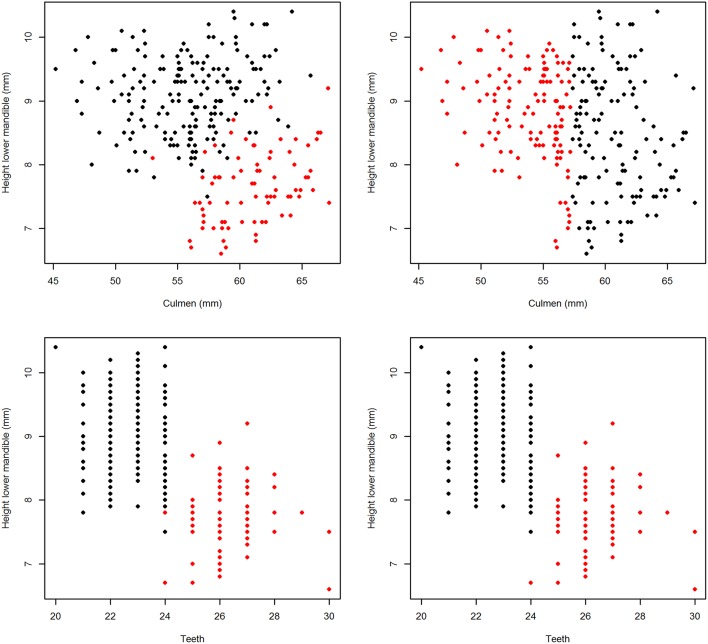
The Principles of the 3Rs apply to animal use in research regardless where the research is conducted. In wildlife research, particularly research on wild birds, 3R implementation lags behind research using laboratory, farm, or pet animals. Raised 3R awareness and more field-adapted techniques and protocols are expected to improve the situation. Unpredictable access to animals entices the wildlife researcher to make the most of each caught animal, leading to potential over-use, and violation of the 3Rs. In this study, I statistically screened an existing set of Bean Goose biometric data for the presence of redundant measurements. The results show that it was possible to distinguish between the and subspecies (the original aim of the measurements) with fewer measurements (2 vs. 17). Avoidance of the redundant measurements was estimated to reduce both handling time and welfare impact with c. 80%. A robust scheme, supported by an R-script, is presented for continuously weeding out redundant measurements. This scheme is potentially applicable for measurement protocols in any wildlife study, and thus, contributes to the implementation of the principals of the 3Rs in wildlife research in general.
3R原则适用于任何地点开展的动物研究。在野生动物研究中,尤其是对野生鸟类的研究,3R原则的实施落后于使用实验动物、农场动物或宠物的研究。提高3R意识以及采用更适合野外的技术和方案有望改善这种情况。难以预测的动物获取情况促使野生动物研究人员充分利用每一只捕获的动物,从而可能导致过度使用,并违反3R原则。在本研究中,我对一组现有的豆雁生物特征数据进行了统计筛选,以查找冗余测量值。结果表明,通过较少的测量值(2个与17个)就能够区分不同亚种(测量的最初目的)。据估计,避免冗余测量可将处理时间和对动物福利的影响降低约80%。本文提出了一个由R脚本支持的稳健方案,用于持续剔除冗余测量值。该方案可能适用于任何野生动物研究的测量方案,因此总体上有助于在野生动物研究中实施3R原则。