Department of Oncology, KU Leuven, University of Leuven, Leuven, Belgium.
VIB-KU Leuven Center for Cancer Biology, VIB, Leuven, Belgium.
Int J Cancer. 2020 Feb 15;146(4):1075-1085. doi: 10.1002/ijc.32558. Epub 2019 Jul 27.
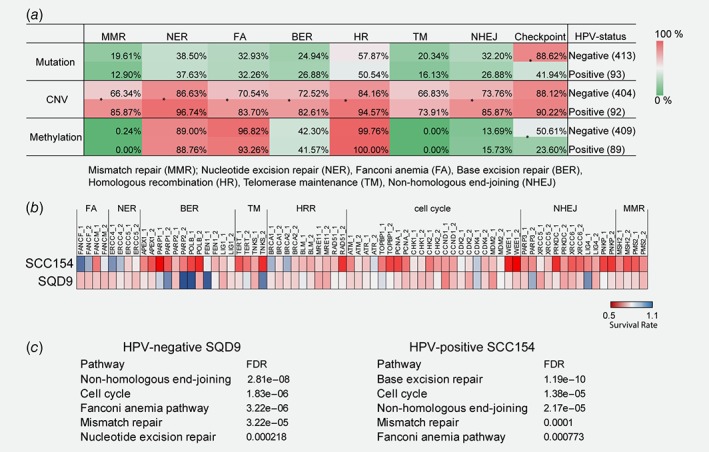
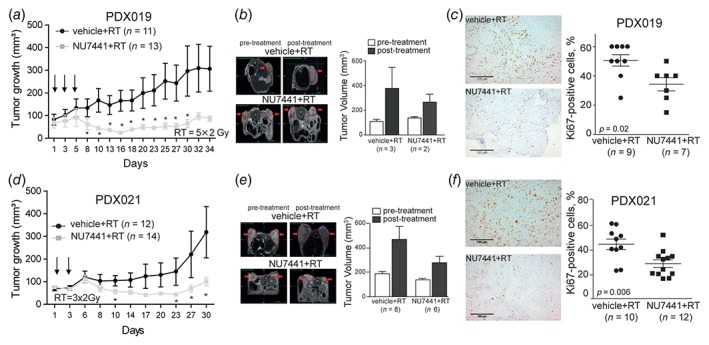
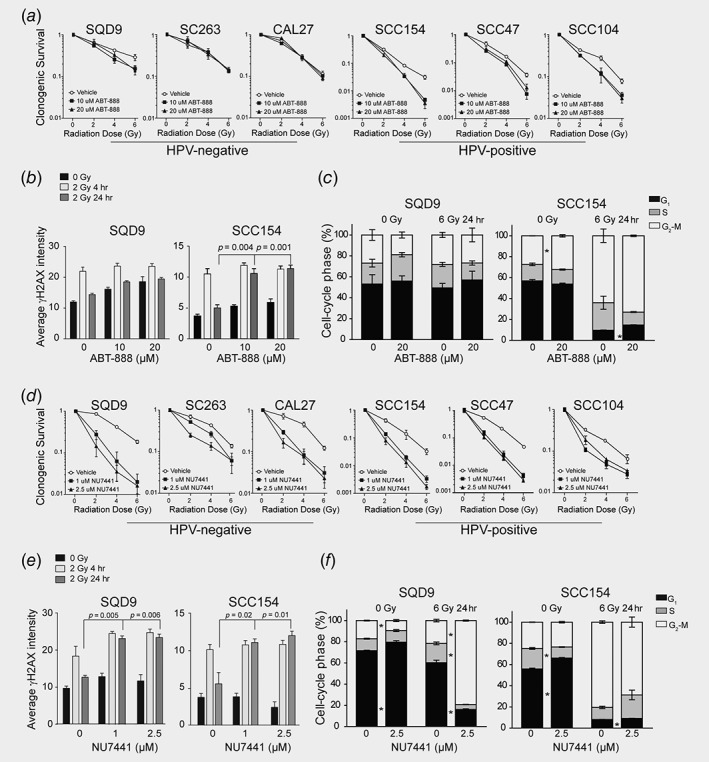
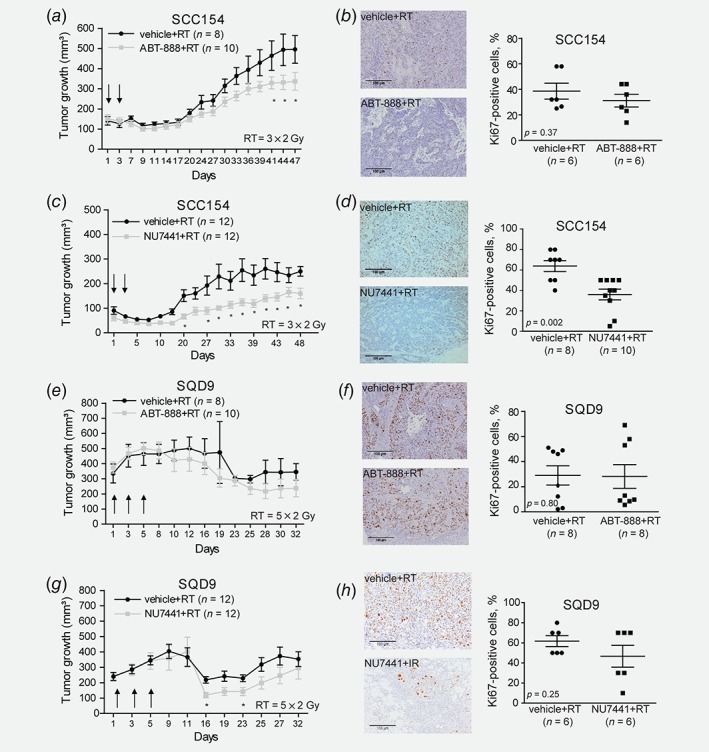
Radiotherapy is one of the most used treatment approaches for head and neck squamous cell carcinoma (HNSCC). Targeted inhibition of DNA repair machinery has the potential to improve treatment response by tailoring treatment to cancer cells lacking specific DNA repair pathways. Human papillomavirus (HPV)-negative and HPV-positive HNSCCs respond differently to radiotherapy treatment, suggesting that different approaches of DNA repair inhibition should be employed for these HNSCC groups. Here, we searched for optimal radiosensitization approaches for HPV-positive and HPV-negative HNSCCs by performing a targeted CRISPR-Cas9 screen. We found that inhibition of base excision repair resulted in a better radiotherapy response in HPV-positive HNSCC, which is correlated with upregulation of genes involved in base excision repair. In contrast, inhibition of nonhomologous end-joining and mismatch repair showed strong effects in both HNSCC groups. We validated the screen results by combining radiotherapy with targeted inhibition of DNA repair in several preclinical models including primary and recurrent patient-derived HNSCC xenografts. These findings underline the importance of stratifying HNSCC patients for combination treatments.
放射疗法是头颈部鳞状细胞癌(HNSCC)最常用的治疗方法之一。靶向抑制 DNA 修复机制有可能通过针对缺乏特定 DNA 修复途径的癌细胞来改善治疗反应。HPV 阴性和 HPV 阳性的 HNSCC 对放射治疗的反应不同,这表明应该针对这些 HNSCC 群体采用不同的 DNA 修复抑制方法。在这里,我们通过进行靶向 CRISPR-Cas9 筛选,寻找 HPV 阳性和 HPV 阴性 HNSCC 的最佳放射增敏方法。我们发现,碱基切除修复的抑制导致 HPV 阳性 HNSCC 对放射治疗的反应更好,这与涉及碱基切除修复的基因上调相关。相比之下,非同源末端连接和错配修复的抑制在两个 HNSCC 群体中均显示出强烈的作用。我们通过在包括原发性和复发性患者来源的 HNSCC 异种移植物在内的几个临床前模型中结合放射治疗和靶向 DNA 修复抑制来验证筛选结果。这些发现强调了对 HNSCC 患者进行联合治疗分层的重要性。