Department of Sports Sciences, Exercise and Health, University of Trás-os-Montes e Alto Douro, 5000-801 Vila Real, Portugal.
Polytechnic Institute of Viseu, 3504-510 Viseu, Portugal.
Int J Environ Res Public Health. 2019 Jul 6;16(13):2403. doi: 10.3390/ijerph16132403.
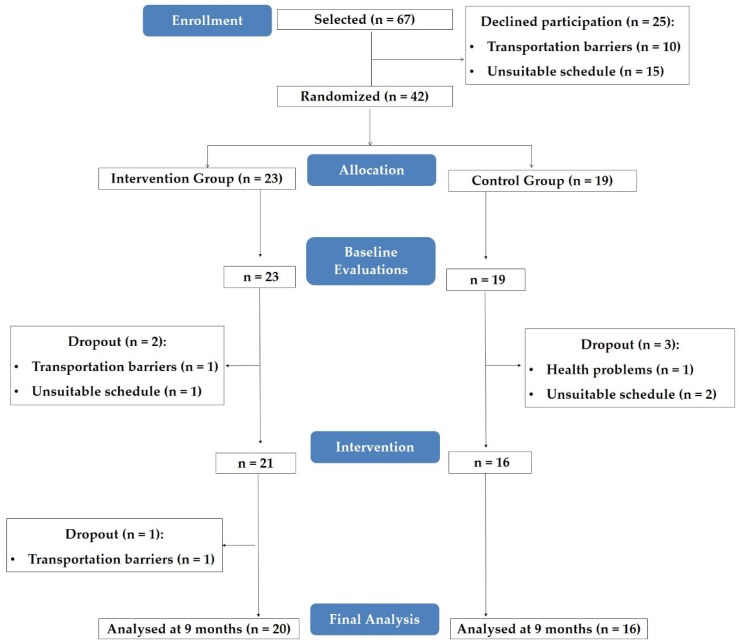
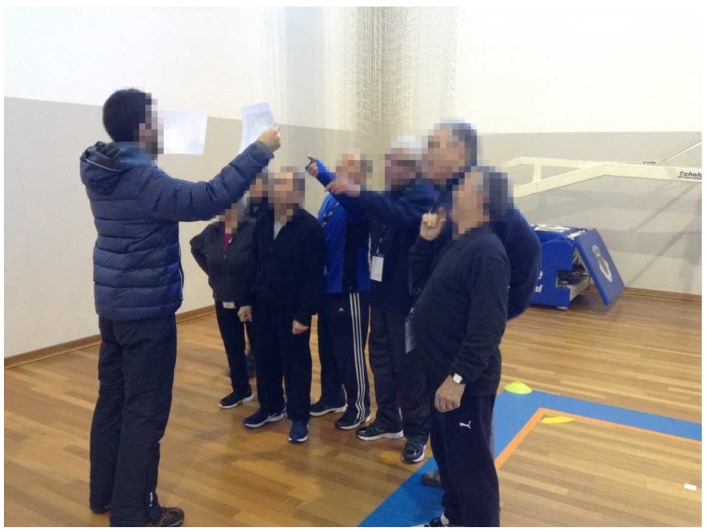
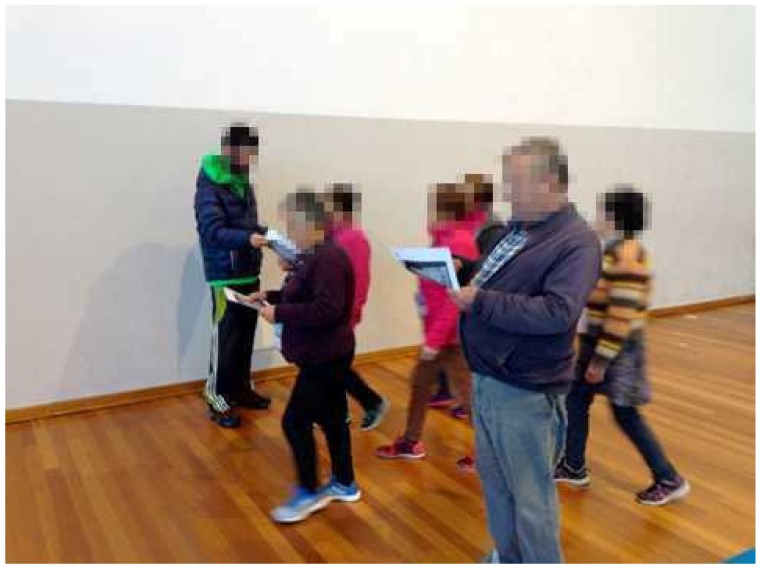
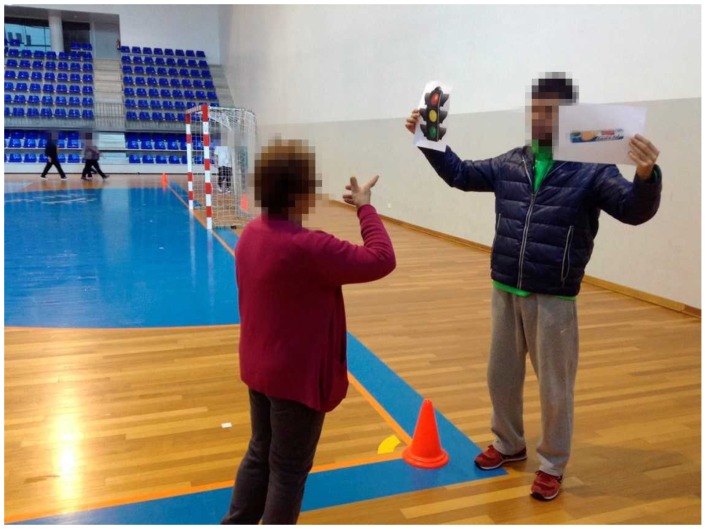
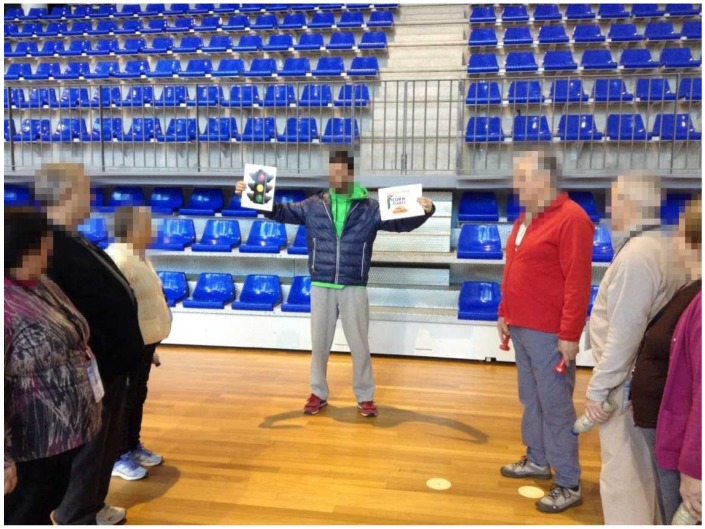
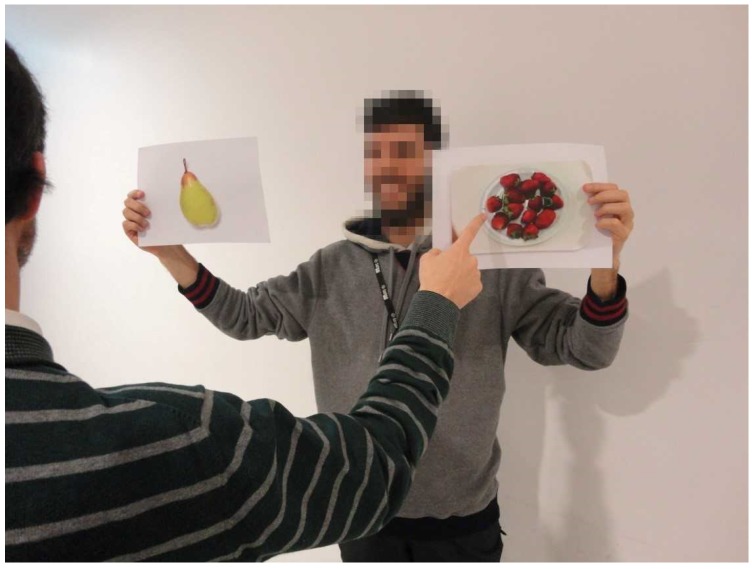
The purpose of this study was to evaluate the impact of a community-based food education program on nutrition-related knowledge in middle-aged and older patients with type 2 diabetes (T2D). Participants ( = 36; 65.9 ± 6.0 years old) were recruited in primary health care to a 9-month community-based lifestyle intervention program for patients with T2D and randomly assigned to an exercise program (control group; = 16) or an exercise program plus a food education program (experimental group; = 20). Nutrition-related knowledge was assessed through a modified version of the General Nutrition Knowledge Questionnaire. The increase in total nutrition-related knowledge score and sources of nutrients area score was significantly higher in the experimental group compared to the control group. No significant changes in nutrition-related knowledge were found between groups in dietary recommendations and diet-disease relationship areas, although improvements were observed. This community-based food education program, with the use of easy to implement strategies (short-duration lectures and dual-task problem solving activities during exercise), had a positive and encouraging impact on nutrition-related knowledge in middle-aged and older patients with T2D.
本研究旨在评估基于社区的食物教育计划对 2 型糖尿病(T2D)中老年患者营养相关知识的影响。参与者(n=36;65.9±6.0 岁)在初级保健中招募,参与针对 T2D 患者的为期 9 个月的社区生活方式干预计划,并随机分配至运动计划(对照组;n=16)或运动计划加食物教育计划(实验组;n=20)。通过修改后的一般营养知识问卷评估营养相关知识。与对照组相比,实验组的总营养相关知识评分和营养素来源领域评分的增加显著更高。尽管有所改善,但在饮食建议和饮食与疾病关系领域,两组之间的营养相关知识变化无统计学意义。这种基于社区的食物教育计划,使用易于实施的策略(短时间的讲座和运动期间的双重任务解决活动),对 T2D 中老年患者的营养相关知识产生了积极和令人鼓舞的影响。