College of Life Science, Hebei Agricultural University, Baoding, China.
Hebei Key Laboratory of Plant Physiology and Molecular Pathology, Hebei Agricultural University, Baoding, China.
BMC Genomics. 2019 Jul 10;20(1):568. doi: 10.1186/s12864-019-5936-2.
The bHLH (basic helix-loop-helix) transcription factor is one of the largest families of transcription factors in plants, containing a large number of members with diverse functions. Chinese jujube (Ziziphus jujuba Mill.) is the species with the highest economic value in the family Rhamnaceae. However, the characteristics of the bHLH family in the jujube genome are still unclear. Hence, ZjbHLHs were first searched at a genome-wide level, their expression levels under various conditions were investigated systematically, and their protein-protein interaction networks were predicted.
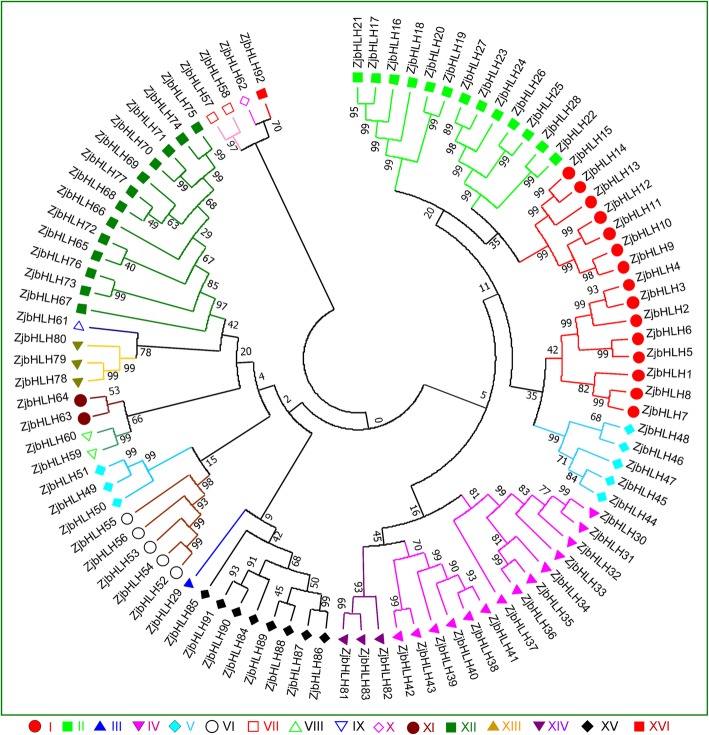
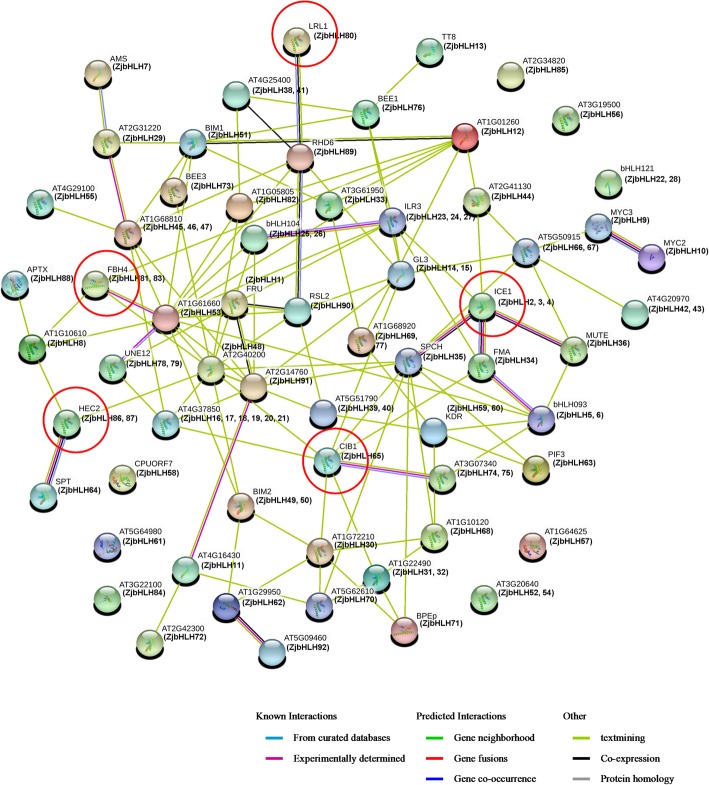
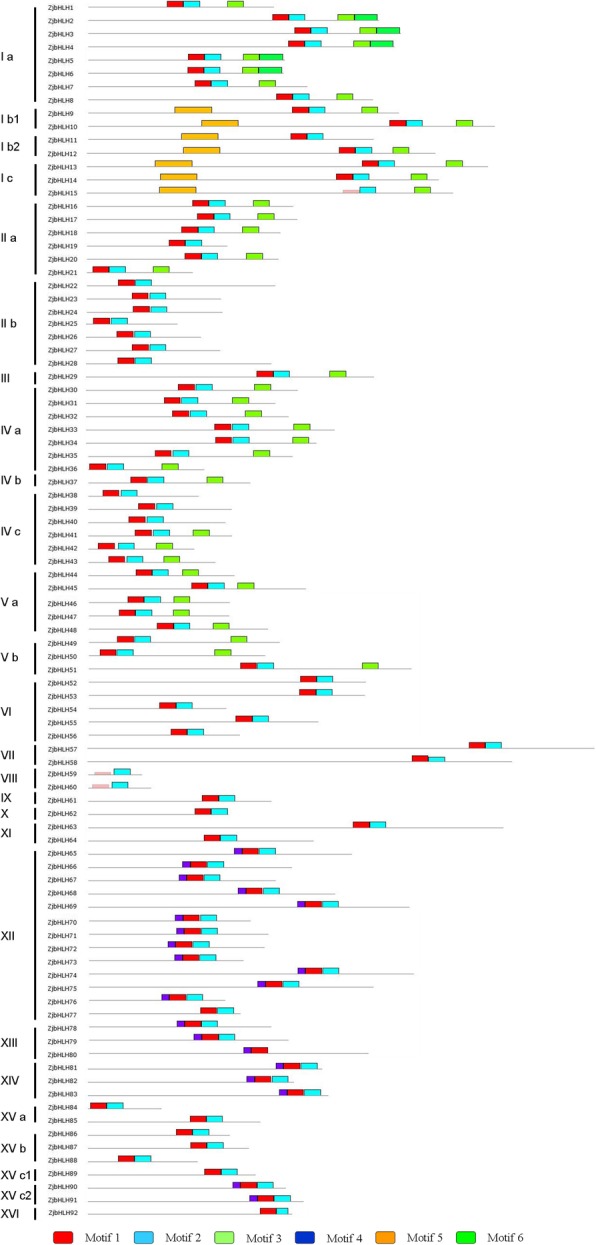
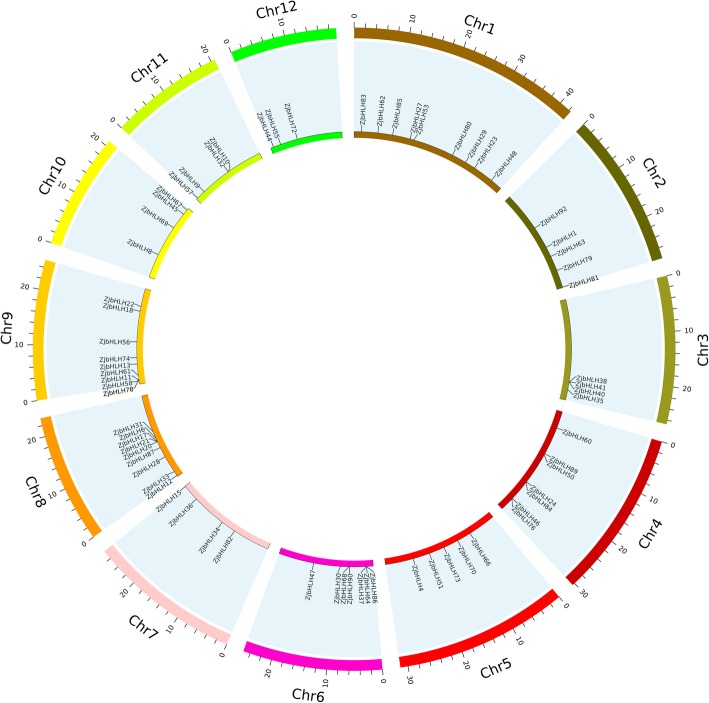
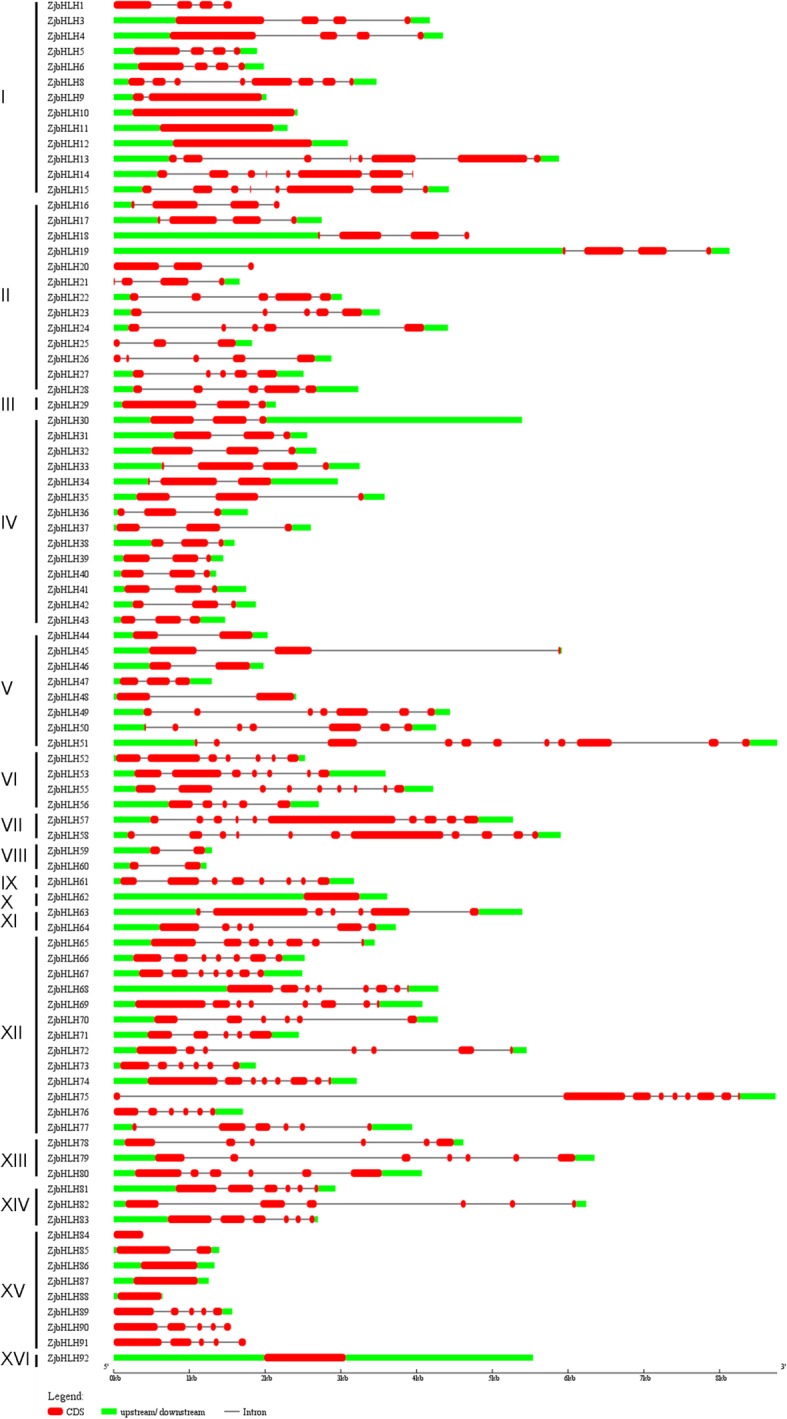
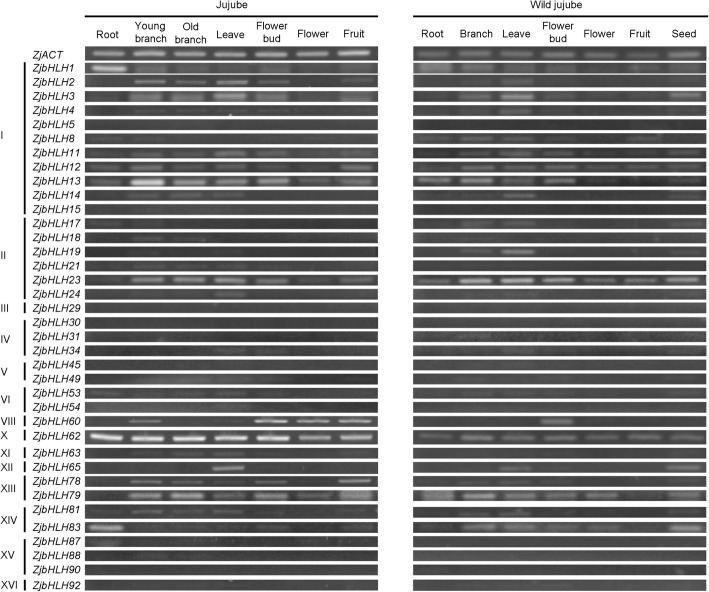
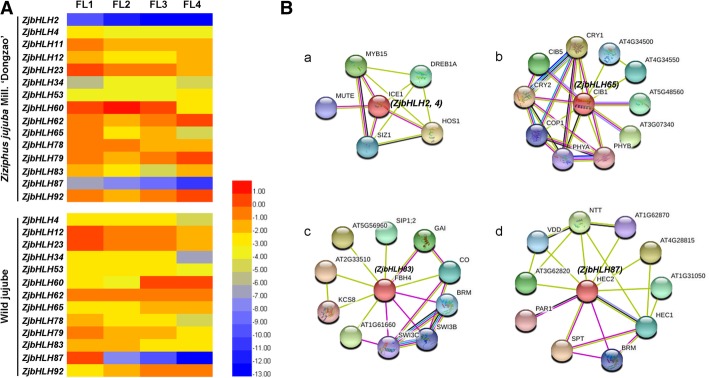
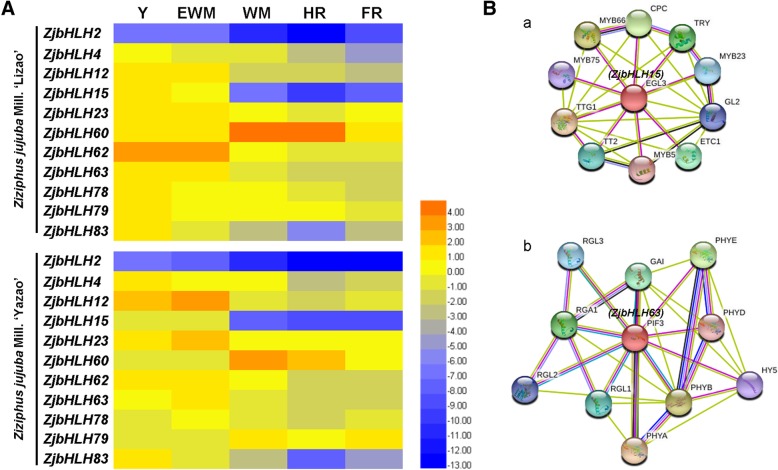
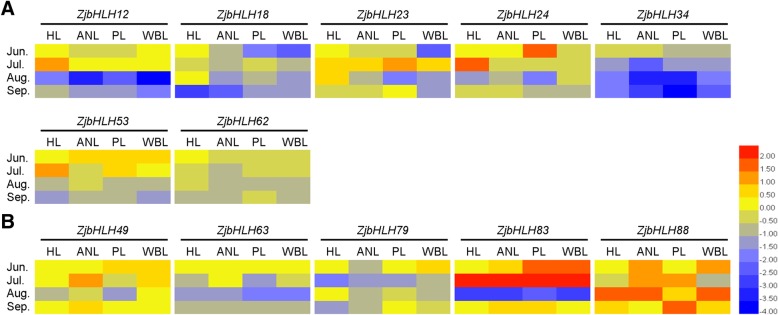
We identified 92 ZjbHLHs in the jujube genome, and these genes were classified into 16 classes according to bHLH domains. Ten ZjbHLHs with atypical bHLH domains were found. Seventy ZjbHLHs were mapped to but not evenly distributed on 12 pseudo- chromosomes. The domain sequences among ZjbHLHs were highly conserved, and their conserved residues were also identified. The tissue-specific expression of 37 ZjbHLH genes in jujube and wild jujube showed diverse patterns, revealing that these genes likely perform multiple functions. Many ZjbHLH genes were screened and found to be involved in flower and fruit development, especially in earlier developmental stages. A few genes responsive to phytoplasma invasion were also verified. Based on protein-protein interaction prediction and homology comparison, protein-protein interaction networks composed of 92 ZjbHLHs were also established.
This study provides a comprehensive bioinformatics analysis of 92 identified ZjbHLH genes. We explored their expression patterns in various tissues, the flowering process, and fruit ripening and under phytoplasma stress. The protein-protein interaction networks of ZjbHLHs provide valuable clues toward further studies of their biological functions.
碱性螺旋-环-螺旋(bHLH)转录因子是植物中转录因子家族中最大的家族之一,包含大量具有不同功能的成员。中国枣树(Ziziphus jujuba Mill.)是鼠李科中经济价值最高的物种。然而,枣树基因组中 bHLH 家族的特征尚不清楚。因此,首次在全基因组范围内搜索 ZjbHLHs,系统研究其在各种条件下的表达水平,并预测其蛋白质-蛋白质相互作用网络。
我们在枣基因组中鉴定了 92 个 ZjbHLHs,并根据 bHLH 结构域将这些基因分为 16 类。发现了 10 个具有非典型 bHLH 结构域的 ZjbHLHs。70 个 ZjbHLHs 被映射到但不均匀分布在 12 个假染色体上。ZjbHLHs 之间的结构域序列高度保守,并且还确定了它们的保守残基。37 个 ZjbHLH 基因在枣和野生枣中的组织特异性表达表现出不同的模式,表明这些基因可能具有多种功能。筛选出许多 ZjbHLH 基因参与花和果实发育,特别是在早期发育阶段。还验证了一些对植原体入侵有反应的基因。基于蛋白质-蛋白质相互作用预测和同源性比较,还建立了由 92 个 ZjbHLH 组成的蛋白质-蛋白质相互作用网络。
本研究对 92 个鉴定的 ZjbHLH 基因进行了全面的生物信息学分析。我们探索了它们在各种组织中的表达模式、开花过程、果实成熟以及在植原体胁迫下的表达模式。ZjbHLHs 的蛋白质-蛋白质相互作用网络为进一步研究其生物学功能提供了有价值的线索。