INRA, Laboratoire de Physiologie et Génomique des poissons, Campus de Beaulieu, F-35042, Rennes cedex, France.
Institut de Génomique Fonctionnelle, IGF, Université de Montpellier, CNRS, INSERM, Montpellier, France.
BMC Genomics. 2019 Jul 15;20(1):584. doi: 10.1186/s12864-019-5930-8.
Egg quality can be defined as the egg ability to be fertilized and subsequently develop into a normal embryo. Previous research has shed light on factors that can influence egg quality. Large gaps however remain including a comprehensive view of what makes a bad egg. Initial development of the embryo relies on maternally-inherited molecules, such as transcripts, deposited in the egg during its formation. Bad egg quality is therefore susceptible to be associated with alteration or dysregulation of maternally-inherited transcripts. We performed transcriptome analysis on a large number (N = 136) of zebrafish egg clutches, each clutch being split to monitor developmental success and perform transcriptome analysis in parallel. We aimed at drawing a molecular portrait of the egg in order to characterize the relation between egg transcriptome and developmental success and to subsequently identify new candidate genes involved in fertility.
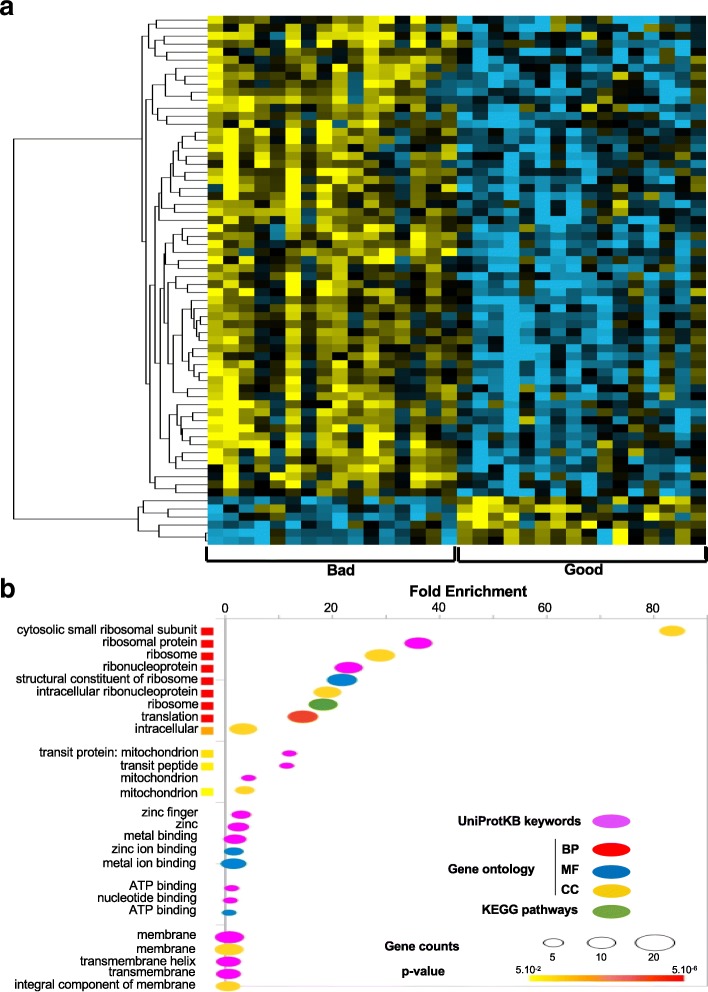
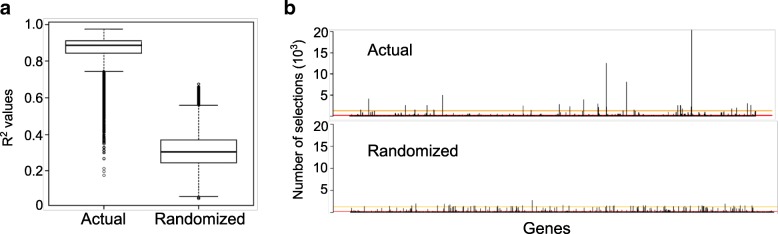
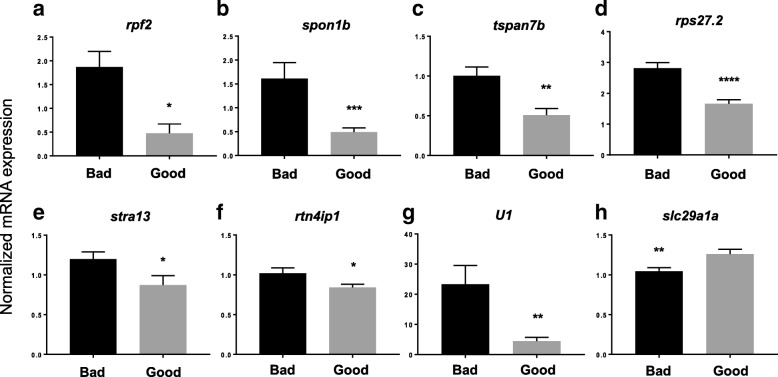
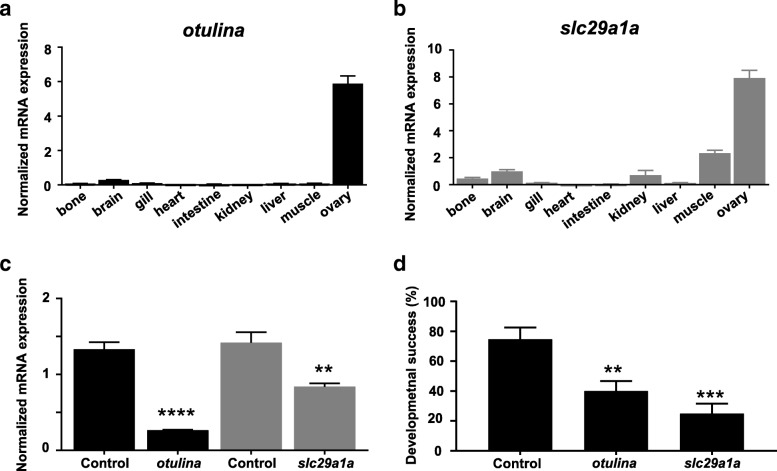
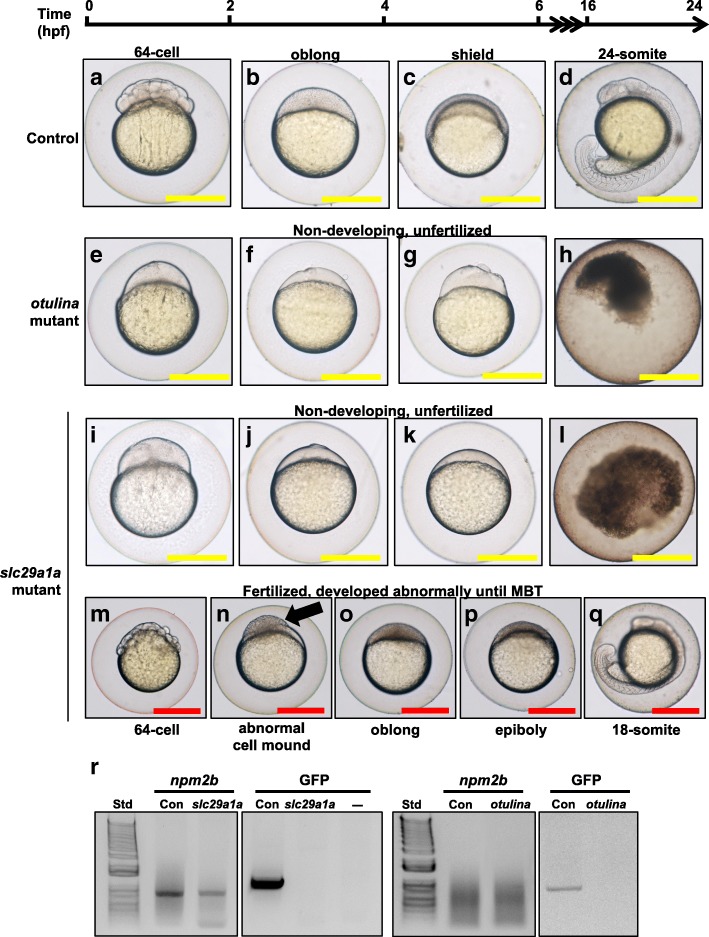
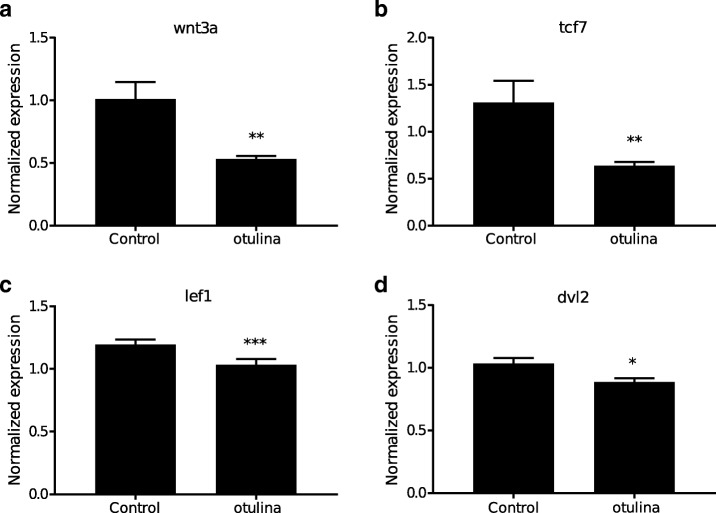
We identified 66 transcript that were differentially abundant in eggs of contrasted phenotype (low or high developmental success). Statistical modeling using partial least squares regression and genetics algorithm demonstrated that gene signatures from transcriptomic data can be used to predict developmental success. The identity and function of differentially expressed genes indicate a major dysregulation of genes of the translational machinery in poor quality eggs. Two genes, otulina and slc29a1a, predominantly expressed in the ovary and dysregulated in poor quality eggs were further investigated using CRISPR/Cas9 mediated genome editing. Mutants of each gene revealed remarkable subfertility whereby the majority of their eggs were unfertilizable. The Wnt pathway appeared to be dysregulated in the otulina mutant-derived eggs.
Here we show that egg transcriptome contains molecular signatures, which can be used to predict developmental success. Our results also indicate that poor egg quality in zebrafish is associated with a dysregulation of (i) the translational machinery genes and (ii) novel fertility genes, otulina and slc29a1a, playing an important role for fertilization. Together, our observations highlight the diversity of the possible causes of egg quality defects and reveal mechanisms of maternal origin behind the lack of fertilization and early embryonic failures that can occur under normal reproduction conditions.
卵子质量可定义为卵子受精并随后发育成正常胚胎的能力。先前的研究揭示了影响卵子质量的因素。然而,仍存在很大的差距,包括全面了解什么是“坏卵”。胚胎的初始发育依赖于母体遗传的分子,例如在卵子形成过程中沉积的转录本。因此,卵子质量差容易与母体遗传转录本的改变或失调有关。我们对大量(N=136)斑马鱼卵簇进行了转录组分析,每个卵簇被分开以监测发育成功并并行进行转录组分析。我们旨在绘制卵子的分子图谱,以表征卵子转录组与发育成功之间的关系,并随后确定新的候选基因与生育能力有关。
我们鉴定了 66 种在表型不同的卵子(低或高发育成功率)中丰度差异的转录本。使用偏最小二乘回归和遗传算法的统计建模表明,转录组数据中的基因特征可用于预测发育成功率。差异表达基因的身份和功能表明,在质量差的卵子中,翻译机制的基因发生了严重失调。在卵巢中表达丰富且在质量差的卵子中失调的两个基因,otulina 和 slc29a1a,进一步使用 CRISPR/Cas9 介导的基因组编辑进行了研究。每个基因的突变体显示出明显的亚不育性,其大多数卵子无法受精。Wnt 途径似乎在 otulina 突变体衍生的卵子中失调。
在这里,我们表明卵子转录组包含可用于预测发育成功率的分子特征。我们的研究结果还表明,斑马鱼的卵子质量差与(i)翻译机制基因和(ii)新的生育基因 otulina 和 slc29a1a 的失调有关,这些基因对受精起着重要作用。总之,我们的观察结果强调了卵子质量缺陷的可能原因的多样性,并揭示了在正常繁殖条件下可能导致受精失败和早期胚胎失败的母体起源机制。