Department of Biomedical Sciences and Pathobiology, College of Veterinary Medicine, Virginia Tech, Blacksburg, VA, USA.
Translational Biology, Medicine, and Health Graduate Program, Virginia Tech Carilion Research Institute, Virginia Tech, Roanoke, VA, USA.
Microbiome. 2019 Jul 16;7(1):105. doi: 10.1186/s40168-019-0720-8.
Dysbiosis of gut microbiota exists in the pathogenesis of many autoimmune diseases, including systemic lupus erythematosus (lupus). Lupus patients who experienced pregnancy usually had more severe disease flares post-delivery. However, the possible role of gut microbiota in the link between pregnancy and exacerbation of lupus remains to be explored.
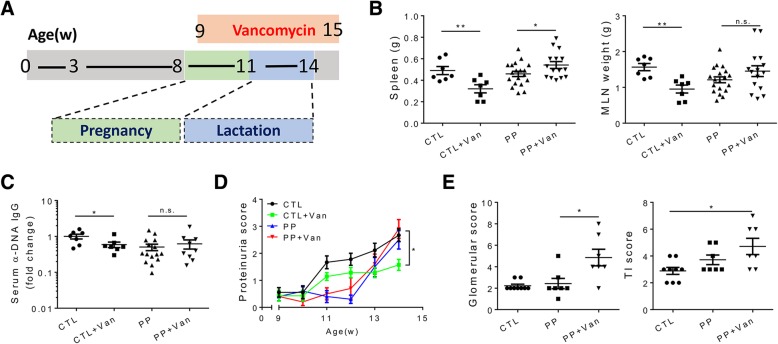
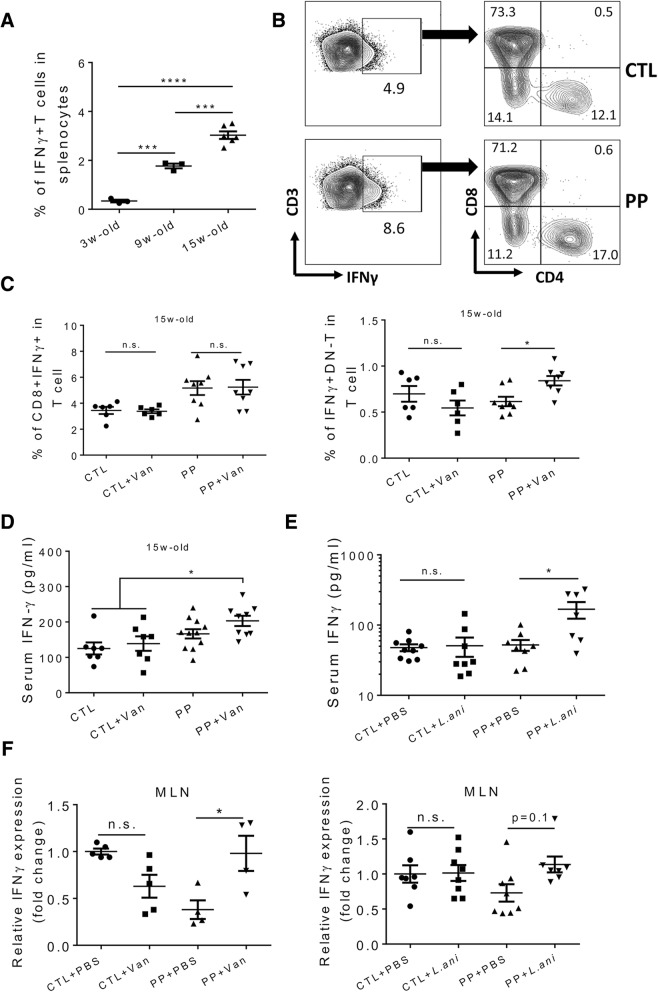
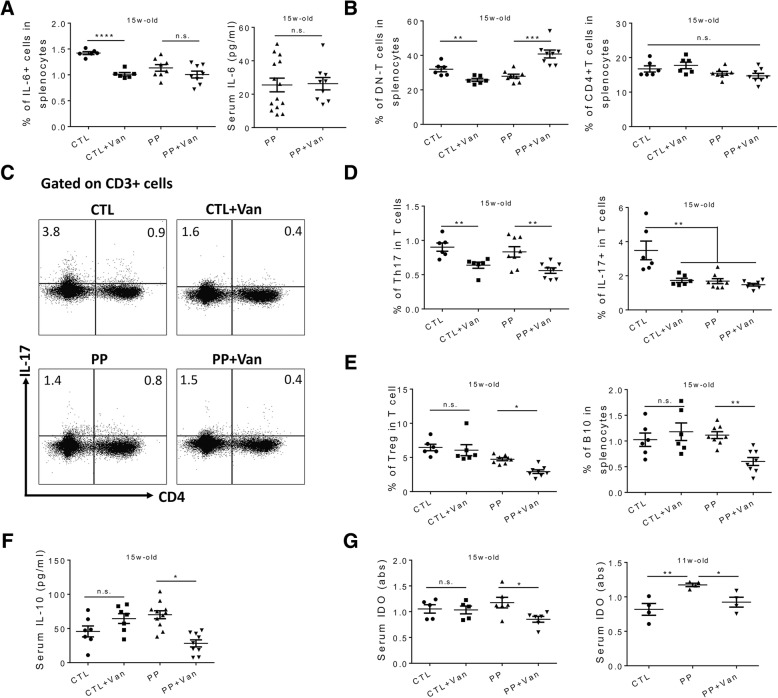
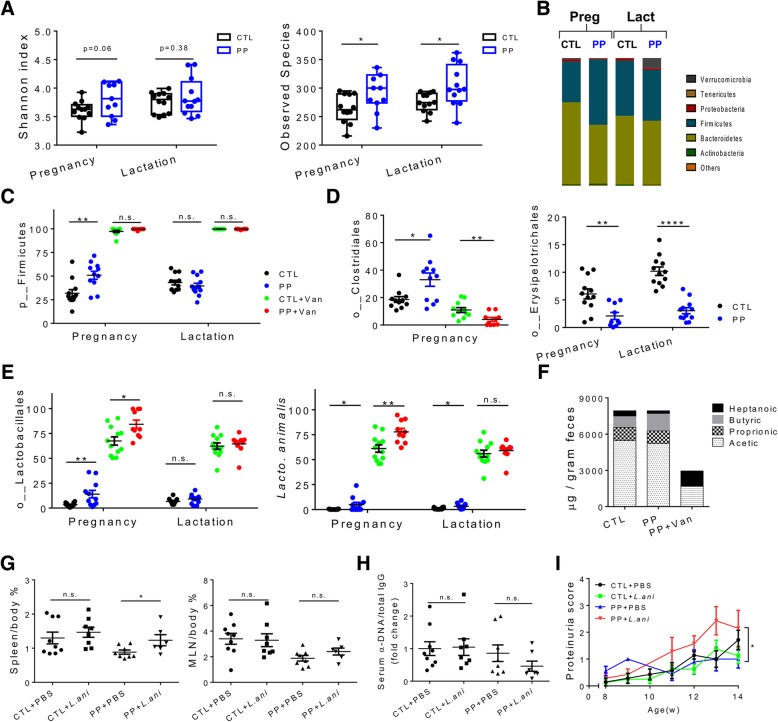
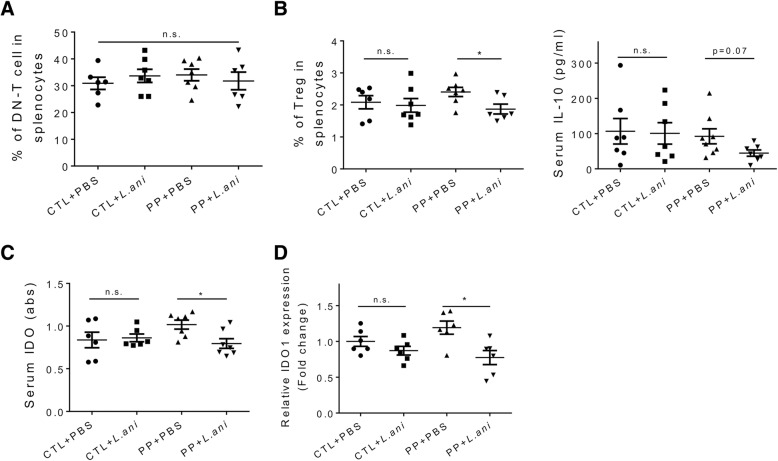
In the classical lupus mouse model MRL/lpr, we compared the structures of gut microbiota in pregnant and lactating individuals vs. age-matched naïve mice. Consistent with studies on non-lupus mice, both pregnancy and lactation significantly changed the composition and diversity of gut microbiota. Strikingly, modulation of gut microbiota using the same strategy resulted in different disease outcomes in postpartum (abbreviated as "PP," meaning that the mice had undergone pregnancy and lactation) vs. control (naïve; i.e., without pregnancy or lactation) MRL/lpr females; while vancomycin treatment attenuated lupus in naïve mice, it did not do so, or even exacerbated lupus, in PP mice. Lactobacillus animalis flourished in the gut upon vancomycin treatment, and direct administration of L. animalis via oral gavage recapitulated the differential effects of vancomycin in PP vs. control mice. An enzyme called indoleamine 2,3-dioxygenase was significantly inhibited by L. animalis; however, this inhibition was only apparent in PP mice, which explained, at least partially, the lack of beneficial response to vancomycin in these mice. The differential production of immunosuppressive IL-10 and proinflammatory IFNγ in PP vs. control mice further explained why the disease phenotypes varied between the two types of mice bearing the same gut microbiota remodeling strategy.
These results suggest that pregnancy and lactation interfere with the response of autoimmunity to modulation of gut microbiota. Further studies are necessary to better understand the complex relationship between pregnancy and lupus.
肠道微生物群失调存在于许多自身免疫性疾病的发病机制中,包括系统性红斑狼疮(狼疮)。经历妊娠的狼疮患者通常在产后疾病发作更为严重。然而,肠道微生物群在妊娠与狼疮恶化之间的联系中的可能作用仍有待探索。
在经典的狼疮小鼠模型 MRL/lpr 中,我们比较了妊娠和哺乳期个体与年龄匹配的未孕对照小鼠的肠道微生物群结构。与非狼疮小鼠的研究一致,妊娠和哺乳均显著改变了肠道微生物群的组成和多样性。引人注目的是,使用相同策略调节肠道微生物群会导致产后(简称“PP”,表示小鼠经历了妊娠和哺乳)与对照(未孕;即无妊娠或哺乳)MRL/lpr 雌性小鼠的疾病结局不同;虽然万古霉素治疗可减轻未孕小鼠的狼疮,但在 PP 小鼠中却不能减轻,甚至加重狼疮。在万古霉素治疗后,肠道中乳酸杆菌大量繁殖,通过口服灌胃直接给予乳酸杆菌可重现万古霉素在 PP 与对照小鼠中的差异作用。一种叫做吲哚胺 2,3-双加氧酶的酶被乳酸杆菌显著抑制;然而,这种抑制仅在 PP 小鼠中出现,这至少部分解释了为什么这些小鼠对万古霉素没有有益的反应。PP 与对照小鼠之间免疫抑制性 IL-10 和促炎性 IFNγ 的差异产生进一步解释了为什么两种携带相同肠道微生物群重塑策略的小鼠之间的疾病表型不同。
这些结果表明,妊娠和哺乳会干扰自身免疫对肠道微生物群调节的反应。需要进一步研究以更好地理解妊娠与狼疮之间的复杂关系。