Chasov Vitaly, Zmievskaya Ekaterina, Ganeeva Irina, Gilyazova Elvina, Davletshin Damir, Filimonova Maria, Valiullina Aygul, Kudriaeva Anna, Bulatov Emil
Institute of Fundamental Medicine and Biology, Kazan Federal University, Kazan 420008, Russia.
Shemyakin-Ovchinnikov Institute of Bioorganic Chemistry, Russian Academy of Sciences, Moscow 117997, Russia.
J Biomed Res. 2024 May 25;38(6):1-16. doi: 10.7555/JBR.38.20240009.
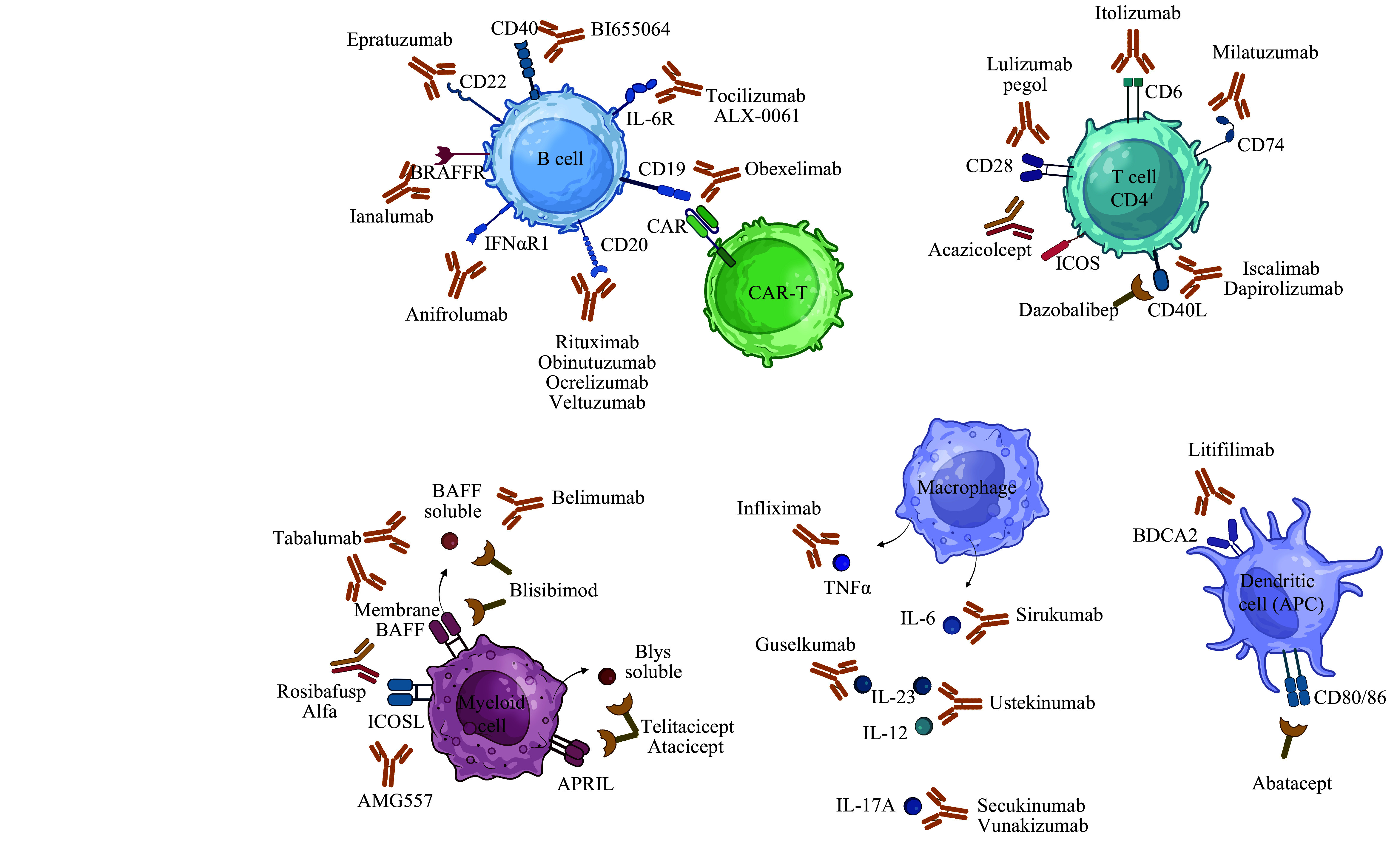
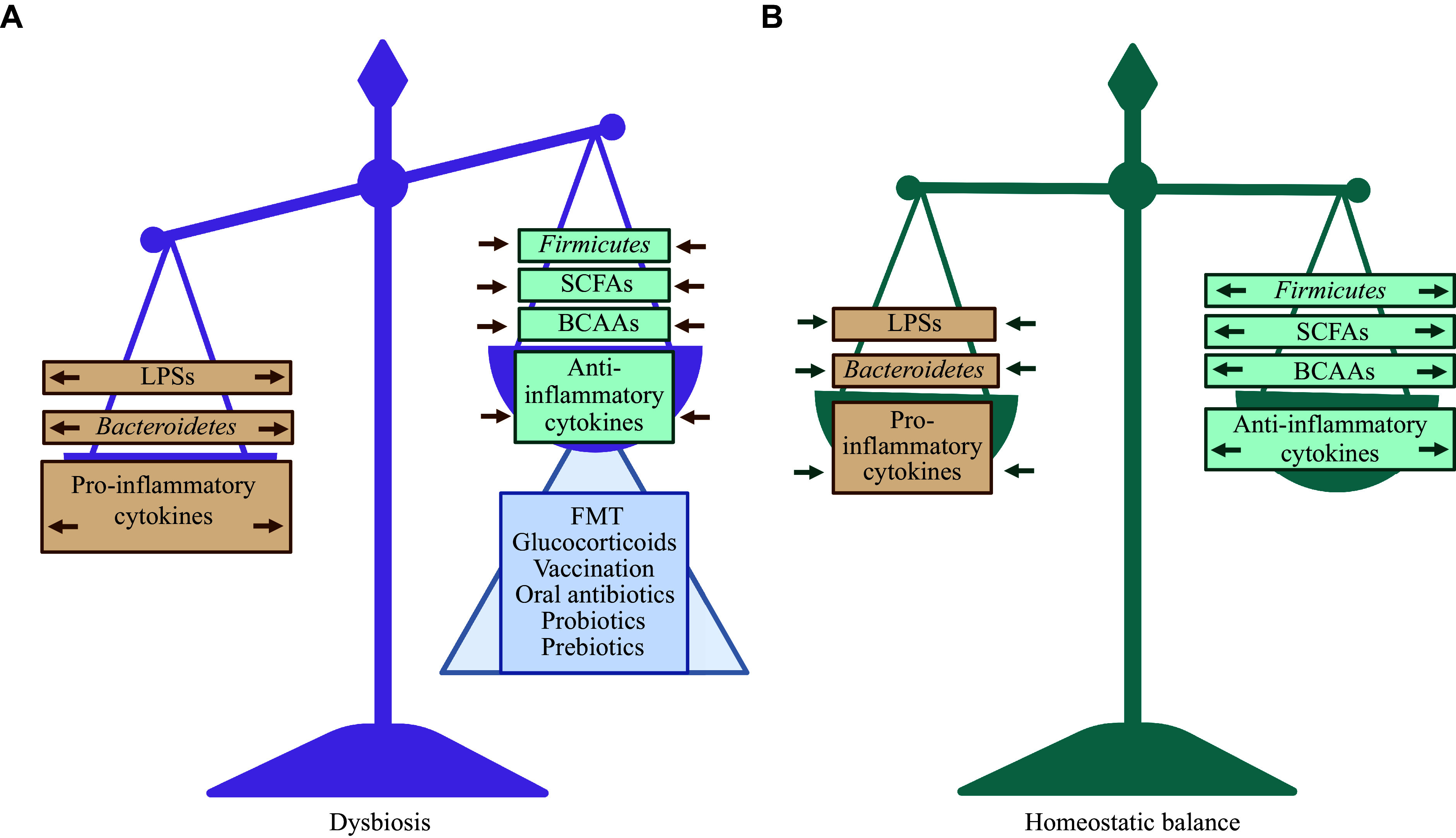
Systemic lupus erythematosus (SLE) is characterized by a systemic dysfunction of the innate and adaptive immune systems, leading to an attack on healthy tissues of the body. During the development of SLE, pathogenic features, such as the formation of autoantibodies to self-nuclear antigens, caused tissue damage including necrosis and fibrosis, with an increased expression of type Ⅰ interferon (IFN) regulated genes. Treatment of lupus with immunosuppressants and glucocorticoids, which are used as the standard therapy, is not effective enough and causes side effects. As an alternative, more effective immunotherapies have been developed, including monoclonal and bispecific antibodies that target B cells, T cells, co-stimulatory molecules, cytokines or their receptors, and signaling molecules. Encouraging results have been observed in clinical trials with some of these therapies. Furthermore, a chimeric antigen receptor T cells (CAR-T) therapy has emerged as the most effective, safe, and promising treatment option for SLE, as demonstrated by successful pilot studies. Additionally, emerging evidence suggests that gut microbiota dysbiosis may play a significant role in the severity of SLE, and the use of methods to normalize the gut microbiota, particularly fecal microbiota transplantation (FMT), opens up new opportunities for effective treatment of SLE.
系统性红斑狼疮(SLE)的特征是先天性和适应性免疫系统的系统性功能障碍,导致对身体健康组织的攻击。在SLE的发展过程中,诸如针对自身核抗原形成自身抗体等致病特征会导致包括坏死和纤维化在内的组织损伤,同时Ⅰ型干扰素(IFN)调节基因的表达增加。作为标准疗法使用的免疫抑制剂和糖皮质激素治疗狼疮的效果不够理想,且会产生副作用。作为替代方案,人们开发了更有效的免疫疗法,包括靶向B细胞、T细胞、共刺激分子、细胞因子或其受体以及信号分子的单克隆抗体和双特异性抗体。其中一些疗法在临床试验中已观察到令人鼓舞的结果。此外,嵌合抗原受体T细胞(CAR-T)疗法已成为治疗SLE最有效、安全且有前景的治疗选择,初步研究已证明这一点。此外,新出现的证据表明肠道微生物群失调可能在SLE的严重程度中起重要作用,使用使肠道微生物群正常化的方法,特别是粪便微生物群移植(FMT),为有效治疗SLE开辟了新机会。