Department of Biochemistry and Molecular Biology, Faculty of Biosciences, Universitat Autònoma de Barcelona, Cerdanyola del Vallès, Spain.
Mycobacteria Research Laboratory, Department of Biological Sciences, Institute of Structural and Molecular Biology, Birkbeck, University of London, London, United Kingdom.
Front Immunol. 2019 Jul 2;10:1500. doi: 10.3389/fimmu.2019.01500. eCollection 2019.
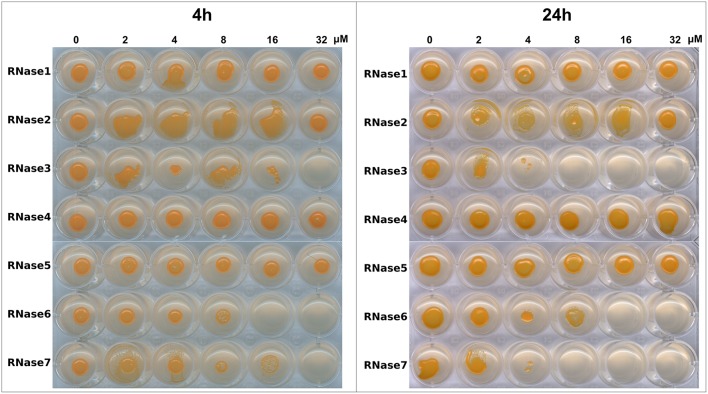
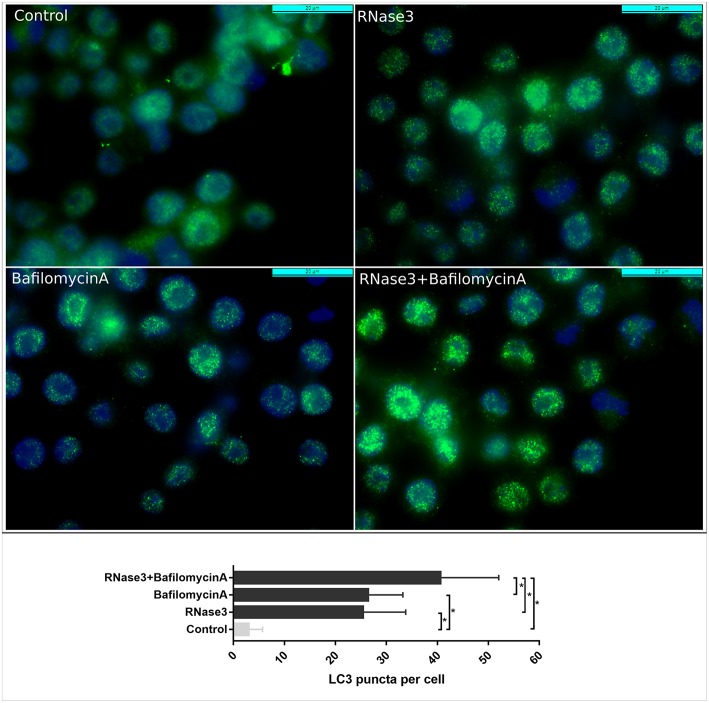
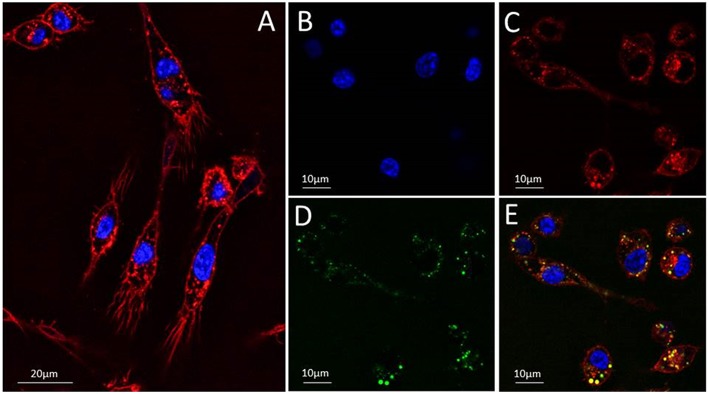
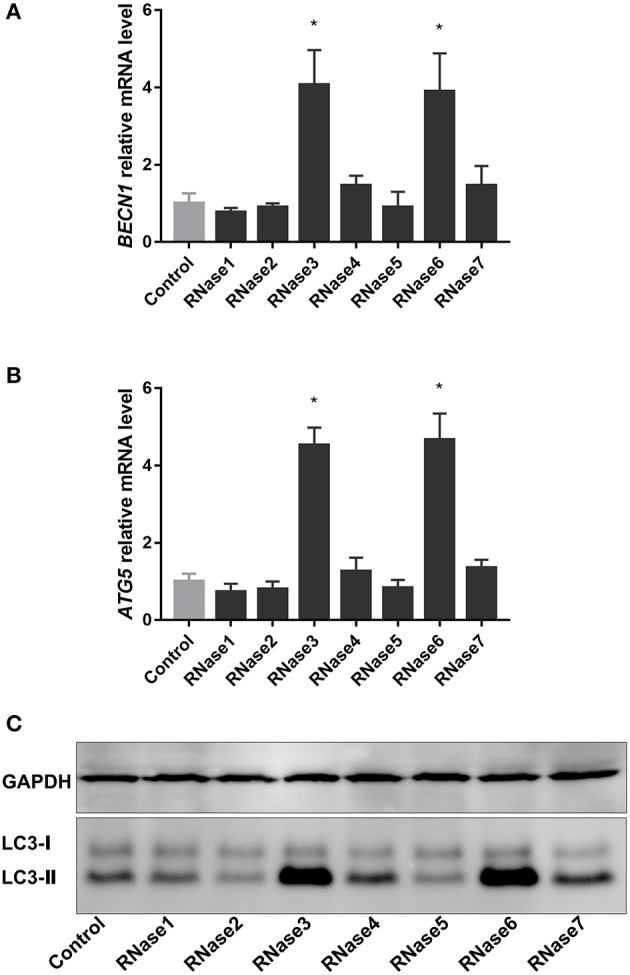
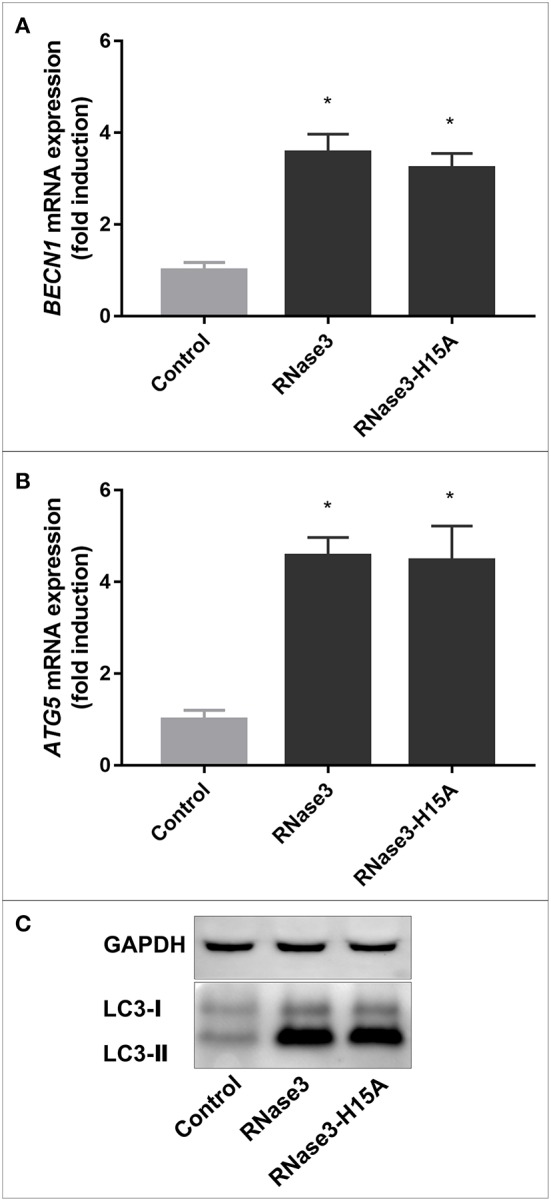
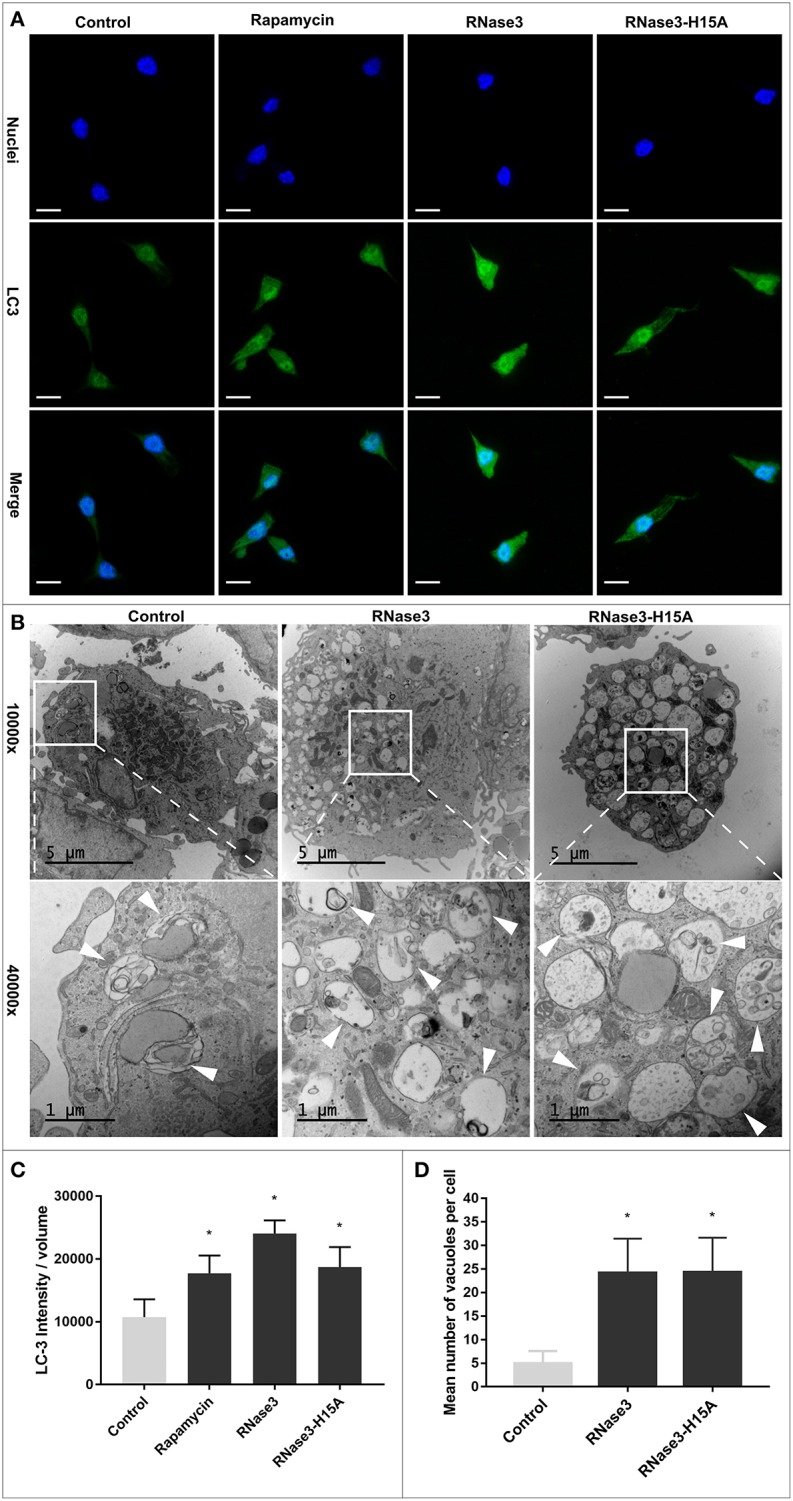
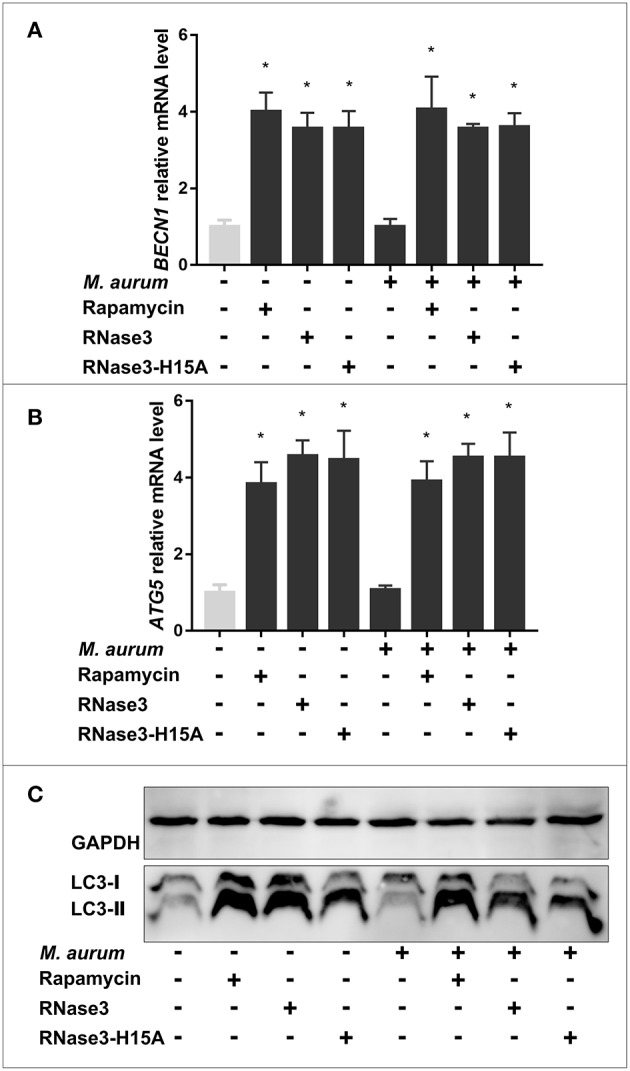
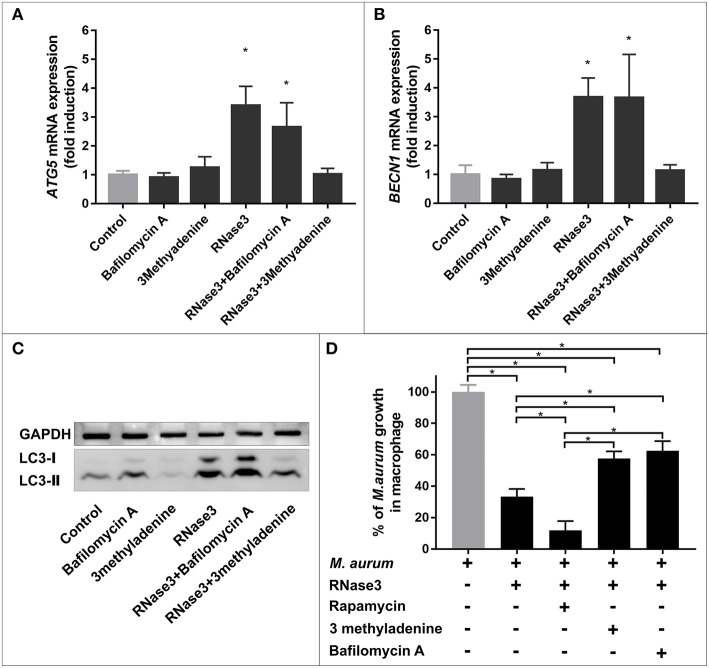
The development of novel treatment against tuberculosis is a priority global health challenge. Antimicrobial proteins and peptides offer a multifaceted mechanism suitable to fight bacterial resistance. Within the RNaseA superfamily there is a group of highly cationic proteins secreted by innate immune cells with anti-infective and immune-regulatory properties. In this work, we have tested the human canonical members of the RNase family using a spot-culture growth inhibition assay based mycobacteria-infected macrophage model for evaluating their anti-tubercular properties. Out of the seven tested recombinant human RNases, we have identified two members, RNase3 and RNase6, which were highly effective against extra- and intracellularly and induced an autophagy process. We observed the proteins internalization within macrophages and their capacity to eradicate the intracellular mycobacterial infection at a low micro-molar range. Contribution of the enzymatic activity was discarded by site-directed mutagenesis at the RNase catalytic site. The protein induction of autophagy was analyzed by RT-qPCR, western blot, immunofluorescence, and electron microscopy. Specific blockage of auto-phagosome formation and maturation reduced the protein's ability to eradicate the infection. In addition, we found that the infection of human THP1 macrophages modulates the expression of endogenous RNase3 and RNase6, suggesting a function . Overall, our data anticipate a biological role for human antimicrobial RNases in host response to mycobacterial infections and set the basis for the design of novel anti-tubercular drugs.
开发新型抗结核治疗方法是全球卫生的重点挑战。抗菌蛋白和肽提供了一种多方面的机制,适合对抗细菌耐药性。在 RNaseA 超家族中,有一组由先天免疫细胞分泌的高度阳离子蛋白,具有抗感染和免疫调节特性。在这项工作中,我们使用基于分枝杆菌感染巨噬细胞模型的斑点培养生长抑制测定法测试了 RNase 家族的七个人类典型成员,以评估它们的抗结核特性。在测试的七种重组人 RNases 中,我们鉴定出两种成员,RNase3 和 RNase6,它们对细胞内外均具有高度有效性,并诱导自噬过程。我们观察到蛋白质在巨噬细胞内的内化及其在低微摩尔范围内清除细胞内分枝杆菌感染的能力。通过在 RNase 催化位点进行定点突变排除了酶活性的贡献。通过 RT-qPCR、western blot、免疫荧光和电子显微镜分析了自噬的蛋白诱导。自噬小体形成和成熟的特异性阻断减少了蛋白质清除感染的能力。此外,我们发现人类 THP1 巨噬细胞的感染会调节内源性 RNase3 和 RNase6 的表达,表明其具有功能。总的来说,我们的数据预示着人类抗菌 RNases 在宿主对分枝杆菌感染的反应中具有生物学作用,并为设计新型抗结核药物奠定了基础。