Department of Biochemistry and Molecular Biology, Faculty of Biosciences, Universitat Autonoma de Barcelona, Cerdanyola del Vallès, Spain.
College of Animal Science and Technology, Sichuan Agricultural University, Chengdu, Sichuan, China.
Cell Mol Life Sci. 2021 Mar;78(6):2963-2985. doi: 10.1007/s00018-020-03695-5. Epub 2020 Nov 23.
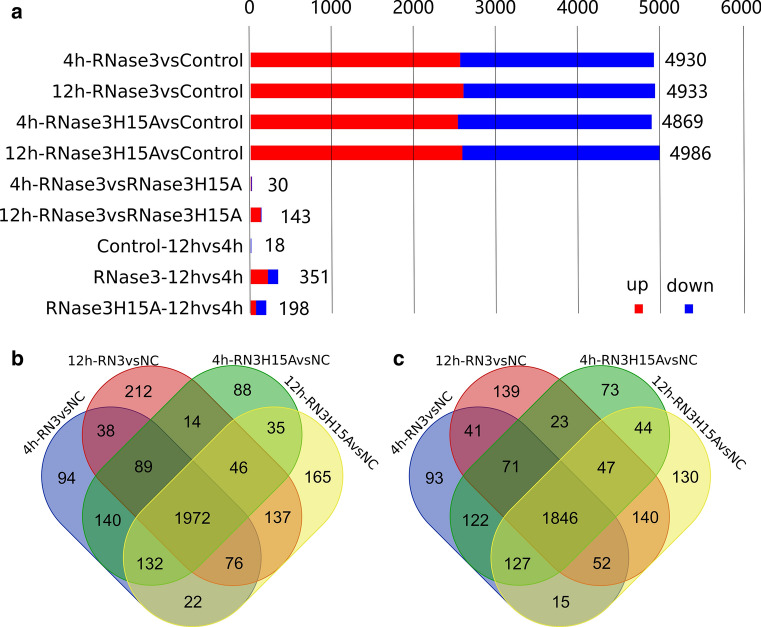
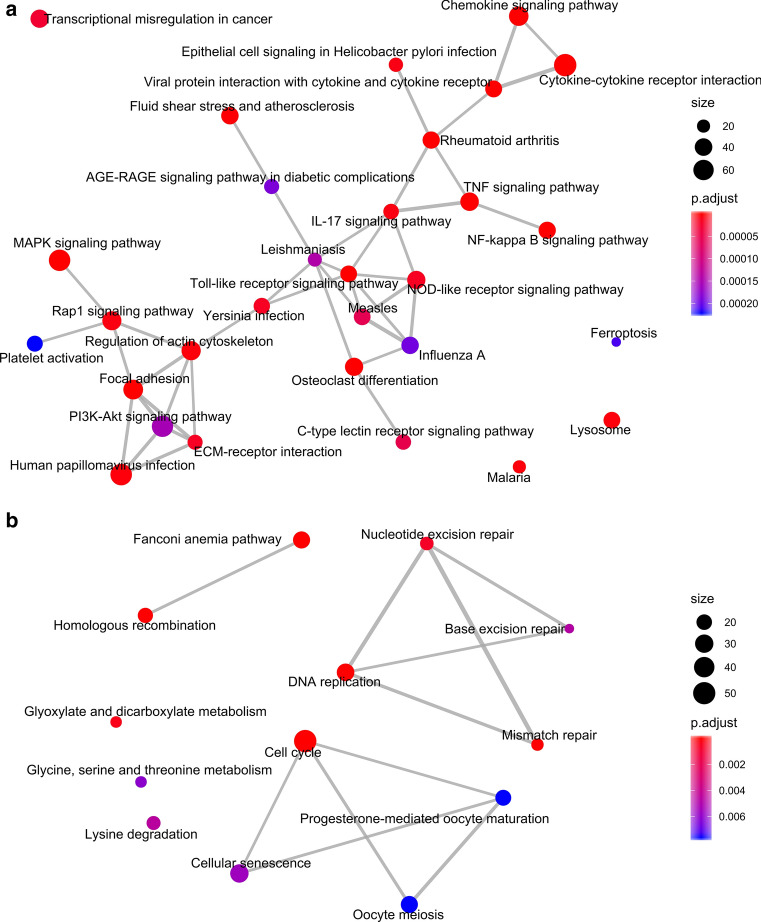
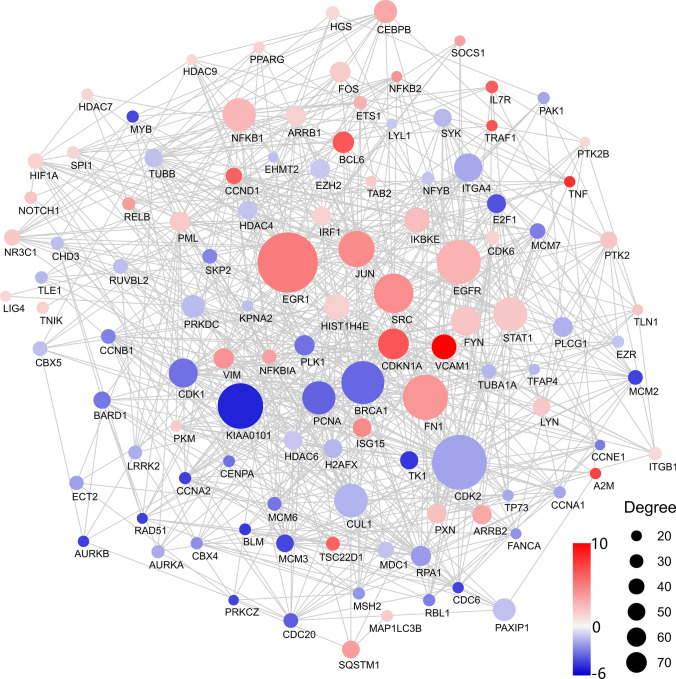
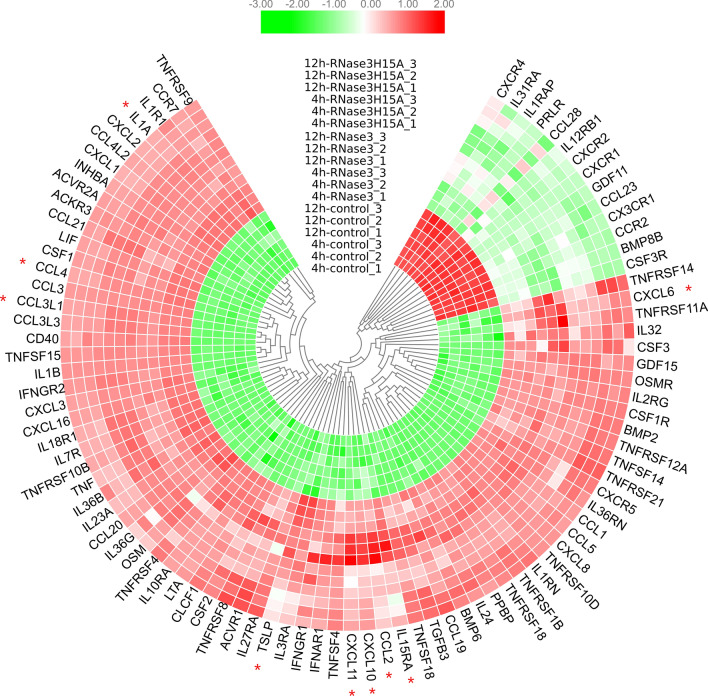
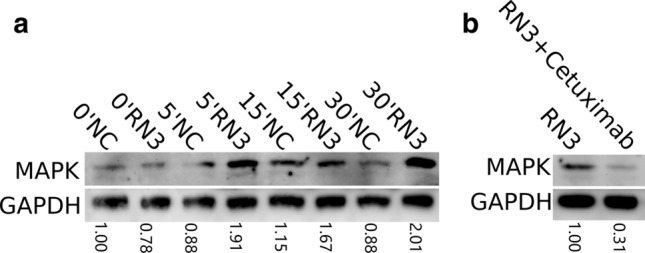
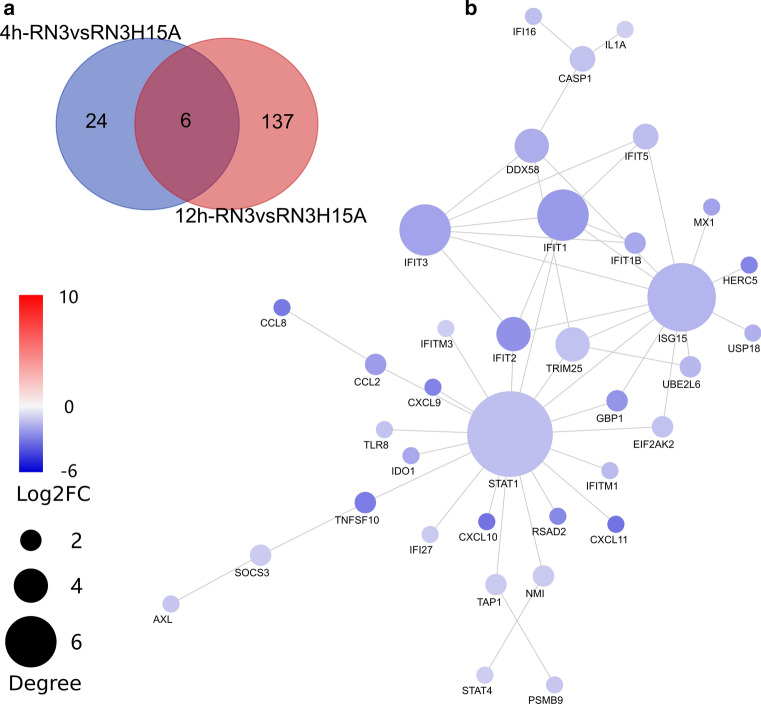
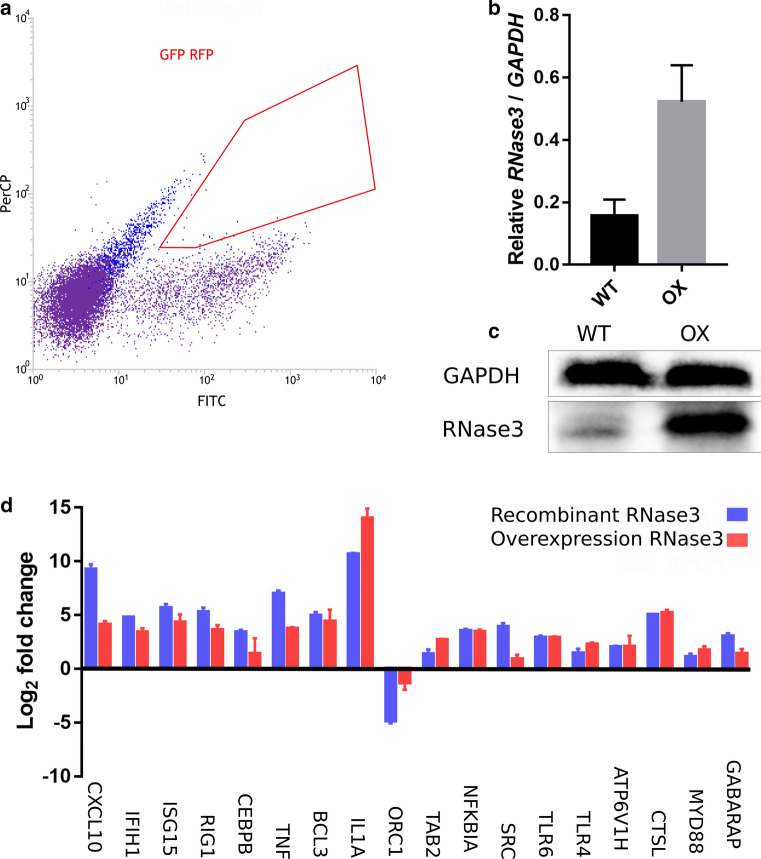
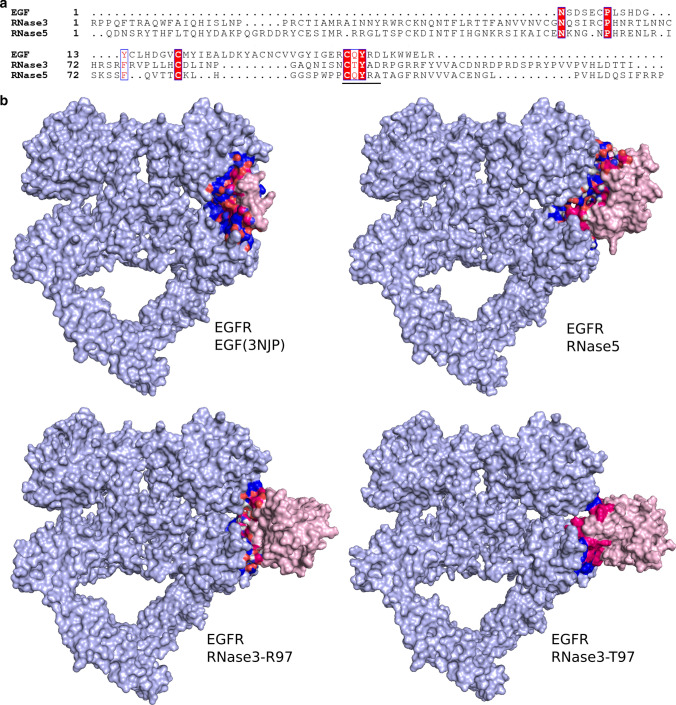
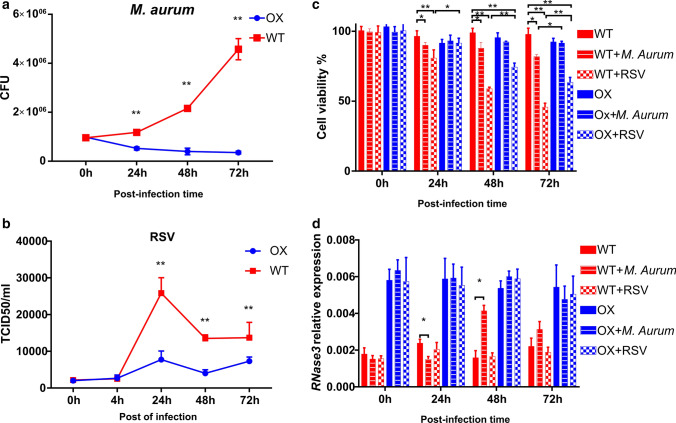
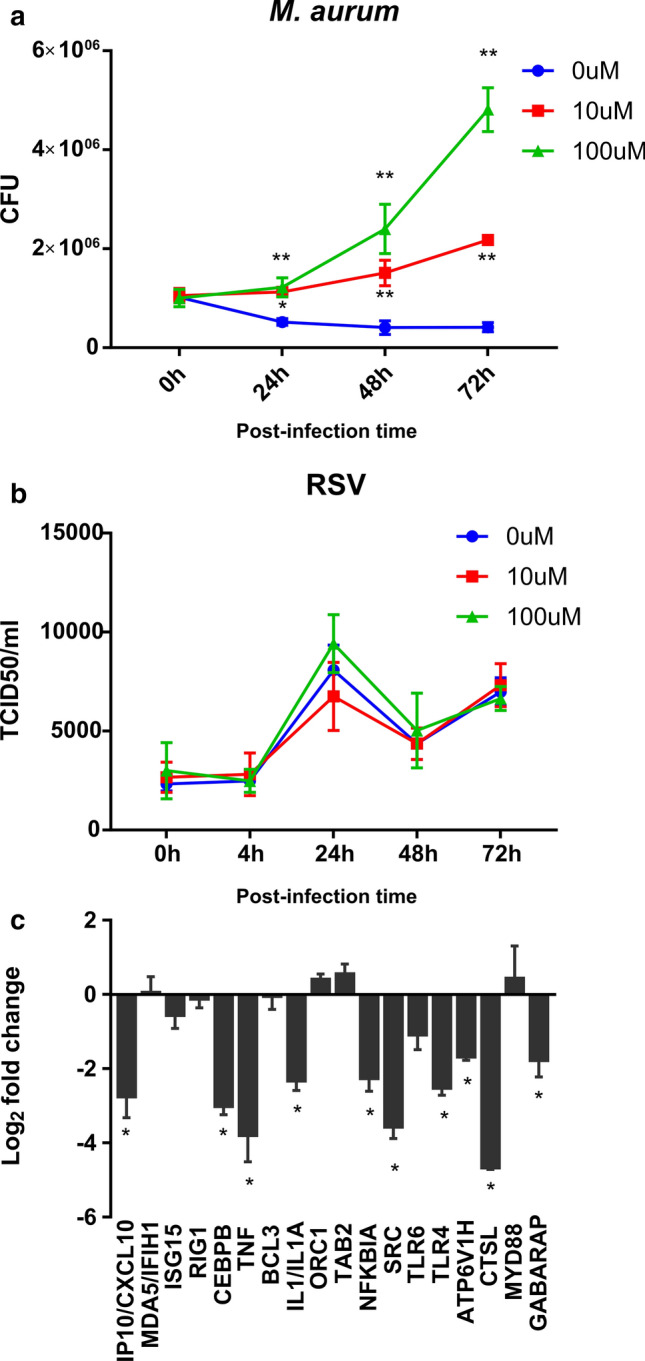
The human RNase3 is a member of the RNaseA superfamily involved in host immunity. RNase3 is expressed by leukocytes and shows broad-spectrum antimicrobial activity. Together with a direct antimicrobial action, RNase3 exhibits immunomodulatory properties. Here, we have analysed the transcriptome of macrophages exposed to the wild-type protein and a catalytic-defective mutant (RNase3-H15A). The analysis of differently expressed genes (DEGs) in treated THP1-derived macrophages highlighted a common pro-inflammatory "core-response" independent of the protein ribonucleolytic activity. Network analysis identified the epidermal growth factor receptor (EGFR) as the main central regulatory protein. Expression of selected DEGs and MAPK phosphorylation were inhibited by an anti-EGFR antibody. Structural analysis suggested that RNase3 activates the EGFR pathway by direct interaction with the receptor. Besides, we identified a subset of DEGs related to the protein ribonucleolytic activity, characteristic of virus infection response. Transcriptome analysis revealed an early pro-inflammatory response, not associated to the protein catalytic activity, followed by a late activation in a ribonucleolytic-dependent manner. Next, we demonstrated that overexpression of macrophage endogenous RNase3 protects the cells against infection by Mycobacterium aurum and the human respiratory syncytial virus. Comparison of cell infection profiles in the presence of Erlotinib, an EGFR inhibitor, revealed that the receptor activation is required for the antibacterial but not for the antiviral protein action. Moreover, the DEGs related and unrelated to the protein catalytic activity are associated to the immune response to bacterial and viral infection, respectively. We conclude that RNase3 modulates the macrophage defence against infection in both catalytic-dependent and independent manners.
人 RNase3 是参与宿主免疫的 RNaseA 超家族的成员。RNase3 由白细胞表达,具有广谱的抗菌活性。除了直接的抗菌作用外,RNase3 还具有免疫调节特性。在这里,我们分析了暴露于野生型蛋白和催化缺陷突变体(RNase3-H15A)的巨噬细胞的转录组。对经处理的 THP1 衍生巨噬细胞中差异表达基因(DEGs)的分析突出了一种共同的促炎“核心反应”,与蛋白的核糖核酸酶活性无关。网络分析确定表皮生长因子受体(EGFR)为主要的中央调节蛋白。用抗 EGFR 抗体抑制选定的 DEGs 和 MAPK 磷酸化。结构分析表明,RNase3 通过与受体的直接相互作用激活 EGFR 途径。此外,我们还鉴定了一组与蛋白核糖核酸酶活性相关的 DEGs,这些基因与病毒感染反应的特征有关。转录组分析显示了一种早期的促炎反应,与蛋白的催化活性无关,随后以依赖核糖核酸酶的方式进行晚期激活。接下来,我们证明了巨噬细胞内源性 RNase3 的过表达可保护细胞免受金黄色葡萄球菌和人类呼吸道合胞病毒的感染。在存在 EGFR 抑制剂厄洛替尼的情况下比较细胞感染谱,发现受体激活是抗菌蛋白作用所必需的,但不是抗病毒蛋白作用所必需的。此外,与蛋白催化活性相关和不相关的 DEGs 分别与细菌和病毒感染的免疫反应有关。我们得出结论,RNase3 以依赖催化和独立催化的方式调节巨噬细胞对感染的防御。