Centre for Liver and Gastrointestinal Research, Institute of Immunology and Immunotherapy, Medical School, University of Birmingham, Edgbaston, Birmingham B15 2TT, UK.
NIHR Birmingham Biomedical Research Centre, University Hospitals Birmingham NHS Foundation Trust and University of Birmingham, Birmingham B15 2TT, UK.
Biomolecules. 2019 Jul 16;9(7):283. doi: 10.3390/biom9070283.
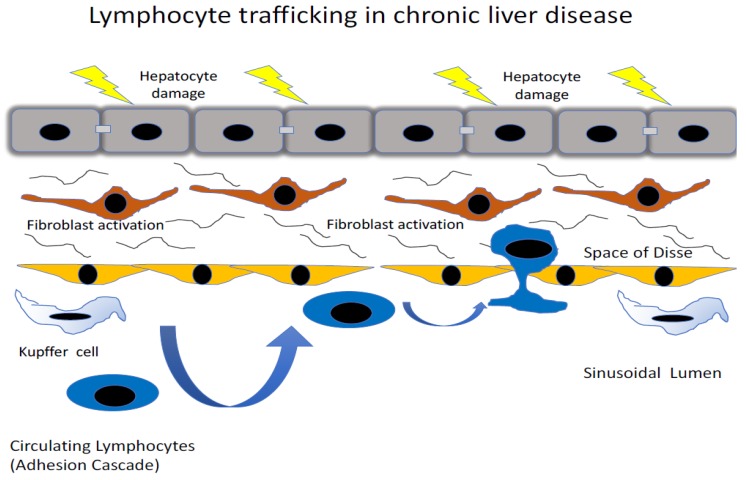
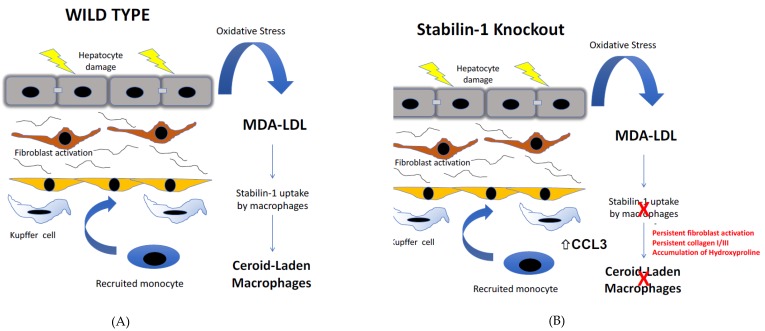
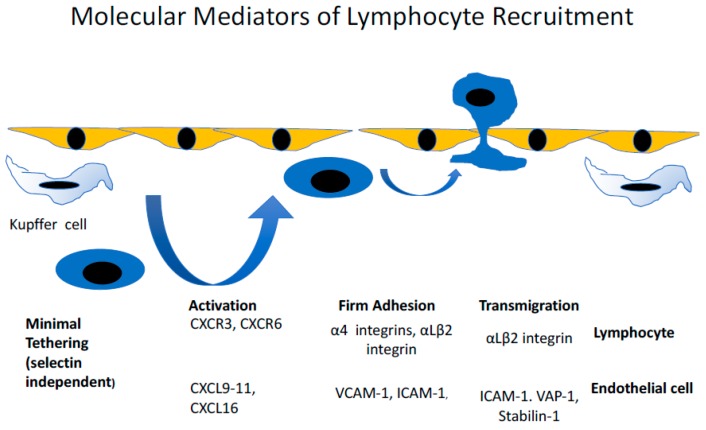
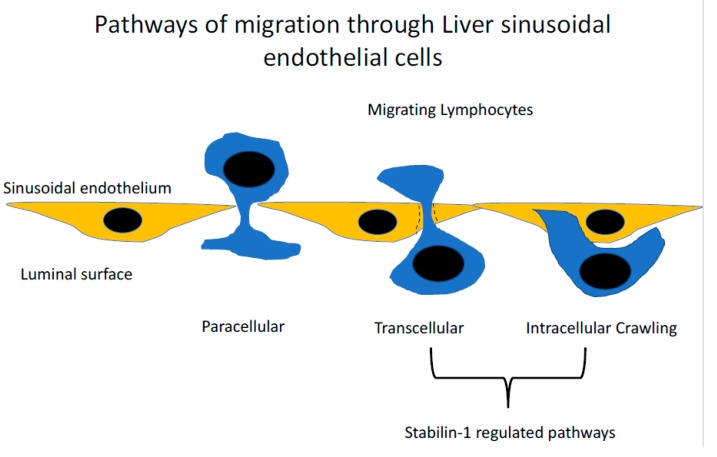
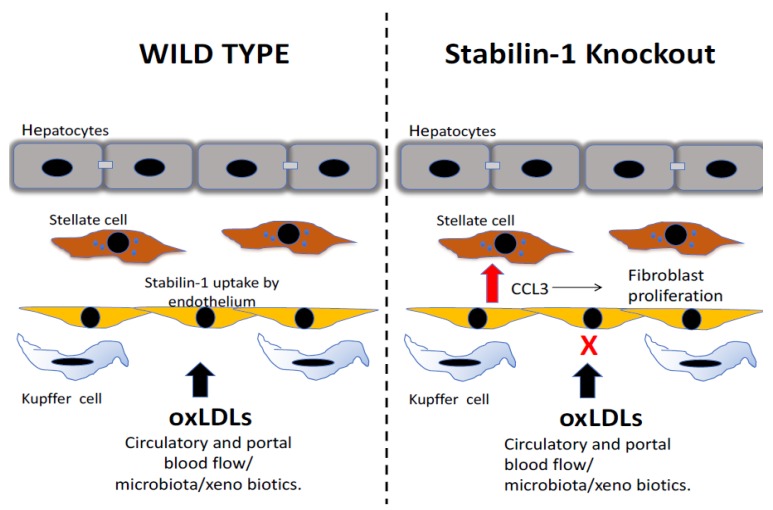
Chronic liver diseases are a major global health burden, and cases of these conditions continue to rise in many countries. A diverse range of insults can lead to chronic liver disease, but they are all characterised by the infiltration and accumulation of immune cells within liver tissue and, if progressive, can lead to tissue fibrosis and cirrhosis. In this review, we focus on the role of stabilin-1 in two key processes that contribute to liver disease, namely, the recruitment of lymphocytes into liver tissue and the response of macrophages to tissue injury. Stabilin-1 is constitutively expressed on the sinusoidal endothelium of the liver and contributes to the homeostatic scavenging function of these cells. Epithelial damage in the context of chronic liver disease leads to the upregulation of stabilin-1 at sites of tissue injury, specifically at sites of immune cell recruitment and on subpopulations of hepatic macrophages. Functionally, stabilin-1 has been shown to mediate transendothelial migration of lymphocyte subsets in the setting of pro-inflammatory-activated human liver endothelium. In experimental models of liver fibrosis, stabilin-1 promotes the uptake of products of chronic oxidative stress by a subset of hepatic macrophages and suppresses their release of pro-inflammatory mediators that regulate tissue remodelling. These studies highlight the active contribution that scavenger receptors such as stabilin-1 can make in regulating chronic inflammation and tissue fibrosis, and their potential as novel therapeutic targets for these conditions.
慢性肝脏疾病是全球主要的健康负担之一,许多国家的此类病例持续增加。多种不同的损伤都可能导致慢性肝脏疾病,但它们都具有免疫细胞在肝组织中的浸润和积聚的特征,如果进展,则可能导致组织纤维化和肝硬化。在这篇综述中,我们重点关注稳定素-1在两个关键过程中的作用,这两个过程有助于肝脏疾病的发生,即淋巴细胞向肝组织的募集和巨噬细胞对组织损伤的反应。稳定素-1在肝脏的窦状内皮细胞中持续表达,并有助于这些细胞的稳态清除功能。在慢性肝脏疾病的情况下,上皮损伤导致组织损伤部位稳定素-1的上调,特别是在免疫细胞募集部位和肝巨噬细胞的亚群上。功能上,稳定素-1已被证明可以介导在促炎激活的人肝内皮细胞中淋巴细胞亚群的跨内皮迁移。在肝纤维化的实验模型中,稳定素-1促进了一组肝巨噬细胞对慢性氧化应激产物的摄取,并抑制了它们释放调节组织重塑的促炎介质。这些研究强调了像稳定素-1这样的清道夫受体在调节慢性炎症和组织纤维化方面的积极作用,以及它们作为这些疾病的新型治疗靶点的潜力。