Centre for Liver Research and NIHR Birmingham Biomedical Research Centre, Institute of Immunology and Immunotherapy, University of Birmingham, Birmingham, UK.
Liver Unit, University Hospitals Birmingham NHS Trust, Birmingham, UK.
Nat Rev Gastroenterol Hepatol. 2018 Sep;15(9):555-567. doi: 10.1038/s41575-018-0020-y.
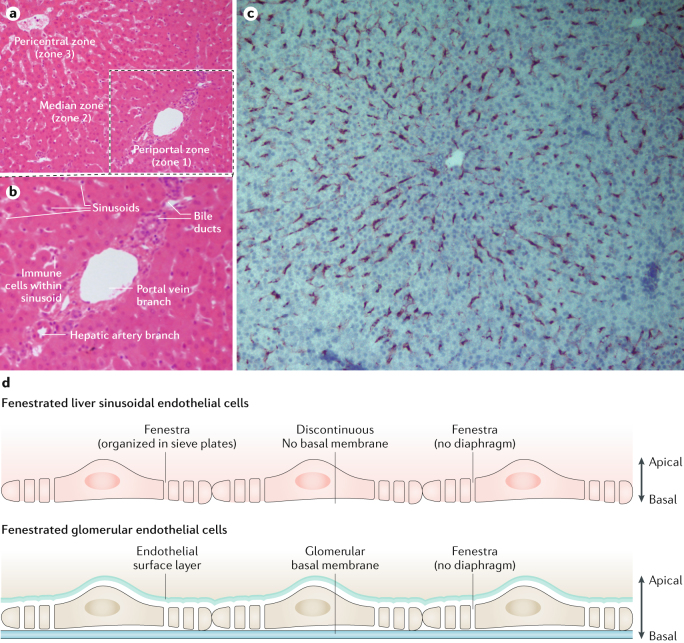
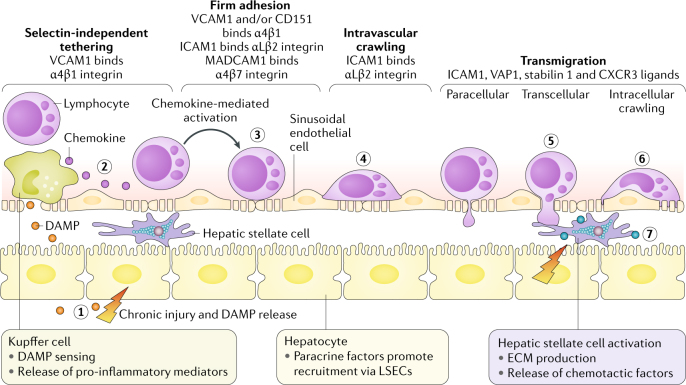
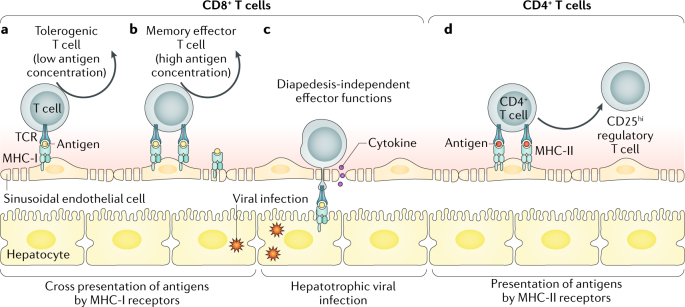
Liver sinusoidal endothelial cells (LSECs) line the low shear, sinusoidal capillary channels of the liver and are the most abundant non-parenchymal hepatic cell population. LSECs do not simply form a barrier within the hepatic sinusoids but have vital physiological and immunological functions, including filtration, endocytosis, antigen presentation and leukocyte recruitment. Reflecting these multifunctional properties, LSECs display unique structural and phenotypic features that differentiate them from the capillary endothelium present within other organs. It is now clear that LSECs have a critical role in maintaining immune homeostasis within the liver and in mediating the immune response during acute and chronic liver injury. In this Review, we outline how LSECs influence the immune microenvironment within the liver and discuss their contribution to immune-mediated liver diseases and the complications of fibrosis and carcinogenesis.
肝窦内皮细胞(LSECs)排列在肝脏低剪切力的窦状毛细血管通道中,是最丰富的非实质肝细胞群体。LSECs 不仅仅在肝窦内形成一个屏障,而且具有重要的生理和免疫功能,包括过滤、内吞、抗原呈递和白细胞募集。反映这些多功能特性,LSECs 表现出独特的结构和表型特征,使其与其他器官中的毛细血管内皮区分开来。现在已经清楚的是,LSECs 在维持肝脏内免疫稳态以及在急性和慢性肝损伤期间介导免疫反应方面起着关键作用。在这篇综述中,我们概述了 LSECs 如何影响肝脏内的免疫微环境,并讨论了它们对免疫介导的肝病以及纤维化和癌变并发症的贡献。