College of Computer Engineering & Applied Mathematics, Changsha University, Changsha, Hunan, People's Republic of China.
Key Laboratory of Intelligent Computing & Information Processing, Xiangtan University, XiangTan, People's Republic of China.
BMC Bioinformatics. 2019 Jul 17;20(1):396. doi: 10.1186/s12859-019-2985-0.
Since the number of known lncRNA-disease associations verified by biological experiments is quite limited, it has been a challenging task to uncover human disease-related lncRNAs in recent years. Moreover, considering the fact that biological experiments are very expensive and time-consuming, it is important to develop efficient computational models to discover potential lncRNA-disease associations.
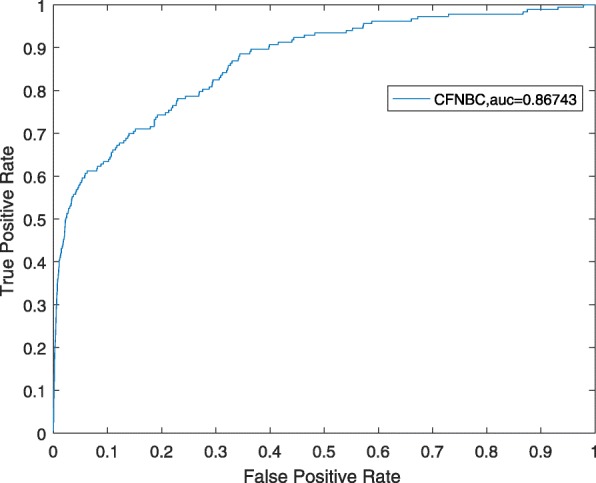
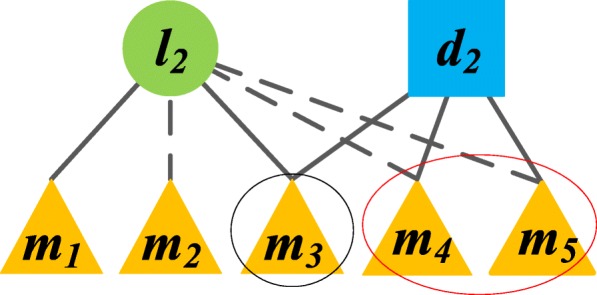
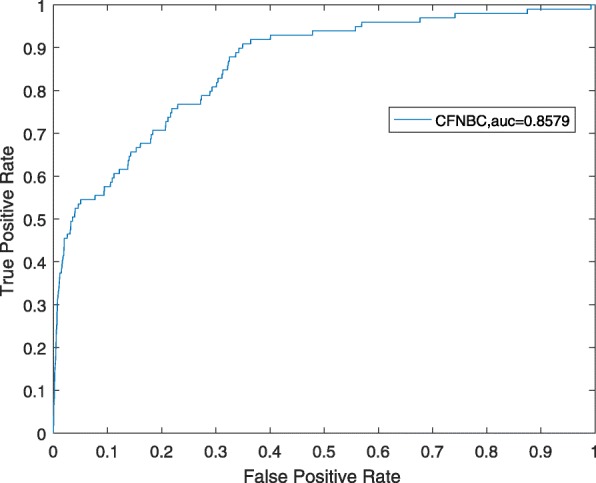
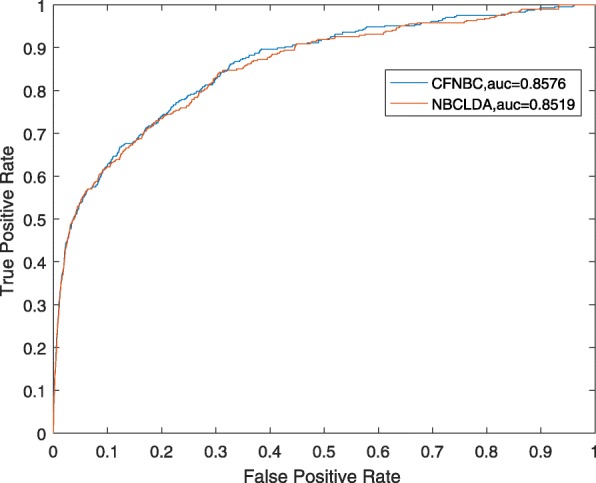
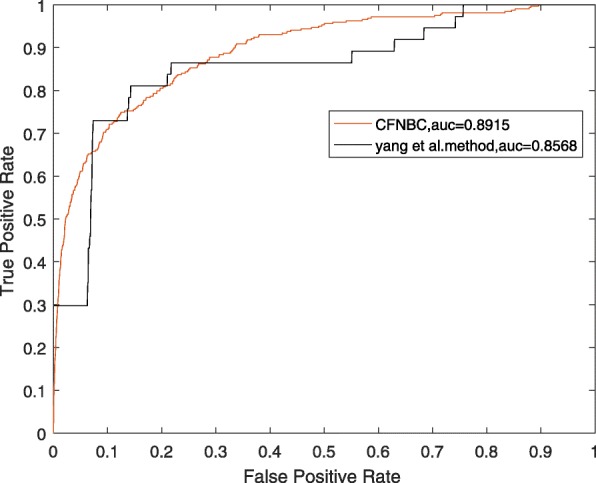
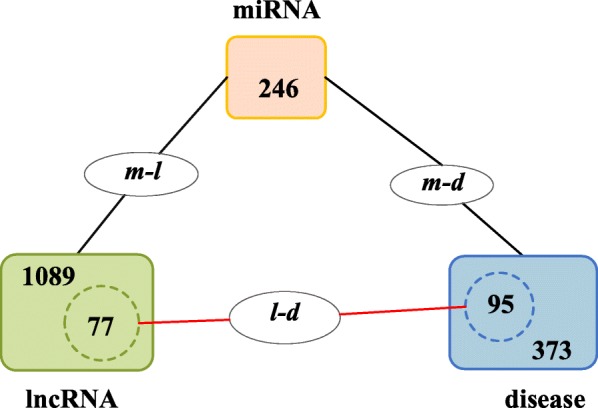
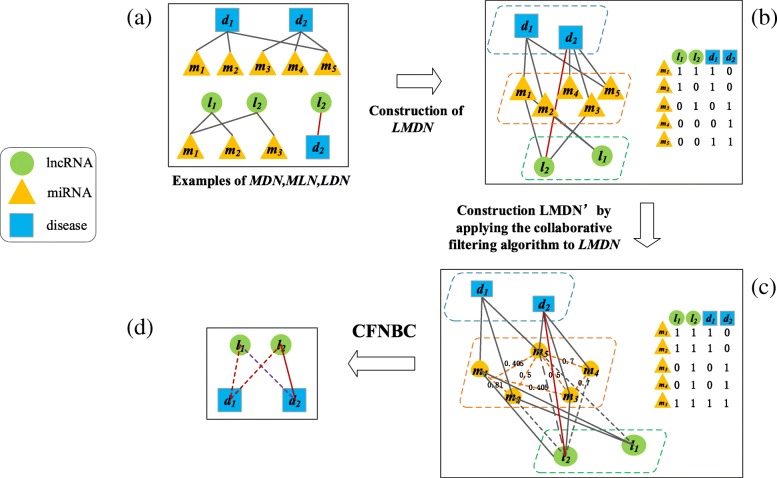
In this manuscript, a novel Collaborative Filtering model called CFNBC for inferring potential lncRNA-disease associations is proposed based on Naïve Bayesian Classifier. In CFNBC, an original lncRNA-miRNA-disease tripartite network is constructed first by integrating known miRNA-lncRNA associations, miRNA-disease associations and lncRNA-disease associations, and then, an updated lncRNA-miRNA-disease tripartite network is further constructed through applying the item-based collaborative filtering algorithm on the original tripartite network. Finally, based on the updated tripartite network, a novel approach based on the Naïve Bayesian Classifier is proposed to predict potential associations between lncRNAs and diseases. The novelty of CFNBC lies in the construction of the updated lncRNA-miRNA-disease tripartite network and the introduction of the item-based collaborative filtering algorithm and Naïve Bayesian Classifier, which guarantee that CFNBC can be applied to predict potential lncRNA-disease associations efficiently without entirely relying on known miRNA-disease associations. Simulation results show that CFNBC can achieve a reliable AUC of 0.8576 in the Leave-One-Out Cross Validation (LOOCV), which is considerably better than previous state-of-the-art results. Moreover, case studies of glioma, colorectal cancer and gastric cancer demonstrate the excellent prediction performance of CFNBC as well.
According to simulation results, due to the satisfactory prediction performance, CFNBC may be an excellent addition to biomedical researches in the future.
由于通过生物实验验证的已知 lncRNA-疾病关联的数量非常有限,近年来发现与人类疾病相关的 lncRNA 一直是一项具有挑战性的任务。此外,考虑到生物实验非常昂贵且耗时,开发有效的计算模型来发现潜在的 lncRNA-疾病关联非常重要。
在本文中,提出了一种名为 CFNBC 的基于朴素贝叶斯分类器的新型协同过滤模型,用于推断潜在的 lncRNA-疾病关联。在 CFNBC 中,首先通过整合已知的 miRNA-lncRNA 关联、miRNA-疾病关联和 lncRNA-疾病关联,构建原始的 lncRNA-miRNA-疾病三节点网络,然后通过在原始三节点网络上应用基于项目的协同过滤算法,进一步构建更新的 lncRNA-miRNA-疾病三节点网络。最后,基于更新的三节点网络,提出了一种基于朴素贝叶斯分类器的新方法来预测 lncRNA 和疾病之间的潜在关联。CFNBC 的新颖之处在于更新的 lncRNA-miRNA-疾病三节点网络的构建以及基于项目的协同过滤算法和朴素贝叶斯分类器的引入,这保证了 CFNBC 可以在不完全依赖已知的 miRNA-疾病关联的情况下高效地应用于预测潜在的 lncRNA-疾病关联。模拟结果表明,CFNBC 在留一交叉验证(LOOCV)中可实现可靠的 AUC 为 0.8576,明显优于以前的最新技术水平。此外,胶质瘤、结直肠癌和胃癌的案例研究也证明了 CFNBC 的出色预测性能。
根据模拟结果,由于具有令人满意的预测性能,CFNBC 未来可能成为生物医学研究的一个极好补充。